How to Forecast Restaurant Revenue and Expenses
Understand how to forecast restaurant revenue and expenses with methods for sales projection, cost scaling, fixed-cost planning, and risk buffering.
Accounting
Sep 18, 2026
Understand how to forecast restaurant revenue and expenses with methods for sales projection, cost scaling, fixed-cost planning, and risk buffering.
Sep 18, 2026
Restaurant owners can significantly reduce restaurant costs by leveraging technology across inventory, labor, procurement, forecasting, and administrative operations for better profit margins.
Sep 18, 2026

everbowl names Anna Gabele Brand President and Natalie Trzcinski COO, pulling both from Jack in the Box to guide its next growth phase.
Sep 18, 2026

Mountain Mike's Pizza hires Jack in the Box veteran Sheena Dougher as CMO to drive national growth while preserving its regional brand identity.
Sep 17, 2026
From fixed costs to contribution margin, learn exactly how to calculate your restaurant's break even point with confidence.
Sep 16, 2026

DoorDash pays $425M for Wonder's campus dining platform and a stake in Wonder, betting on robotic kitchens and institutional foodservice growth.
Sep 16, 2026
Discover the most common reasons restaurants fail, including inconsistent food quality and pricing mistakes, plus practical ways to avoid them.
Sep 16, 2026
Chipotle names former KFC global CEO Sabir Sami to its board as the chain expands into Mexico, Saudi Arabia, and South Korea.
Sep 15, 2026

LeBron James joins Mike's Red Tacos as an investor, backing the birria chain led by Blaze Pizza and Dave's Hot Chicken veteran Bill Phelps.
Sep 15, 2026

Practical payroll compliance checklist for restaurant owners covering wage rules, tips, overtime, taxes, deductions, and recordkeeping to reduce legal risk.
Sep 14, 2026

Unlock Exclusive Access To Webinars, Events, And The Latest News For Free!
Salad and Go's bankruptcy and closure offer key lessons on growth, risk management, and market dynamics for restaurant leaders. See what every operator can learn.
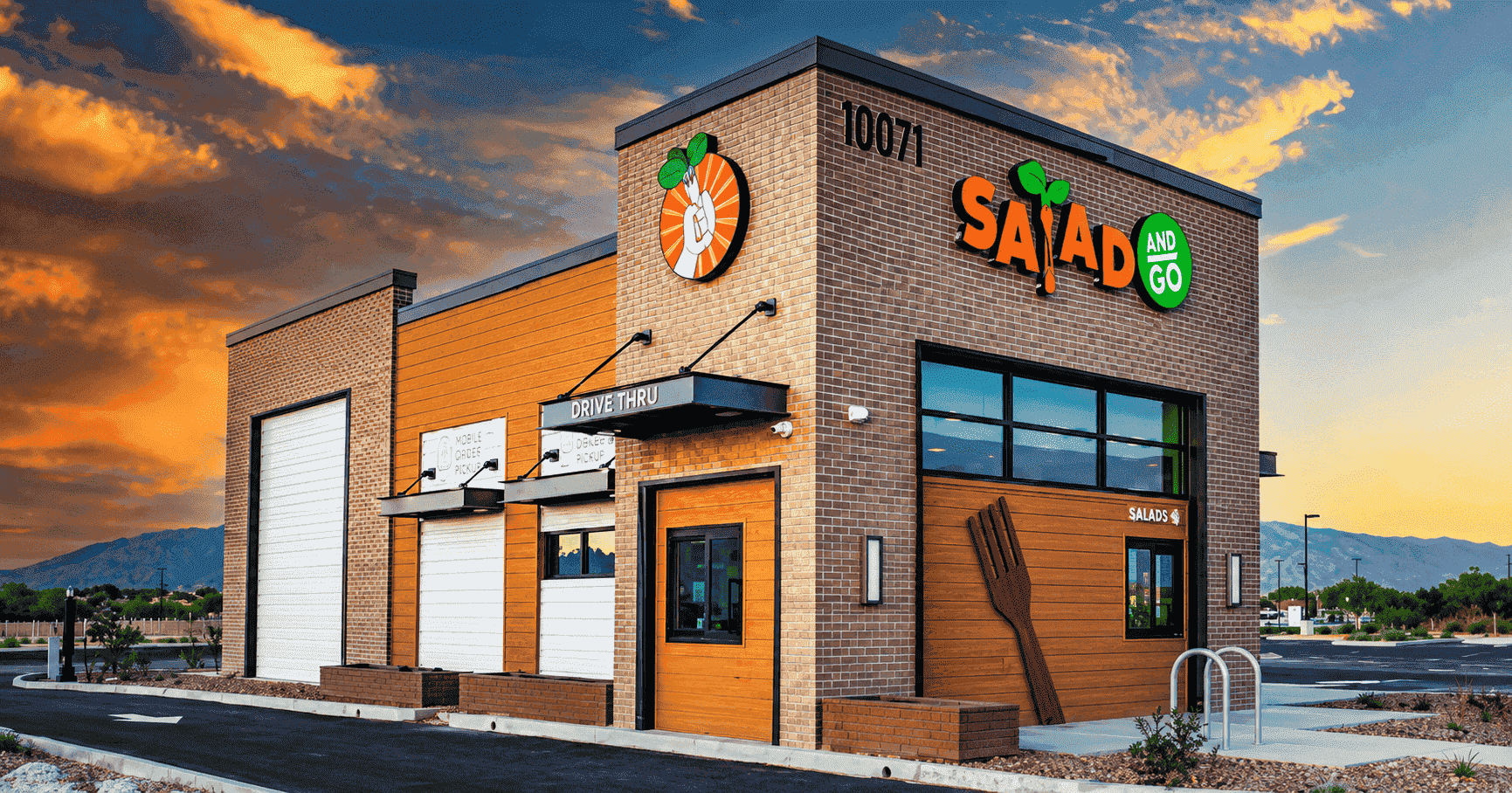
Salad and Go, once a fast-growing drive-thru salad concept, has shuttered all locations after filing for bankruptcy. The 13-year-old chain, which at its peak operated 140+ stores across multiple states, cited relentless inflation, wavering consumer demand, and expansion missteps as contributing factors in its decision to close. Its final 70 stores in Arizona and Nevada served their last guests this week.This dramatic reversal is a reminder that even brands with strong consumer appeal and innovative models are not insulated from the broader volatility of the restaurant industry, especially amid rapid scale-ups and shifting market forces.
The timeline of Salad and Go’s closure reveals classic pitfalls of unsustainable growth. In just two years, the chain nearly doubled its footprint before abruptly reversing course and closing half its stores in less than 12 months. Expansion into Texas and Oklahoma led to costly investments, including a commissary kitchen built to support extensive regional growth - investments that outpaced demand.As markets shifted, attempts at consolidation came too late to stabilize the business, despite efforts to innovate menu offerings and bolster local operations. For modern restauranteurs, this is a warning - agility and data-driven market testing must precede infrastructure spend, and scaling should always be coupled with contingency planning.
Salad and Go’s demise was further hastened by factors outside its control, like heightened consumer anxiety after a foodborne illness outbreak that hurt the entire fresh-food sector. Even though the brand was not the source, the ripple effect underscores the necessity for all restaurant leaders to develop comprehensive crisis plans and transparent communication strategies. Investing in strong food safety protocols and training can help insulate brands from reputational harm when industrywide events occur.
Salad and Go’s leadership sought to reinvigorate the brand with product launches, pricing strategies, and operational streamlining right up to the end. However, once trust erodes and market position dwindles, even the strongest teams face uphill battles to recover. Restaurant operators should foster a culture of continuous adaptation - where menu development, customer experience, and operational excellence are revisited regularly instead of only during tough times.
Every operator stands to learn from Salad and Go’s journey. To future-proof your concept, adopt the following -
The Cyclospora outbreak illustrates a risk every food-service brand faces - reputational damage that has nothing to do with your own kitchen. Fresh-food and salad concepts were especially exposed, since consumers don't always distinguish between brands during a health scare — they just get more cautious about the entire category. Strong food safety protocols and clear crisis communication won't guarantee immunity from that kind of ripple effect, but they help a brand hold onto customer trust when the broader narrative turns negative.
