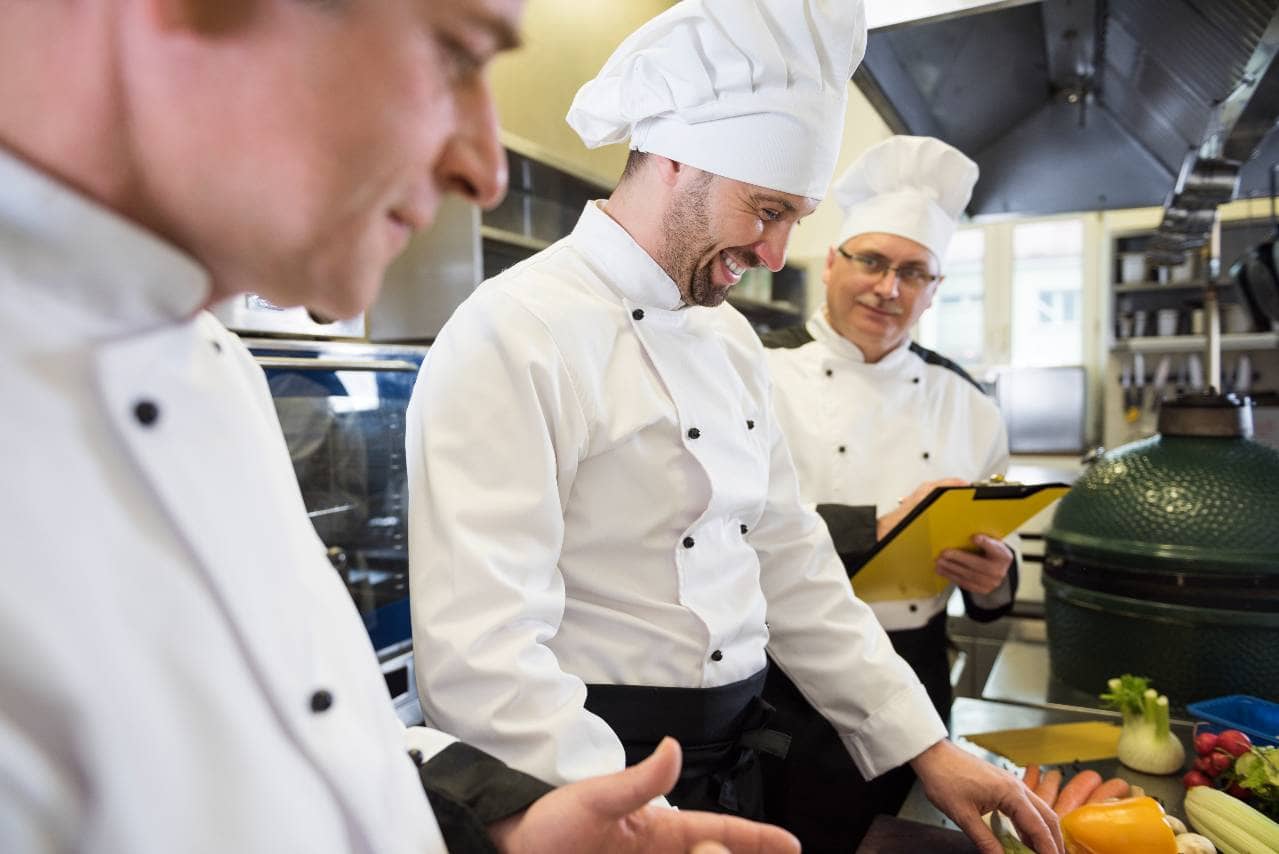
The Ultimate Guide to Restaurant Labor Management
Restaurant labor management helps owners optimize staffing, control labor costs, improve productivity, monitor overtime, and maintain efficient restaurant operations.
Back Office
Sep 2, 2026
Restaurant labor management helps owners optimize staffing, control labor costs, improve productivity, monitor overtime, and maintain efficient restaurant operations.
Sep 2, 2026
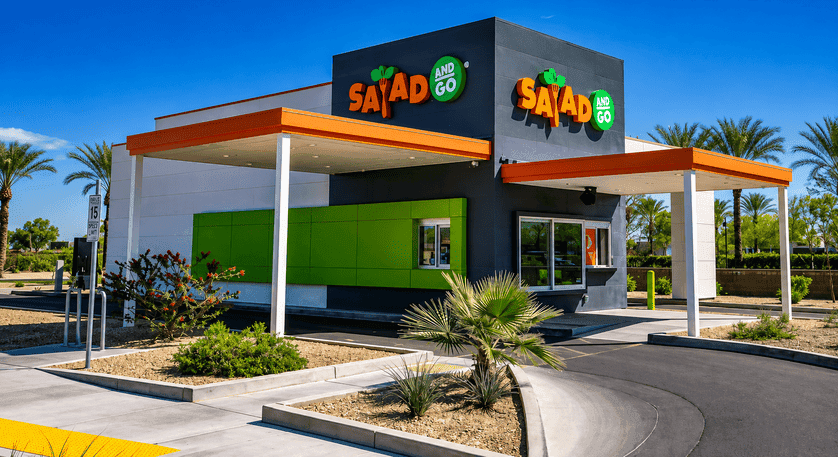
7 Brew has acquired 73 former Salad and Go locations, surpassing Dutch Bros with a $143M bid, signaling a major shift in the competitive landscape for drive-thru brands.
Sep 2, 2026
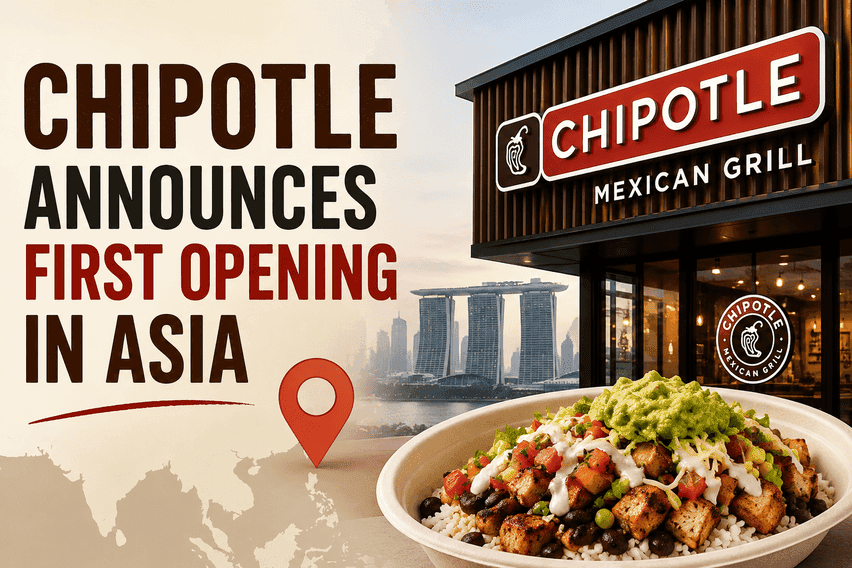
Chipotle makes its highly anticipated entry into Asia with a Seoul opening, partnering with Sangmidang Holdings and setting a template for future international growth.
Sep 2, 2026
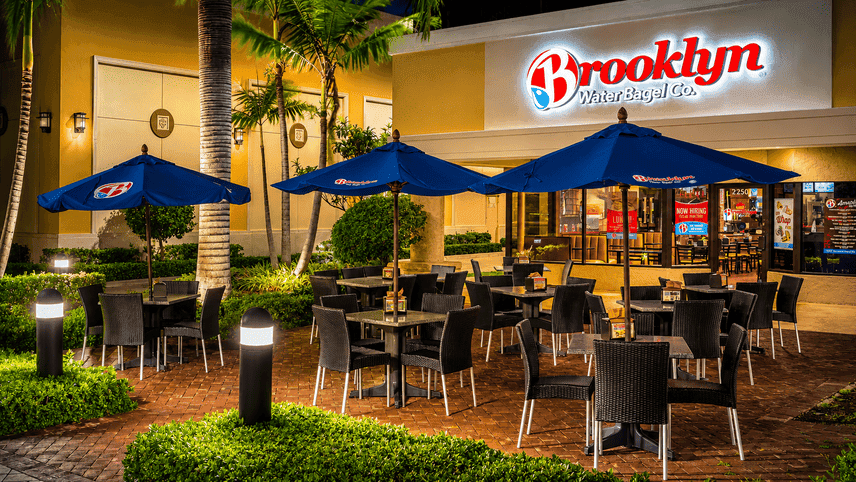
Brooklyn Water Bagel launches its first campus eatery at Nova Southeastern, signaling strategic growth and fresh potential for multi-unit operators seeking new market wins.
Sep 2, 2026
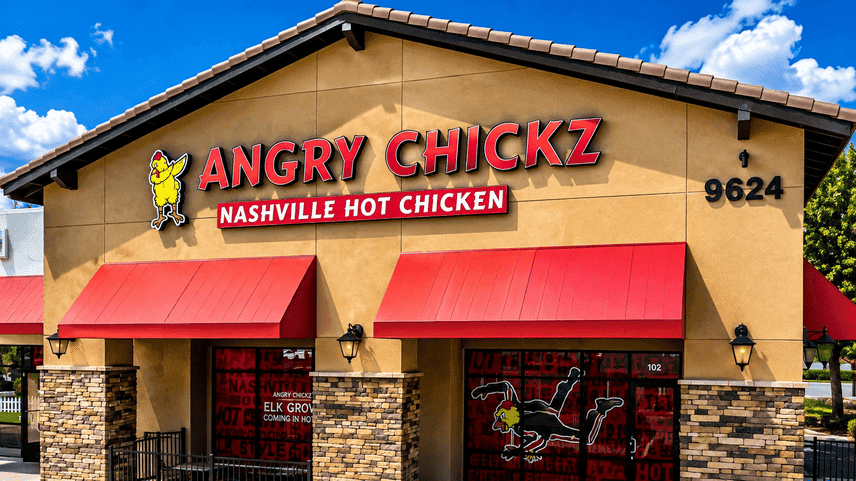
Angry Chickz enters Illinois with its signature hot chicken concept and ambitious plans for Midwest expansion, setting the stage for new franchise opportunities and community engagement.
Sep 2, 2026
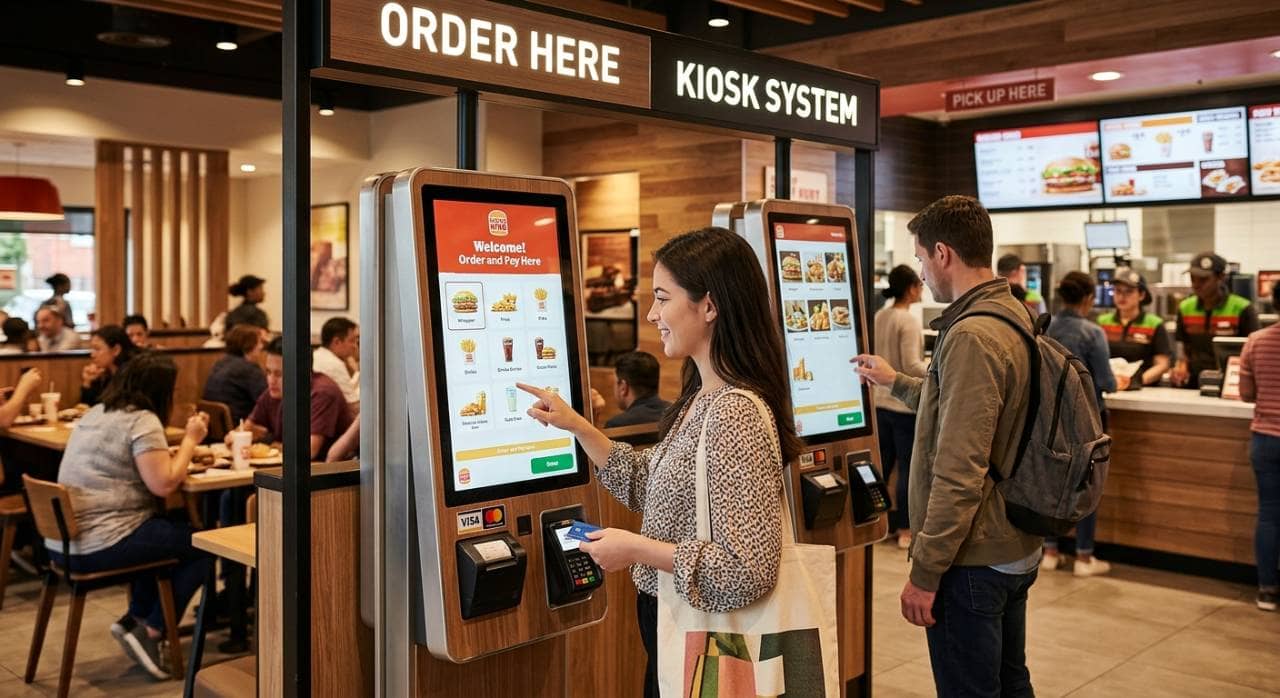
Understand how to evaluate a Kiosk system using key criteria including features, POS integration, hardware, pricing, customer experience, and support.
Aug 31, 2026

Explore restaurant technology trends in 2026, including AI, automation, digital ordering, workforce tools, connected kitchens, personalization, and profitability strategies today.
Aug 28, 2026
Learn how to calculate restaurant cost of goods using inventory, purchases, COGS percentage, variance reviews, and regular tracking for profitability.
Aug 31, 2026
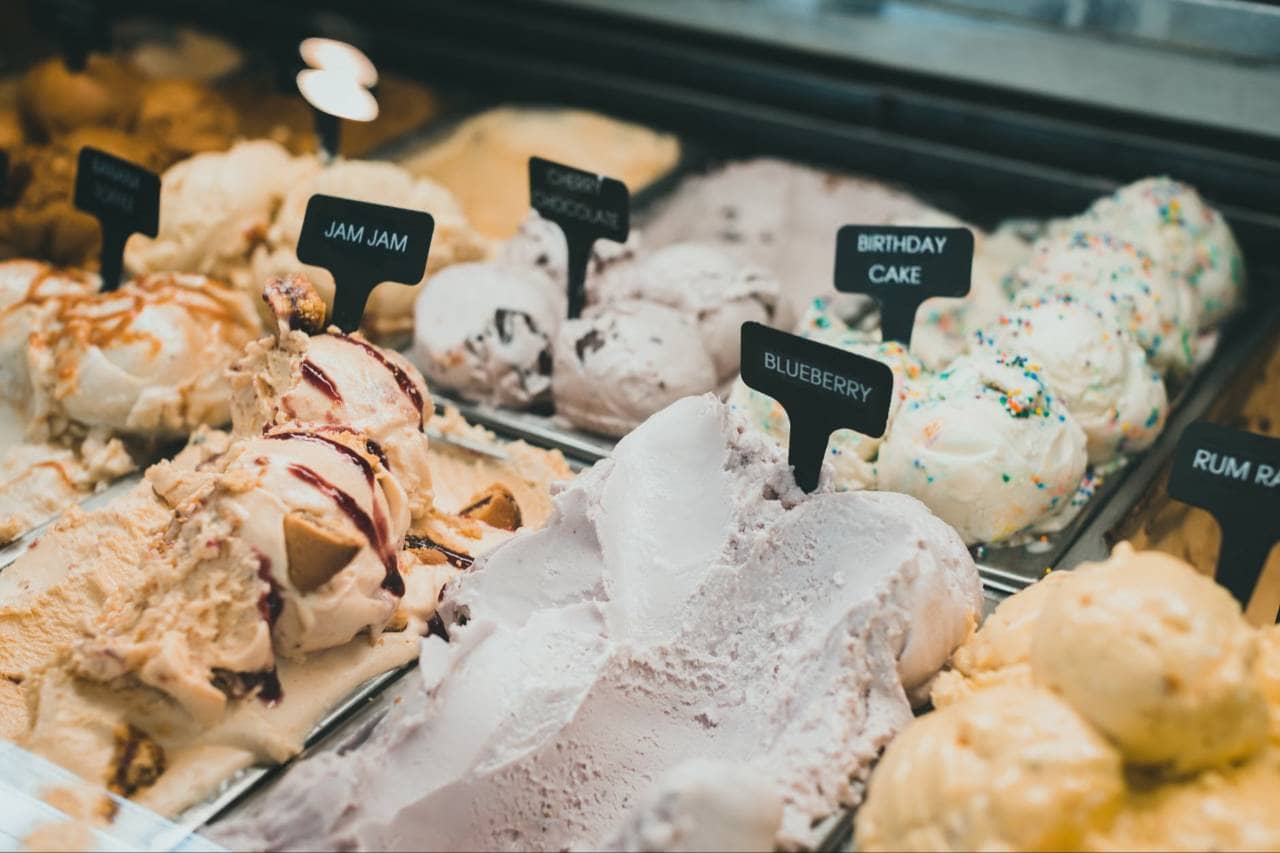
Learn the startup costs of opening an ice cream shop, including rent, equipment, renovations, permits, inventory, labor, marketing, and reserves.
Aug 28, 2026

A restaurant P&L statement reveals sales, expenses, and profits, helping owners manage costs, improve margins, and plan finances more effectively.
Aug 26, 2026

Unlock Exclusive Access To Webinars, Events, And The Latest News For Free!
Explore Shake Shack's expansion plans, licensing strategy, and global growth in the fast-food industry.
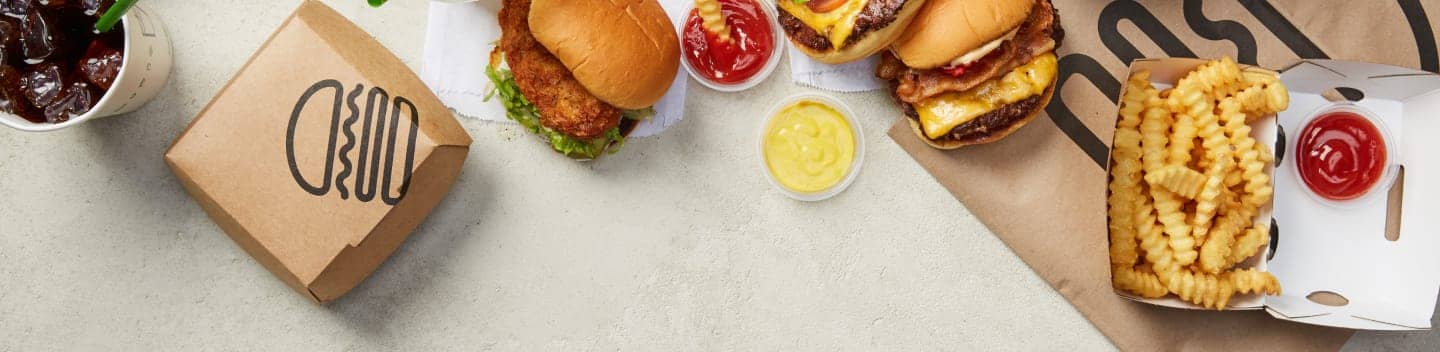
Shake Shack, known for its premium burgers and shakes, has set its sights on a bold expansion strategy to solidify its presence globally. With a vision to operate 1,500 company-owned locations, the company is not just focusing on traditional outlets but also on exploring innovative avenues for growth.
The company's president of global licensing, Michael Kark, highlighted the importance of flexible formats in penetrating new regions in the U.S. Shake Shack's move towards small-format locations and drive-thrus in suburban areas demonstrates its adaptability to diverse consumer preferences.
Shake Shack's recent licensed locations in North America and EMEA have showcased robust sales performances, indicating a positive reception from customers in these markets. This success is a testament to the brand's ability to resonate with a diverse global audience.
Aside from traditional outlets, Shake Shack has also ventured into unconventional partnerships to expand its reach. The collaboration with Delta to offer meals to first-class passengers on domestic flights is a prime example of this innovative approach. By providing a gourmet dining experience at 30,000 feet, Shake Shack is redefining in-flight food offerings.
The strategic licensing deals and expansion into new markets have proven fruitful for Shake Shack, with 256 licensed locations across 20 markets generating a significant $179.6 million in sales as of Q1 2025. This revenue growth is a clear indicator of the success of the brand's global expansion strategy.