Square’s Biggest Restaurant AI Rollout Puts Voice, Kiosks, and Analytics to Work
Square unveils its most expansive restaurant AI upgrade—voice ordering that aims to cover 100% of calls, a faster kiosk, unified menus, and context-aware analytics—signaling a push to ease staffing pressure and streamline operations.

A Rollout With Real Numbers
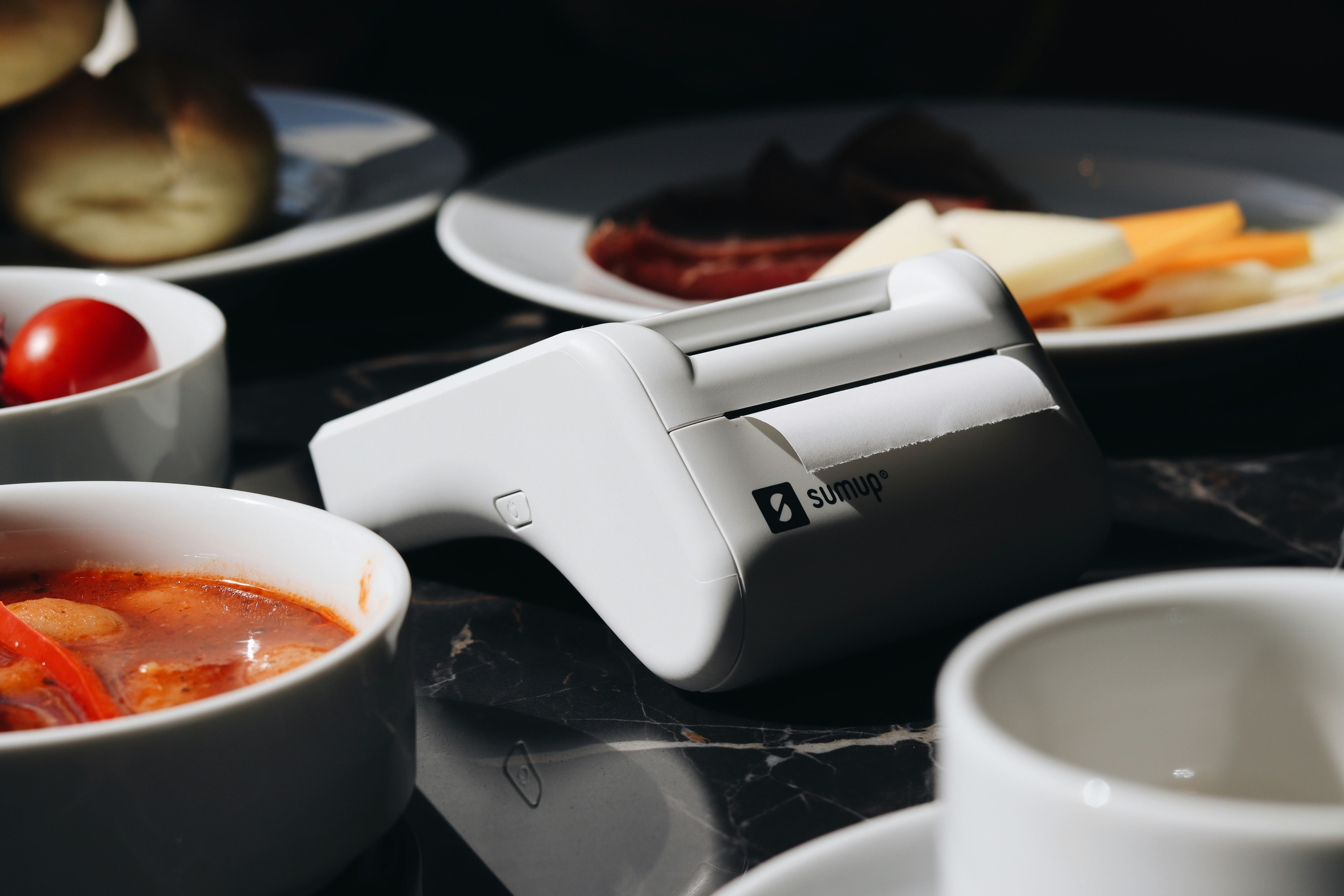
Square’s most expansive restaurant AI and tooling upgrade arrived on "October 8, 2025" at its biannual Square Releases event, a date that fixes the moment rather than gesturing at a someday. The announcement leans on measurable promises: an AI-powered voice system designed to handle "100%" of incoming calls and a redesigned kiosk reporting "as much as 30%" faster ordering. It’s a gentle promise of fewer bottlenecks where lines thicken and ringing phones ask for attention all at once. Anchored around voice ordering, analytics, and an interface refresh for kiosks, the suite is framed to streamline the steps between a customer’s request and a kitchen’s reply. According to BusinessWire and Square’s press materials, calls route confirmed orders directly to the kitchen or POS, while every interaction lands inside Square Messages. Picture-based categories, larger fonts, and an always-visible cart aim to soothe wayfinding at the kiosk. In a season when operations often feel stretched, this rollout reads like a bid to bring a steadier cadence back to busy counters. Analysis: The dated launch and quantified targets position this as a concrete operational move, not a concept—tying throughput and staffing relief to measurable outcomes like “100%” call coverage and “as much as 30%” faster flows.
Labor Strain Meets Clarity
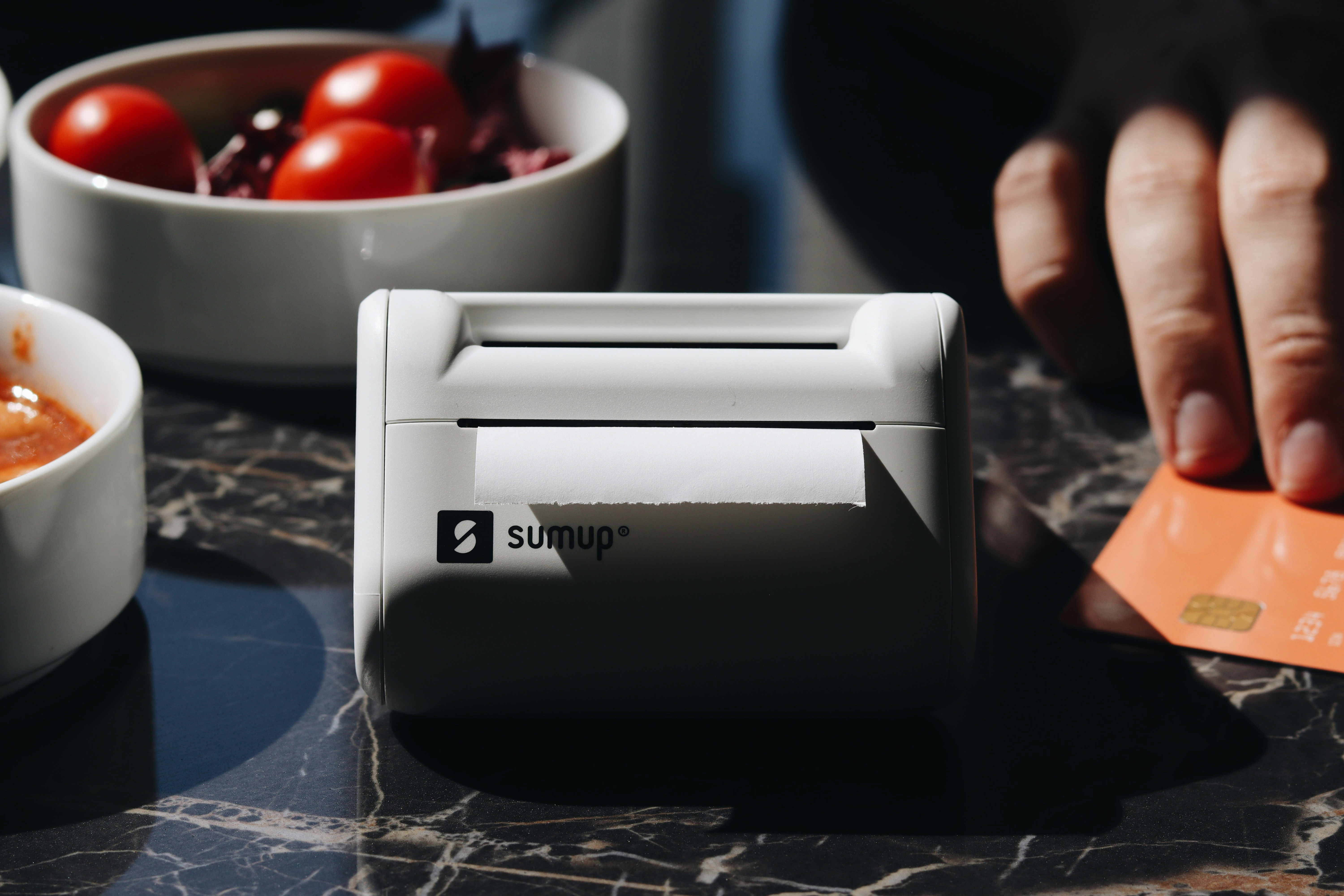
Square frames the expansion as relief for re-entry and retyping—those labor-intensive, error-prone workflows that tend to fray during the rush. The voice system is built to move a customer from call to kitchen without a second pass through a terminal, freeing staff to prioritize hospitality instead of wrestling with the phone. There’s a quieter intention in that choice: let technology handle repetition so people can offer the kind of welcome that can’t be scripted. Multichannel Menu Management is the companion piece, a simple promise with big ripple effects. By editing once and pushing everywhere, Square targets the “tablet farm” chaos of juggling third-party channels. Grubhub, DoorDash, and Uber Eats stay in sync with online ordering and kiosks, including modifiers and inventory rules. The direction mirrors broader moves by DoorDash, Red Lobster, and Yum Brands, suggesting a shared desire for less friction and cleaner, more reliable handoffs from guest to kitchen. Analysis: Streamlining manual re-entry and consolidating fragmented channels speaks directly to time losses, mistakes, and sprawl; the focus reflects operators’ practical pain points rather than abstract innovation.
From Ring To Ready
Square’s AI voice ordering accepts and processes calls in real time, including rush-hour volumes, and pushes confirmed orders straight to the kitchen or POS. Each call is logged in Square Messages, generating structured summaries and capturing customer questions. The design aims to reduce retyping, smooth out human error, and save the most precious commodity during a lunch swell: attention for guests who are right at the counter. When every interaction becomes a record, patterns emerge—what people ask for, what they hesitate over, where a menu might need to be clearer. The tone is operational, but the undercurrent is hospitable: fewer interruptions, more eye contact, and a steadier pace on the line. The “100%” call-handling goal sets a high bar, especially for peak periods when missed calls can turn into missed visits. Analysis: Real-time intake plus automatic logging aims to lift accuracy and consistency while returning staff to in-person hospitality; the coverage target signals an effort to eliminate a persistent bottleneck in phone-driven takeout.
Design That Moves Guests
The kiosk refresh leans into ease: picture-led categories to cue recognition, larger fonts for scanning at a glance, and an always-visible cart to keep guests oriented. These are gentle interface choices with a brisk intent, tied to the claim of "as much as 30%" faster ordering. In high-volume windows—those moments when a line forms, and a kitchen hums—the difference between a clear screen and a cluttered one is tangible. Speed here isn’t just about seconds saved; it’s about letting guests settle into a flow. A visible cart reduces backtracking, imagery speeds confirmation, and readable text keeps the process light. The promise is greater throughput without sacrificing calm, a balance many operators seek when foot traffic pulses. Analysis: Interface clarity and cart visibility translate into throughput at scale; compressing self-service steps can move more guests through peak periods without adding labor.
Unifying The Menu Spine
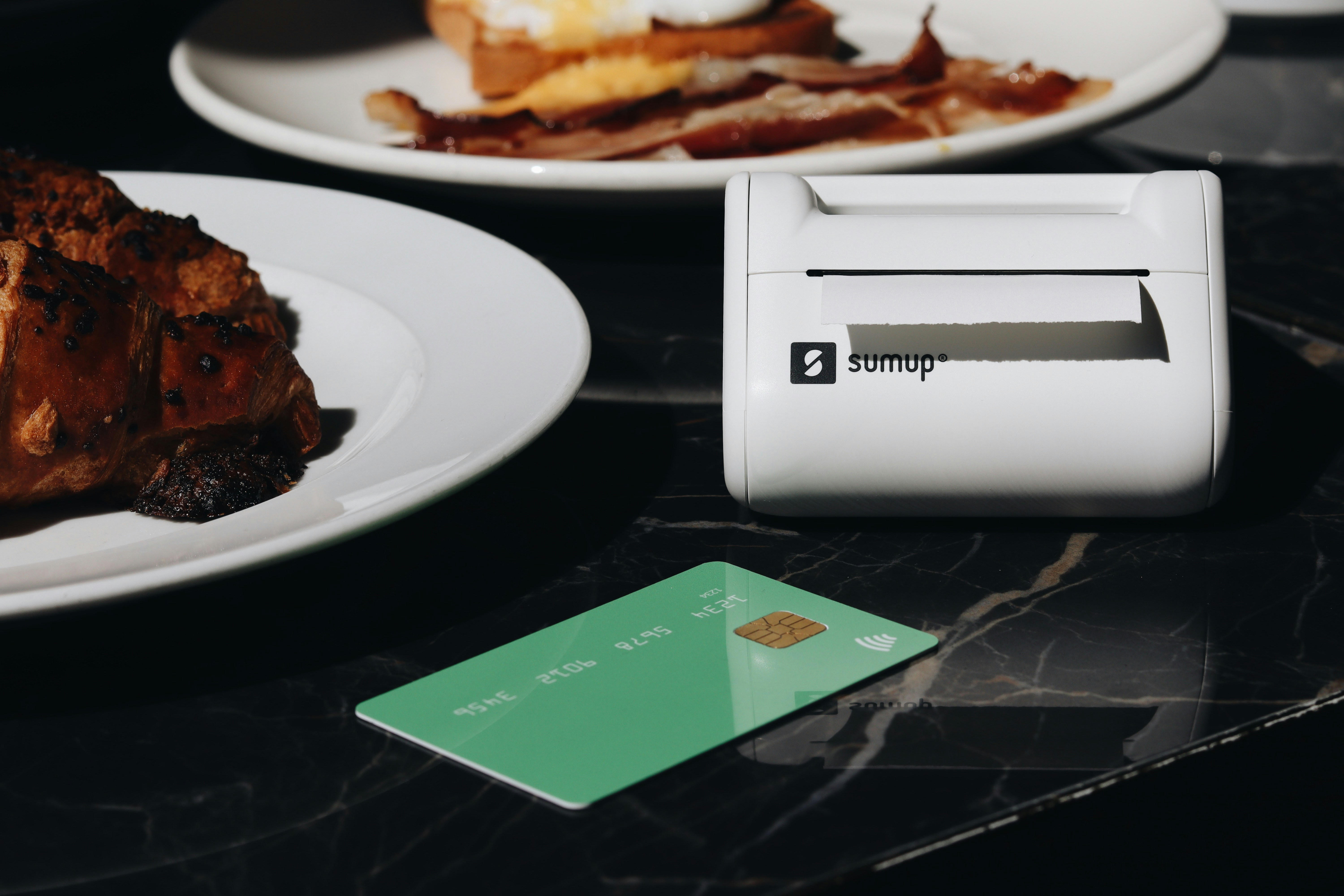
Multichannel Menu Management centralizes the work of keeping a menu coherent across the places guests find it: online ordering, kiosks, and delivery apps like Grubhub, DoorDash, and Uber Eats. Operators can update once and push everywhere, with control over modifiers and inventory, reducing duplicate effort and the quiet drift that introduces errors over time. When a kitchen hits its stride, it’s often because the same logic carries across every channel—what’s available, what’s out, what can be substituted. By turning a tangle of screens into a single, consistent source of truth, the tool aims to settle the friction points that leave staff correcting orders instead of preparing them. Analysis: A unified menu backbone compounds gains from voice and kiosk improvements, helping accuracy and availability stay consistent across all ordering paths.

Context On The Go
Beyond the front counter, Square’s AI assistant pulls in local weather, nearby events, and industry news to give operators context when making quick decisions. Sellers can ask natural-language questions—identifying highest-margin items or comparing labor over time—and then pin or save those answers as auto-updating widgets on mobile dashboards. It’s designed for the in-between moments, when a manager checks a phone between tasks and wants clarity without logging into a desktop. Procurement is pulled into the same frame through an AI-powered Order Guide that consolidates vendor data, standardizes pricing comparisons across SKUs, and translates menu items into ingredient-level lists. The intent is straightforward: protect margins by linking what’s ordered for the kitchen to what’s profitable on the menu. Analysts note that these capabilities place Square closer to platforms like Toast’s MarginEdge or xtraCHEF, which specialize in invoice and cost analytics. Analysis: Context layering supports staffing shifts, menu emphasis, and purchasing choices in near real time, while the Order Guide closes a loop between analytics and procurement for steadier cost control.

Peers Press Toward Scale
Square’s push sits within a wider industry motion toward digitized ordering and operations. Red Lobster plans AI-powered phone ordering across "545" locations via SoundHound AI to reduce call wait times and accelerate takeout, a step in its effort to stabilize after 2023 losses under CEO Damola Adamolekun. Reports highlight that AI now handles multiple calls at once, supports seamless reordering, and keeps a live agent fallback—an approach that parallels Square’s voice model. Wendy’s expects to expand its Google Cloud–powered FreshAI drive-thru voice ordering to "500–600" U.S. locations by the end of "2025", up from "about 100". Yum Brands, via its Byte by Yum platform and an Nvidia partnership, began rolling out AI ordering and computer vision in "500" U.S. Taco Bell and Pizza Hut locations in "Q2 2025" to pull more orders into digital channels. Yet the road isn’t uniformly smooth: Taco Bell’s CTO said AI "cannot work everywhere," pointing to glitches and frustration at "over 500" drive-thru locations, while Wendy’s noted customer reactions remain “varied.” Analysis: The precise counts and deployments underscore rapid scaling, while the CTO’s caution and mixed reactions show guest experience and reliability are still being proven in the field.

A Year Defined By Throughput
Square’s feature set, live as of "October 8, 2025", carries a clear thesis: speed up ordering, standardize data entry, and unify menu logic across channels. The kiosk changes tied to "as much as 30%" faster flows support a throughput narrative, while the voice system’s "100%" call-handling aim is designed to absorb peak loads without adding labor. Syncing Grubhub, DoorDash, and Uber Eats within a single menu framework is meant to reduce handoffs and errors as demand shifts between dine-in, takeout, and delivery. Industry timelines supply markers that deepen the context. Wendy’s aims for "500–600" FreshAI drive-thru locations by the end of "2025" after growing from "about 100"; Yum’s Q2 push highlights a calendar-driven path to scale. Square’s own timing lands amid this same window, a period defined by quick operationalization and the steady testing of what works under real volume. Analysis: The dates and targets point to a near-term race to deploy AI at scale, with speed and standardization positioned as competitive levers for busy, multi-channel operations.

Open Questions Linger
The rollout leaves a few important blanks. Square’s materials do not disclose model accuracy rates, pricing, or a phased rollout schedule beyond the "October 8, 2025" launch. In the broader market, results vary: Wendy’s points to improving accuracy but “varied” reactions, and Taco Bell’s CTO cautions that AI "cannot work everywhere" due to glitches and frustration. Square emphasizes logging, conversational history, model selection, and contextual inputs—signals of risk management priorities—but stops short of publishing performance benchmarks or opt-out controls by venue type. For operators, that suggests a practical path: pilot, watch the call logs, measure kiosk conversion, and track how dashboard nudges translate into real decisions and margin protection. Analysis: Absent hard metrics on accuracy and cost, due diligence shifts to on-the-ground monitoring—using the platform’s logging and analytics to validate consistency, speed, and guest experience.
A Calm Line, A Clear Screen
Seen together, Square’s voice ordering, kiosk redesign, unified menu management, context-aware dashboards, and an AI-powered Order Guide form a single operational fabric from call intake to cost control. Consistent logging in Square Messages turns every conversation into structured insight; the faster kiosk tries to convert cleaner design into calmer throughput. Pairing weather, events, and industry news with SKU-level vendor comparisons brings decisions closer to real time—across both front-of-house service and back-of-house purchasing. The industry’s parallel momentum—Red Lobster’s phone automation plans, Wendy’s expansion targets, and Yum’s Q2 deployments—validates the direction while also urging caution. The lesson is simple and soft-spoken: automation should make room for hospitality. When AI shoulders the repetitive work and menus stay coherent across channels, staff can focus on the small human graces that keep guests returning. It’s a way of returning busy hours to a more welcoming rhythm, with technology playing backup rather than stealing the melody. Analysis: If execution meets the design, the platform’s coherence could strengthen Square’s position as an end-to-end operations partner—using centralized control and detailed logging to reduce friction even as the industry tests AI’s limits.