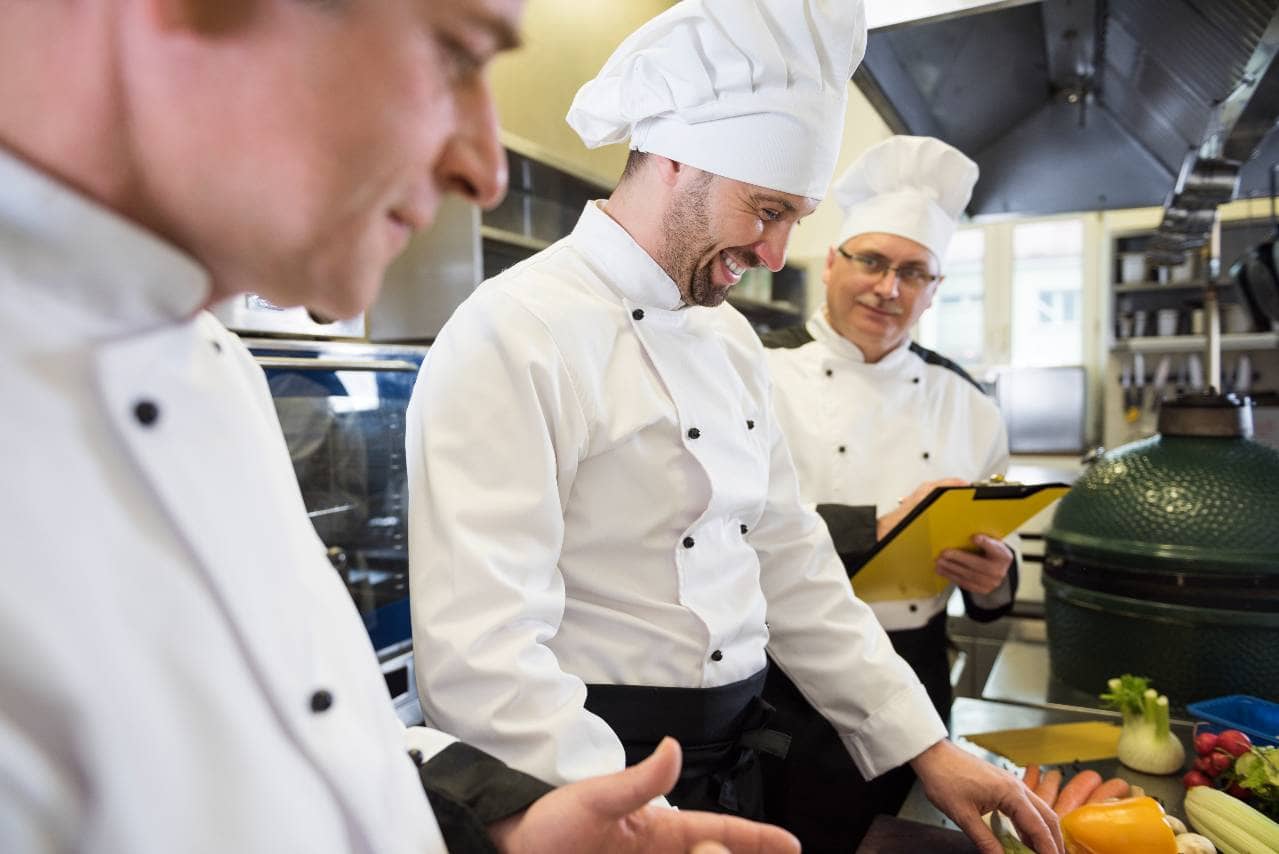
The Ultimate Guide to Restaurant Labor Management
Restaurant labor management helps owners optimize staffing, control labor costs, improve productivity, monitor overtime, and maintain efficient restaurant operations.
Back Office
Sep 2, 2026
Restaurant labor management helps owners optimize staffing, control labor costs, improve productivity, monitor overtime, and maintain efficient restaurant operations.
Sep 2, 2026
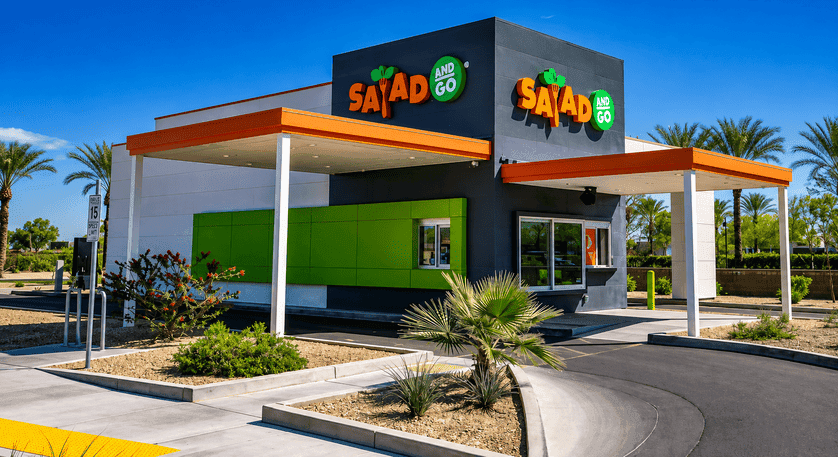
7 Brew has acquired 73 former Salad and Go locations, surpassing Dutch Bros with a $143M bid, signaling a major shift in the competitive landscape for drive-thru brands.
Sep 2, 2026
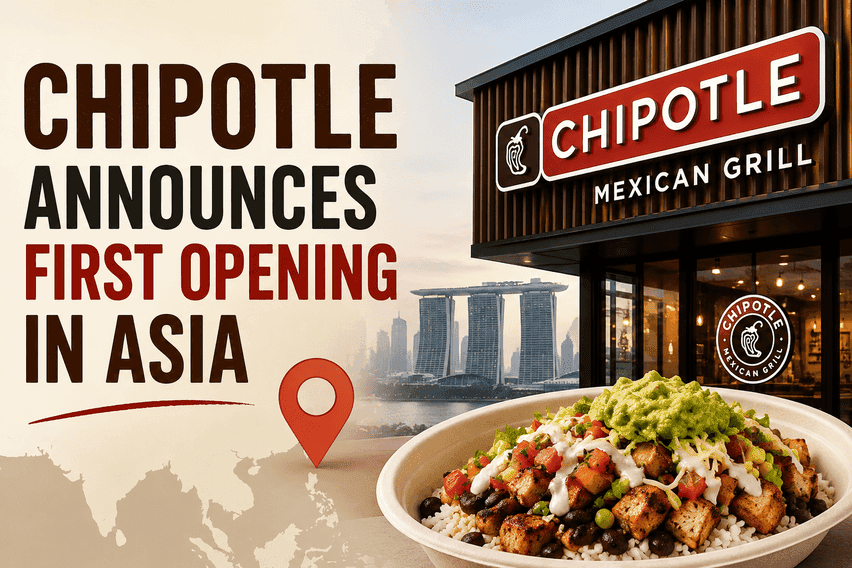
Chipotle makes its highly anticipated entry into Asia with a Seoul opening, partnering with Sangmidang Holdings and setting a template for future international growth.
Sep 2, 2026
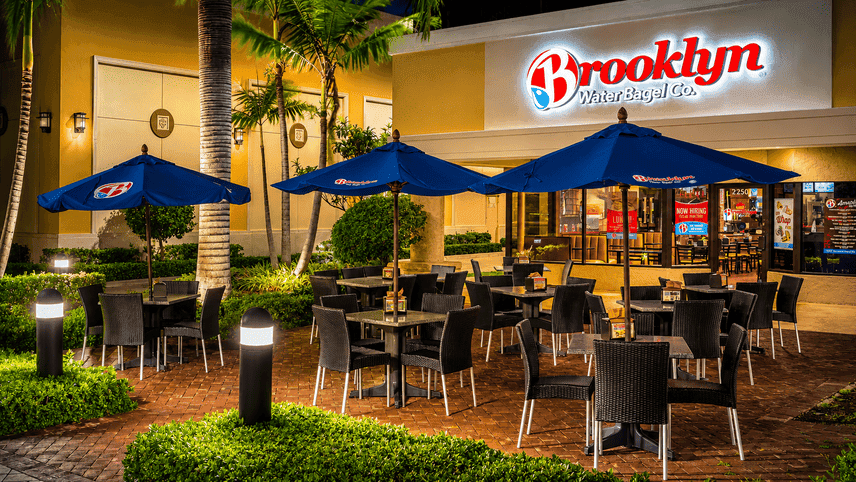
Brooklyn Water Bagel launches its first campus eatery at Nova Southeastern, signaling strategic growth and fresh potential for multi-unit operators seeking new market wins.
Sep 2, 2026
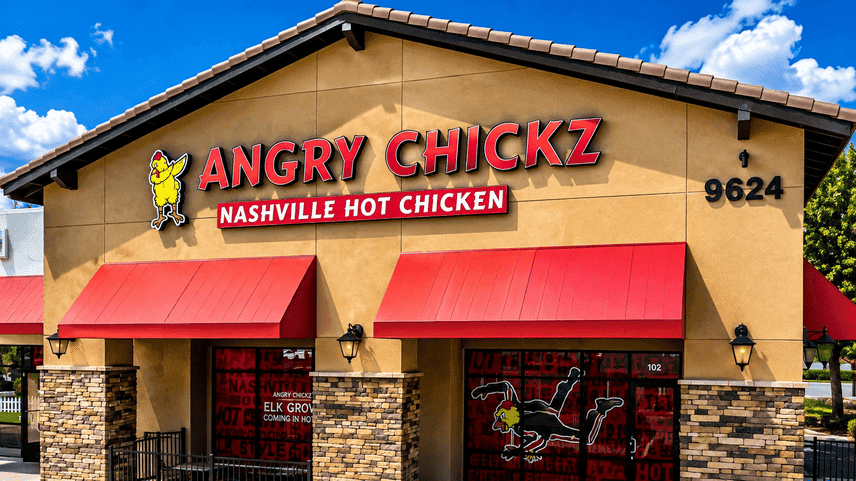
Angry Chickz enters Illinois with its signature hot chicken concept and ambitious plans for Midwest expansion, setting the stage for new franchise opportunities and community engagement.
Sep 2, 2026
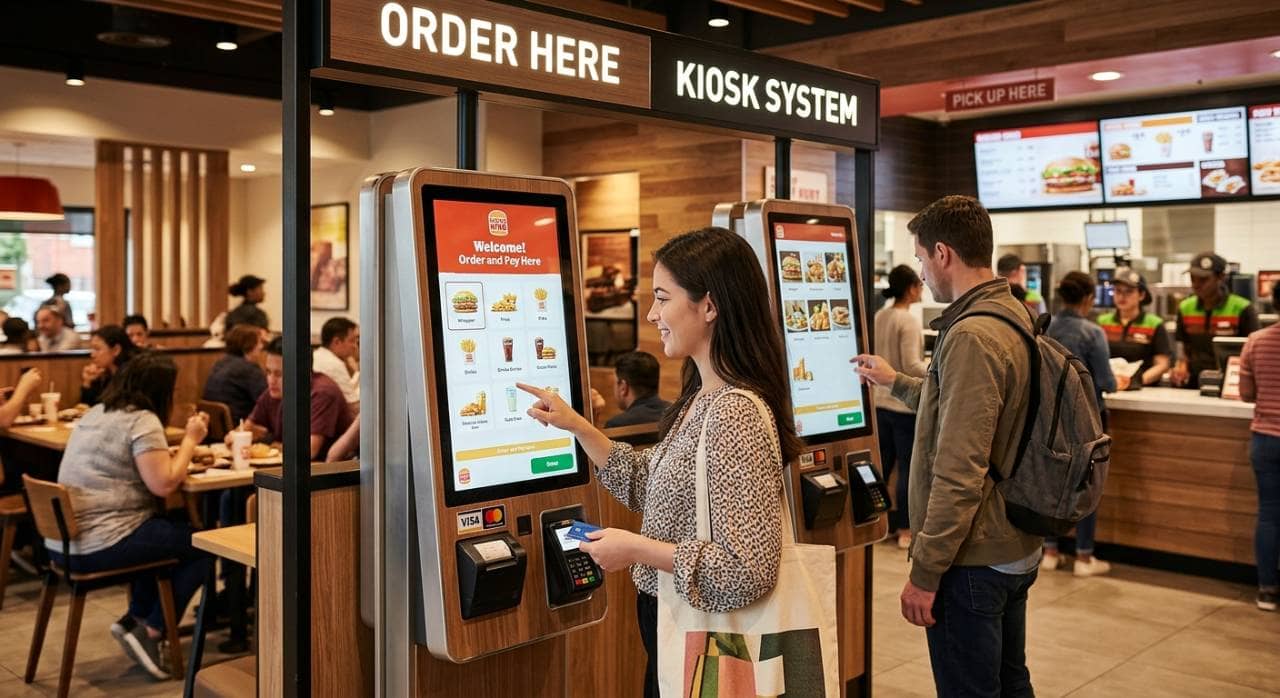
Understand how to evaluate a Kiosk system using key criteria including features, POS integration, hardware, pricing, customer experience, and support.
Aug 31, 2026

Explore restaurant technology trends in 2026, including AI, automation, digital ordering, workforce tools, connected kitchens, personalization, and profitability strategies today.
Aug 28, 2026
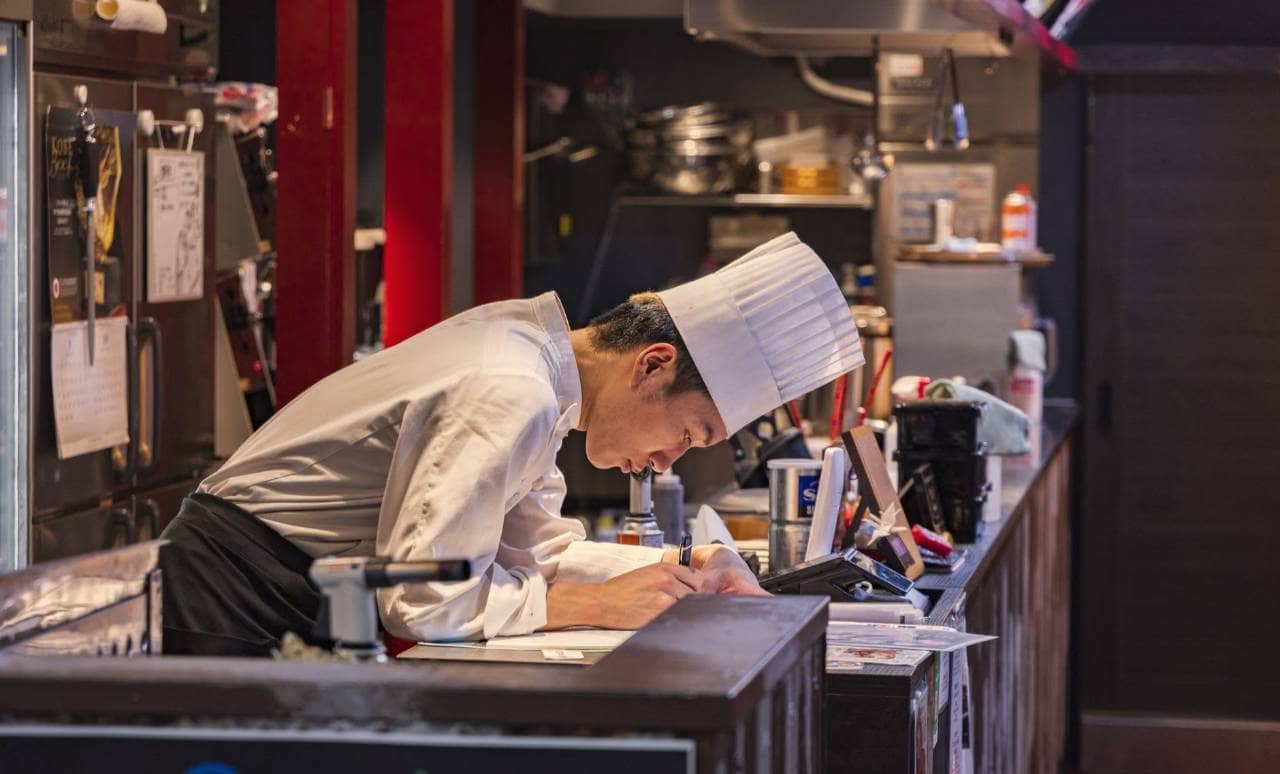
Learn how to calculate restaurant cost of goods using inventory, purchases, COGS percentage, variance reviews, and regular tracking for profitability.
Aug 31, 2026
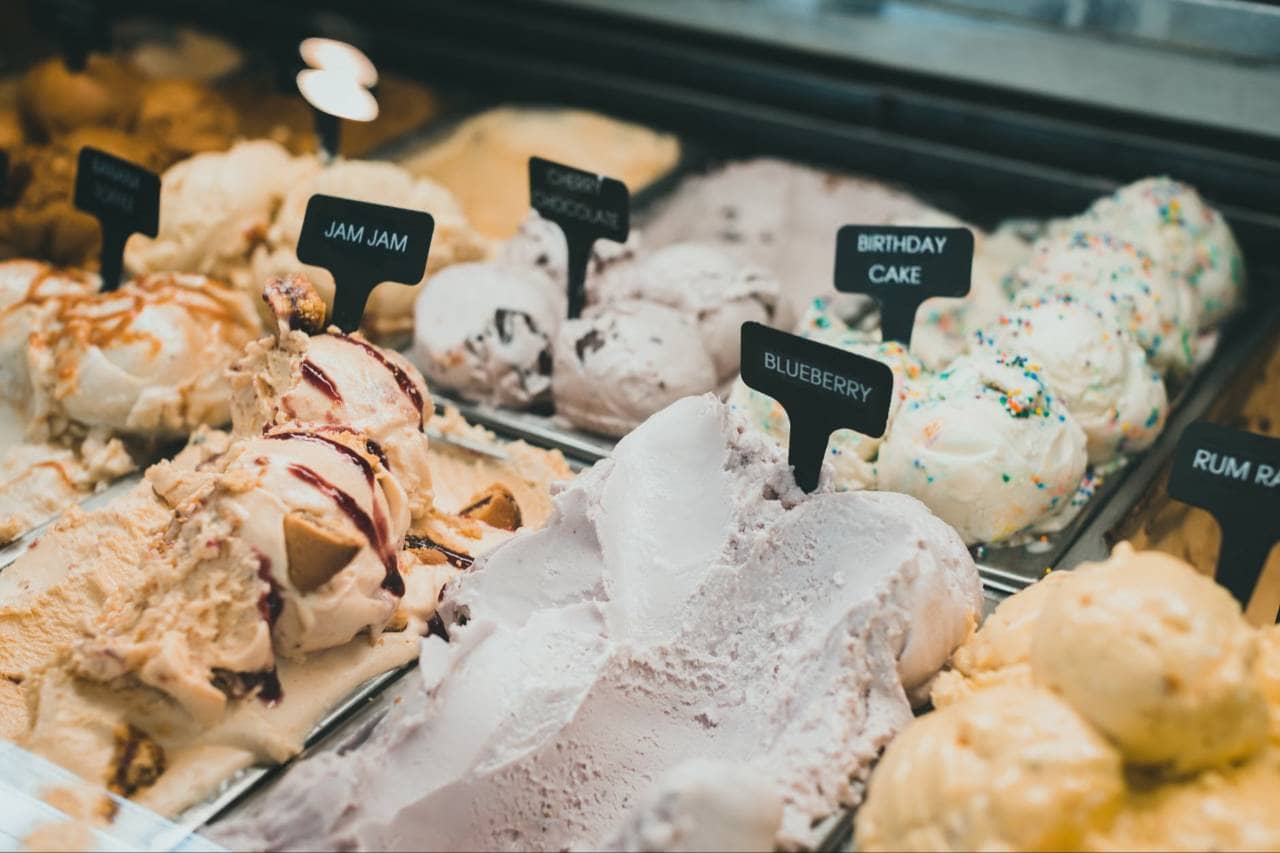
Learn the startup costs of opening an ice cream shop, including rent, equipment, renovations, permits, inventory, labor, marketing, and reserves.
Aug 28, 2026

A restaurant P&L statement reveals sales, expenses, and profits, helping owners manage costs, improve margins, and plan finances more effectively.
Aug 26, 2026

Unlock Exclusive Access To Webinars, Events, And The Latest News For Free!
Exploring growth strategies through franchising in the Quick-Service Restaurant (QSR) industry with a focus on Jack in the Box's recent developments.

Franchising is a powerful growth strategy in the Quick-Service Restaurant (QSR) industry, offering brands the opportunity to expand rapidly while leveraging local expertise and investment. By partnering with franchisees, QSR chains like Jack in the Box can penetrate new markets, enhance brand visibility, and drive sales.
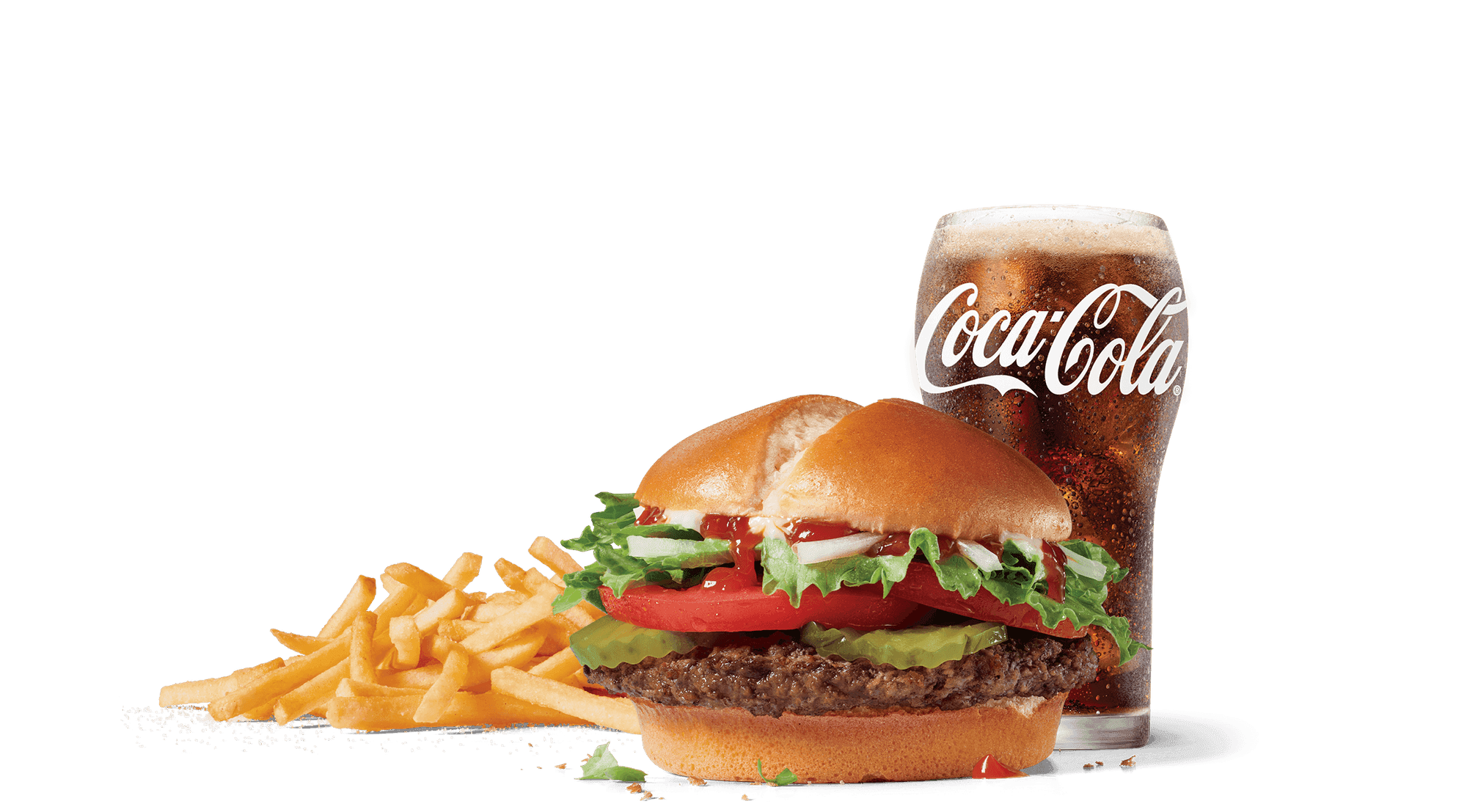
Jack in the Box's recent franchising agreements signify a successful growth trajectory for the brand. Securing a 15-unit agreement for Georgia and re-entering the Chicago market after decades demonstrate the company's ability to attract and retain franchise partners. These partnerships not only fuel unit growth but also contribute to the brand's overall market presence and profitability.
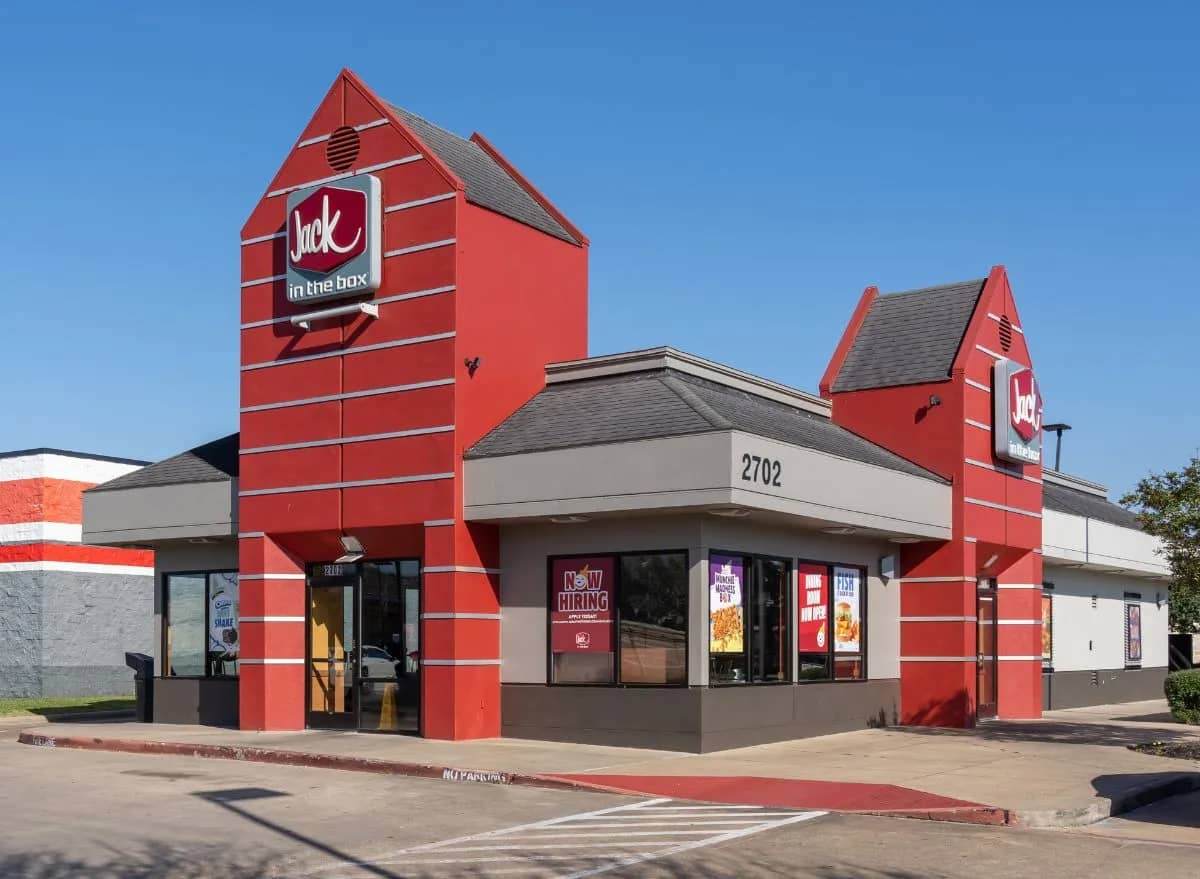
In the face of macroeconomic challenges and fluctuating market conditions, franchising can serve as a resilient strategy for QSR brands. By diversifying revenue streams and sharing operational costs with franchisees, companies like Jack in the Box can mitigate risks associated with economic uncertainty and ensure sustained growth.
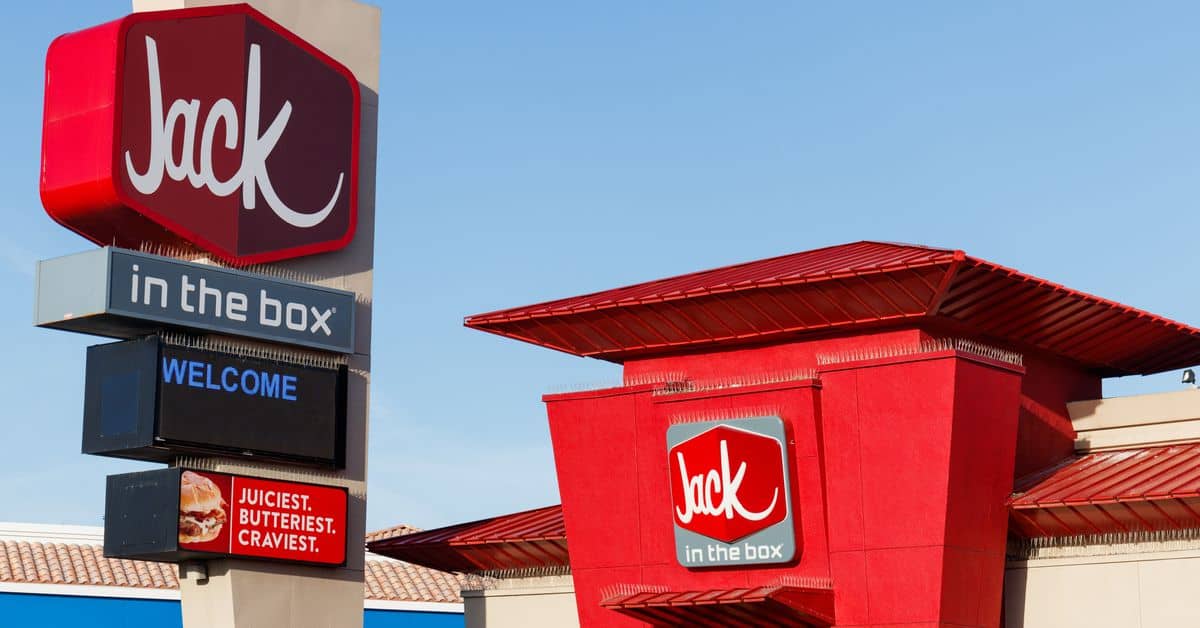
Effective leadership, as exemplified by key executives like Tucker, plays a crucial role in driving franchise success. By fostering a culture of collaboration, innovation, and continuous improvement, leaders can inspire franchisees, align strategic objectives, and propel the brand towards long-term prosperity.
Establishing strong relationships with franchise partners is essential for the success of any franchising initiative. By providing comprehensive training, ongoing support, and transparent communication, QSR brands can cultivate trust, loyalty, and mutual growth with their franchise network.
To stay competitive in a dynamic market landscape, QSR chains are exploring innovative franchising models. From revenue-sharing agreements to digital integration and sustainability initiatives, brands like Jack in the Box are redefining traditional franchising practices to drive operational efficiency and customer engagement.