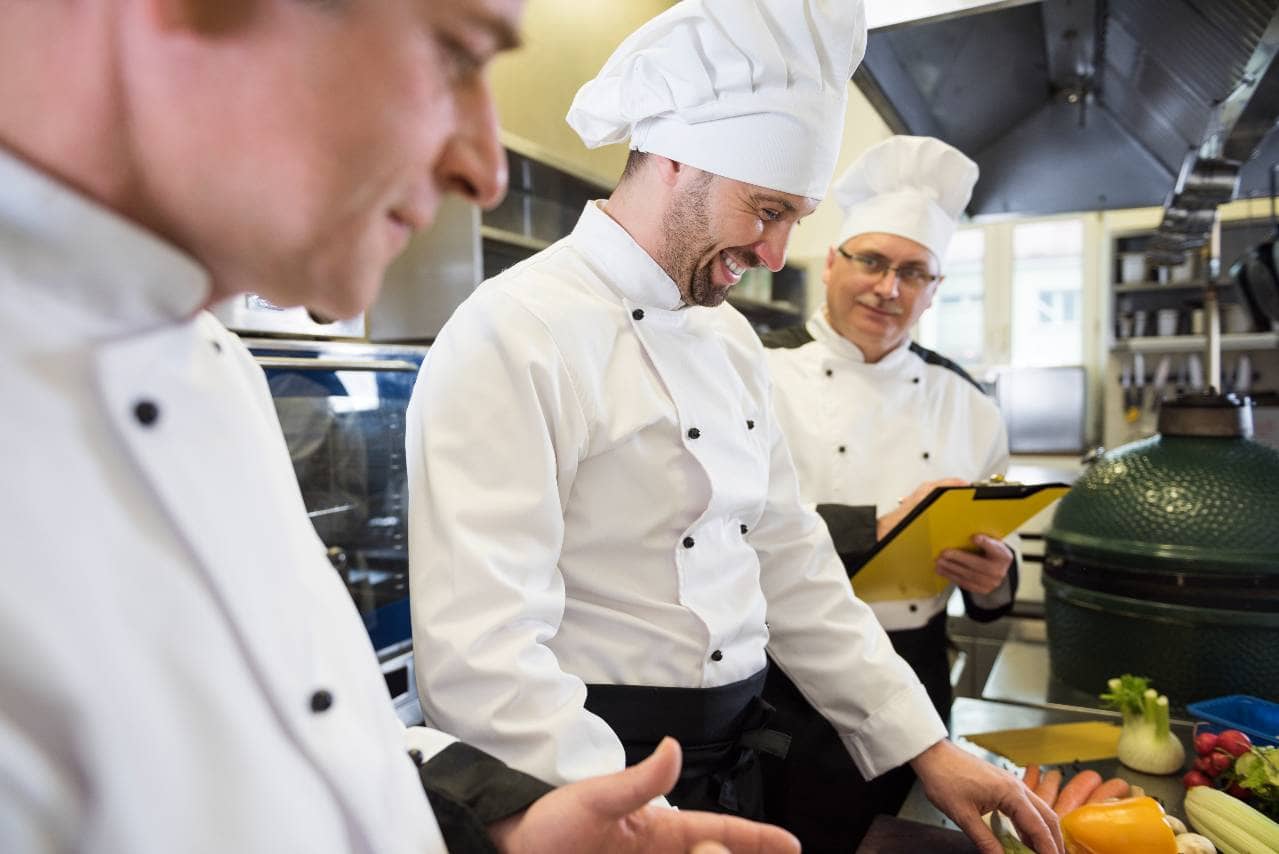
The Ultimate Guide to Restaurant Labor Management
Restaurant labor management helps owners optimize staffing, control labor costs, improve productivity, monitor overtime, and maintain efficient restaurant operations.
Back Office
Sep 2, 2026
Restaurant labor management helps owners optimize staffing, control labor costs, improve productivity, monitor overtime, and maintain efficient restaurant operations.
Sep 2, 2026
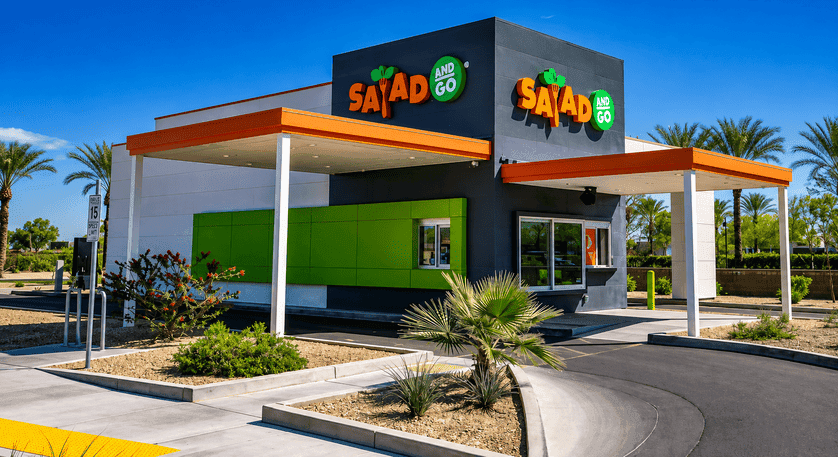
7 Brew has acquired 73 former Salad and Go locations, surpassing Dutch Bros with a $143M bid, signaling a major shift in the competitive landscape for drive-thru brands.
Sep 2, 2026
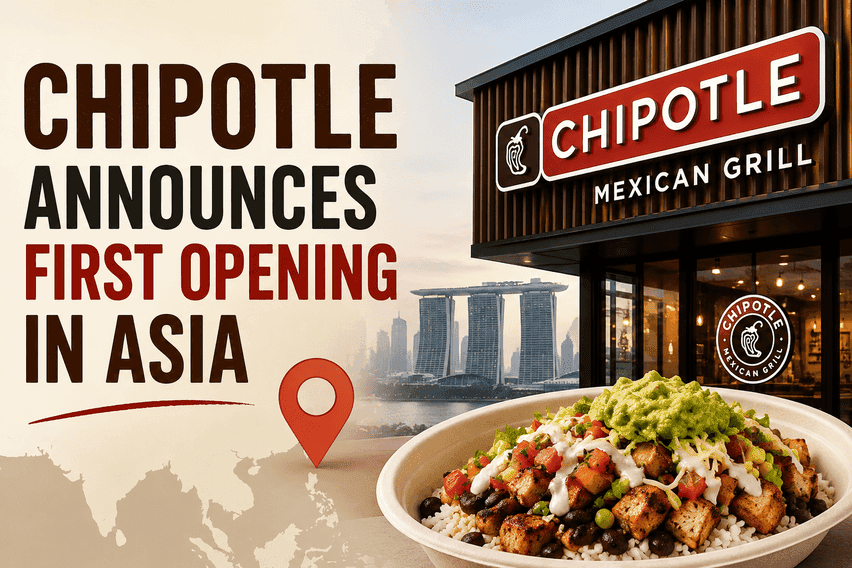
Chipotle makes its highly anticipated entry into Asia with a Seoul opening, partnering with Sangmidang Holdings and setting a template for future international growth.
Sep 2, 2026
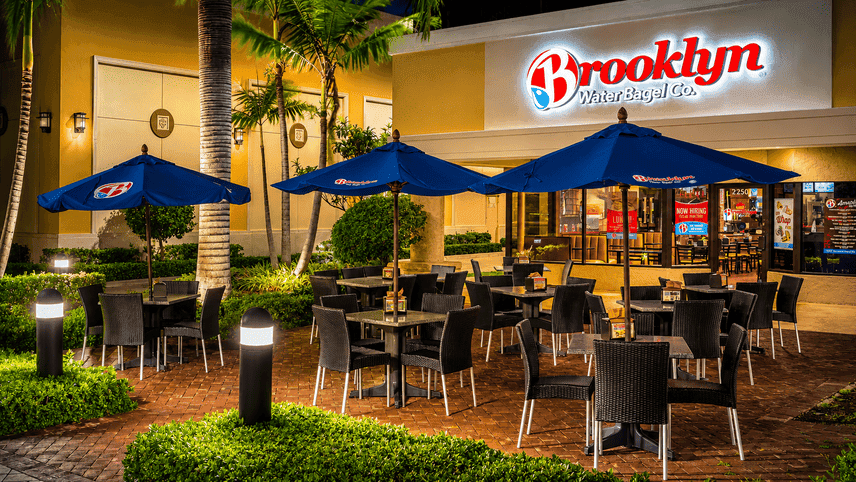
Brooklyn Water Bagel launches its first campus eatery at Nova Southeastern, signaling strategic growth and fresh potential for multi-unit operators seeking new market wins.
Sep 2, 2026
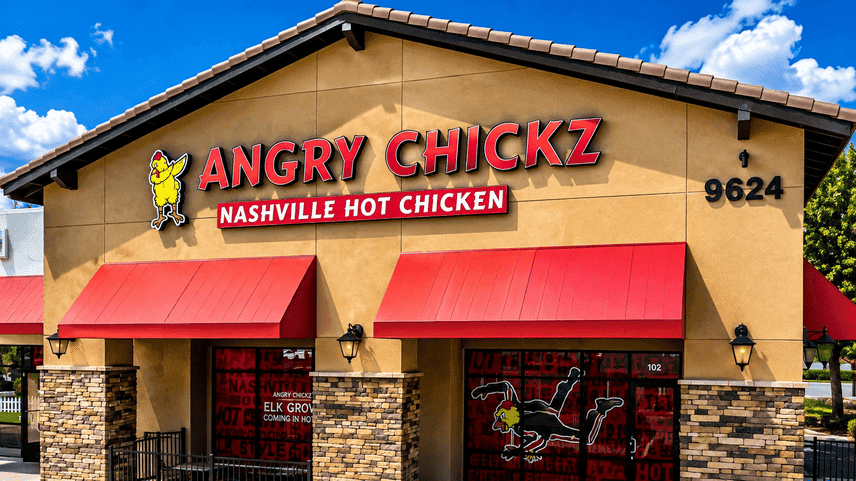
Angry Chickz enters Illinois with its signature hot chicken concept and ambitious plans for Midwest expansion, setting the stage for new franchise opportunities and community engagement.
Sep 2, 2026
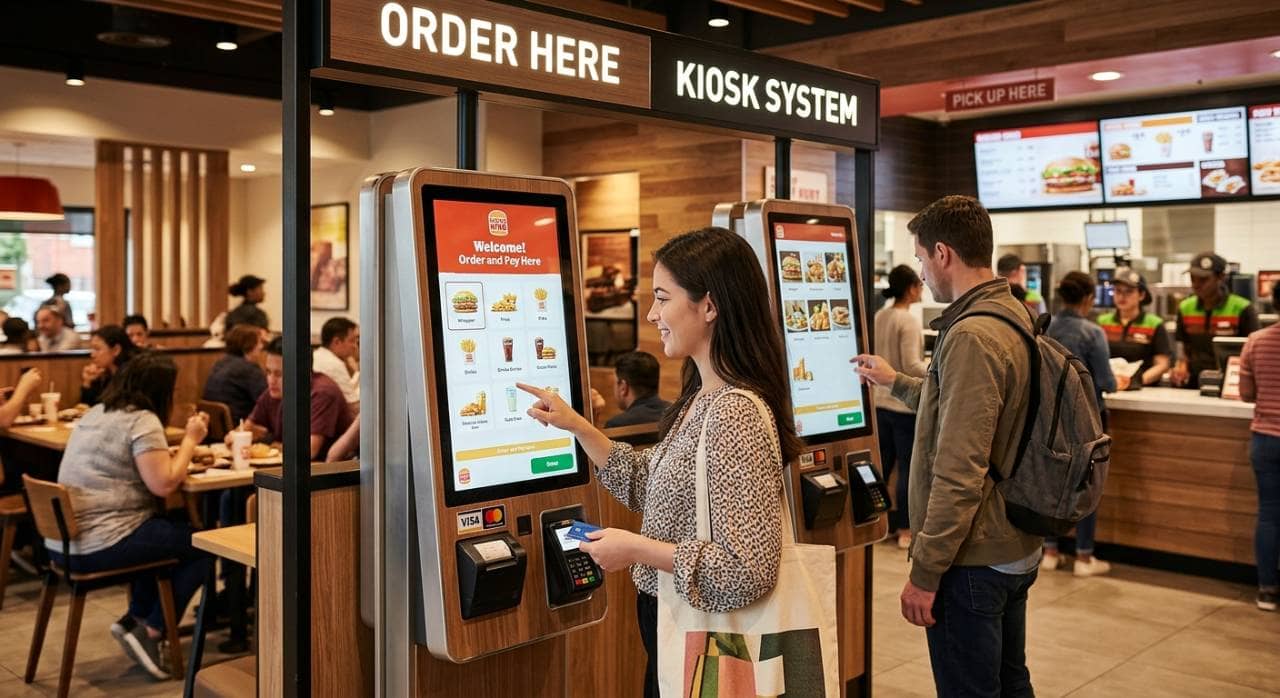
Understand how to evaluate a Kiosk system using key criteria including features, POS integration, hardware, pricing, customer experience, and support.
Aug 31, 2026

Explore restaurant technology trends in 2026, including AI, automation, digital ordering, workforce tools, connected kitchens, personalization, and profitability strategies today.
Aug 28, 2026
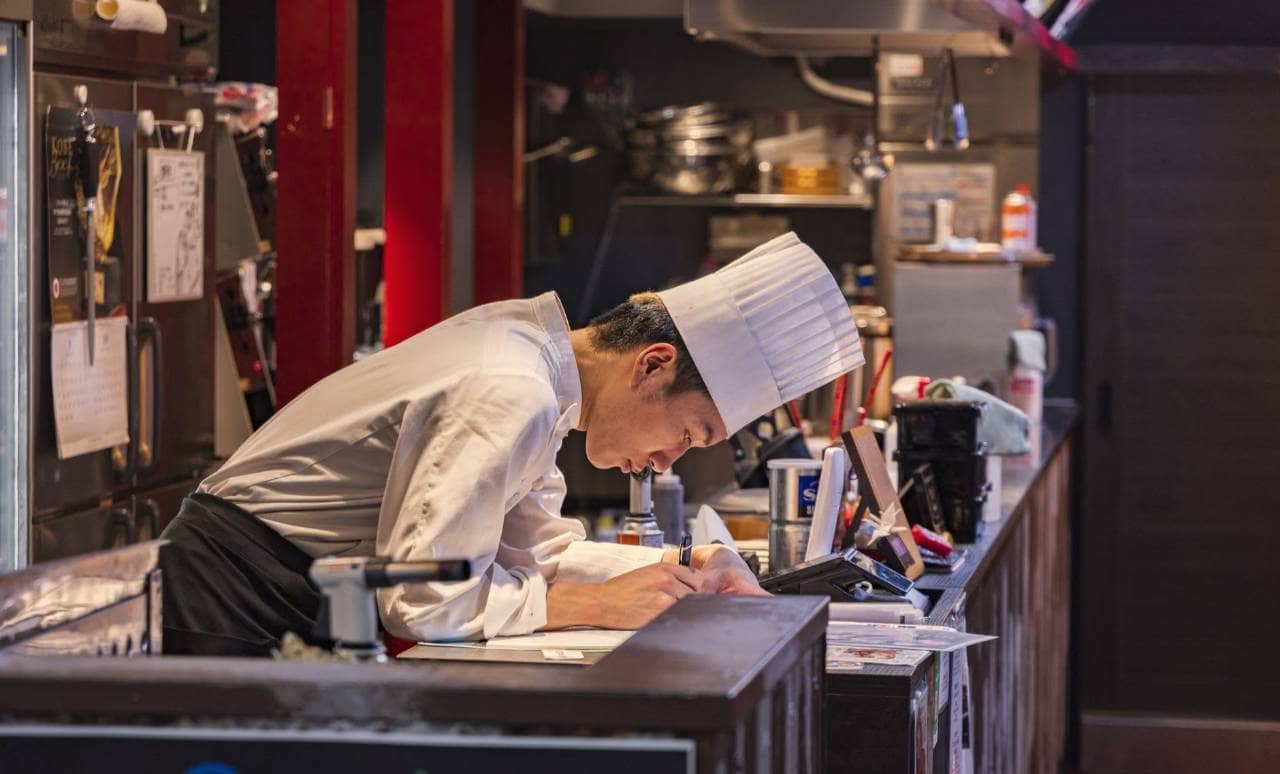
Learn how to calculate restaurant cost of goods using inventory, purchases, COGS percentage, variance reviews, and regular tracking for profitability.
Aug 31, 2026
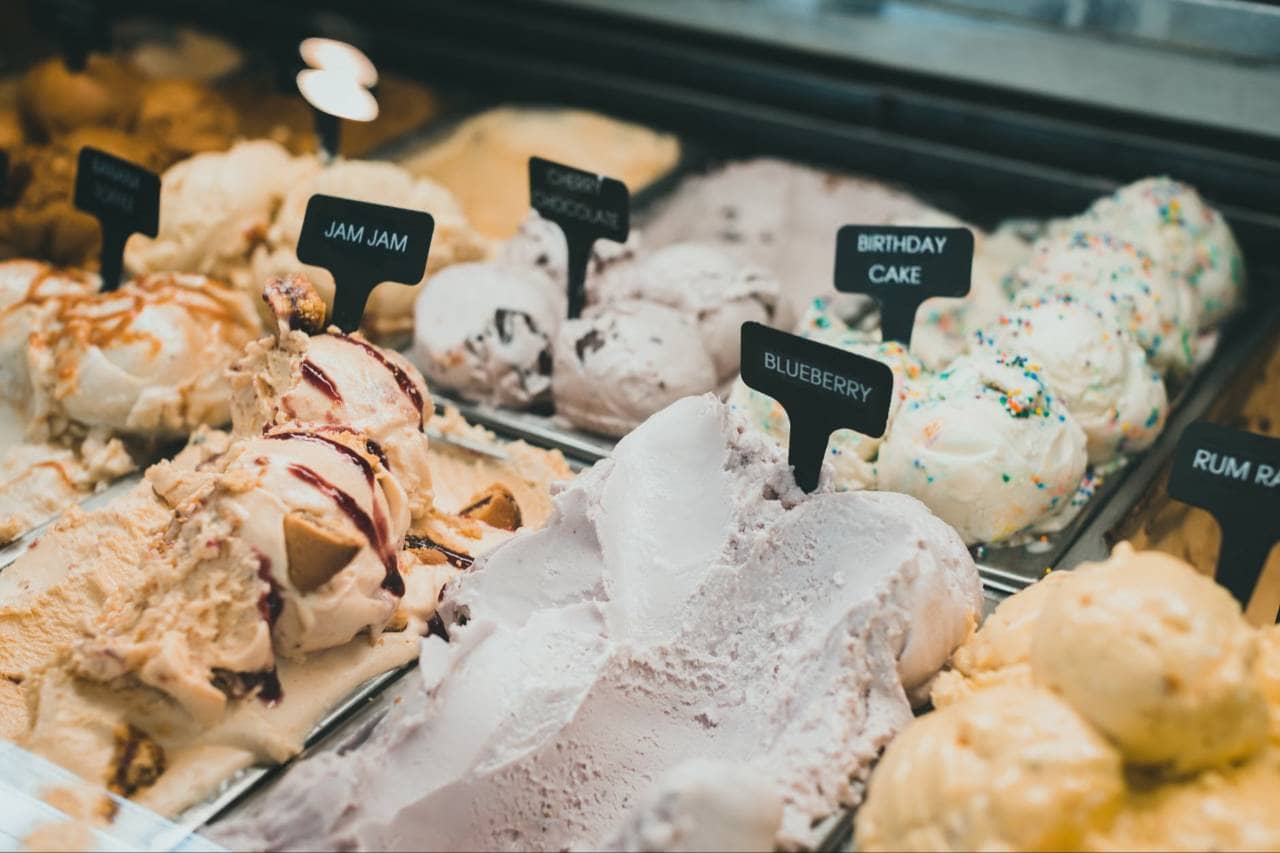
Learn the startup costs of opening an ice cream shop, including rent, equipment, renovations, permits, inventory, labor, marketing, and reserves.
Aug 28, 2026

A restaurant P&L statement reveals sales, expenses, and profits, helping owners manage costs, improve margins, and plan finances more effectively.
Aug 26, 2026

Unlock Exclusive Access To Webinars, Events, And The Latest News For Free!
Fast-casual restaurants like Just Salad are targeting health-conscious consumers at dinner and adapting menu strategies to cater to evolving consumer preferences.
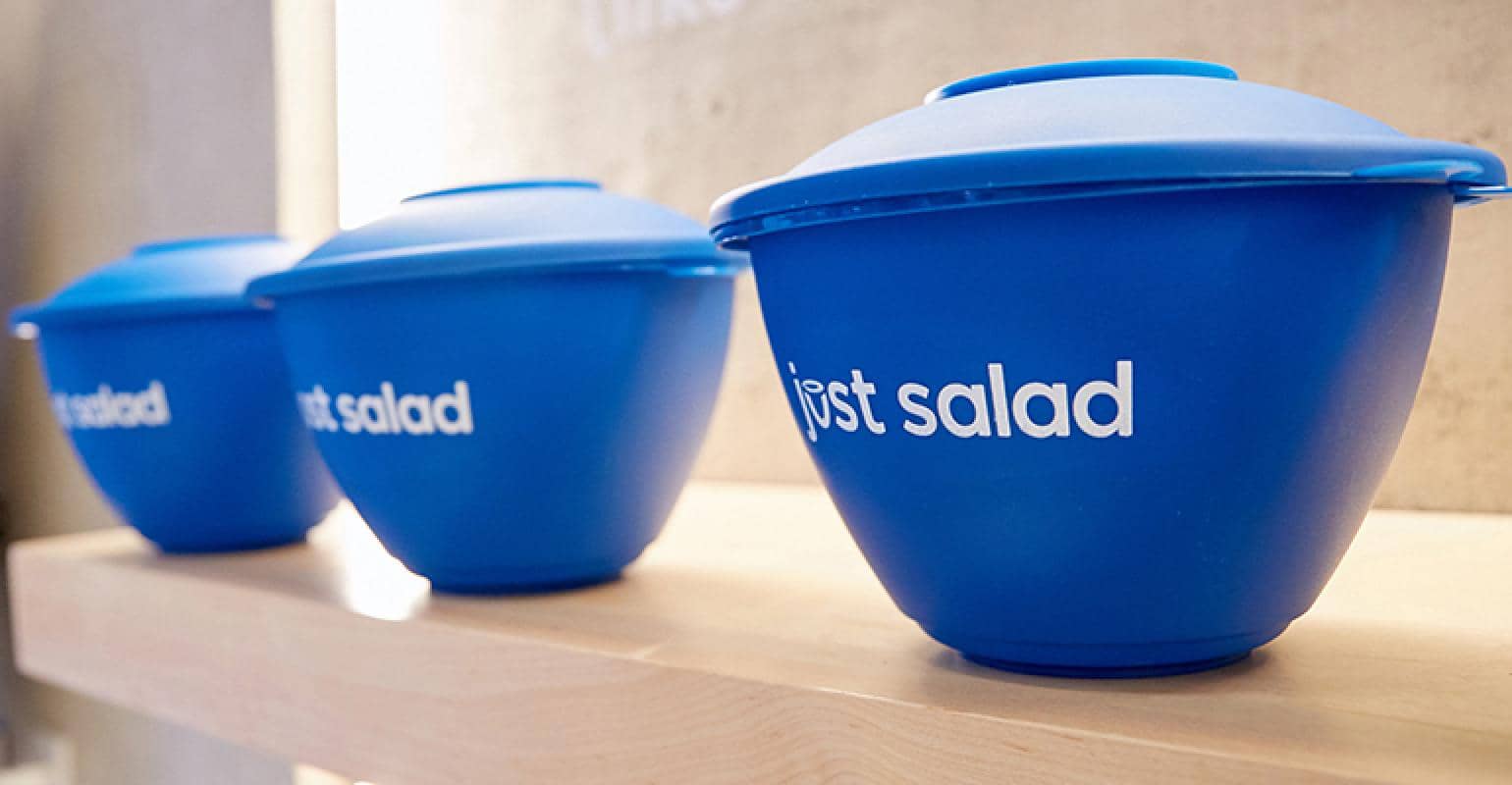
Fast-casual restaurants like Just Salad are recognizing the growing demand for healthful options among consumers, especially during dinner time. By targeting health-conscious consumers, these establishments aim to capitalize on the trend towards nutritious and protein-rich meals. This strategic shift aligns with changing consumer preferences that prioritize convenience and well-being in their dining choices. Just Salad's emphasis on plant-centric offerings resonates with the increasing number of diners seeking balance and nutrition in their meals.
The move to expand market share at dinner represents a significant growth opportunity for fast-casual salad brands traditionally associated with lunchtime offerings. By diversifying their dayparts and emphasizing dinner options, brands like Just Salad and Sweetgreen are broadening their customer base and reducing dependency on central business district consumers. This strategic expansion into suburban markets and drive-thrus reflects a shift towards catering to a more diverse range of customers and adapting to changing consumption patterns.
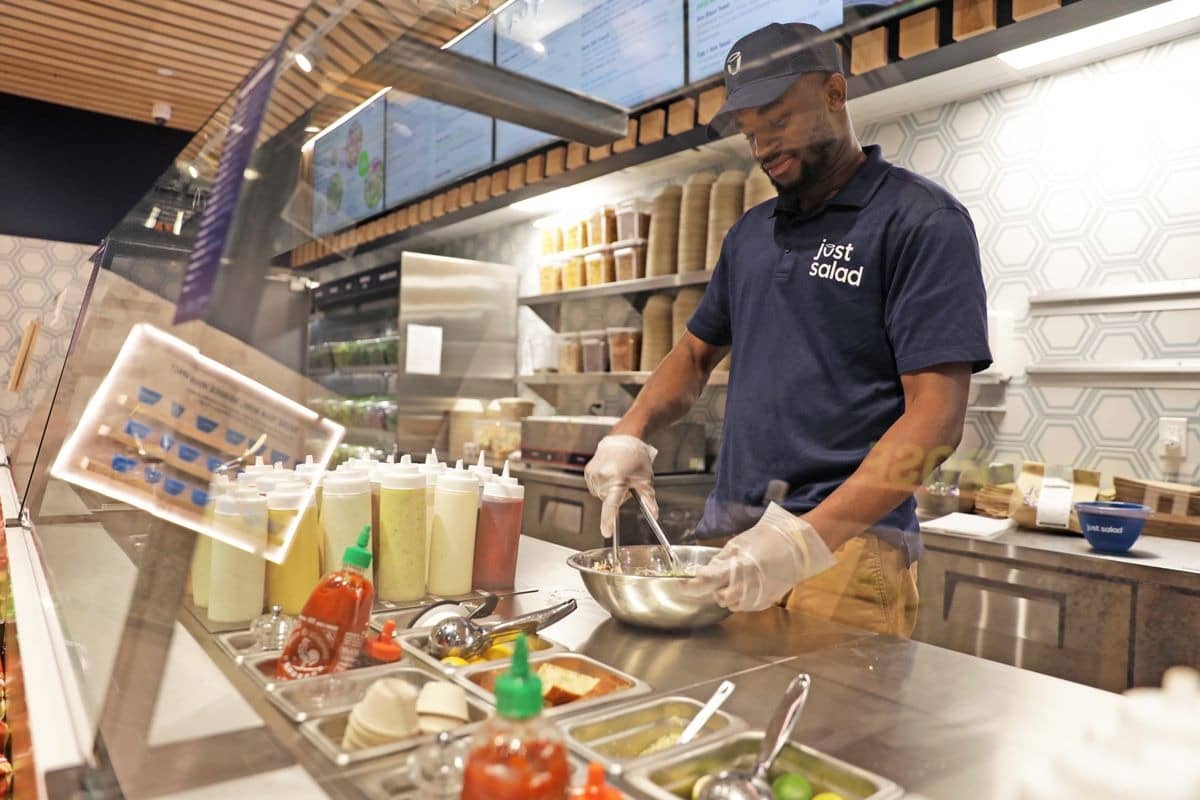
Restaurants across the industry are responding to consumer trends and increasing price sensitivity by reevaluating their menu strategies. While some brands like Just Salad and Sweetgreen are expanding their menu offerings to include more dayparts, others are streamlining their menus to focus on core competencies. This dichotomy highlights the diverse approaches taken by restaurants to attract and retain customers. By aligning their menu choices with evolving consumer preferences, restaurants can stay competitive and relevant in a crowded market.
Successful fast-casual brands are proactively adapting their brand strategies to stay ahead of changing consumer expectations. For instance, Starbucks is simplifying its menu to refocus on coffee-centric offerings, catering to its core strengths and brand identity. Similarly, Papa John’s is doubling down on its signature pizzas to reinforce its brand positioning. By staying true to their unique value propositions and understanding consumer needs, brands can maintain their competitive edge and drive growth in a dynamic industry landscape.