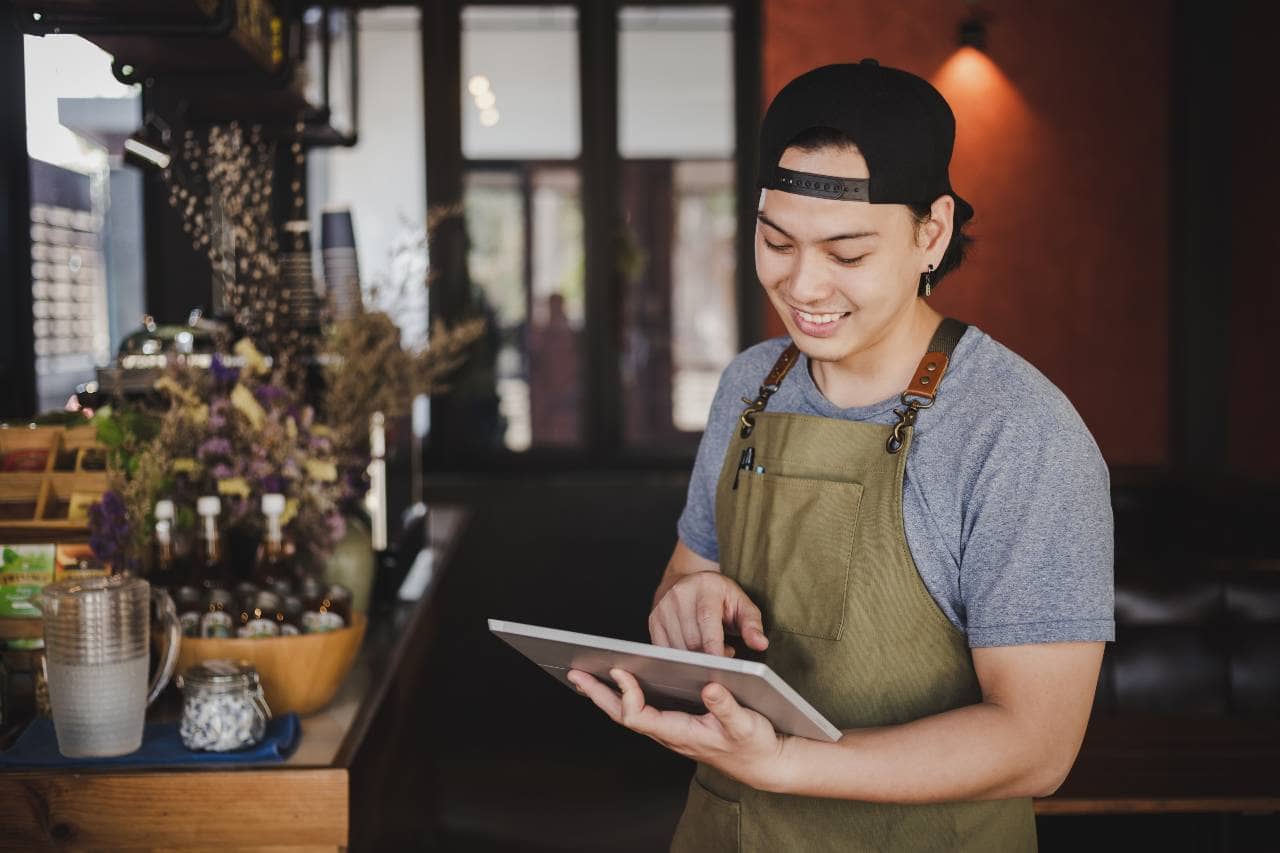
Restaurant Technology Trends in 2026
Explore restaurant technology trends in 2026, including AI, automation, digital ordering, workforce tools, connected kitchens, personalization, and profitability strategies today.
Technology
Aug 28, 2026
Explore restaurant technology trends in 2026, including AI, automation, digital ordering, workforce tools, connected kitchens, personalization, and profitability strategies today.
Aug 28, 2026
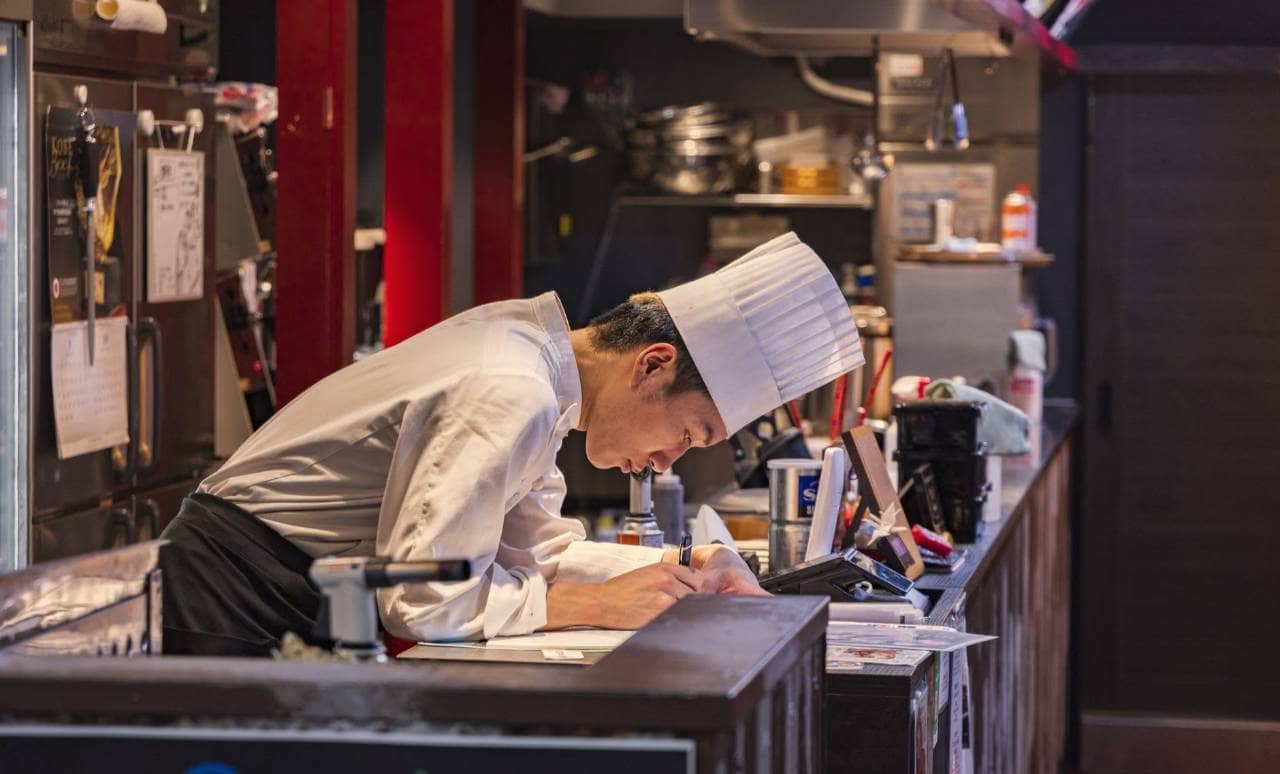
Learn how to calculate restaurant cost of goods using inventory, purchases, COGS percentage, variance reviews, and regular tracking for profitability.
Aug 31, 2026
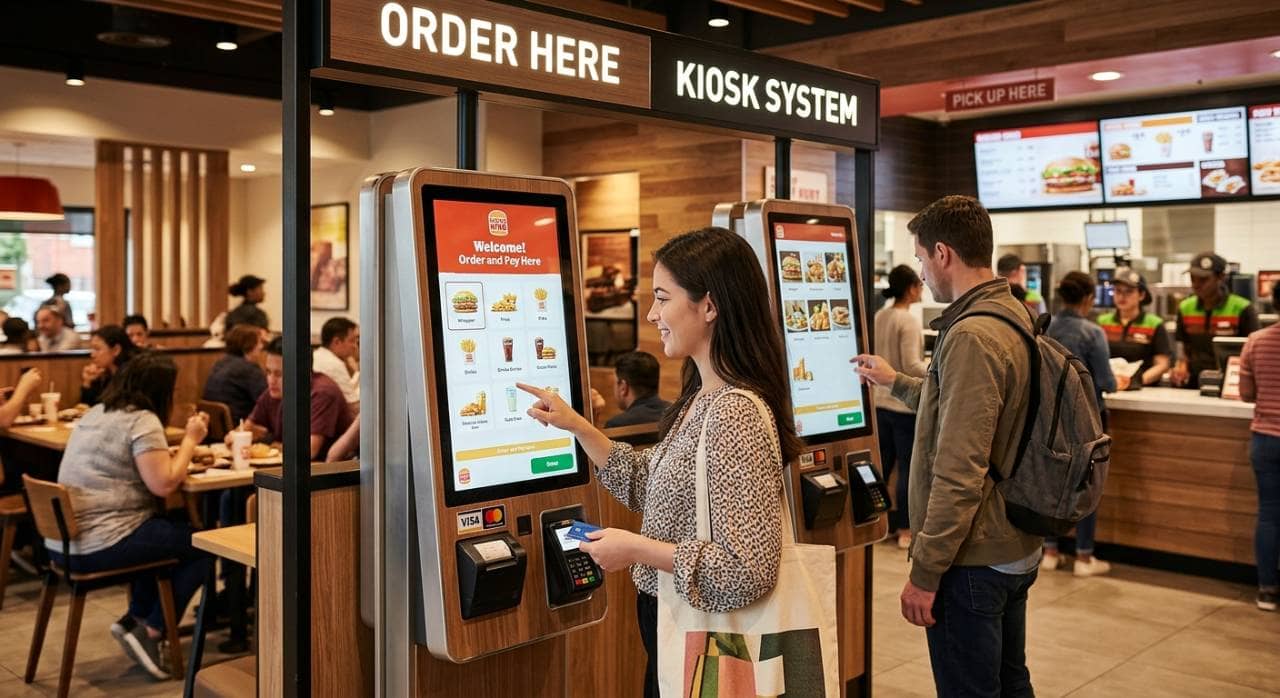
Understand how to evaluate a Kiosk system using key criteria including features, POS integration, hardware, pricing, customer experience, and support.
Aug 31, 2026
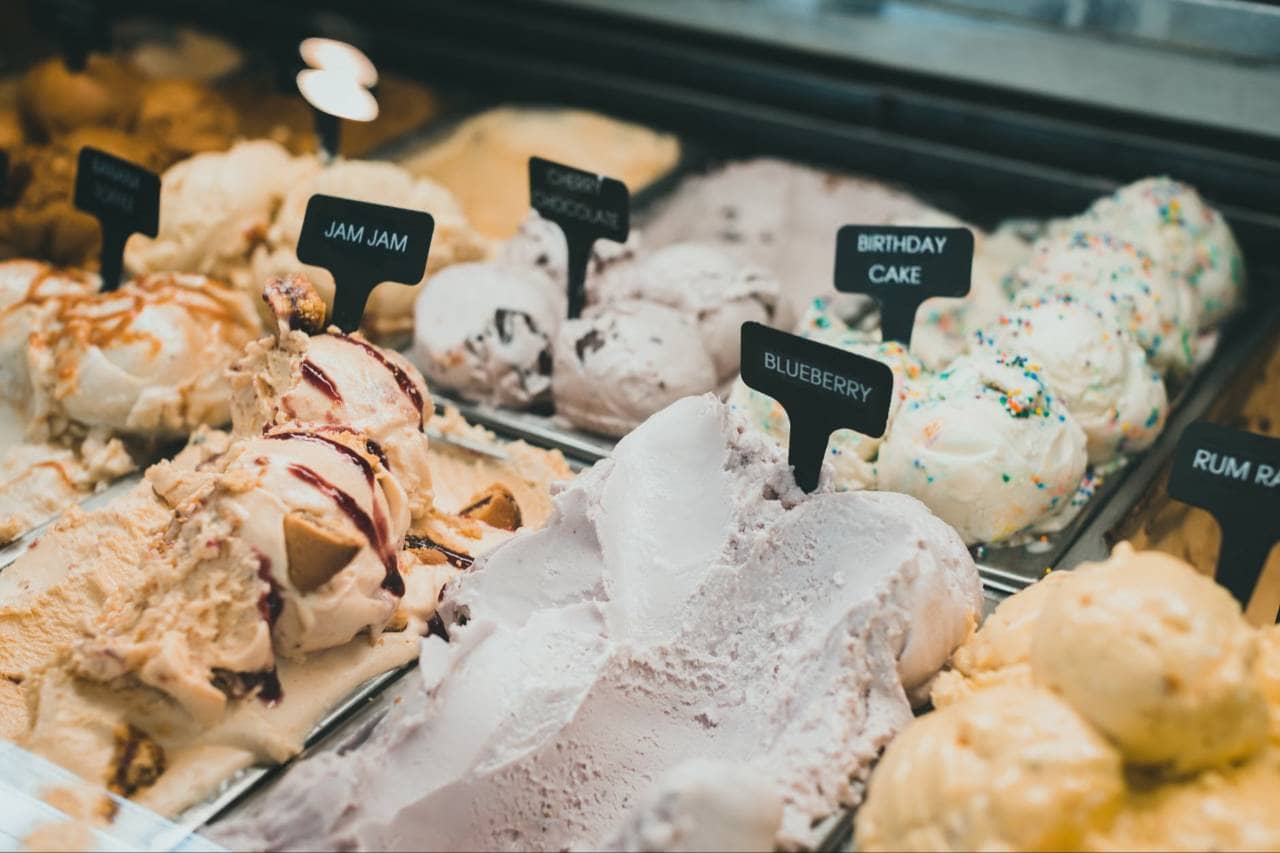
Learn the startup costs of opening an ice cream shop, including rent, equipment, renovations, permits, inventory, labor, marketing, and reserves.
Aug 28, 2026

A restaurant P&L statement reveals sales, expenses, and profits, helping owners manage costs, improve margins, and plan finances more effectively.
Aug 26, 2026
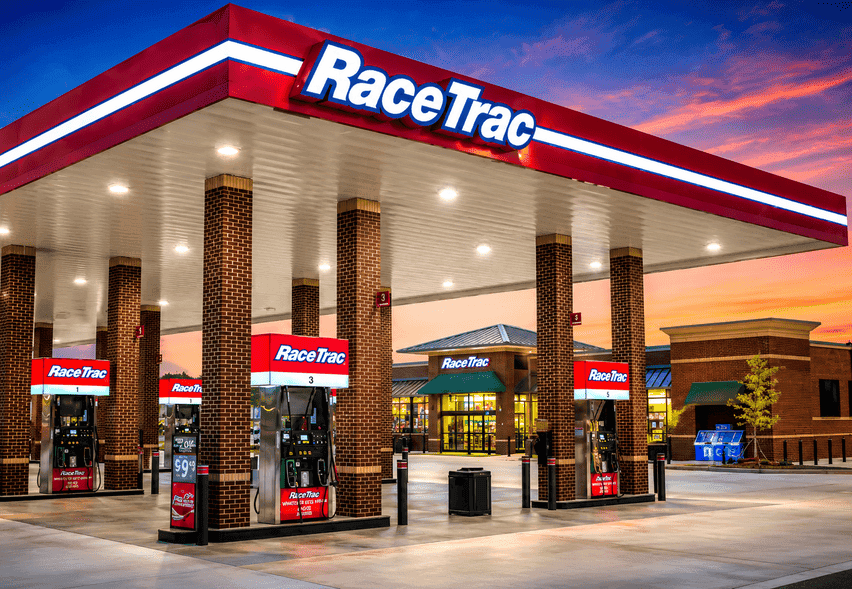
RaceTrac has appointed Jill Pemberton as chief financial officer, succeeding Karla Ahlert, who moves into the newly created role of chief administrative officer.
Aug 26, 2026
Learn practical ways to reduce labour costs through smarter scheduling, forecasting, productivity, cross-training, automation, overtime control, and performance monitoring strategies.
Aug 26, 2026

Levain Bakery appoints Lorna Sommerville and Taya Stenson as co-CEOs, blending operational and marketing expertise to power national expansion and innovation while staying rooted in its brand values.
Aug 25, 2026

Blaze Pizza welcomes Tracy Stockard as Chief Marketing Officer, bringing decades of brand and franchise experience to drive strategic growth and guest engagement.
Aug 25, 2026

Create a practical restaurant marketing plan by setting goals, targeting customers, choosing channels, budgeting wisely, scheduling campaigns, and measuring results.
Aug 24, 2026

Unlock Exclusive Access To Webinars, Events, And The Latest News For Free!
Discover how autonomous robots are revolutionizing food delivery services through partnerships like Uber Eats and Serve. Explore the impact on efficiency, sustainability, and consumer experience.

Photo by CardMapr.nl

Photo by CardMapr.nl
The integration of autonomous robots in the food delivery industry represents a significant advancement in logistics and technology. Companies like Serve, with its ambitious plan to deploy 2,000 robots across the U.S. in partnership with Uber Eats, are at the forefront of this transformation. By leveraging robotic technology, these companies aim to enhance delivery speed, accuracy, and cost-efficiency.

Photo by CardMapr.nl
One of the key advantages of autonomous robot delivery systems is the potential for increased efficiency. These robots can navigate through urban environments and traffic more effectively, reducing delivery times. Moreover, by reducing the number of cars on the road for deliveries, these robots contribute to a decrease in traffic congestion and lower greenhouse gas emissions, aligning with environmental sustainability goals.
Strategic collaborations between food delivery platforms like Uber Eats and autonomous robot providers such as Serve are shaping the future of the industry. The expansion of robotic delivery services into new markets like Atlanta signifies the growing importance of this technology. By working together, these companies can enhance the overall delivery experience for customers while exploring new avenues for growth and expansion.

Photo by CardMapr.nl
Serve's approach to customizing robots for Uber Eats' specific food delivery requirements showcases a commitment to seamless integration and operational efficiency. The development of larger and faster robot models demonstrates Serve's dedication to meeting the evolving needs of its partners and customers. This tailored approach not only enhances delivery capabilities but also sets a precedent for future innovations in the industry.
The partnership between Uber Eats and Serve is a clear indicator of the industry-wide trend towards autonomous delivery solutions. Other partnerships like the one with Avride in Austin, Texas, and collaborations with companies like Coco and Cartken signify a broader shift towards embracing technology to optimize food delivery services. As more players enter the autonomous delivery space, we can expect further innovations and improvements in the overall delivery ecosystem.