
Wingstop’s Expansion Runs Hot as Comps Cool
Wingstop adds 382 U.S. units to 3,056 total as comps dip; 2026 outlook hinges on loyalty, Smart Kitchen, and category tailwinds.
news
Jul 20, 2026
Wingstop adds 382 U.S. units to 3,056 total as comps dip; 2026 outlook hinges on loyalty, Smart Kitchen, and category tailwinds.
Jul 20, 2026

Topgolf Media Networks turns 100+ venues into an ad platform with 42M visits and 28,000 screens, tapping retail media tactics for measurable brand activations.
Jul 20, 2026
Domino’s leverages rising order volumes to boost revenue and market share despite industry challenges in Q2 2026, offering key lessons for restaurant owners.
Jul 20, 2026
Discover how Fresh off the Boat in Santa Ana has built a thriving, health-focused Mexican-Mediterranean fusion restaurant. Explore operational insights, business strategies, and the customer experience that set this unique concept apart.
Jul 20, 2026
If your restaurant is busy but profits feel thin, food cost is usually the first place to look. Not because it is always the problem, but because it is the most controllable variable in your P&L.
Jul 20, 2026
Burger King launches its “Your Way Champion” managerial role, focusing on guest experience, order customization, and staff engagement. Restaurant operators can glean insights for elevating hospitality in their own venues.
Jul 20, 2026
Thomas Keller Restaurant Group will pay $2M to settle an EEOC harassment and retaliation case tied to Bouchon Las Vegas, closing a long-running action from 2018.
Jul 19, 2026

Fresh Kitchen names Bill Knopf and Matt Livingston to lead operations and development as the clean-label bowl brand targets growth beyond 100 locations.
Jul 18, 2026

Hardee’s franchisee Superior Star filed Chapter 11 after a 2023 deal revealed unpaid taxes, costly repairs, and lease burdens; plans to reject leases and refocus.
Jul 18, 2026

Cinnabon posted a net gain of 308 U.S. units in 2025 and launched Seattle’s Best Coffee in 2026 to boost beverage mix, margins, and franchise-driven expansion.
Jul 18, 2026
Learn about the latest scams targeting restaurants and how to protect your business from financial losses.

What if one small mistake during a busy dinner rush could cost your restaurant $10,000, overnight?
And not because of bad food, poor service, or a tax error... but because of a scam so convincing that even your most trusted manager gets fooled?
The restaurant industry is under attack, not just from fierce competition, inflation, or supply chain chaos, but from a brand new breed of scammers. These aren’t the obvious “Nigerian prince” emails you laugh off. Today’s scams look completely legitimate - emails from your regular vendors, urgent calls from the “utility company,” or even text messages from your own “boss.” Fast, targeted, and tailor-made for the way restaurants operate, these scams can drain your accounts or destroy your reputation, before you realize what’s happened.
But the good news? You can stop them, all it takes is the right awareness, simple checks, and a united team.
In this blog, we’ll reveal the top restaurant scams hitting the industry right now, show how they succeed, and, most importantly, outline exactly what to do to keep your money and reputation safe.
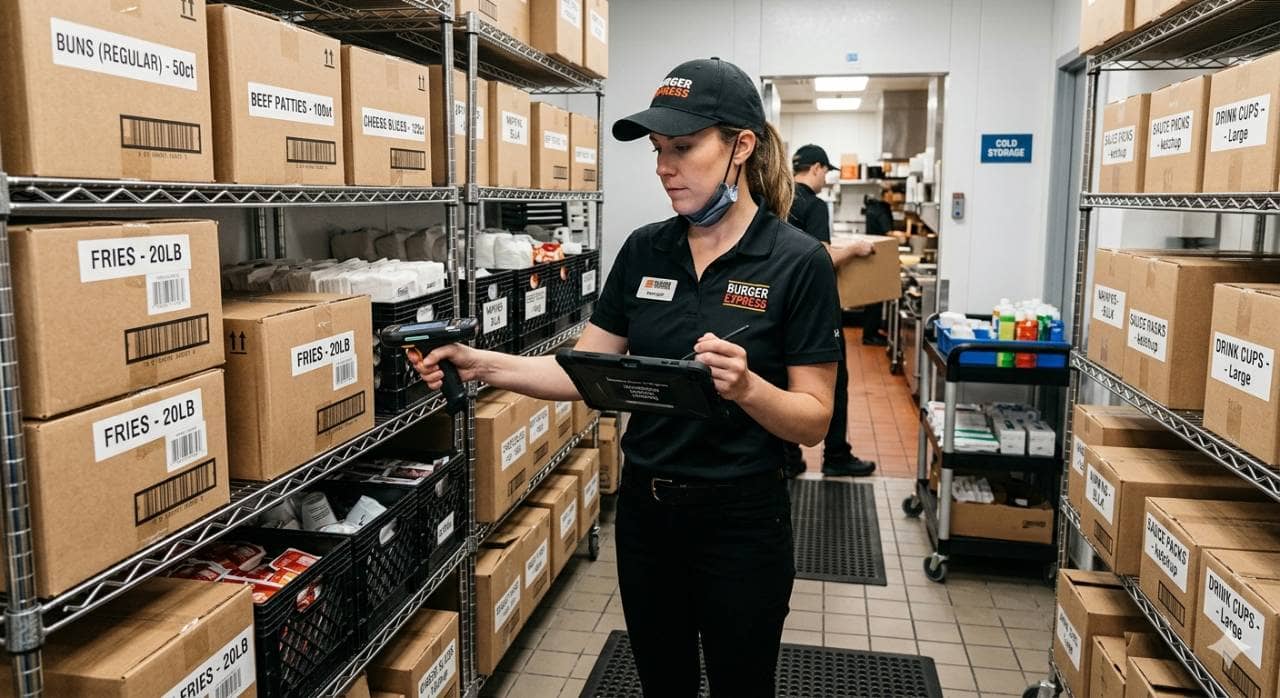
According to Speaker A, restaurants are uniquely vulnerable -
Fast-paced, high-pressure environments
Decisions often made quickly, even by junior or new staff
Dozens or hundreds of invoices, deliveries, and payments processed every week
Team members working under stress, especially during peak hours
Scammers exploit these realities with tricks that blend into your daily operations, knowing that urgency and confusion create opportunities for theft.
Picture this -
Your manager receives an email from your longtime food distributor...
Same logo. Same signature. Friendly greeting.
“We’ve updated our bank details. Please use the new account for future payments.”
Nothing looks off. The team changes the payment info.
A week later? $8,000 is gone, sent directly to a scammer.
How Does This Scam Work?
This is business email compromise. Criminals spoof (fake) or hack a real vendor’s email and patiently wait for the right time to strike. The message looks exactly like what you’d expect...except your money goes to a thief’s account.
Red Flags -
Slightly altered email addresses (example - @vendor-com instead of @vendor.com)
“Urgent” tone about payment or bank detail changes
Requests to update payment info without a phone call or other verification
What To Do Immediately -
Never change payment details based on email alone.
Always call your vendor using a known, official phone number (NOT the one in the email!) to verify any change.
Train staff - No exceptions, even if the request is urgent.
A delivery shows up. Your team assumes it’s part of a regular order.
Later, a convincing invoice arrives. The vendor name looks familiar, and the bill is approved and paid.
Except... you never ordered it.
Why This Scam Succeeds
Restaurants process dozens (sometimes hundreds) of invoices weekly. Scammers rely on the sheer volume and the chaos of busy shifts to slip their fake charges through.
Red Flags -
No purchase order (PO) or documentation
Vague charges or generic descriptions (“Foodservice Supplies” instead of specifics)
Vendor name slightly different or unfamiliar
What To Do Immediately -
Require that every payment matches a valid PO, confirmed delivery, and approved invoice.
If you didn't order it, you don't pay for it.
Set up a simple checklist -
Does the bill match a real order?
Did we actually receive the products?
Is the invoice approved by a manager who knows the order?
A nightmare scenario -
It’s the dinner rush, your phone rings.
“This is your gas company. Your payment’s overdue. If you don’t pay now, we’re shutting off your service in 30 minutes.”
Your manager panics. The dining room’s full. Out of fear, they pay, and the money vanishes.
How This Works
Scammers impersonate utility companies and always call during peak hours when you’re stressed and distracted. The goal? Force you to make a quick, irreversible payment (often via gift cards or wire transfer).
Red Flags -
Demand for immediate payment, especially with threats
Requests for gift cards, wire transfers, or prepaid debit payments
Unfamiliar caller ID or refusal to provide details
What To Do Immediately -
Hang up.
Call your real utility provider using the official contact you have on file (from an old bill, not the caller).
Never provide payment during an inbound call.
A text message pings your employee -
“Hey, I need a quick favor. Buy $500 in gift cards and send me the codes. Don’t tell anyone.”
It looks like it’s from the owner, the number is only ONE digit off. Your employee, eager to help, scrambles to comply.
Just like that, hundreds of dollars are gone forever.
Why Does It Work?
This scam preys on chain of command (the “boss”), urgency, and confidentiality (“don’t tell anyone”).
Red Flags -
Urgent requests for gift cards, especially via text or unfamiliar apps
Instructions to keep it confidential
Slightly off wording or grammar
What To Do Immediately -
Establish a strict rule - No one is to buy gift cards (for any reason) without a direct, face-to-face or phone confirmation from the authorized manager/owner.
Always verify requests through another channel.
A chilling message hits your inbox -
“Pay us or we’ll post negative reviews about your restaurant across every platform.”
In today’s digital world, the threat is real - bad reviews can instantly destroy trust, and impact revenue.
How This Works
These are coordinated scams, often targeting several restaurants at once. The complaints are generic; the threat is massive, unless you pay up.
Red Flags -
Requests for money linked directly to removing or avoiding bad reviews
Threats of mass posting using bots or fake accounts
No details about a real visit or specific complaint
What To Do Immediately -
Document everything.
Report the extortion attempt to the platform (Google, Yelp, TripAdvisor, etc), they have special procedures for “review bombing.”
Never pay. It encourages more attacks and doesn’t guarantee they’ll stop.
As Speaker A reveals at 04 - 19, every scam follows a familiar pattern -
Urgency. Pressure. Confusion.
Most financial losses aren’t because your team is careless, but because someone acted fast under stress, without verifying.
Three Rules Every Restaurant Must Follow -
Never change payment info based on email, always confirm by phone.
Don’t pay any invoice that doesn’t match a real purchase order and received goods.
No urgent payments (especially via gift cards or wire) without in-person or voice verification from a known contact.
And above all?
Train your staff. In a fast-moving restaurant, your systems are only as strong as your people.
Simple Tech Tools That Help
Two-step approval for all payments (especially new vendors or bank changes)
Dedicated email filters for vendor invoices and payment communications
Fraud alerts on your business bank account
Scams are getting more sophisticated, but your defense doesn’t need to be, stick to basic, repeatable steps.
Stop. Verify. Then Act.
Empower your team with short training, regular huddles, and clear procedures.
For more insights, checklists, and free resources to keep your restaurant safe, visit restaurantassociation.com to claim your free membership and download our Restaurant Fraud Toolkit.
Stay sharp, don’t let scammers steal your hard-earned success!
