
How to Calculate Cost of Goods Sold for a Restaurant
Learn how to calculate restaurant cost of goods using inventory, purchases, COGS percentage, variance reviews, and regular tracking for profitability.
Accounting
Aug 31, 2026
Learn how to calculate restaurant cost of goods using inventory, purchases, COGS percentage, variance reviews, and regular tracking for profitability.
Aug 31, 2026
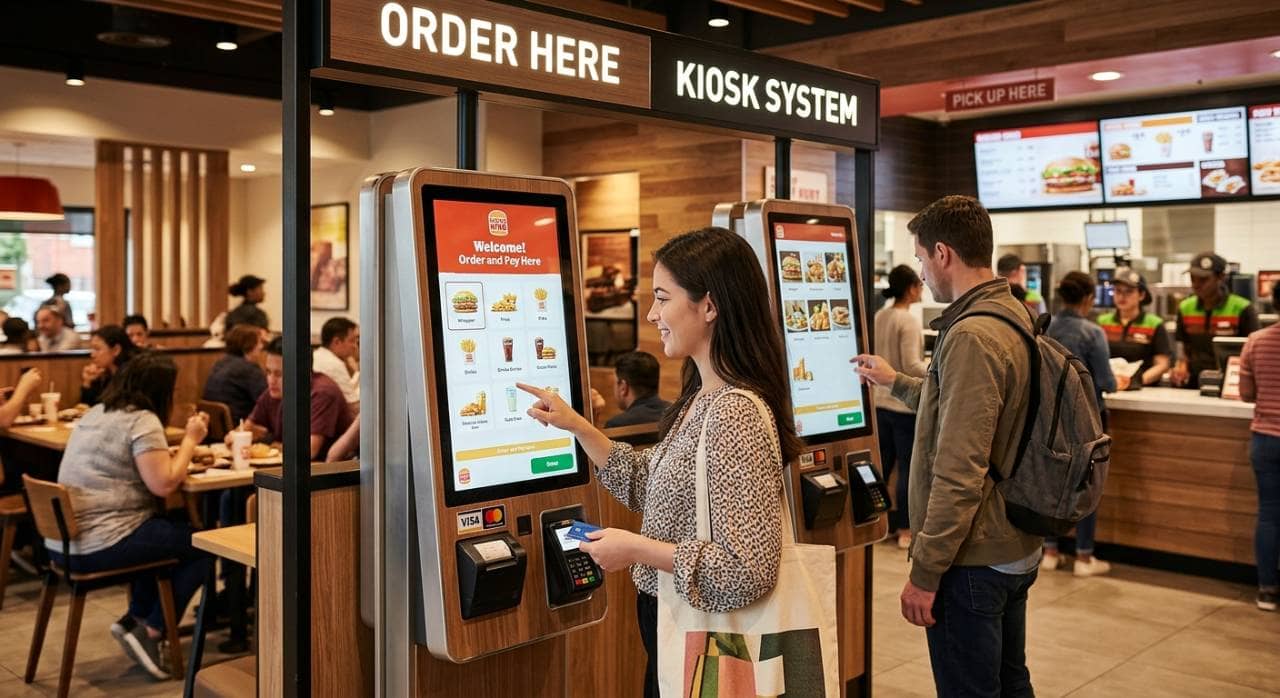
Understand how to evaluate a Kiosk system using key criteria including features, POS integration, hardware, pricing, customer experience, and support.
Aug 31, 2026

Explore restaurant technology trends in 2026, including AI, automation, digital ordering, workforce tools, connected kitchens, personalization, and profitability strategies today.
Aug 28, 2026

Learn the startup costs of opening an ice cream shop, including rent, equipment, renovations, permits, inventory, labor, marketing, and reserves.
Aug 28, 2026
RaceTrac has appointed Jill Pemberton as chief financial officer, succeeding Karla Ahlert, who moves into the newly created role of chief administrative officer.
Aug 26, 2026

A restaurant P&L statement reveals sales, expenses, and profits, helping owners manage costs, improve margins, and plan finances more effectively.
Aug 26, 2026

Learn practical ways to reduce labour costs through smarter scheduling, forecasting, productivity, cross-training, automation, overtime control, and performance monitoring strategies.
Aug 26, 2026

A payroll advance policy helps restaurant owners define eligibility, limits, repayment, documentation, approval procedures, and compliance requirements for employee advances.
Aug 24, 2026

Blaze Pizza welcomes Tracy Stockard as Chief Marketing Officer, bringing decades of brand and franchise experience to drive strategic growth and guest engagement.
Aug 25, 2026

Create a practical restaurant marketing plan by setting goals, targeting customers, choosing channels, budgeting wisely, scheduling campaigns, and measuring results.
Aug 24, 2026

Unlock Exclusive Access To Webinars, Events, And The Latest News For Free!
Exploring the challenges and opportunities of AI in relation to data privacy.

Photo by Andrew Neel
Artificial Intelligence (AI) has rapidly transformed various industries, offering innovative solutions and automation capabilities. However, this technological advancement also raises concerns regarding data privacy. The increasing use of AI applications, especially in handling vast amounts of sensitive user data, has brought attention to the challenges and risks associated with maintaining data privacy and security.

Photo by Andrew Neel
One of the primary challenges of AI in data privacy is the collection and utilization of personal data. AI models require substantial amounts of data to train effectively, leading to potential privacy breaches if not handled responsibly. Issues such as unauthorized access, data leaks, and algorithmic biases further complicate the landscape of data privacy in the AI era.
To address the challenges posed by AI in data privacy, organizations and policymakers are implementing various measures. Data anonymization techniques, encryption methods, and stringent data access controls are crucial in safeguarding user information. Transparent data policies, regular audits, and accountability frameworks play a pivotal role in ensuring compliance with data privacy regulations.

Photo by Andrew Neel
Despite the challenges, AI also presents opportunities to enhance data privacy. Advanced AI algorithms can detect and mitigate security threats, identify vulnerabilities, and enhance data protection measures. With the integration of privacy-by-design principles, AI systems can be developed to prioritize data privacy from the initial stages of development, fostering a more secure and privacy-conscious environment.