
Restaurant Technology Trends in 2026
Explore restaurant technology trends in 2026, including AI, automation, digital ordering, workforce tools, connected kitchens, personalization, and profitability strategies today.
Technology
Aug 28, 2026
Explore restaurant technology trends in 2026, including AI, automation, digital ordering, workforce tools, connected kitchens, personalization, and profitability strategies today.
Aug 28, 2026
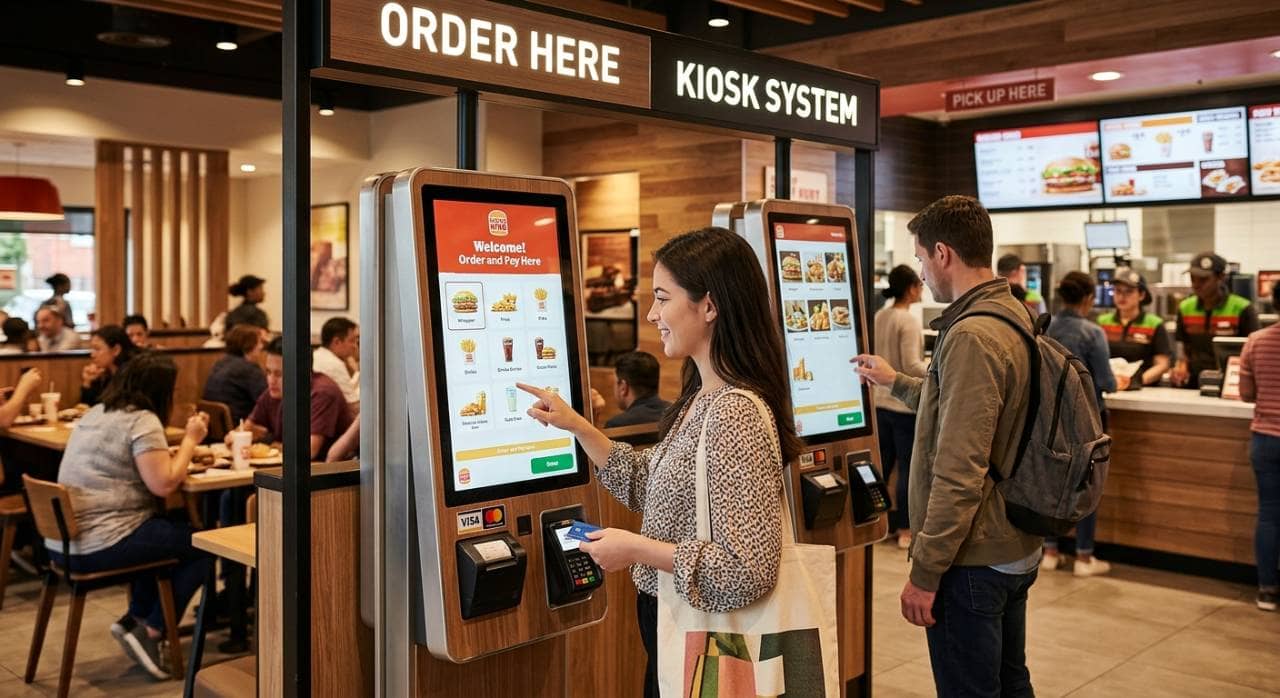
Understand how to evaluate a Kiosk system using key criteria including features, POS integration, hardware, pricing, customer experience, and support.
Aug 31, 2026

Learn how to calculate restaurant cost of goods using inventory, purchases, COGS percentage, variance reviews, and regular tracking for profitability.
Aug 31, 2026

Learn the startup costs of opening an ice cream shop, including rent, equipment, renovations, permits, inventory, labor, marketing, and reserves.
Aug 28, 2026

A restaurant P&L statement reveals sales, expenses, and profits, helping owners manage costs, improve margins, and plan finances more effectively.
Aug 26, 2026

Learn practical ways to reduce labour costs through smarter scheduling, forecasting, productivity, cross-training, automation, overtime control, and performance monitoring strategies.
Aug 26, 2026
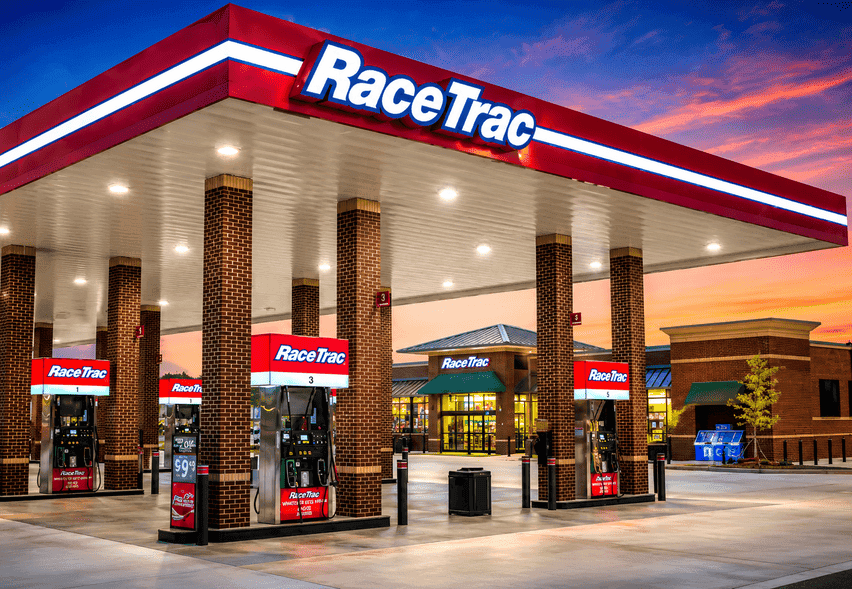
RaceTrac has appointed Jill Pemberton as chief financial officer, succeeding Karla Ahlert, who moves into the newly created role of chief administrative officer.
Aug 26, 2026

Create a practical restaurant marketing plan by setting goals, targeting customers, choosing channels, budgeting wisely, scheduling campaigns, and measuring results.
Aug 24, 2026

Levain Bakery appoints Lorna Sommerville and Taya Stenson as co-CEOs, blending operational and marketing expertise to power national expansion and innovation while staying rooted in its brand values.
Aug 25, 2026

A payroll advance policy helps restaurant owners define eligibility, limits, repayment, documentation, approval procedures, and compliance requirements for employee advances.
Aug 24, 2026

Unlock Exclusive Access To Webinars, Events, And The Latest News For Free!
Exploring how Artificial Intelligence is shaping the future of technology and innovation.

Photo by Morgan Petroski
Artificial Intelligence (AI) refers to the simulation of human intelligence processes by machines, especially computer systems. It involves the creation of algorithms that can learn, reason, and solve problems. AI has gained significant traction in various fields, including healthcare, finance, transportation, and more.

Photo by Morgan Petroski
AI is revolutionizing industries by providing innovative solutions to complex problems. In healthcare, AI-powered diagnostic tools can analyze medical images and detect diseases with high accuracy. In finance, AI algorithms are used for fraud detection and risk assessment. Autonomous vehicles are also leveraging AI for navigation and decision-making.

Photo by Morgan Petroski
Machine Learning (ML) is a subset of AI that enables systems to learn from data and improve their performance without explicit programming. ML algorithms power many AI applications, such as recommendation systems, natural language processing, and image recognition. The combination of AI and ML is driving unprecedented advancements in technology.
Despite its benefits, AI presents challenges related to data privacy, cybersecurity, and job displacement. Ethical concerns, including bias in AI algorithms and the impact on employment, raise important questions about responsible AI deployment. It is crucial for developers and policymakers to address these challenges proactively.
Photo by Morgan Petroski
The future of technology is closely intertwined with AI advancements. From personalized healthcare solutions to smart cities and autonomous systems, AI is poised to redefine how we interact with technology. As AI continues to evolve, it will likely unlock new possibilities and drive innovation across various sectors.