
The Ultimate Guide to Restaurant Labor Management
Restaurant labor management helps owners optimize staffing, control labor costs, improve productivity, monitor overtime, and maintain efficient restaurant operations.
Back Office
Sep 2, 2026
Restaurant labor management helps owners optimize staffing, control labor costs, improve productivity, monitor overtime, and maintain efficient restaurant operations.
Sep 2, 2026
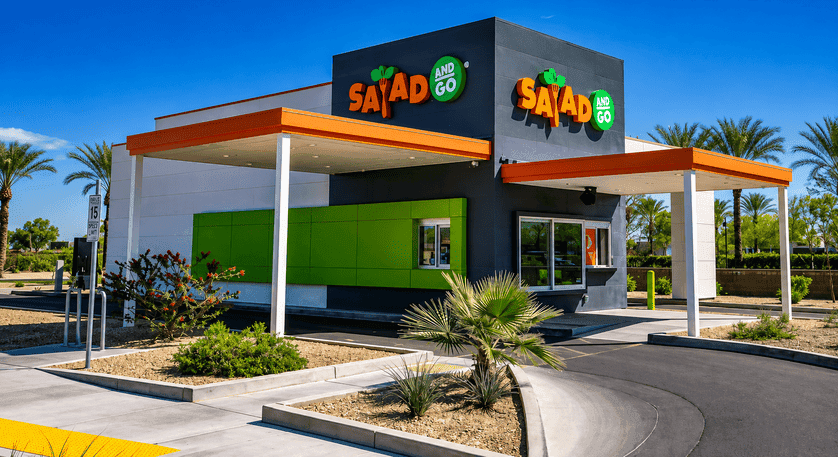
7 Brew has acquired 73 former Salad and Go locations, surpassing Dutch Bros with a $143M bid, signaling a major shift in the competitive landscape for drive-thru brands.
Sep 2, 2026
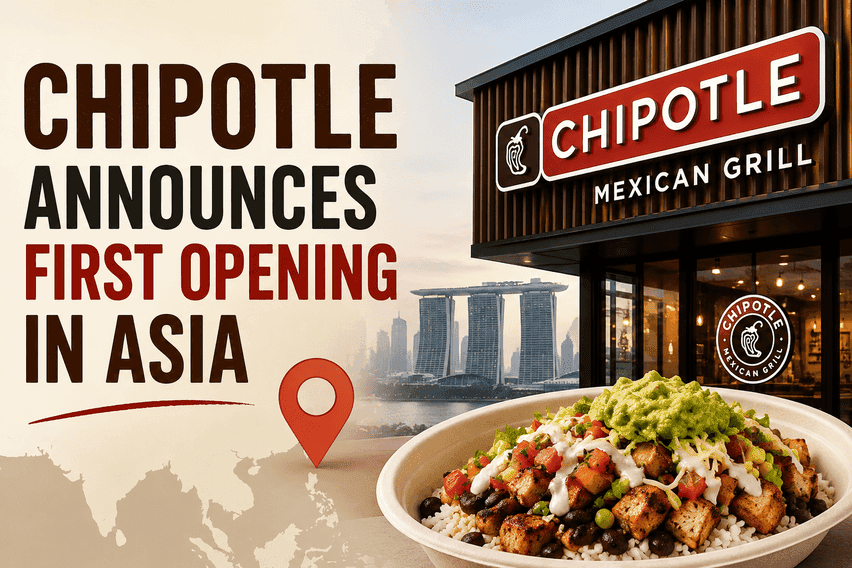
Chipotle makes its highly anticipated entry into Asia with a Seoul opening, partnering with Sangmidang Holdings and setting a template for future international growth.
Sep 2, 2026
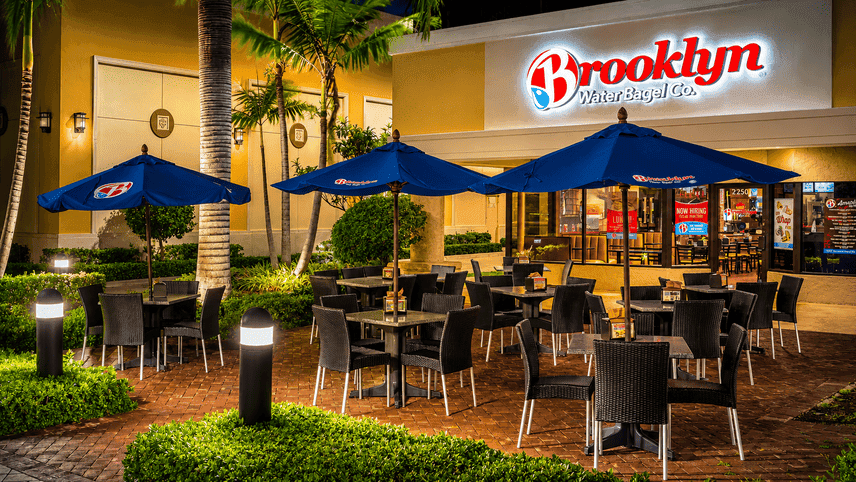
Brooklyn Water Bagel launches its first campus eatery at Nova Southeastern, signaling strategic growth and fresh potential for multi-unit operators seeking new market wins.
Sep 2, 2026
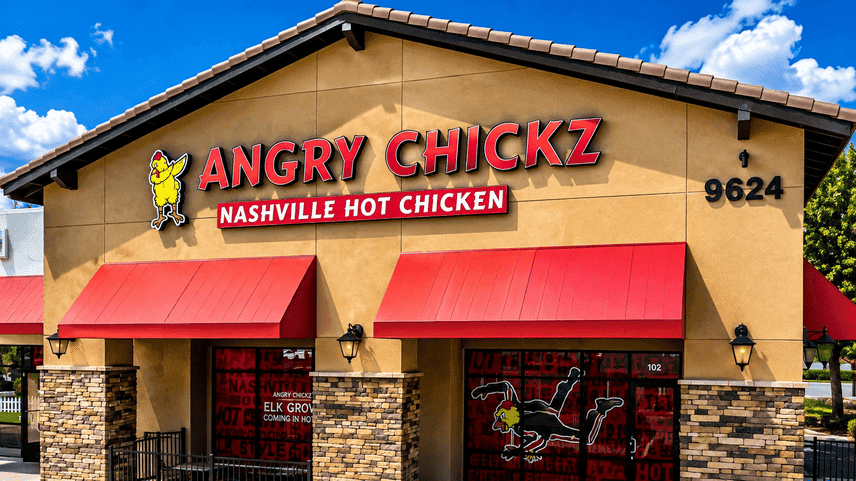
Angry Chickz enters Illinois with its signature hot chicken concept and ambitious plans for Midwest expansion, setting the stage for new franchise opportunities and community engagement.
Sep 2, 2026
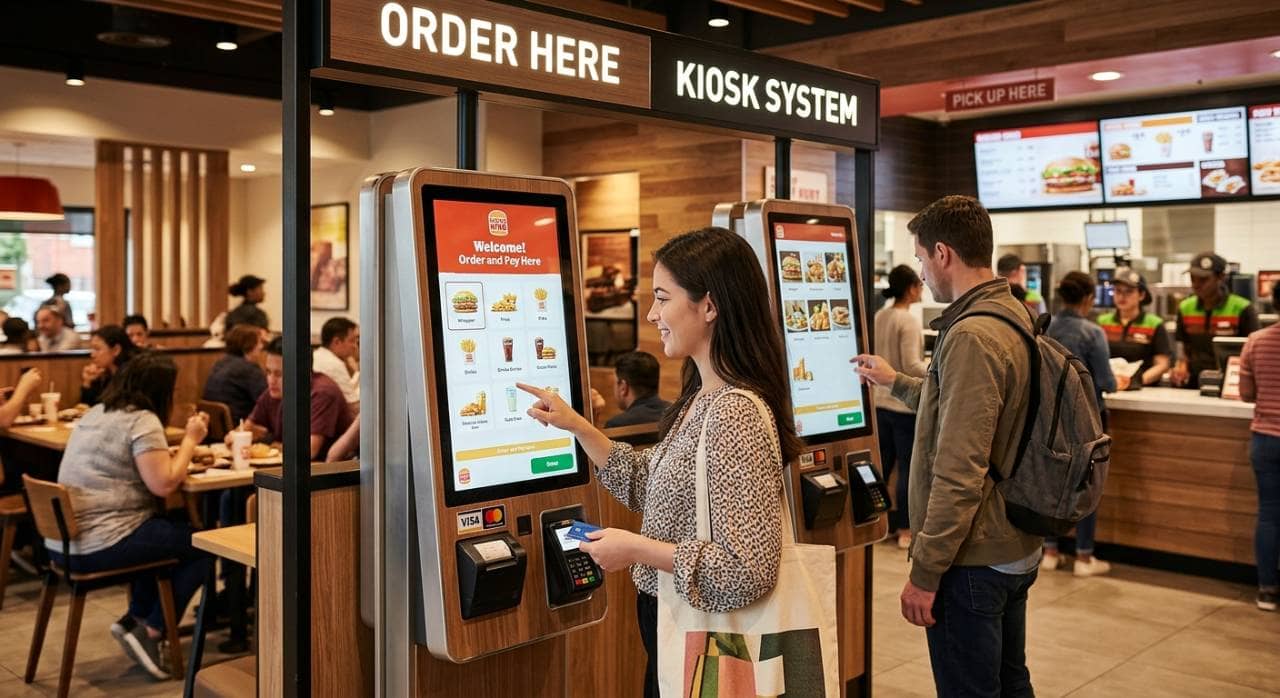
Understand how to evaluate a Kiosk system using key criteria including features, POS integration, hardware, pricing, customer experience, and support.
Aug 31, 2026

Explore restaurant technology trends in 2026, including AI, automation, digital ordering, workforce tools, connected kitchens, personalization, and profitability strategies today.
Aug 28, 2026
Learn how to calculate restaurant cost of goods using inventory, purchases, COGS percentage, variance reviews, and regular tracking for profitability.
Aug 31, 2026

Learn the startup costs of opening an ice cream shop, including rent, equipment, renovations, permits, inventory, labor, marketing, and reserves.
Aug 28, 2026

A restaurant P&L statement reveals sales, expenses, and profits, helping owners manage costs, improve margins, and plan finances more effectively.
Aug 26, 2026

Unlock Exclusive Access To Webinars, Events, And The Latest News For Free!
Explore the strategic decisions behind company relocations and headquarters moves in the restaurant industry. Learn how brands optimize operations and enhance coordination through office consolidations.

Photo by Dylan Gillis
In a dynamic and evolving market, companies often strategize to optimize their operations, enhance coordination, and leverage talent effectively. The recent trend of company relocations and headquarters moves in the restaurant industry reflects a strategic shift towards maximizing performance and competitiveness.
Consolidating offices can streamline communication, decision-making processes, and overall efficiency. By bringing teams physically closer, companies can foster collaboration, minimize operational silos, and adapt more swiftly to market changes. This consolidation often leads to improved coordination between headquarters and regional offices, enhancing the brand's responsiveness in a competitive landscape.
Centralizing teams through relocation can enhance cultural alignment and foster a sense of unity among employees. When individuals work closely together, it promotes knowledge sharing, innovation, and a strong organizational culture. This alignment of talent and culture is crucial for driving success and maintaining a competitive edge in the industry.

Photo by Dylan Gillis
Several renowned brands in the restaurant industry have recently made strategic relocation decisions to optimize their operations and foster growth. KFC's move from Kentucky to Texas, In-N-Out Burger's office consolidation in California, and Subway's opening of a second global headquarters in Florida are prime examples of companies reshaping their office locations to drive efficiency and competitiveness.
Amidst company relocations, ensuring the well-being of employees is paramount. Offering relocation and transition assistance reflects the companies' commitment to their workforce. Such support programs can ease the transition for employees and contribute to maintaining a motivated and engaged workforce during the relocation process.