The Ultimate Guide to Restaurant Labor Management
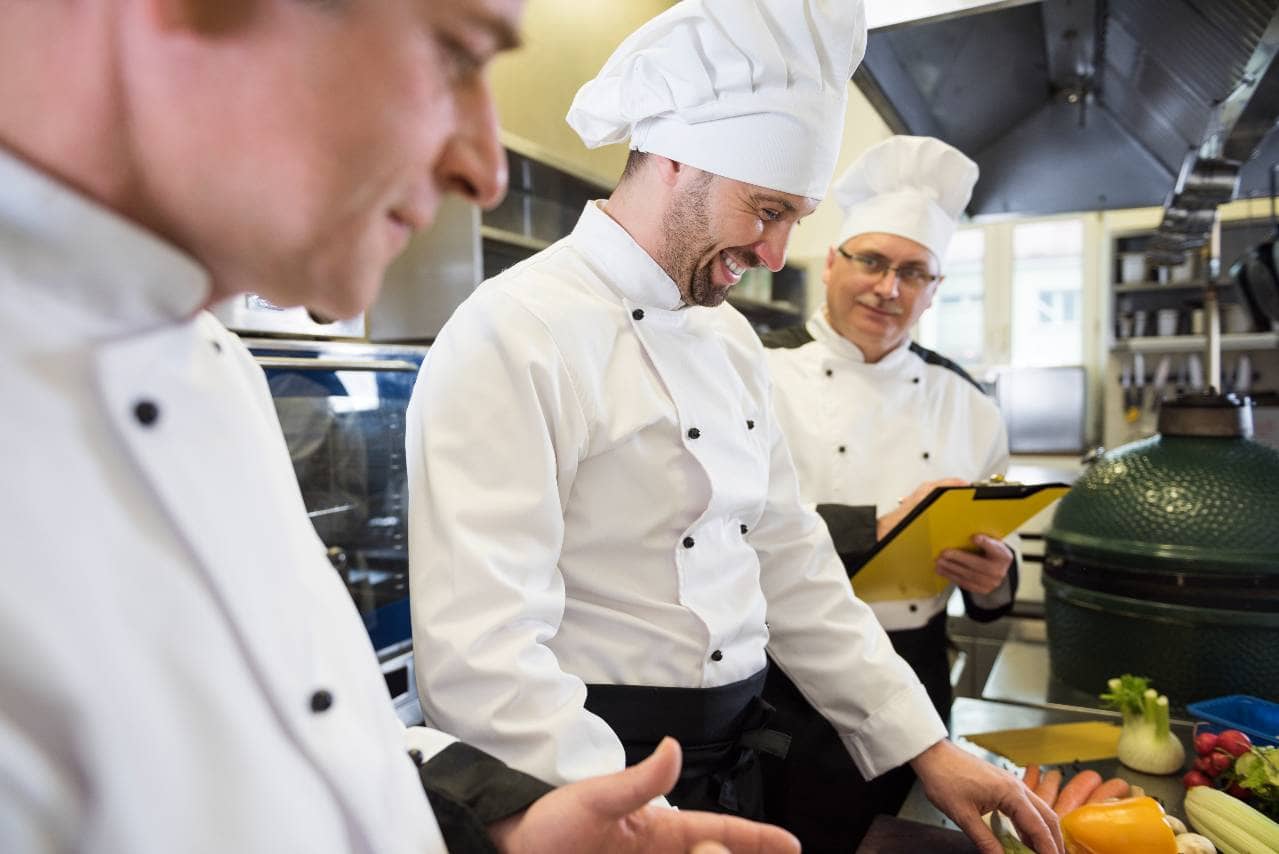
Restaurant labor management helps owners optimize staffing, control labor costs, improve productivity, monitor overtime, and maintain efficient restaurant operations.
Back Office
Sep 2, 2026
Restaurant labor management helps owners optimize staffing, control labor costs, improve productivity, monitor overtime, and maintain efficient restaurant operations.
Sep 2, 2026
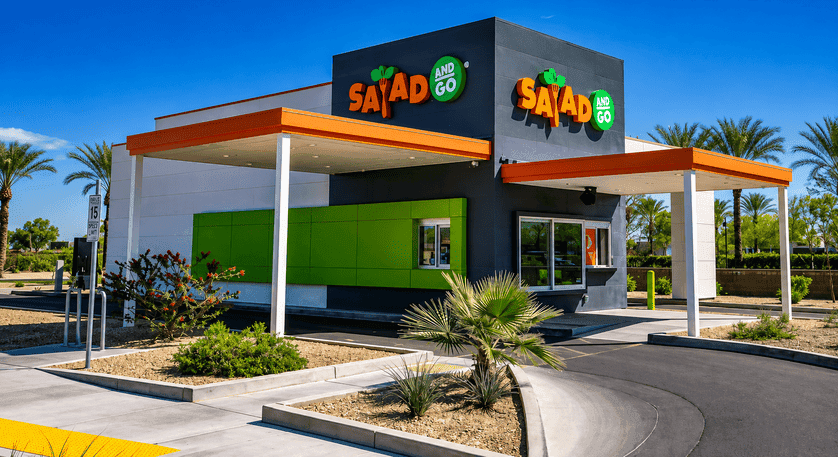
7 Brew has acquired 73 former Salad and Go locations, surpassing Dutch Bros with a $143M bid, signaling a major shift in the competitive landscape for drive-thru brands.
Sep 2, 2026
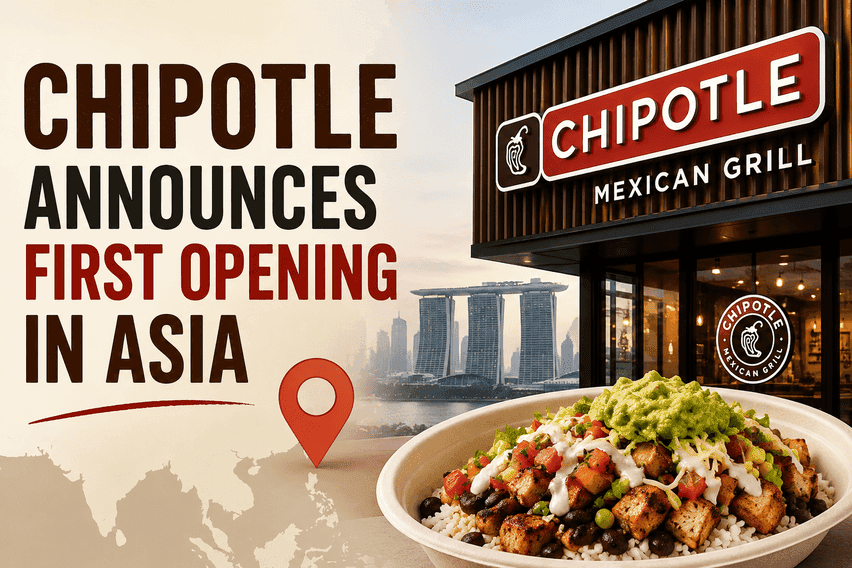
Chipotle makes its highly anticipated entry into Asia with a Seoul opening, partnering with Sangmidang Holdings and setting a template for future international growth.
Sep 2, 2026
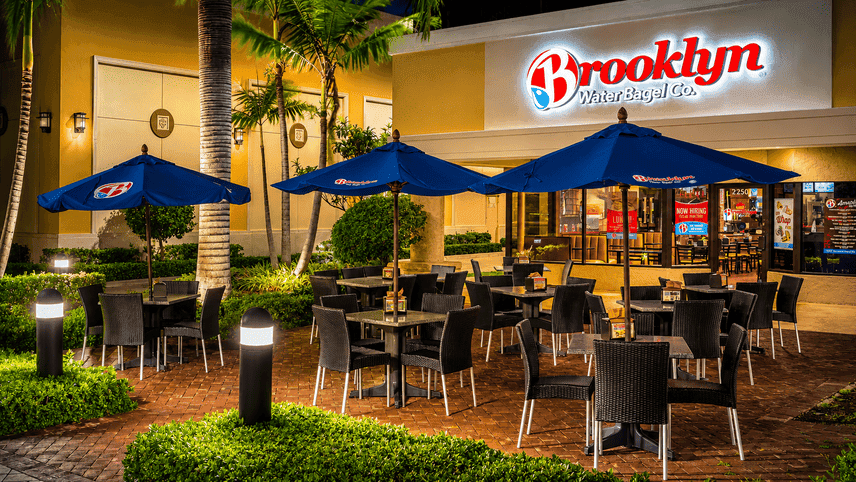
Brooklyn Water Bagel launches its first campus eatery at Nova Southeastern, signaling strategic growth and fresh potential for multi-unit operators seeking new market wins.
Sep 2, 2026
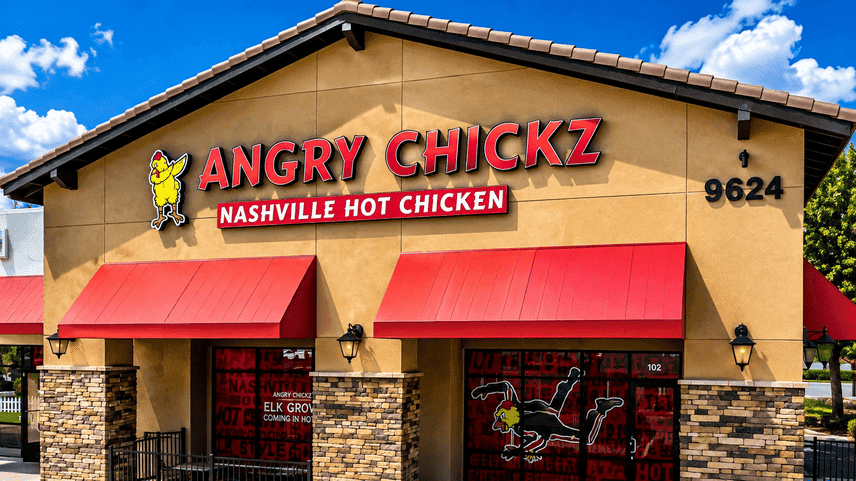
Angry Chickz enters Illinois with its signature hot chicken concept and ambitious plans for Midwest expansion, setting the stage for new franchise opportunities and community engagement.
Sep 2, 2026
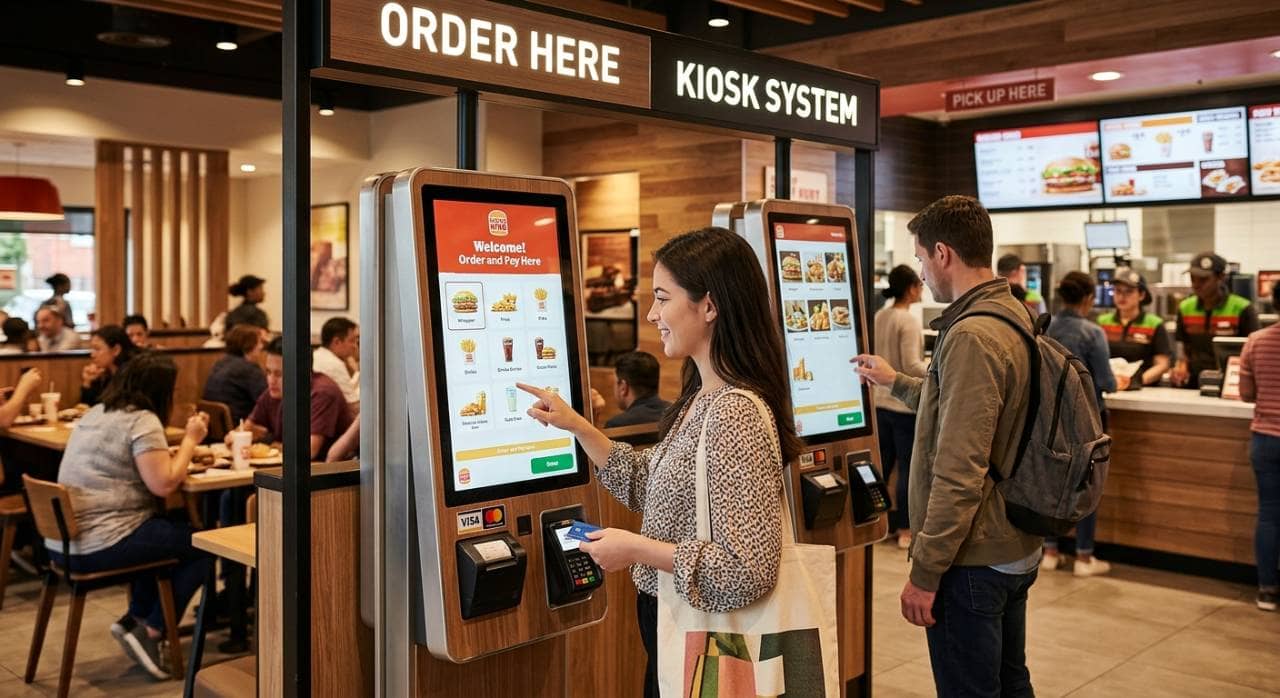
Understand how to evaluate a Kiosk system using key criteria including features, POS integration, hardware, pricing, customer experience, and support.
Aug 31, 2026

Explore restaurant technology trends in 2026, including AI, automation, digital ordering, workforce tools, connected kitchens, personalization, and profitability strategies today.
Aug 28, 2026
Learn how to calculate restaurant cost of goods using inventory, purchases, COGS percentage, variance reviews, and regular tracking for profitability.
Aug 31, 2026
Learn the startup costs of opening an ice cream shop, including rent, equipment, renovations, permits, inventory, labor, marketing, and reserves.
Aug 28, 2026

A restaurant P&L statement reveals sales, expenses, and profits, helping owners manage costs, improve margins, and plan finances more effectively.
Aug 26, 2026

Unlock Exclusive Access To Webinars, Events, And The Latest News For Free!
Explore the changing landscape of consumer dining preferences and its effects on restaurants. Learn about the rise of at-home meal occasions and the shift towards quick-service restaurants.

Photo by Angel Luciano
In recent times, there has been a notable shift in consumer behavior towards at-home meal occasions. A significant 69% of consumers have reported an increase in eating at home, with a staggering 85% citing cost-saving as the primary reason for this change. This surge in at-home dining can be attributed to a 39% decline in consumer incomes, as revealed in recent reports. Moreover, a majority of 79% of consumers anticipate tariffs leading to price hikes, further propelling the preference for home-cooked meals.
Amidst the trend of increased at-home dining, 26% of consumers have shown a preference for eating more frequently at quick-service restaurants (QSRs). This shift aligns with the strategic efforts of QSRs to offer enticing promotions like buy-one-get-one deals and value meals, a tactic that gained momentum especially during the past summer. By adapting to consumer needs and preferences, QSRs are capitalizing on the changing dining landscape to maintain their market relevance.

Photo by Angel Luciano
Breakfast emerges as the meal most commonly prepared at home, with 75% of consumers opting for home-cooked morning meals. This high percentage highlights an opportunity for restaurants, particularly QSRs, to innovate and capture more breakfast meal occasions. Despite the challenge posed by consumers choosing to eat at home during breakfast, there remains untapped potential to drive growth in this daypart through strategic offerings and promotions.
Consumer dining habits are significantly influenced by household income levels. Reports indicate that nearly half, 41%, of consumers have a monthly disposable income below $200, underlining the importance of affordability in dining choices. Interestingly, even amidst financial constraints, takeout remains a popular luxury spending item, with 57% of consumers allocating budget for to-go food each month. High-income households continue to spend substantially on dining out and takeout, indicating a variation in spending behavior based on income brackets.

Photo by Angel Luciano
Studies conducted by both KPMG and Attest shed light on the evolving consumer landscape. KPMG's survey of 1,516 U.S. consumers highlighted the recalibration of consumer spending habits towards more selective and cost-conscious choices. On the other hand, Attest's report, based on 2,000 U.S. consumers aged 18 to 67, emphasized the enduring reliance of restaurant spending on household income, showcasing the dynamic interplay between consumer finances and dining preferences.