
The Ultimate Guide to Restaurant Labor Management
Restaurant labor management helps owners optimize staffing, control labor costs, improve productivity, monitor overtime, and maintain efficient restaurant operations.
Back Office
Sep 2, 2026
Restaurant labor management helps owners optimize staffing, control labor costs, improve productivity, monitor overtime, and maintain efficient restaurant operations.
Sep 2, 2026
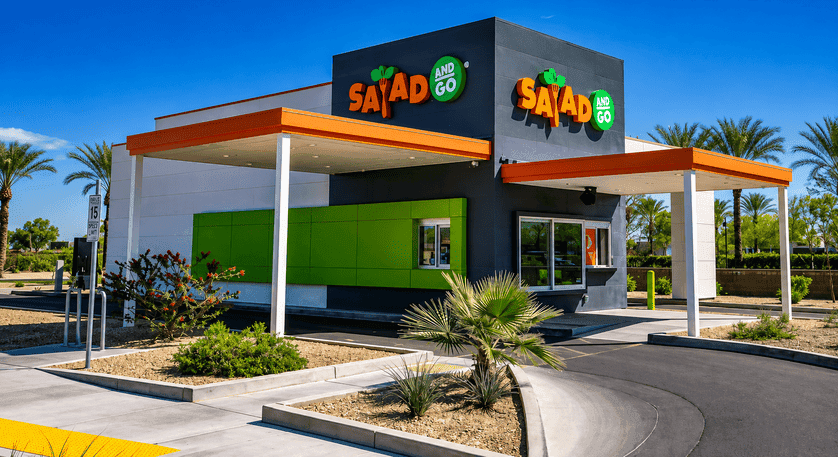
7 Brew has acquired 73 former Salad and Go locations, surpassing Dutch Bros with a $143M bid, signaling a major shift in the competitive landscape for drive-thru brands.
Sep 2, 2026
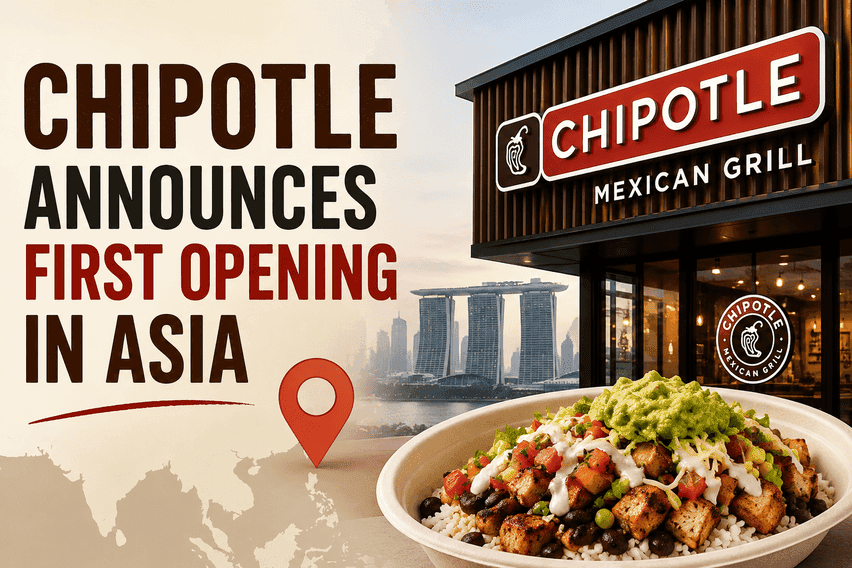
Chipotle makes its highly anticipated entry into Asia with a Seoul opening, partnering with Sangmidang Holdings and setting a template for future international growth.
Sep 2, 2026
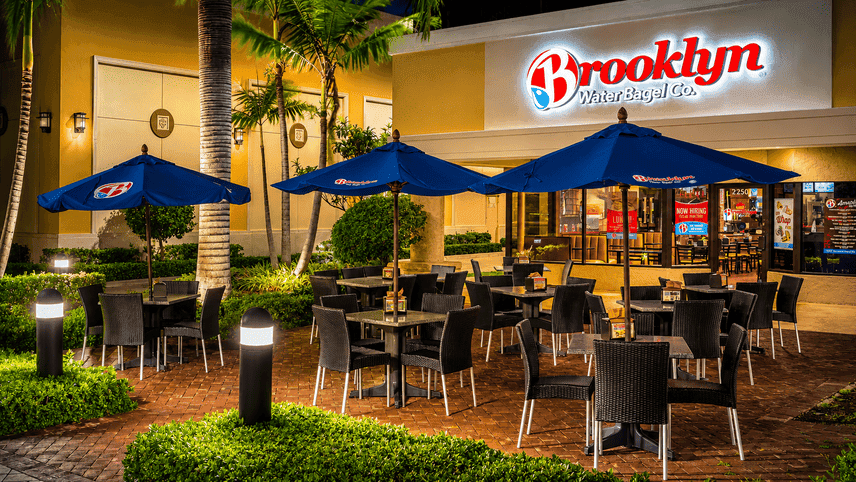
Brooklyn Water Bagel launches its first campus eatery at Nova Southeastern, signaling strategic growth and fresh potential for multi-unit operators seeking new market wins.
Sep 2, 2026
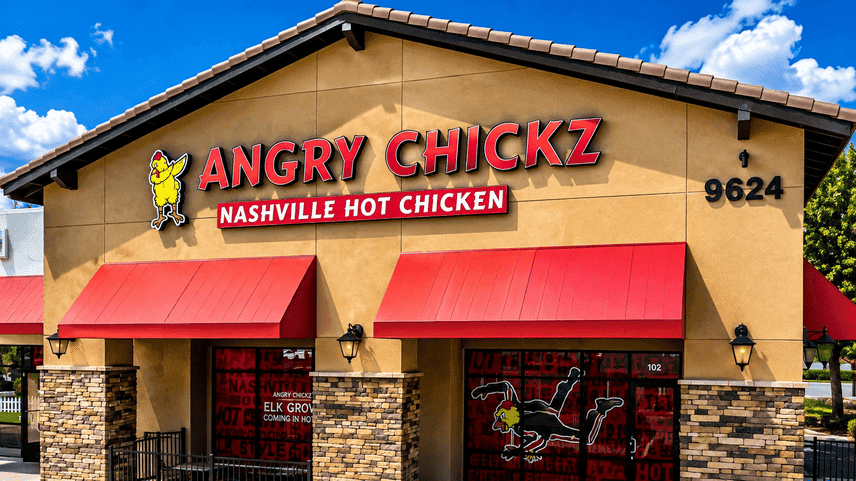
Angry Chickz enters Illinois with its signature hot chicken concept and ambitious plans for Midwest expansion, setting the stage for new franchise opportunities and community engagement.
Sep 2, 2026
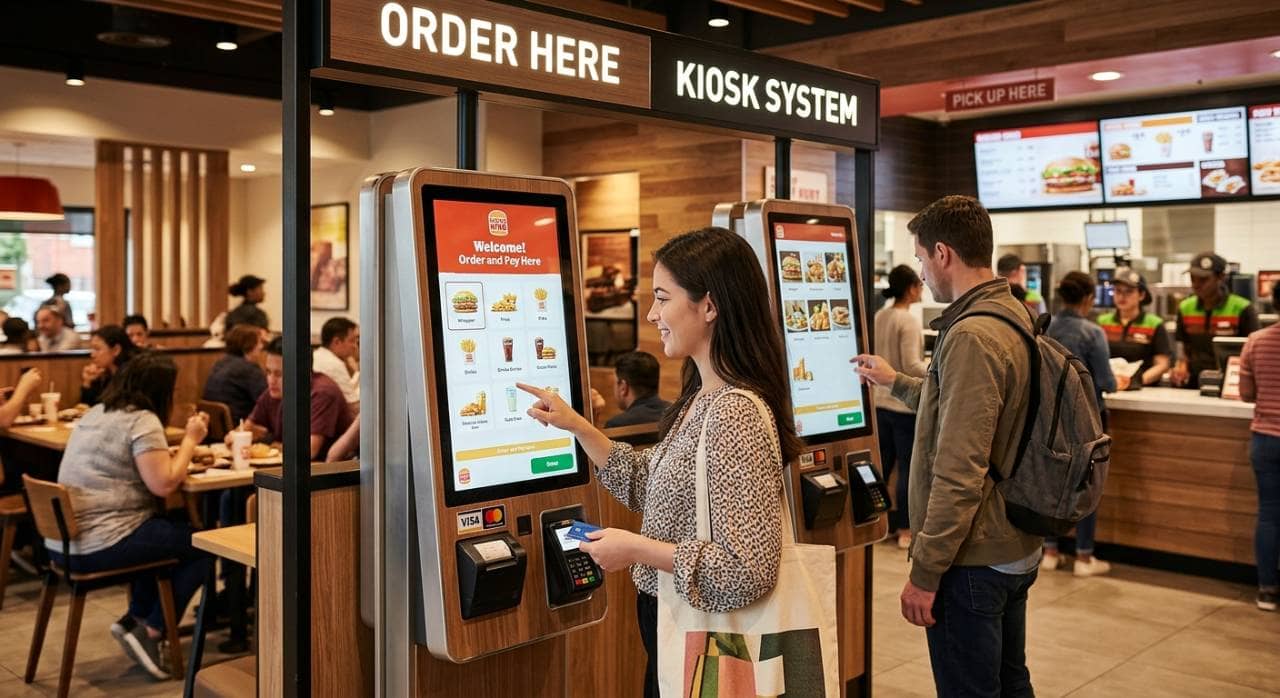
Understand how to evaluate a Kiosk system using key criteria including features, POS integration, hardware, pricing, customer experience, and support.
Aug 31, 2026

Explore restaurant technology trends in 2026, including AI, automation, digital ordering, workforce tools, connected kitchens, personalization, and profitability strategies today.
Aug 28, 2026
Learn how to calculate restaurant cost of goods using inventory, purchases, COGS percentage, variance reviews, and regular tracking for profitability.
Aug 31, 2026
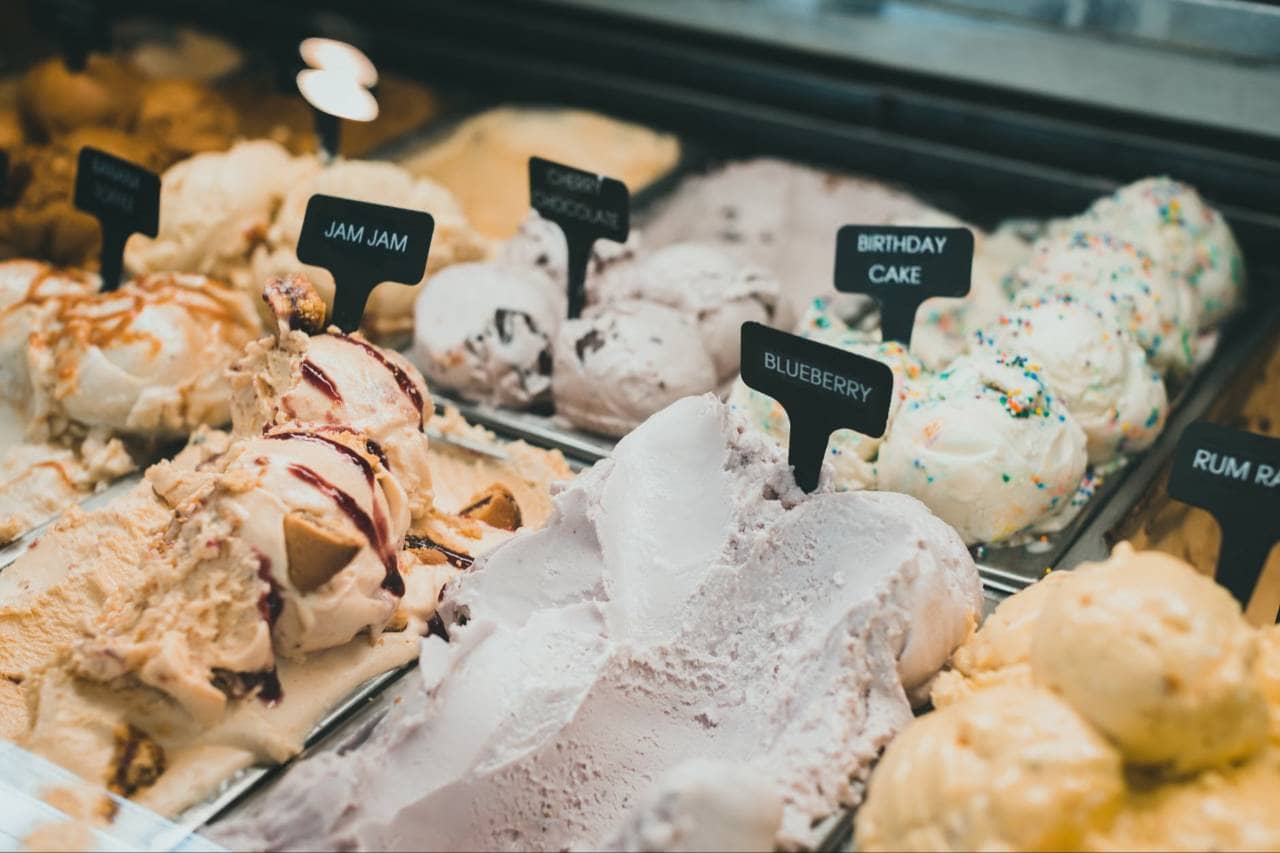
Learn the startup costs of opening an ice cream shop, including rent, equipment, renovations, permits, inventory, labor, marketing, and reserves.
Aug 28, 2026

A restaurant P&L statement reveals sales, expenses, and profits, helping owners manage costs, improve margins, and plan finances more effectively.
Aug 26, 2026

Unlock Exclusive Access To Webinars, Events, And The Latest News For Free!
Explore the recent announcement of increased tariffs by President Donald Trump and its implications on global trade relations.

Photo by Ibrahim Boran

Photo by Ibrahim Boran
President Donald Trump has unveiled significant changes to the U.S. tariff policy, including the introduction of a universal baseline tariff of 10% effective April 5. This move marks a shift in trade dynamics and impacts various countries differently based on their existing trade practices. The President emphasized that nations like China, Japan, and the European Union will face higher duties beyond the baseline rate.
Photo by Ibrahim Boran
Under the new policy, countries are subject to tariff rates in proportion to the trade barriers they impose on the U.S. For instance, China is set to face a 34% tariff due to its 67% charge on U.S. goods. This approach aims to address perceived trade imbalances and protect American interests. Japan, the EU, and Vietnam are also slated to experience increased tariff rates, further complicating global trade relations.
The imposition of tariffs has led to concerns, especially from sectors like the restaurant industry. Michelle Korsmo, CEO of the National Restaurant Association, highlighted the challenges these tariffs pose for businesses reliant on imported goods. The disruptions in the supply chain and potential price increases could significantly affect the profitability of restaurants, emphasizing the need for strategic planning in a changing trade environment.
Certain goods, such as steel, aluminum, automotive products, and pharmaceuticals, are excluded from the new tariffs. Additionally, previous tariffs on Canada and Mexico remain unchanged, maintaining stability in trade relationships within the North American region. The selective application of tariffs reflects a nuanced approach by the Trump administration to balance economic interests and diplomatic considerations.

Photo by Ibrahim Boran
President Trump's initial stance on reciprocal tariffs, where the U.S. would match trade barriers imposed by other countries, has evolved into a more targeted approach. The administration's decision to assess non-reciprocal trade agreements signals a strategic reevaluation of trade policies. This shift aims to address perceived unfair practices while avoiding widespread retaliation that could harm global commerce.

Photo by Ibrahim Boran
The announcement of increased tariffs has triggered responses from U.S. trading partners, leading to a tit-for-tat escalation in tariff measures. Countries like China, Canada, and the EU have outlined countermeasures in response to the U.S. tariffs, creating a complex web of trade disputes. Mexico's plans to retaliate against higher import fees signal the potential for further disruptions in international trade dynamics.