everbowl Hires Two Jack in the Box Veterans
everbowl names Anna Gabele Brand President and Natalie Trzcinski COO, pulling both from Jack in the Box to guide its next growth phase.
Franchising
Sep 18, 2026
everbowl names Anna Gabele Brand President and Natalie Trzcinski COO, pulling both from Jack in the Box to guide its next growth phase.
Sep 18, 2026

Mountain Mike's Pizza hires Jack in the Box veteran Sheena Dougher as CMO to drive national growth while preserving its regional brand identity.
Sep 17, 2026

From fixed costs to contribution margin, learn exactly how to calculate your restaurant's break even point with confidence.
Sep 16, 2026

DoorDash pays $425M for Wonder's campus dining platform and a stake in Wonder, betting on robotic kitchens and institutional foodservice growth.
Sep 16, 2026
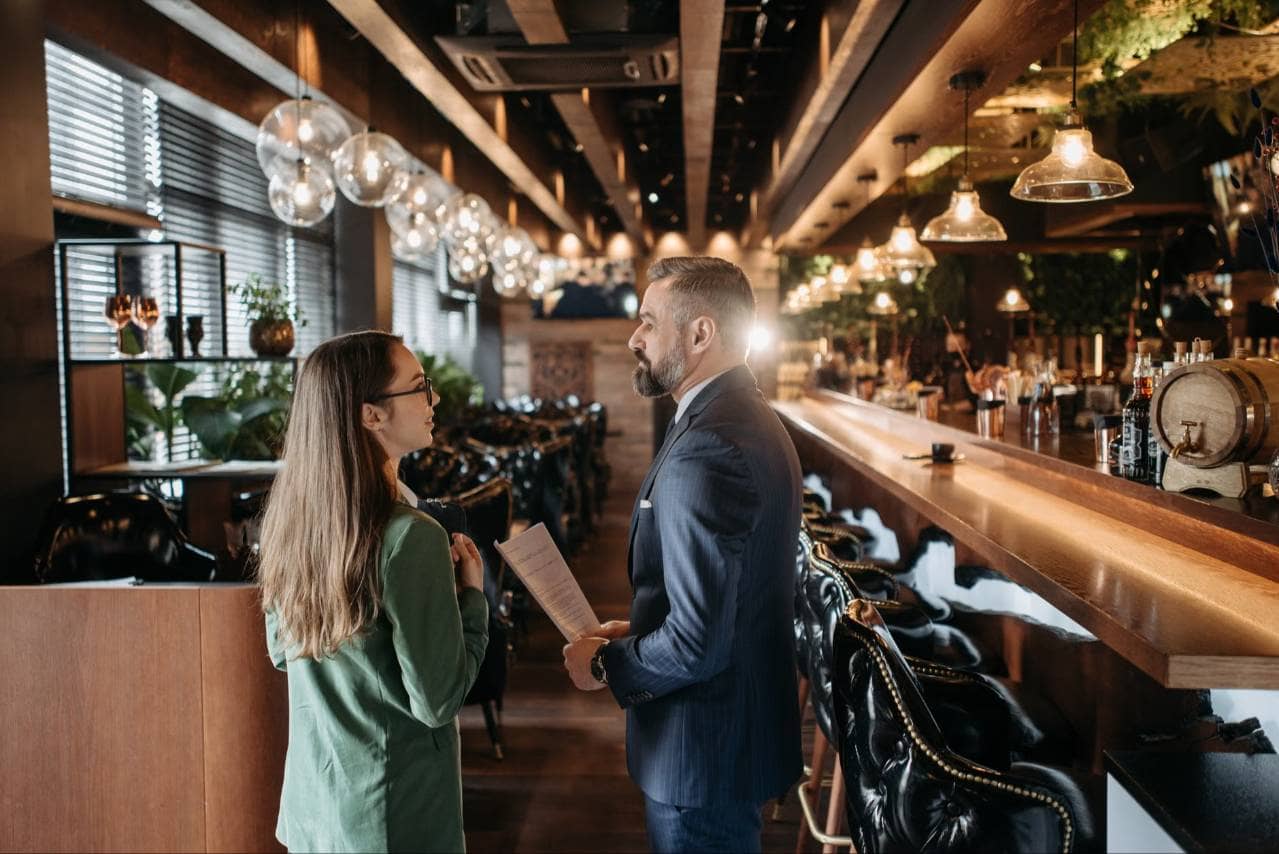
Discover the most common reasons restaurants fail, including inconsistent food quality and pricing mistakes, plus practical ways to avoid them.
Sep 16, 2026
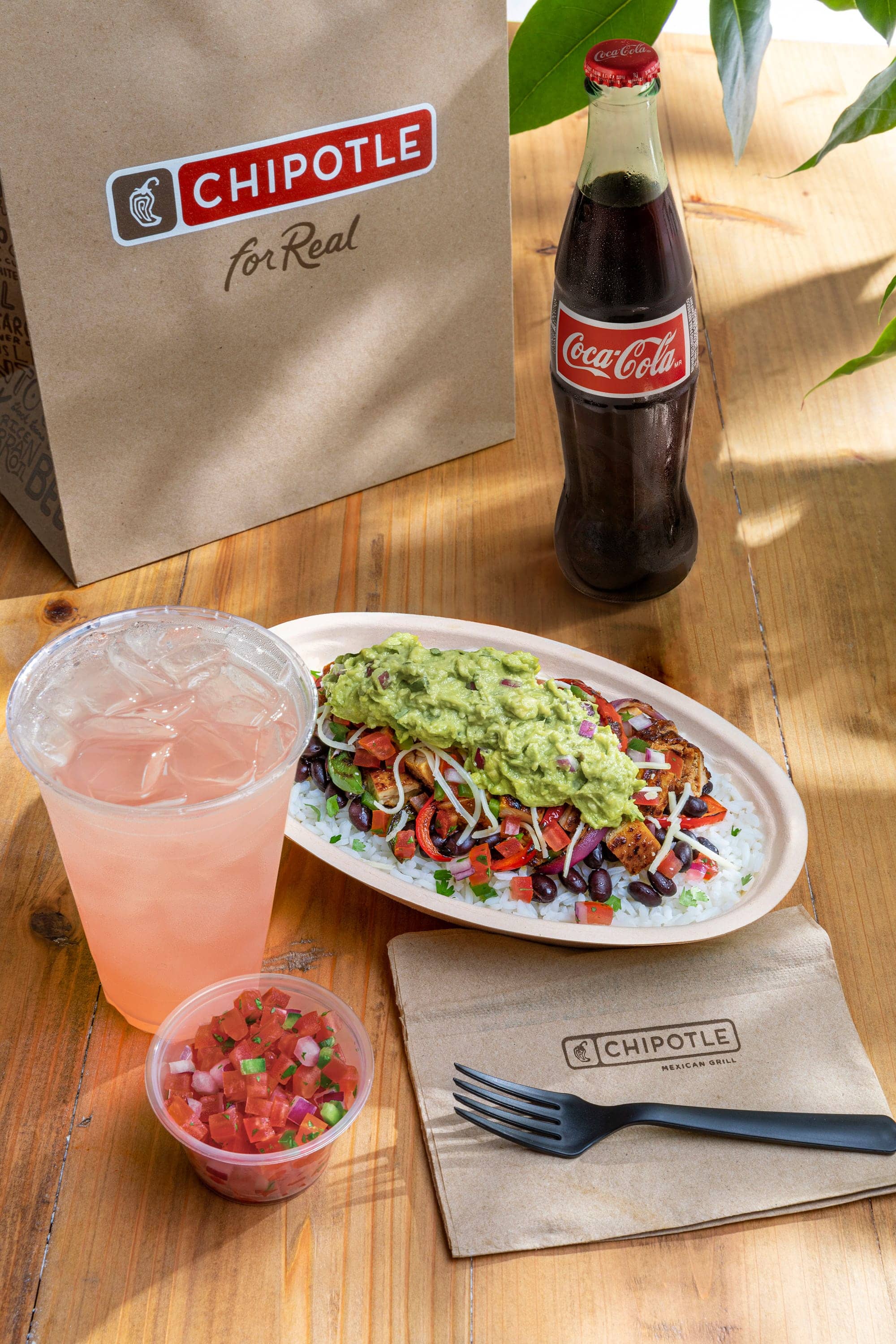
Chipotle names former KFC global CEO Sabir Sami to its board as the chain expands into Mexico, Saudi Arabia, and South Korea.
Sep 15, 2026

LeBron James joins Mike's Red Tacos as an investor, backing the birria chain led by Blaze Pizza and Dave's Hot Chicken veteran Bill Phelps.
Sep 15, 2026
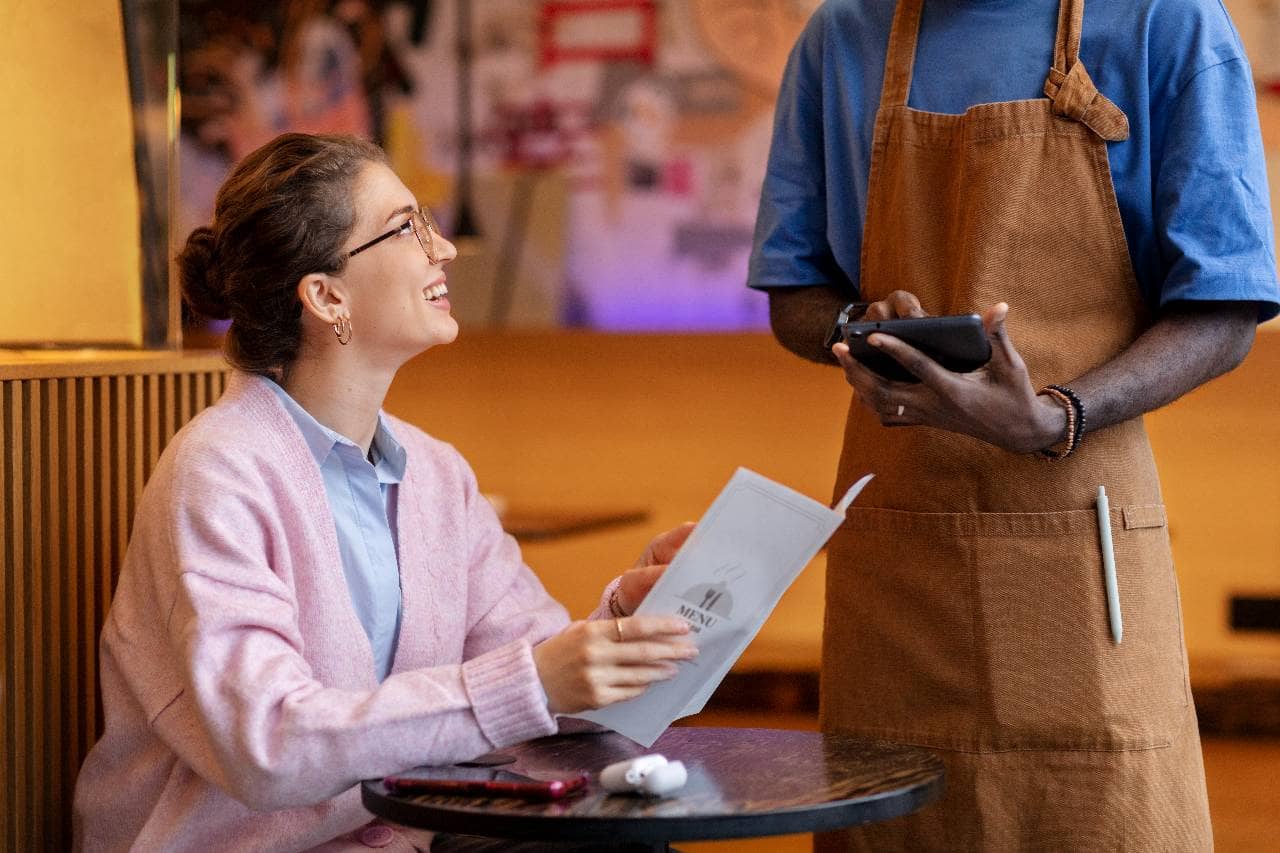
Discover practical promotion ideas - time-based deals, loyalty programs, local partnerships, and digital marketing - to boost restaurant foot traffic consistently.
Sep 14, 2026

Practical payroll compliance checklist for restaurant owners covering wage rules, tips, overtime, taxes, deductions, and recordkeeping to reduce legal risk.
Sep 14, 2026
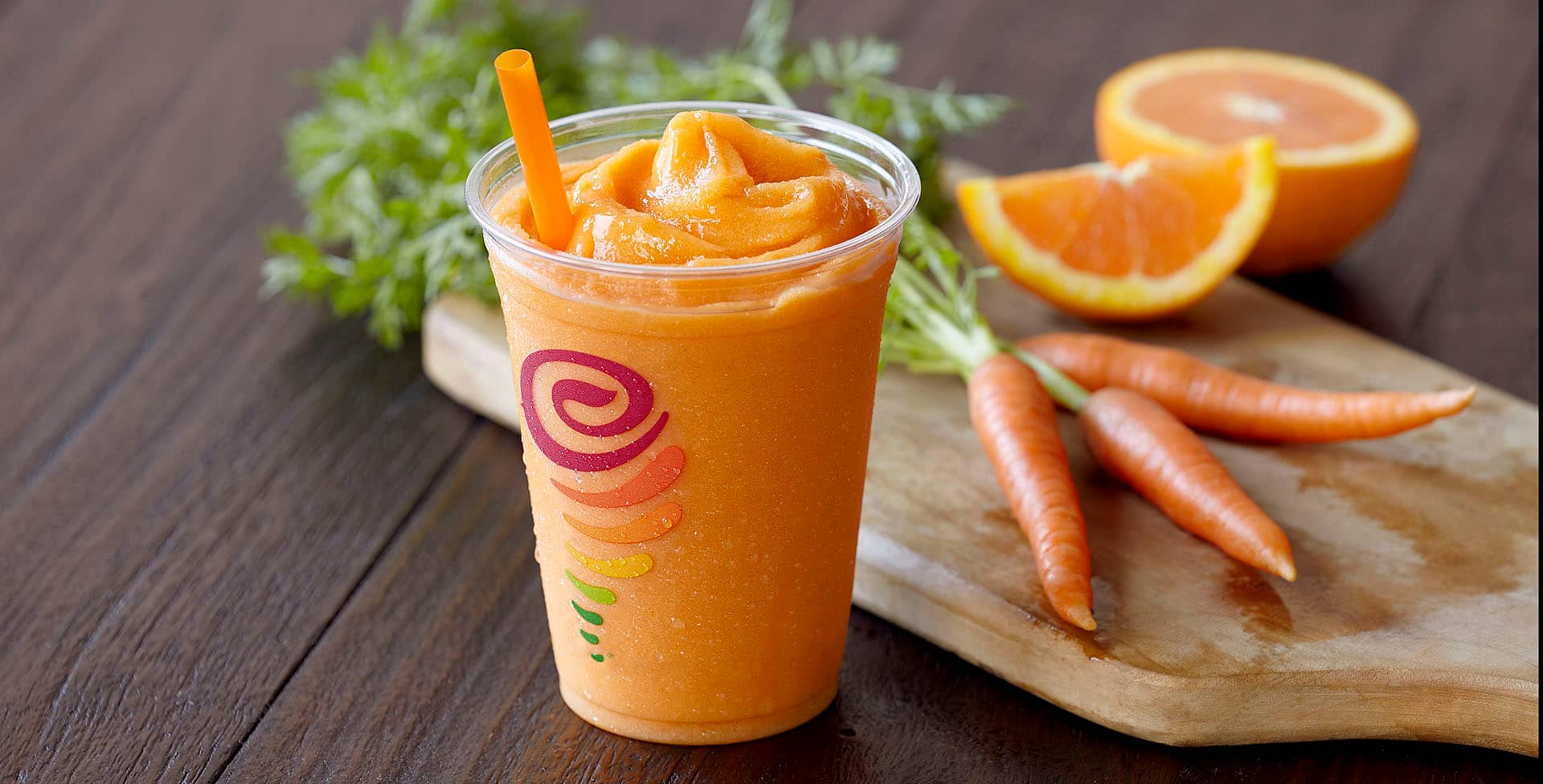
Lucy Brady joins Jamba as president to lead digital-first growth strategy. GoTo Foods restructures leadership to strengthen franchise platform capabilities.
Sep 14, 2026

Unlock Exclusive Access To Webinars, Events, And The Latest News For Free!
Explore the FTC's claims against Uber regarding its subscription program, consumer complaints, and the impact on the delivery service industry. Learn about the challenges of canceling subscriptions and the importance of transparency in consumer services.
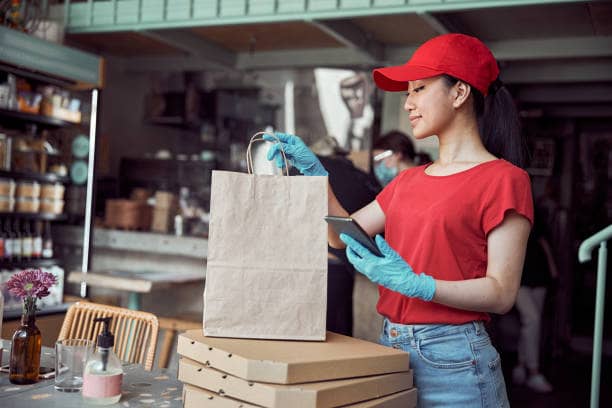
The Federal Trade Commission (FTC) recently filed a complaint against Uber, accusing the company of misleading consumers with its subscription program, Uber One. The FTC claimed that Uber promised consumers monthly savings without factoring in the subscription cost, leading to potential misunderstandings among users. Moreover, the commission alleged that some individuals were enrolled in Uber One without their explicit knowledge or consent.

In response to these allegations, Uber disputed the claims made by the FTC. A spokesperson for Uber stated that the company does not sign up or charge consumers without their consent, emphasizing the importance of transparency in their business practices. Uber highlighted that the majority of cancellations for Uber One occur within the app and can be completed in a short timeframe, contrary to the FTC's claims of a cumbersome cancellation process.
One of the key issues raised in the complaint was the difficulty consumers faced when trying to cancel their Uber One subscriptions. The FTC mentioned that users had to navigate through numerous screens and take multiple actions to terminate the service. This complexity in the cancellation process could contribute to consumer frustration and raise concerns about the ease of opting out of subscription services in the digital age.

FTC Chair Andrew Ferguson emphasized the need for stronger consumer protection measures, stating that Americans are fatigued by unwanted subscriptions that are challenging to cancel. The case against Uber underscores the importance of companies being accountable for their subscription offerings, ensuring that customers have clear information about costs, terms, and cancellation procedures.
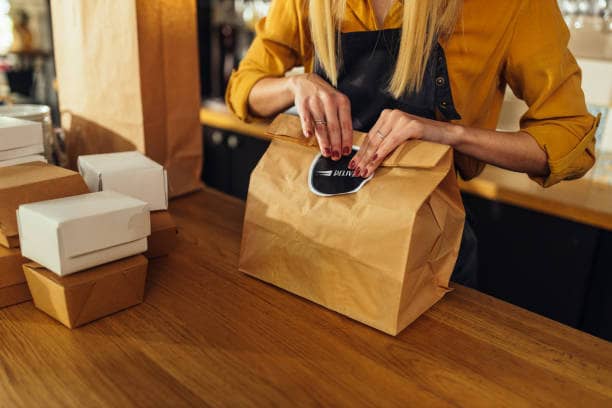
Uber One and similar subscription programs play a significant role in fostering consumer loyalty and driving sales for delivery service providers. With 40% of Uber Eats orders coming from Uber One members by early 2023, it's evident that such programs are pivotal for companies' growth. However, the controversy surrounding Uber's subscription model raises questions about how delivery service giants compete and differentiate in an increasingly crowded market.
The rivalry between Uber Eats and DoorDash, with their respective subscription services, Uber One and DashPass, showcases the competition in the delivery service sector. The perks, pricing, and user experience of these loyalty programs are critical factors that influence consumer choices. As the two industry leaders vie for market share, consumer preferences and concerns about subscription transparency will continue to shape the landscape.