Value and AI Help Restaurants Welcome Guests Through 2025’s Cost Squeeze
Facing rising costs, restaurants balance gentle price hikes with value deals and AI tools. Survey data, case examples, and labor realities show a layered path to resilient hospitality.

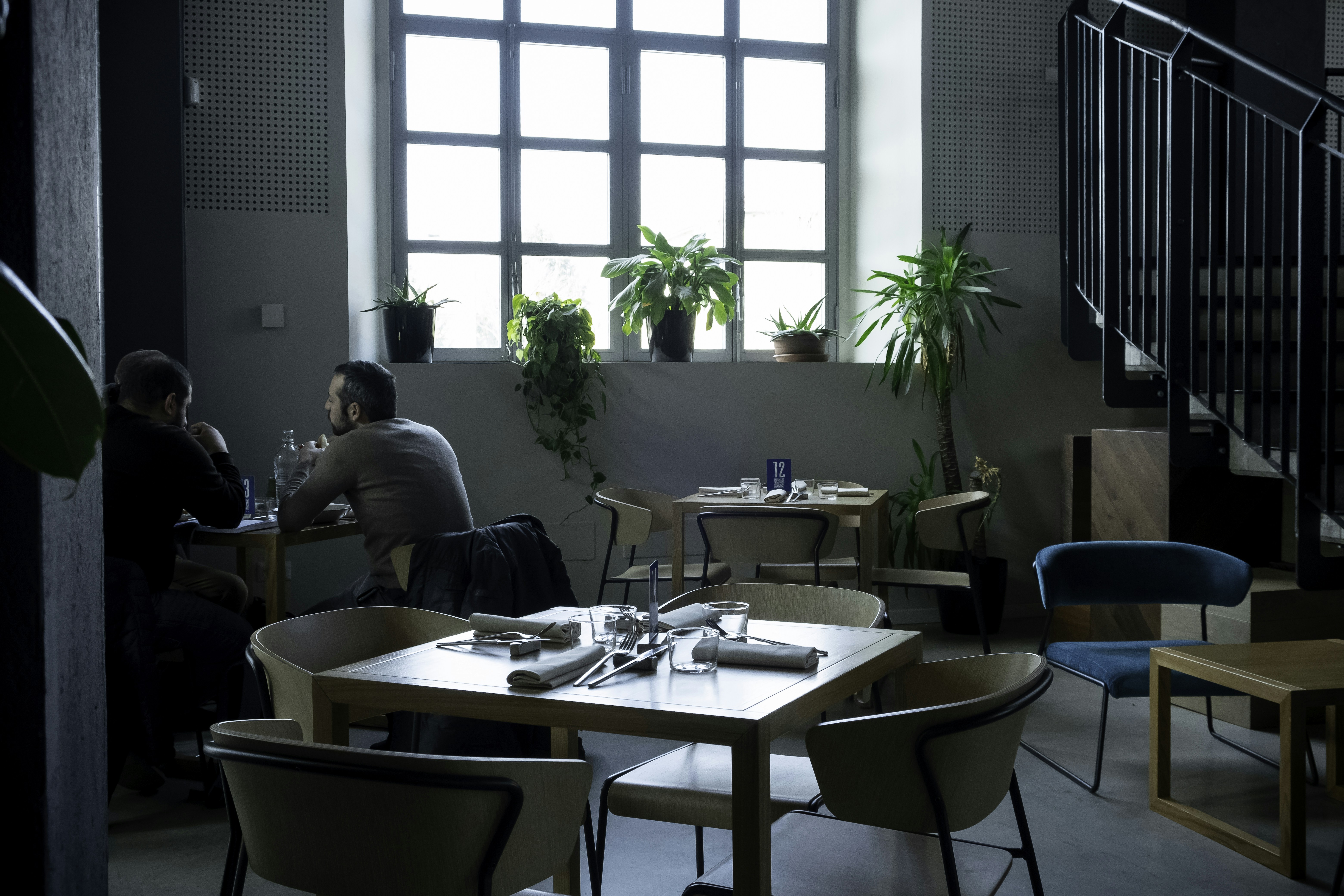
Photo by Veronica Reverse on Unsplash
A Costly Year, A Gentle Pivot
The restaurant industry’s 2025 story opens with a familiar tension: rising costs pressing against the desire to keep the guest experience welcoming—and affordable. In a Toast survey of 712 U.S. restaurant leaders conducted between April 18 and May 13, 2025, 20% cited inflation as a top-three concern, and 48% said they intend to increase menu prices if cost of goods sold continues to rise. Toast aptly describes those price moves as “a direct reflection of the tough choices operators are forced to make to protect their margins in a high‑cost environment, a strategy that directly impacts the guest’s wallet.” To soften that impact, operators are leaning into the gentle language of value: 47% plan to increase marketing, 46% are offering deals, and 45% will use time-based discounts to ease sticker shock. The early read on execution is instructive. Fast-food leaders like McDonald’s and Taco Bell, along with several casual-dining chains, report traffic gains tied to value-focused initiatives, while Jack in the Box has seen same-store sales decline. The outcome hinges on how credibly and clearly a brand tells its value story—and whether that story feels like an invitation rather than a compromise. In dining rooms and drive-thrus alike, the atmosphere matters. A well-framed deal can feel like a warm light on a gray day, guiding guests toward choices that fit both their budget and their mood. Analysis: Survey data and brand results show that measured price increases paired with thoughtful value messaging can stabilize demand, but results vary by brand context and the quality of promotion design.
Fairness, Friction, And A Steady Hand
Operators are absorbing pressure from multiple directions—ingredients and labor—compounded by fluctuating tariff policies. The shared aim is to protect margins without eroding goodwill. The Toast survey shows a two-track plan: readiness to raise prices when costs rise, balanced by a near-equal emphasis on value and communication—47% plan to increase marketing, 46% will offer deals, and 45% will use time-based discounts. It’s a careful choreography designed to shield guests from abrupt shocks while keeping the business whole. The underlying motivation is both transactional and reputational. The guest who feels respected on price is more likely to return; the team that can explain a promotion simply and sincerely reduces friction at the counter and the table. When the check arrives with a sense of clarity, even modest increases can feel like part of a reasonable exchange. In this light, value is not a loud gimmick but a soothing signal—evidence that operators are trying to meet customers halfway in a costly year, inviting them to stay for a familiar comfort rather than pushing them away with complexity. Analysis: The evidence supports a dual strategy—price moves for margin protection and value plays to preserve goodwill—suggesting operators are managing both economics and perception to minimize customer churn.
Bundles That Feel Generous
Recent value plays offer a lesson in how structure shapes behavior. Business Insider noted that McDonald’s permanent “$5 value meal” boosted average spend to “$10” as customers added items—an elegant demonstration of how a clear anchor price can encourage a gentle upsell without feeling pushy. Taco Bell’s “$7 Luxe Box” has been called “one of the industry’s most attractive deals,” a reminder that simple price points paired with satisfying variety can stand out in a noisy marketplace. Wendy’s “2 for $7” also earned positive response, showing a competitive set converging around transparent, memorable numbers. Not every promotion lands. Jack in the Box continues to experience same-store sales declines, underscoring how promotion mechanics, brand equity, and execution are intertwined. A bundle that delights one audience may fall flat for another if the promise and the product aren’t in tune. When done well, value bundles function like a hospitable host: they lower decision fatigue, offer a comforting sense of plenty, and make add-ons feel like a natural extension of the moment. Guests leave feeling cared for and in control—an emotional outcome that can be as powerful as the price itself. Analysis: The performance gap across brands points to the importance of value architecture; well-designed bundles can lift checks and traffic, while weaker offers may not overcome brand-specific headwinds.
Busy Dining Rooms, Lean Teams
Value can draw crowds, but labor remains the quiet limiter. In the Toast survey, 16% of operators ranked labor recruitment and marketing among their top three challenges, and 41% report facing moderate to extreme hiring difficulties. Many are shifting their posture from expansion to efficiency: 47% are focused on increasing staff efficiency and 42% on retention strategies. Even with constraints, the National Restaurant Association projects growth—“$1.5 trillion” in sales and “200,000” net new jobs in 2025, reaching employment of “approximately 15.9 million.” Those numbers speak to a resilient appetite for dining, tempered by the operational realities of staffing, training, and scheduling. New York City’s Restaurant Week captures the bind of fixed pricing during inflation. With prix-fixe tiers set in 2022 at “$30–$60,” some restaurateurs are cutting portions or eliminating premium ingredients, a situation described as “not sustainable.” The experience remains inviting, but the margin has little room to breathe. In a well-run room, hospitality feels effortless—yet this moment requires careful orchestration so that promotions don’t overwhelm kitchens or fray guest relations when expectations outpace capacity. Analysis: Labor shortages and fixed-price pressures complicate value campaigns; operators are prioritizing productivity and retention to maintain service standards during periods of promotion-driven traffic.
Traffic Wins, Subsidy Strains
McDonald’s recent results illustrate both the promise and the price of value. In the third quarter of 2025, same-store sales rose “3.6% globally (2.4% in the U.S.),” propelled by value items and the returning Snack Wraps—“20% of U.S. customers purchased one in the first month.” At the same time, the company cautioned that lower-income consumers remain under pressure, a reminder that value is a bridge, not a cure-all. Support for sharp price points carried a tangible cost: McDonald’s spent “$15 million” in subsidy spending for franchisee discounts in September alone. It’s a clear signal that sustaining aggressive deals can require corporate ballast, especially when franchise economics might otherwise wobble. The takeaway is practical. Value can invite guests in and encourage gentle trading up, but someone pays the bill. The question for operators is how long and how deeply to underwrite deals before they erode the very margins they were designed to protect. Analysis: Near-term gains from value and product nostalgia are evident, yet subsidy funding highlights the financial trade-offs required to maintain compelling price points when consumer budgets are fragile.
Smarter Systems, Softer Touch
Amid cost and labor pressures, operators are turning to artificial intelligence as a quiet force-multiplier. According to the Toast survey, “86%” of respondents are comfortable using AI, and “81%” plan to use it more extensively. Today’s use cases include marketing automation (“28%”), real-time insights (“27%”), and menu optimization (“26%”). Looking ahead, competitive benchmarking sits high on the list (42% extremely likely; 22% already using), as do forecasting and demand planning (41% extremely likely; 24% already using). New tools such as Toast IQ—an AI-powered assistant designed to provide proactive insights, streamline menu edits, flag trends, and facilitate scheduling using natural-language prompts—illustrate the shift toward faster, data-guided decision-making. The National Restaurant Association frames 2025’s value narrative as extending beyond price into experience and technology, with dynamic, personalized value through AI-enabled hospitality becoming central to differentiation. In practice, AI supports the gentle touches that guests notice: right-sized teams on a rainy Tuesday, a timely promotion that feels like it was written with them in mind, a menu nudge that makes a meal feel complete. The technology hums in the background so the dining room can feel human in the foreground. Analysis: AI adoption is positioned as additive—empowering lean teams, aligning labor to demand, and personalizing offers—directly addressing the operational and experiential constraints created by inflation and staffing shortages.
Guests Want To Come Back
Industry expectations carry a hopeful note. The National Restaurant Association’s State of the Restaurant Industry report finds that more than 80% of operators expect 2025 sales to be at or above 2024 levels, with growth of more than 4% and the creation of “200,000” new jobs signaling momentum. Consumer intent is strong: “81%” of table service customers and “76%” of quick-service patrons say they would visit more frequently if financially able, and “82%” indicate a willingness to order more delivery. Loyalty is a practical lever in this environment. “70%” of operators report that loyalty programs boost customer visits, pointing toward targeted rewards as a steadying influence on frequency. Experiential value—tasting events, private dinners, cooking classes—adds another dimension, inviting guests to linger not just for a deal but for a memory. Performance varies by format. Business Insider notes fast-casual chains generally outperform, while sit-down full-service brands face declining visits and tighter margins. To keep the welcome warm, full-service operators may need the right blend of operational efficiency and compelling offers that reassure guests their time and dollars are well-spent. Analysis: Demand remains present but price-sensitive, favoring brands that deliver consistent value, engaging rewards, and enriching experiences; full-service concepts face the most pressure without corresponding efficiency and offer design.
A Layered Playbook, A Lasting Welcome
Uncertainties remain around the durability and profitability of value promotions if inflation lingers. The mixed performance—McDonald’s momentum beside Jack in the Box’s declines—suggests promotion design, brand perception, and execution quality are decisive. The evidence here rests on survey responses from 712 U.S. restaurant leaders during April 18–May 13, 2025, and company-level results, which reflect self-reported intentions and selective snapshots rather than universal financials. And while legal or regulatory shifts are not detailed, the long-term feasibility of fixed-price events—such as Restaurant Week’s “$30–$60” tiers—has been described as “not sustainable,” highlighting the limits of price rigidity in a rising-cost era. Even with those caveats, a practical path emerges. A layered playbook—cautious price adjustments, compelling and well-executed value bundles, AI-enabled forecasting and scheduling, loyalty-driven engagement, and a focus on staff efficiency and retention—offers a way to keep dining experiences calm and coherent. The lesson is to calibrate continuously to guests’ price sensitivity and to the margin realities beneath the tablecloth. When restaurants find that balance, the experience reads as it always has at its best: a soothing place to settle in, a menu that feels fair, and a team with the bandwidth to offer genuine hospitality. In a costly year, that quiet welcome is the strongest brand statement of all. Analysis: Given the limits and variability in outcomes, a continuously tuned strategy that blends value, selective pricing, AI, loyalty, and labor stewardship is the most defensible route to sustaining both margins and guest comfort.