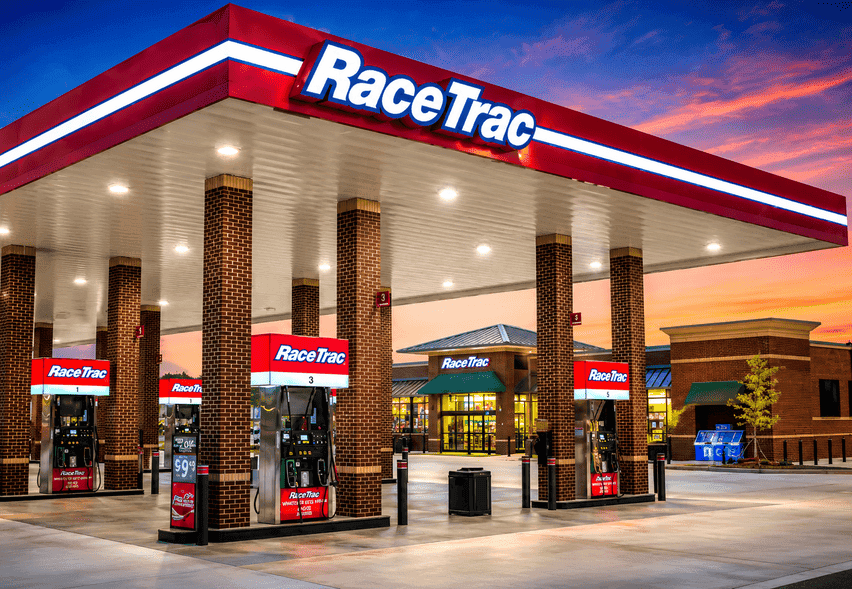
RaceTrac Names Jill Pemberton as New CFO
RaceTrac has appointed Jill Pemberton as chief financial officer, succeeding Karla Ahlert, who moves into the newly created role of chief administrative officer.
News
Aug 26, 2026
RaceTrac has appointed Jill Pemberton as chief financial officer, succeeding Karla Ahlert, who moves into the newly created role of chief administrative officer.
Aug 26, 2026

Create a practical restaurant marketing plan by setting goals, targeting customers, choosing channels, budgeting wisely, scheduling campaigns, and measuring results.
Aug 24, 2026
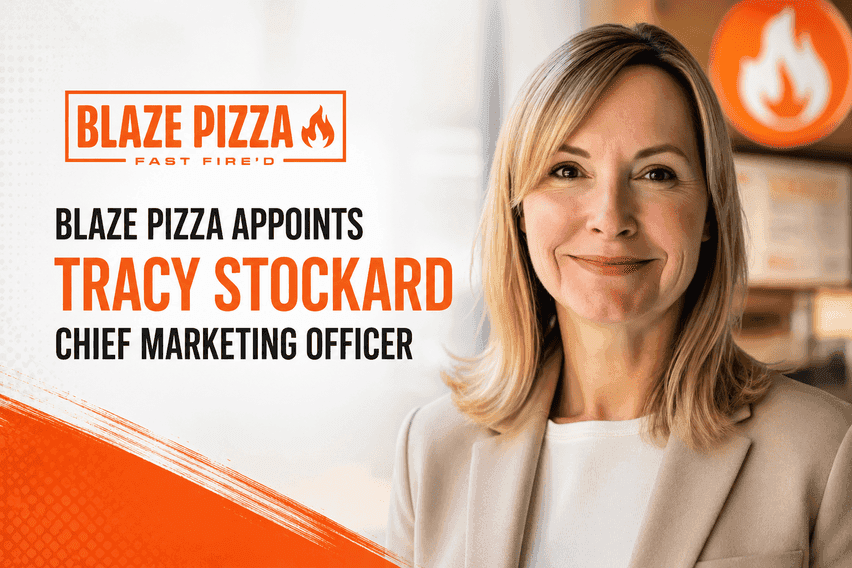
Blaze Pizza welcomes Tracy Stockard as Chief Marketing Officer, bringing decades of brand and franchise experience to drive strategic growth and guest engagement.
Aug 25, 2026
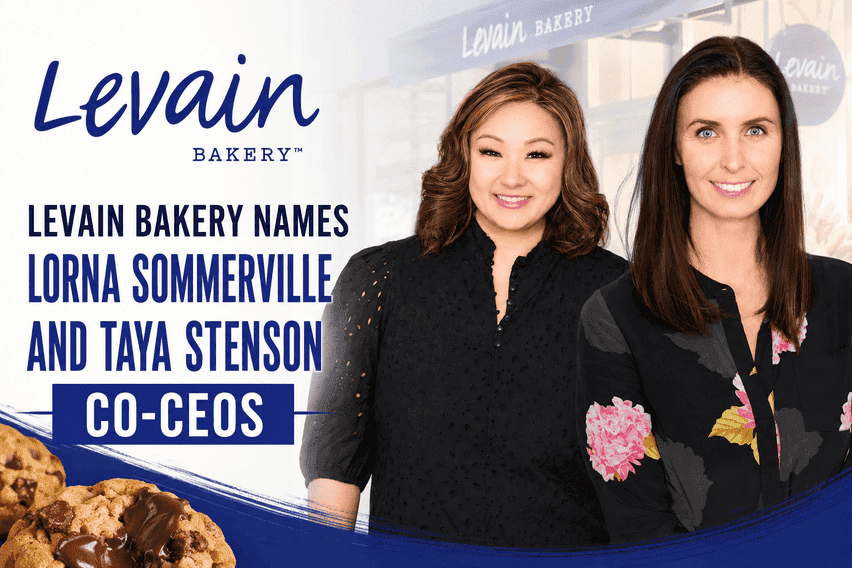
Levain Bakery appoints Lorna Sommerville and Taya Stenson as co-CEOs, blending operational and marketing expertise to power national expansion and innovation while staying rooted in its brand values.
Aug 25, 2026
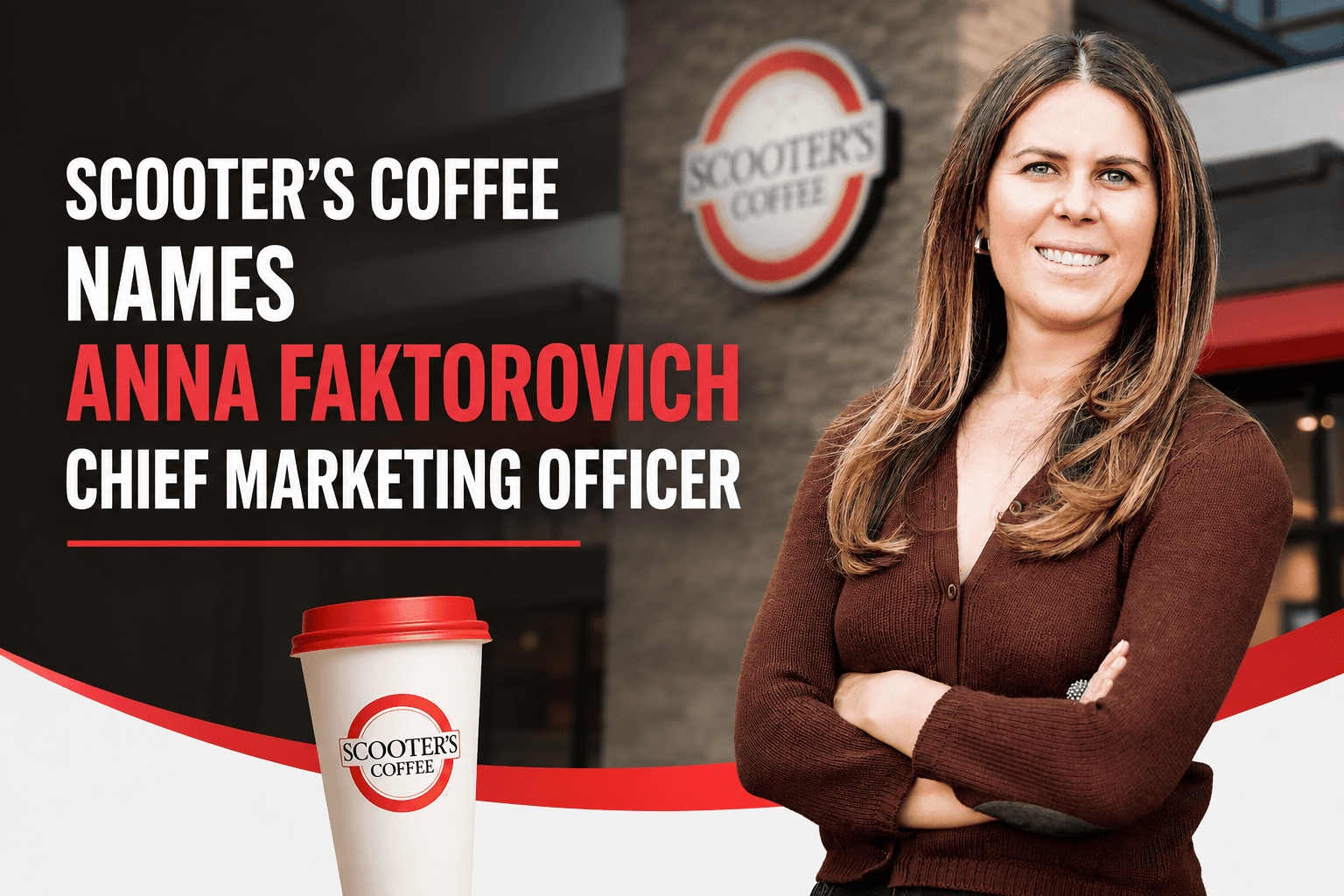
Anna Faktorovich, a seasoned marketing executive, has been named Chief Marketing Officer at Scooter’s Coffee, bringing decades of multi-brand experience to fuel the franchise’s next growth stage.
Aug 25, 2026
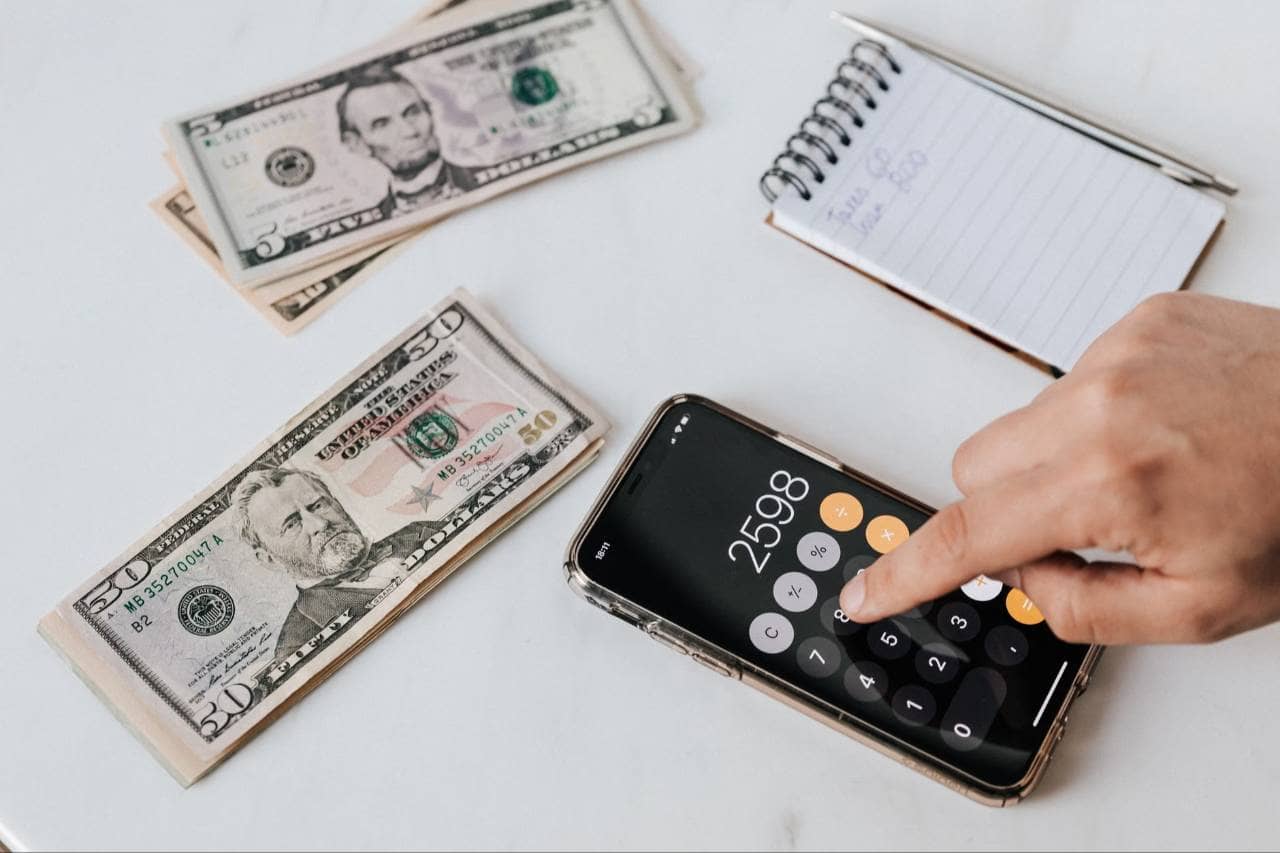
A payroll advance policy helps restaurant owners define eligibility, limits, repayment, documentation, approval procedures, and compliance requirements for employee advances.
Aug 24, 2026
Wendy’s announces Tariq Hassan as Chief Marketing and Customer Growth Officer, charting a new course for brand and digital innovation. What restaurant owners can learn.
Aug 24, 2026
Dave & Buster's refreshes its executive lineup with seasoned leaders in operations, marketing, tech, and finance - signaling a growth-driven future for restaurant operators to watch.
Aug 24, 2026
Learn how to build a restaurant back office software stack that improves efficiency, integrations, reporting, cost control, and scalability overall.
Aug 21, 2026
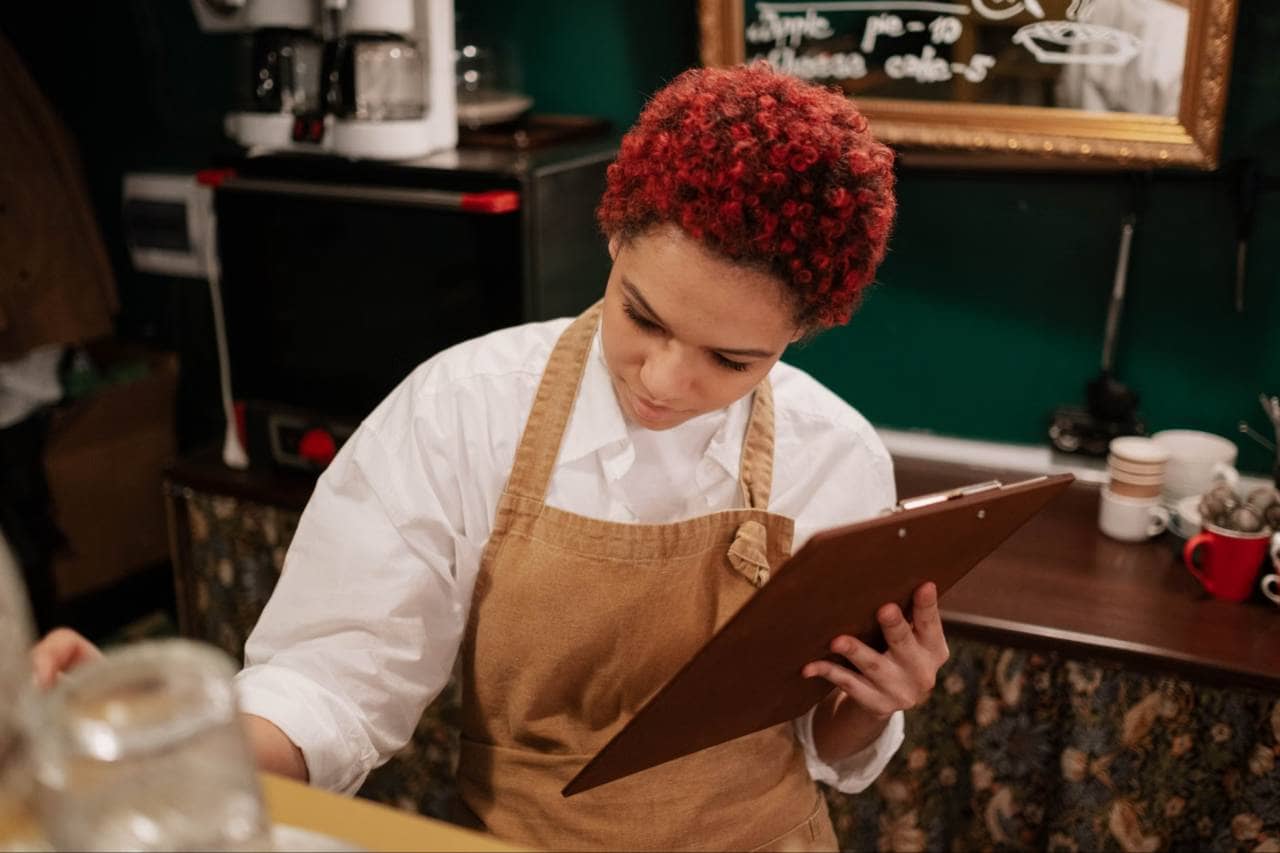
Clear operating procedures help restaurants manage opening, closing, food preparation, sanitation, guest service, inventory, staffing, and routine operational reviews effectively.
Aug 21, 2026

Unlock Exclusive Access To Webinars, Events, And The Latest News For Free!
Wingstop has officially launched Club Wingstop, a new loyalty program designed to improve guest frequency and same-store sales through points accumulation, exclusive flavor access, merchandise drops, and high-profile experiential rewards including NBA tickets and a WWE SummerSlam suite.
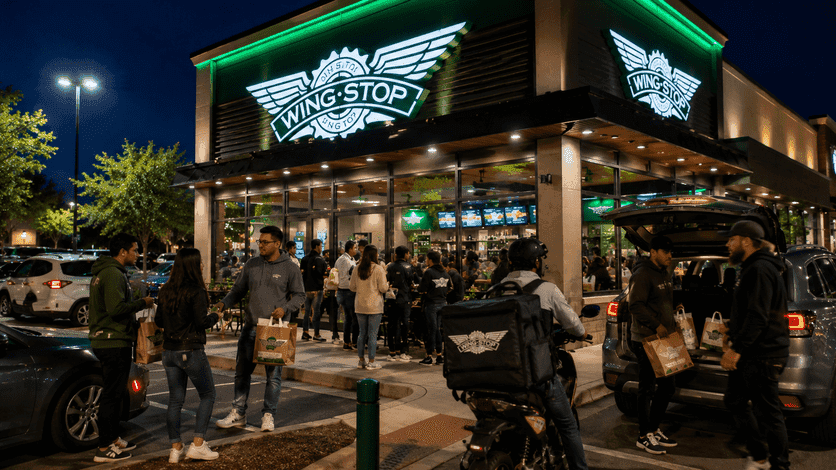
Wingstop has launched Club Wingstop, a new loyalty program aimed at rebuilding guest frequency and reversing a streak of same-store sales struggles. The program went live this week and is already being backed by early pilot data that the chain says shows meaningful improvements in how often customers are coming back. The launch comes at a deliberate moment. Wingstop has faced pressure on comparable sales across recent quarters, and the loyalty program is one of the more direct levers the company has available to drive repeat visits from its existing customer base the people who already know and like the food but may not be ordering as consistently as they once were.
At its core, Club Wingstop operates on a straightforward points model members earn 10 points for every dollar spent. But the program is designed to go well beyond basic points accumulation, which has become table stakes in restaurant loyalty rather than a genuine differentiator on its own. Members get exclusive early access to new flavors before they hit the broader menu, access to merchandise drops, invitations to member-only events, and a group ordering feature that simplifies the process of placing large orders a practical tool given how frequently Wingstop is ordered for group settings. The combination of functional benefits and access-based perks reflects the direction loyalty programs across the industry have been moving - less about discounts, more about making members feel like insiders.
Wingstop didn't launch Club Wingstop without testing it first. CEO Michael Skipworth addressed the program directly on the chain's Q1 2026 earnings call, noting that pilot markets had delivered strong early signals across retention, reactivation of lapsed customers, and overall frequency. He also pointed out that those results came without the full support of national advertising and without the program operating at scale suggesting the numbers could improve further as the rollout broadens and marketing dollars get behind it. For a chain that has been working to stabilize its sales trajectory, those pilot metrics are meaningful. Retention and reactivation in particular speak to the program's ability to bring people back who had drifted away, which is often more cost-effective than acquiring entirely new customers.
To mark the debut, Wingstop is leaning into the cultural side of the brand with a limited-edition Club Box developed in partnership with Maura Higgins, a reality television personality with a strong social media following. The box includes a signature green beret and bag scarf, a Wingstop serving tray, a JBL Bluetooth speaker, a Polaroid camera, custom matchboxes, and a gift card. A limited number of boxes will be available exclusively to Club Wingstop members on June 1, priced at $0.94 a nod to the brand's wing-focused identity. The collaboration is a calculated move to generate buzz around the program launch in a way that reaches younger consumers through channels they actually pay attention to. A limited-quantity drop priced accessibly creates urgency and reinforces the idea that Club Wingstop membership comes with genuine exclusive access.
The Club Box is just the opening act. Wingstop has signaled that more substantial experiential rewards are coming later in 2026, including NBA tickets and access to a suite at WWE SummerSlam. These kinds of high-profile, once-in-a-while experiences are increasingly what separate loyalty programs that build real emotional connection from those that simply offer transactional discounts. The sports and entertainment angle also fits Wingstop's positioning as a brand closely tied to game-day culture. Giving loyal customers access to live events reinforces that identity in a tangible way, making Club Wingstop membership feel like belonging to something rather than just collecting points toward a free order.
Loyalty programs don't fix underlying operational or menu issues on their own, but they can meaningfully accelerate recovery when the fundamentals are sound. For Wingstop, the program addresses a specific problem frequency and retention among existing customers with a tool that the pilot data suggests is already working. The broader industry context matters here too. Chains that have built deep, personalized loyalty ecosystems have generally outperformed those relying on promotional pricing to drive traffic. Wingstop is making a clear statement with Club Wingstop that it intends to compete on engagement and experience rather than discounting its way back to growth. How quickly that translates into same-store sales improvement will be one of the more interesting data points to watch across the rest of 2026.