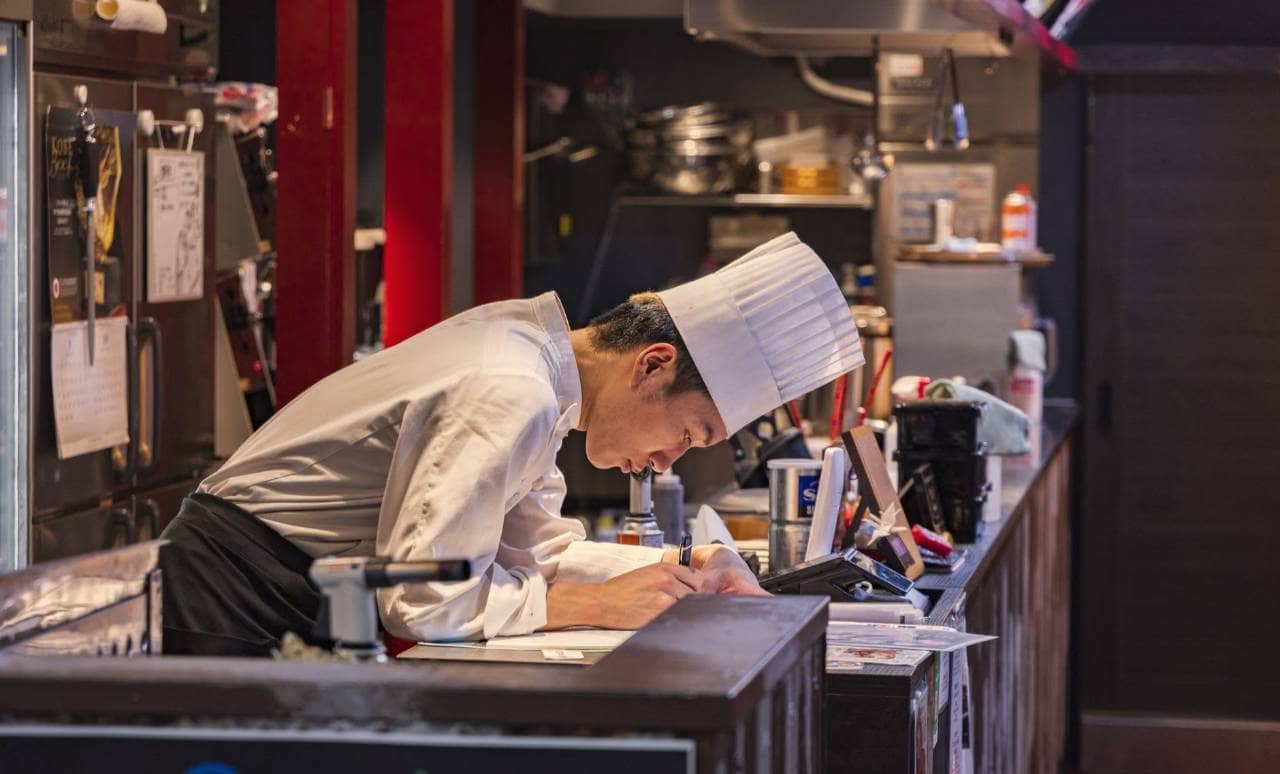
How to Calculate Cost of Goods Sold for a Restaurant
Learn how to calculate restaurant cost of goods using inventory, purchases, COGS percentage, variance reviews, and regular tracking for profitability.
Accounting
Aug 31, 2026
Learn how to calculate restaurant cost of goods using inventory, purchases, COGS percentage, variance reviews, and regular tracking for profitability.
Aug 31, 2026

Explore restaurant technology trends in 2026, including AI, automation, digital ordering, workforce tools, connected kitchens, personalization, and profitability strategies today.
Aug 28, 2026
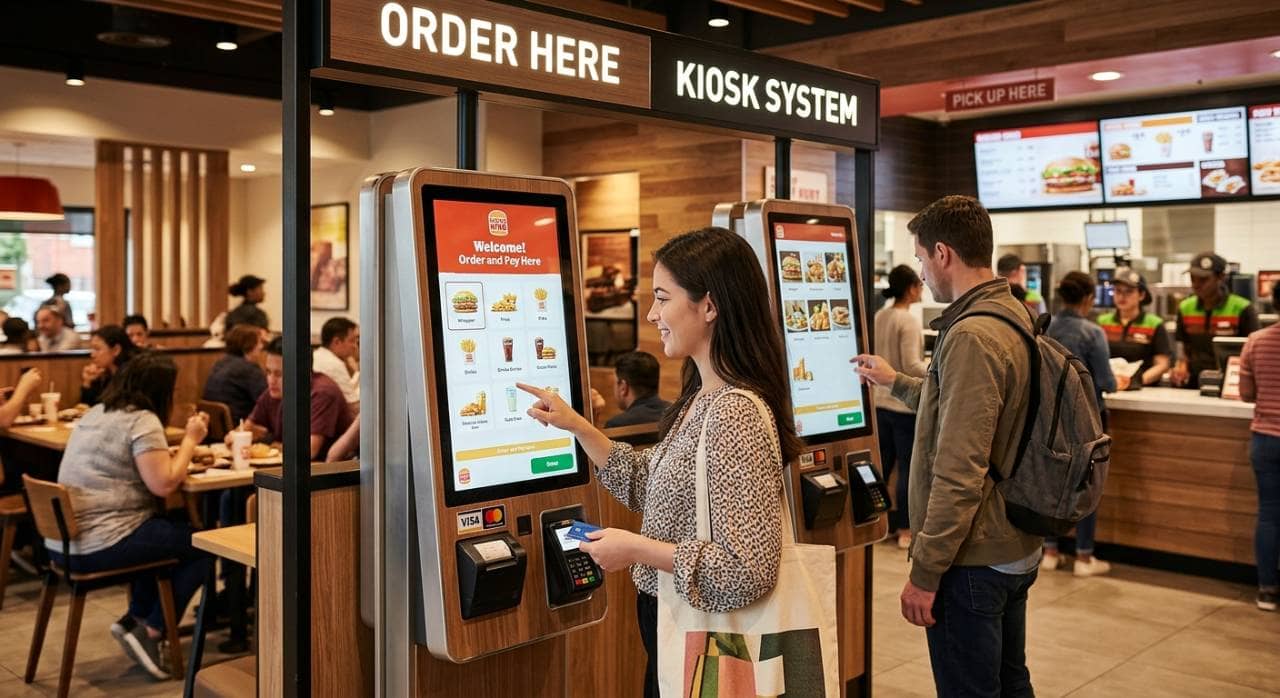
Understand how to evaluate a Kiosk system using key criteria including features, POS integration, hardware, pricing, customer experience, and support.
Aug 31, 2026

Learn the startup costs of opening an ice cream shop, including rent, equipment, renovations, permits, inventory, labor, marketing, and reserves.
Aug 28, 2026
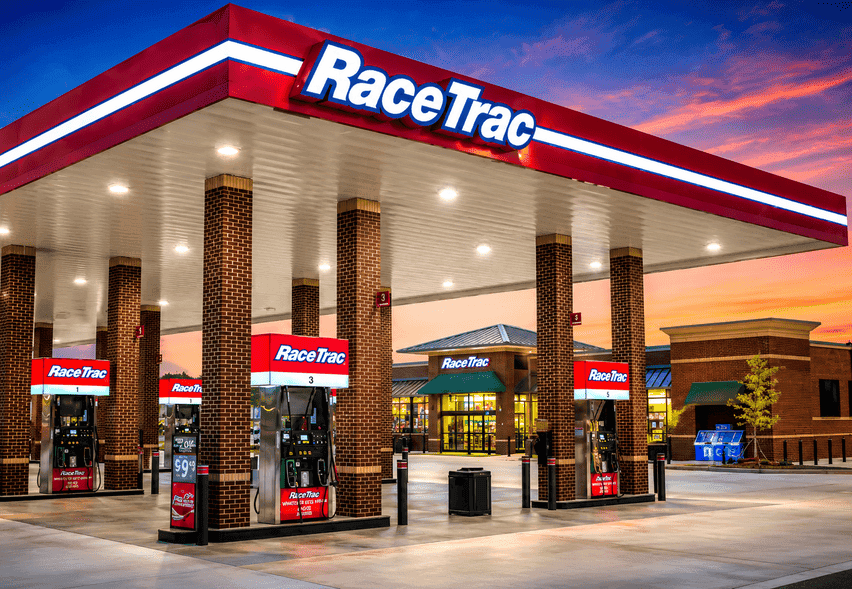
RaceTrac has appointed Jill Pemberton as chief financial officer, succeeding Karla Ahlert, who moves into the newly created role of chief administrative officer.
Aug 26, 2026
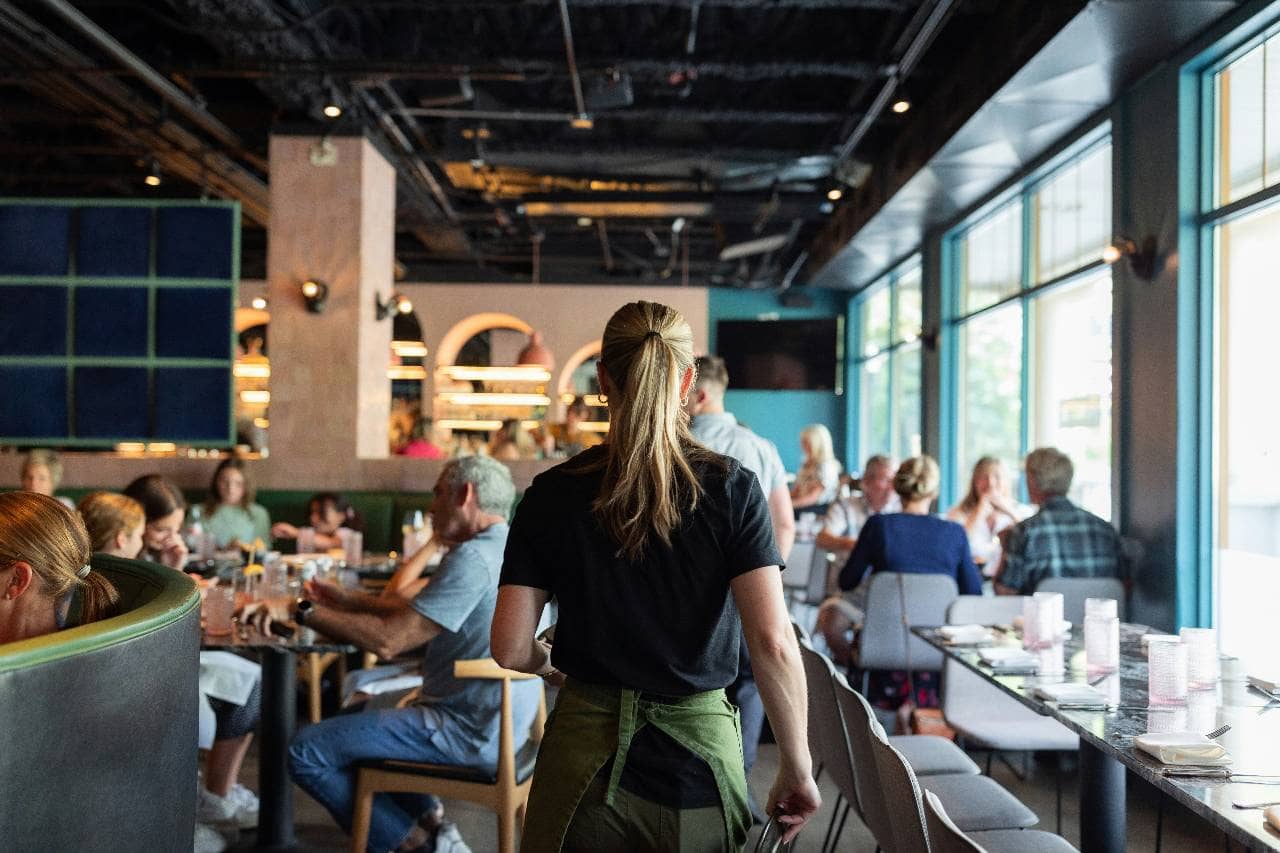
Learn practical ways to reduce labour costs through smarter scheduling, forecasting, productivity, cross-training, automation, overtime control, and performance monitoring strategies.
Aug 26, 2026

A restaurant P&L statement reveals sales, expenses, and profits, helping owners manage costs, improve margins, and plan finances more effectively.
Aug 26, 2026

Create a practical restaurant marketing plan by setting goals, targeting customers, choosing channels, budgeting wisely, scheduling campaigns, and measuring results.
Aug 24, 2026
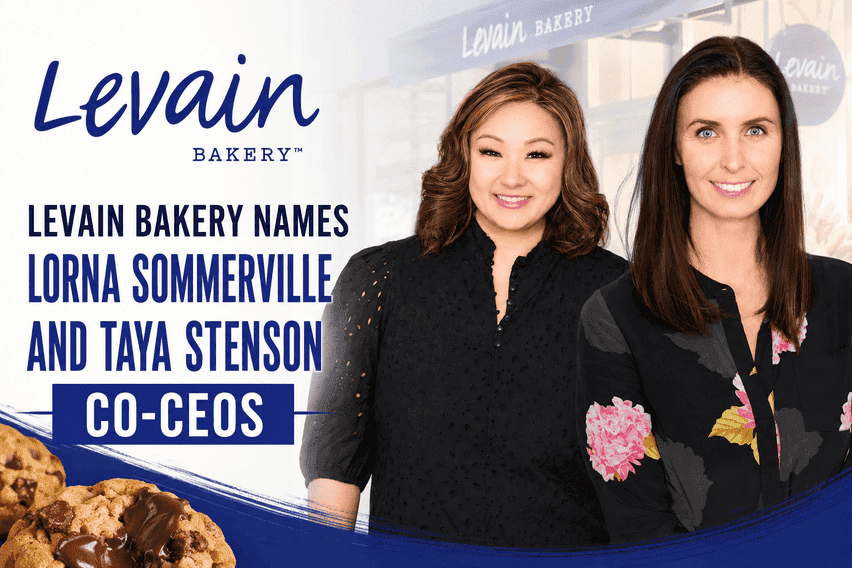
Levain Bakery appoints Lorna Sommerville and Taya Stenson as co-CEOs, blending operational and marketing expertise to power national expansion and innovation while staying rooted in its brand values.
Aug 25, 2026

A payroll advance policy helps restaurant owners define eligibility, limits, repayment, documentation, approval procedures, and compliance requirements for employee advances.
Aug 24, 2026

Unlock Exclusive Access To Webinars, Events, And The Latest News For Free!
Explore how Starbucks is prioritizing cost reduction, brand renovation, menu innovation, and addressing employee benefits to enhance its operations.
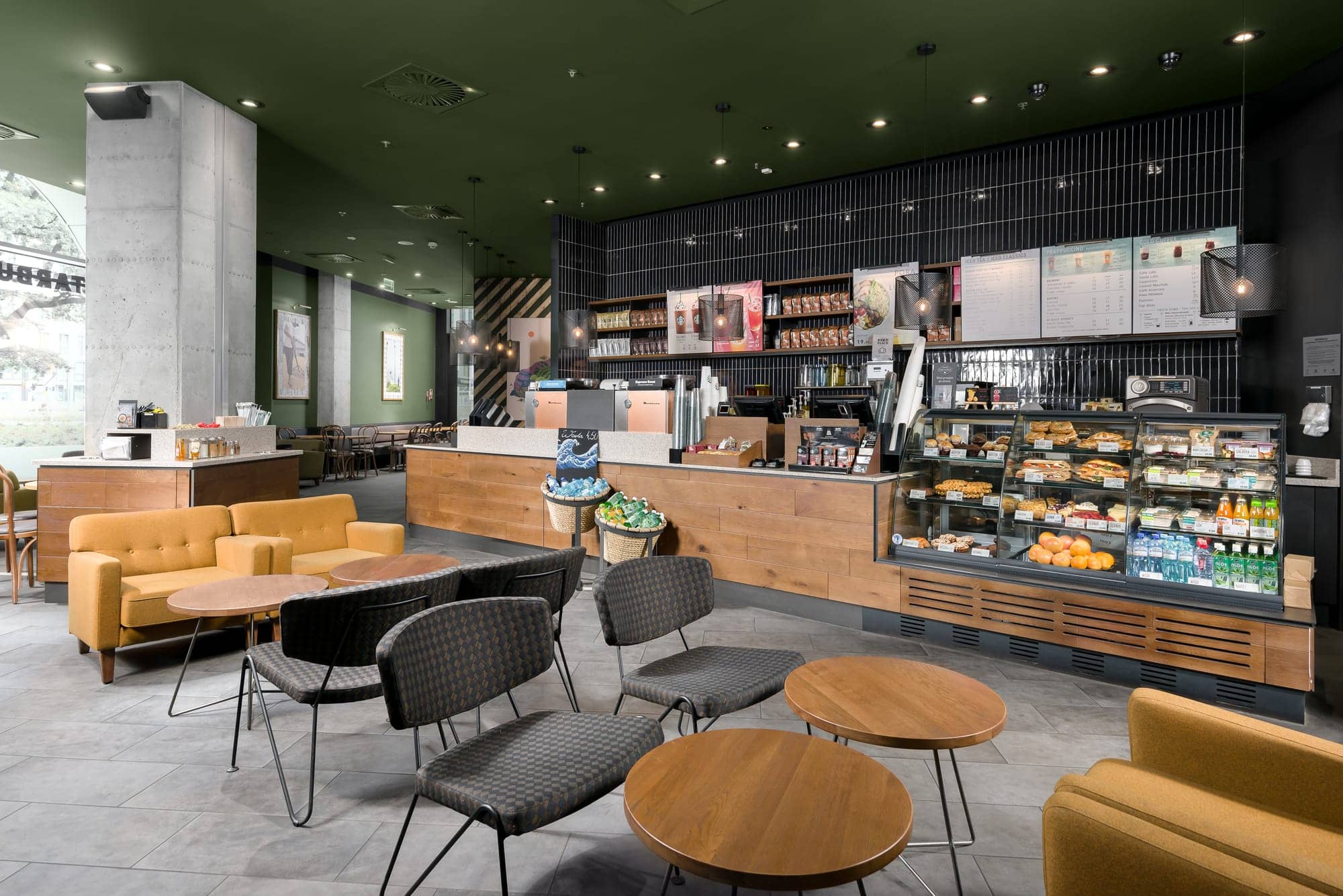
Starbucks, under the leadership of CEO Brian Niccol, has set its sights on significant operational shifts in the coming years, with cost reduction emerging as a top priority. Niccol's emphasis on reducing costs reflects the company's strategic goal to enhance operational efficiency and financial performance. The recent stock awards and Niccol's statements indicate a clear focus on streamlining operations to drive profitability.

In line with its strategy to refocus on the shopfloor experience, Starbucks is undergoing a brand renovation led by Niccol. The Green Apron Service model introduced by Starbucks integrates new service standards, partner plays, and deployment changes to enhance customer experience. This refurbishment effort aims to align with Starbucks' transition towards a coffeehouse-focused approach, emphasizing customer engagement and satisfaction.
As part of its brand overhaul, Starbucks is revamping its menu to attract consumers with new offerings and experiences. The company's move to trim menu items while introducing innovative coffee-forward beverages like the Cortado platform showcases a deliberate shift towards a more curated and engaging menu. By catering to evolving consumer preferences, Starbucks aims to strengthen its market position and drive foot traffic to its stores.

The recent discussions around Starbucks Workers United and employee bonuses bring to light the importance of employee welfare in the company's operations. While the bonuses raised concerns among some, Starbucks emphasizes its commitment to providing competitive benefits to its workforce. By ensuring that hourly workers receive a comprehensive benefits package equivalent to more than $30 per hour for over 20 hours of work per week, Starbucks aims to foster a positive work environment and enhance employee satisfaction.
Despite its efforts to improve employee benefits, Starbucks faces scrutiny over income inequalities within its workforce, with the median employee earning below the federal poverty line for an individual. This disparity underscores the ongoing challenges companies like Starbucks encounter in balancing profitability with equitable compensation. As Starbucks navigates these complexities, addressing income inequalities is likely to be a key area of focus to ensure sustainable growth and employee well-being.