.png&w=3840&q=70)
Wendy's Top Franchisee Bankruptcy Exposes Growth Risks
Meritage Hospitality's Chapter 11 filing pulls 5% of Wendy's U.S. stores into bankruptcy, exposing cracks in franchising's bigger-is-safer bet.
Franchising
Sep 21, 2026
Meritage Hospitality's Chapter 11 filing pulls 5% of Wendy's U.S. stores into bankruptcy, exposing cracks in franchising's bigger-is-safer bet.
Sep 21, 2026
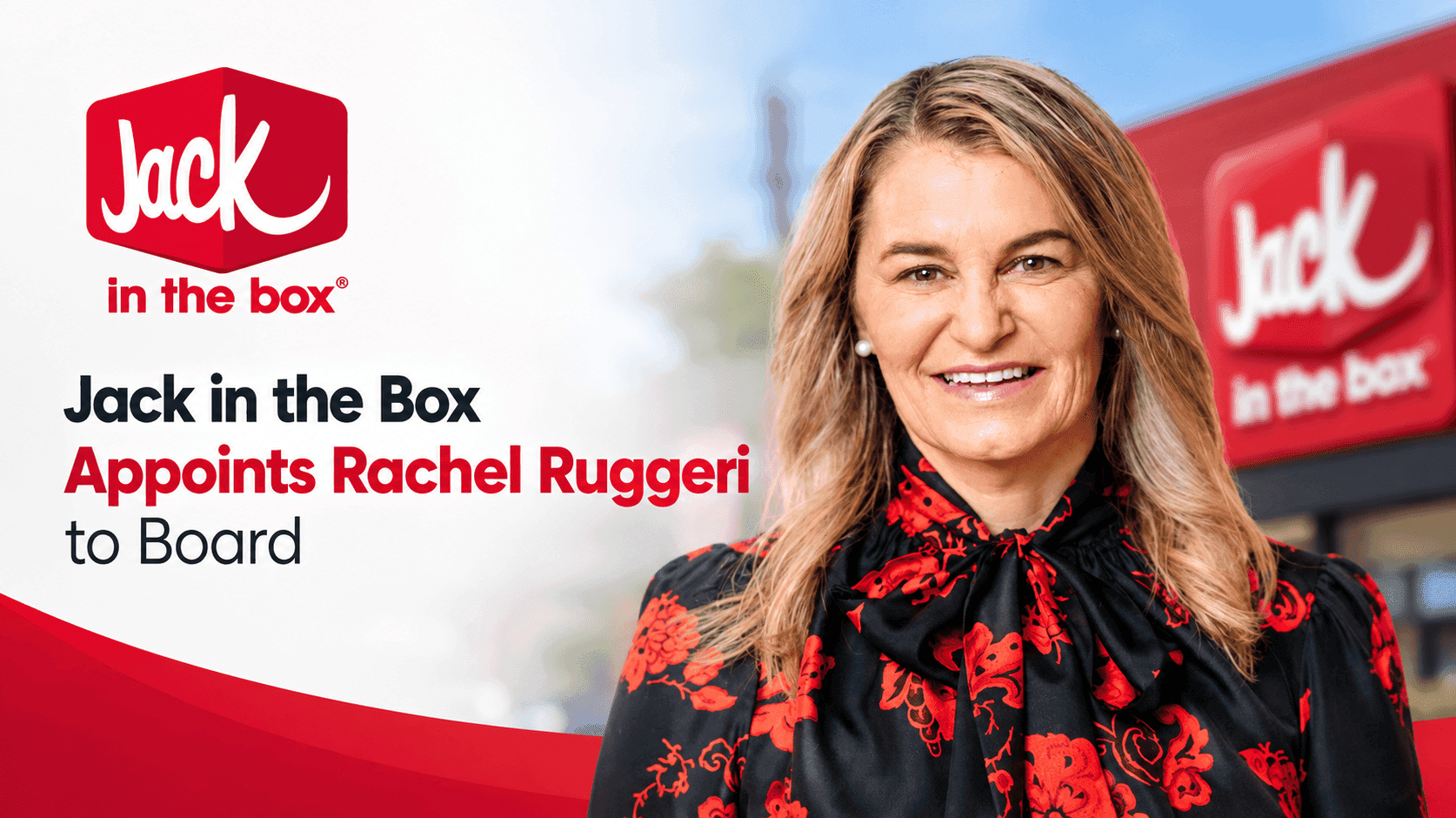
Jack in the Box names Rachel Ruggeri to its board as Michael Murphy retires, amid a CEO transition and deal with investor GreenWood.
Sep 21, 2026

Restaurant owners can significantly reduce restaurant costs by leveraging technology across inventory, labor, procurement, forecasting, and administrative operations for better profit margins.
Sep 18, 2026

Understand how to forecast restaurant revenue and expenses with methods for sales projection, cost scaling, fixed-cost planning, and risk buffering.
Sep 18, 2026

everbowl names Anna Gabele Brand President and Natalie Trzcinski COO, pulling both from Jack in the Box to guide its next growth phase.
Sep 18, 2026

Mountain Mike's Pizza hires Jack in the Box veteran Sheena Dougher as CMO to drive national growth while preserving its regional brand identity.
Sep 17, 2026

From fixed costs to contribution margin, learn exactly how to calculate your restaurant's break even point with confidence.
Sep 16, 2026

DoorDash pays $425M for Wonder's campus dining platform and a stake in Wonder, betting on robotic kitchens and institutional foodservice growth.
Sep 16, 2026

Discover the most common reasons restaurants fail, including inconsistent food quality and pricing mistakes, plus practical ways to avoid them.
Sep 16, 2026
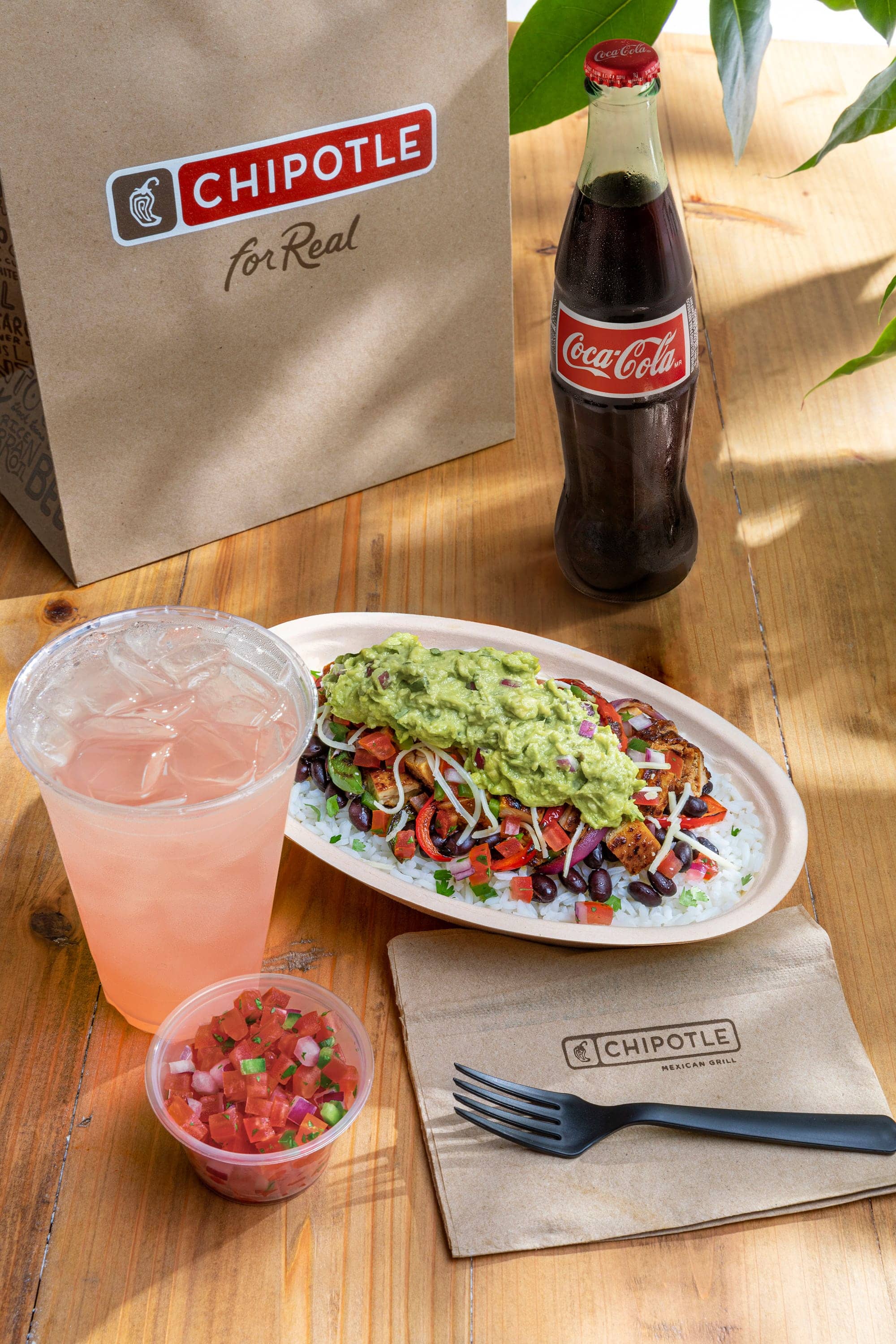
Chipotle names former KFC global CEO Sabir Sami to its board as the chain expands into Mexico, Saudi Arabia, and South Korea.
Sep 15, 2026

Unlock Exclusive Access To Webinars, Events, And The Latest News For Free!
Learn why profitable restaurants can still face cash shortages, understand the difference between cash flow and profit, and discover strategies to keep your business financially healthy.

You just crushed a massive Saturday night service. The dining room was packed from five until ten, the bar was full, and your ticket times were perfect. A few days later, your bookkeeper sends over your monthly numbers, showing a healthy, double-digit net income. You are officially running a highly profitable restaurant. But then Tuesday hits. Your payroll goes through, your main food supplier auto-deducts their bill, and state taxes are due. You log into your business bank account and your stomach drops. The account is almost empty. How is it possible to make so much money on paper, yet have barely enough cash to keep the lights on? This is the reality of cash flow vs. profit. This core disconnect is exactly why incredibly busy, critically acclaimed, and seemingly successful restaurants close their doors every single day. You cannot pay your cooks or your landlord with "profit." You can only pay them with cash. To survive and grow, you must master the mechanics behind these two very different numbers. Let’s break down exactly why the gap between your profit and your bank balance exists, and how you can take control of your money before it takes control of you.
Before we look at the leaks in your restaurant's finances, we need to establish the basic difference between these two concepts. Profit is an accounting idea. It is the core math of your Profit & Loss (P&L) statement - Sales minus Expenses equals Profit. If you sell a burger for $20, and the total cost of the beef, bun, labor, and overhead to produce it is $18, you have a $2 profit. The P&L records that $2 win the moment you ring the burger into your POS system. It simply measures if your business model works. Cash Flow, on the other hand, is the actual, physical movement of money into and out of your checking account. Cash flow cares entirely about timing. The reason profitable restaurants run out of money is that the timing of an expense on a P&L rarely matches the exact moment the cash leaves your bank account. If your cash goes out before your new sales come in, your business will suffocate, regardless of how much profit you show on paper.
Let's step off the spreadsheet and onto the floor. Here are five real-world scenarios where profit and cash flow split apart.

Restaurant businesses with strong forecasting and inventory controls are generally better positioned to manage seasonal demand fluctuations and rising supplier costs.
Now that you know where the money hides, you must actively manage the gap. Avoid these common management mistakes -
Transitioning from a profit-only mindset to a cash-flow mindset requires building new habits. Implement these routines into your weekly schedule -
Operating a restaurant is incredibly demanding, but all the culinary brilliance in the world cannot save a business that cannot make payroll. Understanding cash flow vs. profit is the ultimate key to staying open. A profitable P&L proves that your food and pricing work; a healthy cash flow ensures that you actually survive to see another service. Take control of your inventory, leverage your supplier terms, separate your tax money, and start managing the actual movement of your cash. Ready to stop stressing over payroll Tuesday and take total control of your restaurant’s financial future? Explore our library of forecasting templates, financial software guides, and expert operational tools at RestaurantAssociation.com to build a bulletproof, cash-positive business.