
Pei Wei Wins Best Fast-Casual Chain Award
Pei Wei Asian Kitchen named Best Fast-Casual Chain in Reviewed 2026 Awards, reflecting shift from price competition to quality and transparency.
News
Sep 11, 2026
Pei Wei Asian Kitchen named Best Fast-Casual Chain in Reviewed 2026 Awards, reflecting shift from price competition to quality and transparency.
Sep 11, 2026

O'Charley's shuttered all corporate restaurants nationwide on September 9, 2026, ending its 55-year legacy as a casual-dining regional powerhouse.
Sep 11, 2026
Authentic Restaurant Brands lands $325M investment from Trimontium to fuel disciplined regional expansion across five established restaurant concepts.
Sep 11, 2026

Walmart expands restaurant delivery beyond Subway and Dunkin', taking on DoorDash, Uber Eats, and Grubhub with Papa Johns nationwide rollout.
Sep 11, 2026

Complete NFL season restaurant checklist covering licensing, AV setup, menu prep, inventory, staffing, and marketing before kickoff arrives.
Sep 11, 2026

California shifts to public enforcement strategy against Dickey's for deceptive franchise disclosures, signaling stricter state-level franchise oversight.
Sep 10, 2026
Paul Brown temporarily steps away from Inspire Brands as Scott Murphy assumes interim CEO role during confidential IPO filing process targeting late 2026.
Sep 10, 2026
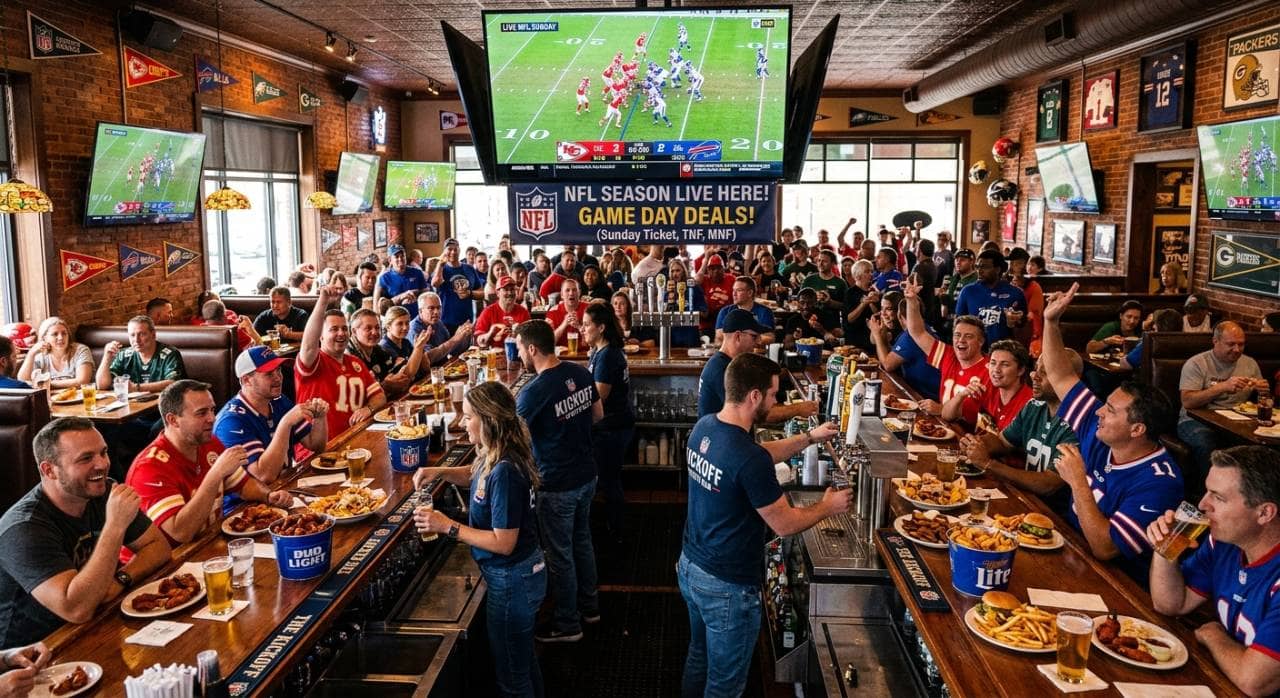
Prepare your restaurant for NFL season with smart menu planning, staffing, marketing, technology, and atmosphere strategies that boost season-long revenue.
Sep 9, 2026
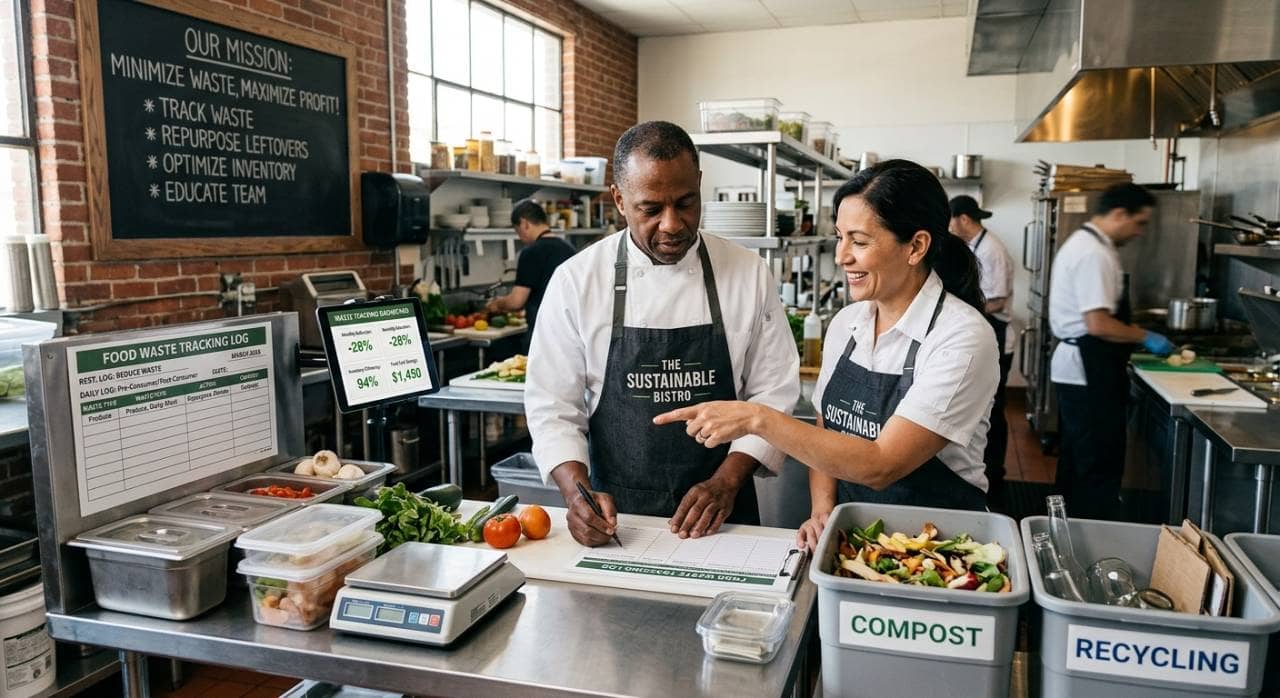
Learn how to reduce food waste in restaurants through smarter purchasing, storage, preparation, and service strategies that cut costs.
Sep 9, 2026
Swig signs franchise agreement for 11 South Denver locations, marking Colorado entry and validating its national expansion strategy.
Sep 8, 2026

Unlock Exclusive Access To Webinars, Events, And The Latest News For Free!
Learn food cost management strategies to control inventory, reduce waste, improve purchasing, standardize portions, optimize pricing, and protect restaurant profits.
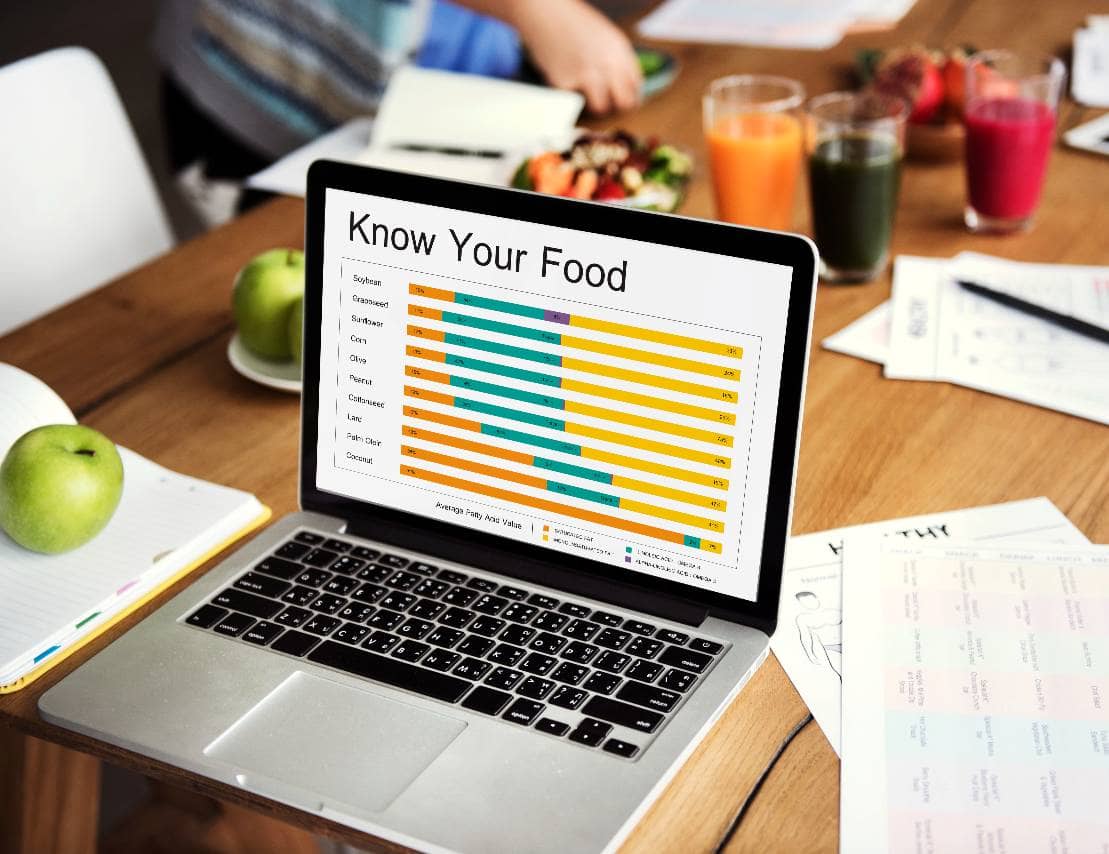
Before improving food cost management, restaurant owners need a clear picture of how much they are currently spending on the ingredients used to produce menu items. Without an accurate baseline, it becomes difficult to determine whether food costs are improving, identify where unnecessary spending is occurring, or measure the impact of operational changes. Start by calculating your restaurant's food cost percentage. This compares the cost of food used during a specific period with the food sales generated during the same period. For example, if your restaurant uses $12,000 worth of food ingredients while generating $40,000 in food sales, your food cost percentage is 30%. However, looking at one restaurant-wide percentage is only the beginning. Owners should break food costs down further by menu category, ingredient, supplier, location, and accounting period whenever possible. This can make it easier to identify where costs are increasing. Review the main expenses affecting your food costs, including - 1. Ingredient purchases - The amount spent purchasing meat, produce, dairy, dry goods, and other food products. 2. Inventory changes - Differences between beginning and ending inventory that affect the true cost of food used. 3. Ingredient price increases - Supplier price changes that can gradually reduce menu margins. 4. Waste and spoilage - Food that is purchased but never generates revenue. 5. Portion inconsistencies - Extra ingredients used because portions are not properly controlled. 6. Preparation mistakes - Incorrectly prepared or remade orders that increase ingredient usage. Restaurant owners should also monitor food costs regularly rather than waiting until the end of the month. Weekly tracking can help managers identify sudden increases in ingredient prices, unusual inventory usage, or excessive waste before those problems significantly affect profitability. Once you understand where your food dollars are going, you can establish realistic food cost targets and focus your food cost management efforts on the areas creating the largest unnecessary expenses.
One of the most effective ways to improve food cost management is to compare actual food costs with theoretical food costs. This comparison helps restaurant owners determine whether ingredients are being used as efficiently as expected. Theoretical food cost is what your food should cost based on standardized recipes, portion sizes, menu sales, and current ingredient prices. Actual food cost is what the restaurant really spends after accounting for inventory usage, purchases, waste, overportioning, spoilage, mistakes, and other operational factors. For example, suppose your menu sales indicate that your restaurant should have used $9,000 worth of ingredients during the week. If inventory records show that you actually used $10,500, there is a $1,500 food cost variance that should be investigated. Common causes of food cost variance include - 1. Overportioning - Employees consistently serving more food than recipes specify. 2. Unrecorded waste - Spoiled, dropped, or incorrectly prepared food that is not documented. 3. Recipe inconsistencies - Employees preparing menu items differently across shifts. 4. Inventory errors - Incorrect counts, missing products, or inaccurate unit conversions. 5. Supplier price changes - Ingredient costs increasing without recipe costs being updated. 6. Unauthorized food usage - Employee meals, theft, or ingredients used without being recorded. 7. Incorrect order preparation - Remakes and complimentary meals that consume additional ingredients. Restaurant owners should track the variance as both a dollar amount and a percentage. A small percentage difference can become significant when applied across thousands of transactions. Review variances by ingredient, menu item, category, and location rather than relying only on one restaurant-wide number. For example, unusually high usage of chicken may indicate portioning problems, while higher-than-expected produce costs could point to spoilage or preparation waste. The goal is not necessarily to eliminate every difference between theoretical and actual food costs. Some variance is unavoidable. Instead, managers should look for recurring or unusually large gaps and investigate their causes. Consistently monitoring these differences gives restaurant owners a more precise way to identify unnecessary spending and improve food cost control.

Strong inventory management is essential for controlling food costs because every ingredient sitting in storage represents money the restaurant has already spent. Poor inventory practices can lead to overordering, spoilage, shortages, duplicate purchases, and unnecessary waste. Start by conducting consistent inventory counts on a regular schedule. Many restaurants track high-value or fast-moving ingredients more frequently than lower-cost items. Using the same counting process, units of measurement, and storage order each time can make inventory data more reliable. Restaurant owners should also establish par levels for key ingredients. A par level represents the amount of inventory needed to meet expected demand without carrying excessive stock. If a restaurant routinely keeps more product than it can use before expiration, cash becomes tied up in inventory and the risk of spoilage increases. Other important inventory practices include - 1. Use FIFO rotation - Place older products in front of newer deliveries so they are used first. 2. Label and date ingredients - Clear labeling helps employees identify products that should be used before they expire. 3. Organize storage areas - Consistent shelf locations make counting easier and reduce forgotten inventory. 4. Monitor high-cost ingredients - Meat, seafood, cheese, and other expensive items may require tighter controls. 5. Track inventory variance - Compare recorded inventory with expected usage to identify unusual losses or counting errors. 6. Adjust ordering to demand - Use sales forecasts and historical usage to avoid purchasing more inventory than the restaurant needs. For example, if a restaurant purchases $3,000 of fresh produce each week but regularly discards $300 due to spoilage, approximately 10% of those purchases are not generating revenue. Reducing that waste can directly improve food cost performance. Inventory data should also be connected to purchasing and sales information whenever possible. When managers can see what was purchased, what was sold, and what remains in stock, they have a clearer picture of how ingredients are moving through the restaurant. Better inventory management does more than reduce waste. It helps restaurant owners make more accurate purchasing decisions, protect cash flow, identify unusual ingredient usage, and maintain tighter control over overall food costs.
Standardized recipes and portion controls help restaurant owners reduce unnecessary ingredient usage and make food costs more predictable. When employees prepare the same menu item differently, even small inconsistencies can increase food costs over hundreds or thousands of orders. Create a standardized recipe for every menu item. Each recipe should specify the exact ingredients, quantities, portion sizes, preparation methods, and plating requirements. This gives employees a clear reference and helps management calculate the expected cost of producing each dish. Portion control is equally important. For example, if a menu item is designed to include 6 ounces of chicken but employees regularly serve 7 ounces, the restaurant is using about 16.7% more chicken per serving than planned. Across a high-volume menu item, that difference can significantly increase food costs. Restaurants can improve consistency by using - 1. Digital scales for proteins and other high-cost ingredients. 2. Standardized scoops and ladles for sauces, sides, and toppings. 3. Pre-portioned ingredients for frequently ordered items. 4. Recipe cards or digital recipe guides with exact preparation instructions. 5. Regular employee training to reinforce portion standards. 6. Periodic portion audits to identify inconsistencies before they become routine. Restaurant owners should also update recipe costs whenever supplier prices change. A recipe that was profitable six months ago may have a much higher food cost today if the price of meat, dairy, produce, or other ingredients has increased. It is also useful to compare the expected ingredient usage from standardized recipes with actual inventory usage. If the restaurant sells 500 portions of an item that should use 6 ounces of chicken each, managers can calculate the expected amount of chicken consumed and compare it with inventory records. Standardization does not mean sacrificing food quality. Instead, it creates consistency. Customers receive the same portion each time, employees have clearer preparation guidelines, and restaurant owners gain greater control over ingredient usage and menu profitability.
Food waste directly increases restaurant food costs because every discarded ingredient represents money spent without generating revenue. Improving food cost management therefore requires restaurant owners to identify where waste occurs and establish systems to reduce it. Start by separating food waste into categories. Common sources include spoilage, preparation waste, overproduction, incorrect orders, dropped food, and plate waste. Tracking each category makes it easier to determine whether the problem begins during purchasing, storage, preparation, or service. For example, if a restaurant purchases $20,000 in food each month and discards $1,000 worth of ingredients, that waste represents 5% of total food purchases. Reducing even part of that loss can improve food cost performance without increasing menu prices or sales volume. Restaurant owners can reduce waste by focusing on several areas - 1. Track discarded food - Record what was wasted, how much it cost, and why it was discarded. 2. Improve forecasting - Match prep quantities and purchasing levels more closely to expected customer demand. 3. Control preparation waste - Train employees on proper trimming, cutting, and ingredient handling techniques. 4. Monitor spoilage - Check expiration dates and rotate inventory consistently. 5. Reduce overproduction - Prepare smaller batches when demand is uncertain instead of producing excessive quantities in advance. 6. Analyze plate waste - Repeatedly unfinished sides or oversized portions may indicate opportunities to adjust serving sizes. 7. Record mistakes and remakes - Tracking incorrect orders can reveal training or communication problems that increase food usage. Waste records should be reviewed regularly rather than simply collected. Managers can calculate the dollar value of waste by ingredient, shift, or reason and identify recurring patterns. For instance, frequent produce spoilage may suggest excessive ordering, while repeated protein waste could indicate poor trimming or portioning practices. Reducing food waste should focus on eliminating preventable losses rather than simply using less food. By measuring where ingredients are being lost and addressing the underlying causes, restaurant owners can protect inventory, lower food costs, and improve overall profitability.
Restaurant purchasing decisions have a direct effect on food costs. Even when inventory and portion controls are strong, rising supplier prices, unnecessary purchases, incorrect deliveries, and unfavorable purchasing terms can gradually increase the cost of producing menu items. Review what your restaurant pays for high-volume and high-cost ingredients. Products such as proteins, seafood, dairy, cooking oil, and produce can have a significant impact on total food spending. Tracking price changes over time helps owners identify when ingredient costs are increasing and determine whether purchasing adjustments are needed. Restaurant owners can strengthen purchasing controls by - 1. Compare supplier pricing - Regularly review prices from approved vendors instead of assuming current pricing remains competitive. 2. Monitor price changes - Track the cost per pound, case, unit, or other consistent measurement for important ingredients. 3. Purchase according to demand - Use sales forecasts, inventory levels, and par levels to determine how much product is actually needed. 4. Consolidate purchases when appropriate - Higher purchasing volume may provide opportunities to negotiate better pricing or delivery terms. 5. Review substitutions - Make sure supplier substitutions meet the restaurant's quality, portion, and cost requirements. 6. Verify every delivery - Compare delivered quantities, prices, product specifications, and invoice totals with the original purchase order. 7. Track supplier performance - Monitor late deliveries, incorrect products, missing items, quality problems, and frequent price changes. Receiving controls are especially important. For example, if a restaurant orders 10 cases of an ingredient at $80 per case but receives only nine while being billed for all 10, the restaurant immediately loses $80 unless the discrepancy is identified. Owners should also evaluate purchasing decisions based on usable yield, not simply the lowest purchase price. A less expensive ingredient may produce more trimming waste or smaller usable portions, making its true cost higher. Supplier management should be an ongoing process rather than an occasional price comparison. By consistently reviewing prices, purchase quantities, invoices, product quality, and supplier performance, restaurant owners can identify unnecessary spending and maintain tighter control over food costs.
Food cost management should not focus only on reducing expenses. Restaurant owners also need to make sure menu prices generate enough revenue to cover ingredient costs and support healthy margins. Calculate the food cost percentage for individual menu items. For example, if a dish costs $6 to prepare and sells for $20, its food cost percentage is 30%. If ingredient costs rise to $7 while the selling price stays the same, the food cost percentage increases to 35%, reducing the amount left to cover labor, rent, utilities, and profit. Restaurant owners should review menu performance using several metrics - 1. Food cost percentage - Shows how much of the selling price is consumed by ingredient costs. 2. Contribution margin - Measures how much revenue remains after subtracting the food cost of an item. 3. Sales volume - Identifies which menu items generate the most orders. 4. Menu mix - Shows how much each item contributes to overall sales. 5. Ingredient price changes - Helps identify dishes whose profitability has declined because of rising costs. 6. Waste levels - Reveals whether certain menu items create excessive trimming, spoilage, or unused ingredients. For example, two dishes may both have a 30% food cost percentage, but their contribution margins can be very different. A $10 item with a $3 food cost generates a $7 contribution margin, while a $25 item with a $7.50 food cost generates $17.50. Restaurant owners should regularly identify items with high food costs, low margins, or weak sales. Depending on the results, they may adjust prices, modify portion sizes, change ingredients, revise recipes, or remove underperforming items. Pricing decisions should also account for customer demand and competitive positioning. Raising prices too aggressively can reduce perceived value, while prices that remain unchanged despite rising ingredient costs can gradually erode profitability. By reviewing both menu costs and sales performance, restaurant owners can make more informed pricing decisions and ensure that food cost management supports overall profitability rather than simply focusing on spending less.
Technology can make food cost management more accurate by connecting inventory, purchasing, recipes, sales, and reporting in one system. Instead of relying entirely on spreadsheets or manual calculations, restaurant owners can use digital tools to identify cost changes faster and make more informed decisions. Inventory management software can help track ingredient quantities, usage, and valuation. When inventory data is connected with sales information, managers can compare what should have been used based on menu sales with what was actually consumed. Technology can also improve several other areas of food cost control - 1. Recipe costing - Automatically update menu item costs when ingredient prices change. 2. Inventory tracking - Monitor stock levels, inventory value, and usage trends across accounting periods. 3. Purchasing - Compare orders with inventory needs and reduce unnecessary purchases. 4. Supplier price monitoring - Identify significant increases in ingredient costs before they substantially affect margins. 5. Waste tracking - Record discarded ingredients and calculate the financial impact of spoilage, mistakes, and overproduction. 6. Sales forecasting - Estimate future demand so managers can purchase and prepare appropriate quantities. 7. Variance reporting - Compare theoretical and actual food costs to identify unusual ingredient usage. 8. Multi-location reporting - Compare food cost performance across restaurant locations using consistent metrics. For example, suppose an ingredient increases from $2.00 to $2.40 per portion. That represents a 20% increase in ingredient cost. If the restaurant sells 2,000 portions each month, the increase adds $800 in monthly food costs unless pricing, portions, purchasing, or recipes are adjusted. Automated reporting makes these changes easier to identify before they become larger profitability problems. Restaurant owners should focus on technology that provides actionable information rather than simply generating more data. Dashboards and reports should make it easy to see food cost percentage, inventory variance, waste, ingredient price changes, and menu profitability. Ultimately, technology supports better food cost management by giving owners greater visibility into where money is being spent, where losses are occurring, and where operational changes can have the greatest financial impact.
