Pizza Hut’s $1.2B China Sale Shakes Up Market
Yum! Brands has finalized a $1.2B deal to transfer Pizza Hut China to Yum China Holdings, signaling big strategic moves for both global franchisors and operators.
Aug 7, 2026
Yum! Brands has finalized a $1.2B deal to transfer Pizza Hut China to Yum China Holdings, signaling big strategic moves for both global franchisors and operators.
Aug 7, 2026
Panera Bread appoints industry veteran Andy Rebhun as Chief Marketing Officer, ushering in a new era of brand growth and consumer engagement.
Aug 7, 2026
Portillo’s trims 18% of its corporate staff in a bid to refocus resources on restaurant excellence and navigate operational challenges. Discover what the changes mean for the chain’s future.
Aug 7, 2026
Scheduling software helps restaurants save time, control labor costs, improve communication, prevent conflicts, support compliance, and make smarter staffing decisions.
Aug 5, 2026
Portillo’s trims corporate and field roles by 18% in a strategic shake-up to support future growth after soft traffic and sales. Read what this means for multi-unit operators.
Aug 6, 2026
Dutch Bros invests $105 million to acquire Salad and Go’s closed locations, targeting rapid expansion in key southern markets. Learn what this means for multi-unit restaurant owners and operators.
Aug 6, 2026
Salad and Go's bankruptcy and closure offer key lessons on growth, risk management, and market dynamics for restaurant leaders. See what every operator can learn.
Aug 5, 2026
Learn how to calculate prime cost, track food and labor expenses, measure percentages, identify problems, and improve restaurant profitability consistently.
Aug 5, 2026
Portillo’s announces industry veteran Kevin Kalicak as its new CFO and Treasurer, underscoring the brand’s growth strategy and financial vision.
Aug 5, 2026
Skye Anderson will lead McDonald's USA as its new president, stepping in to accelerate growth and revive sales. Learn how her leadership could shape the future of the restaurant industry.
Aug 4, 2026
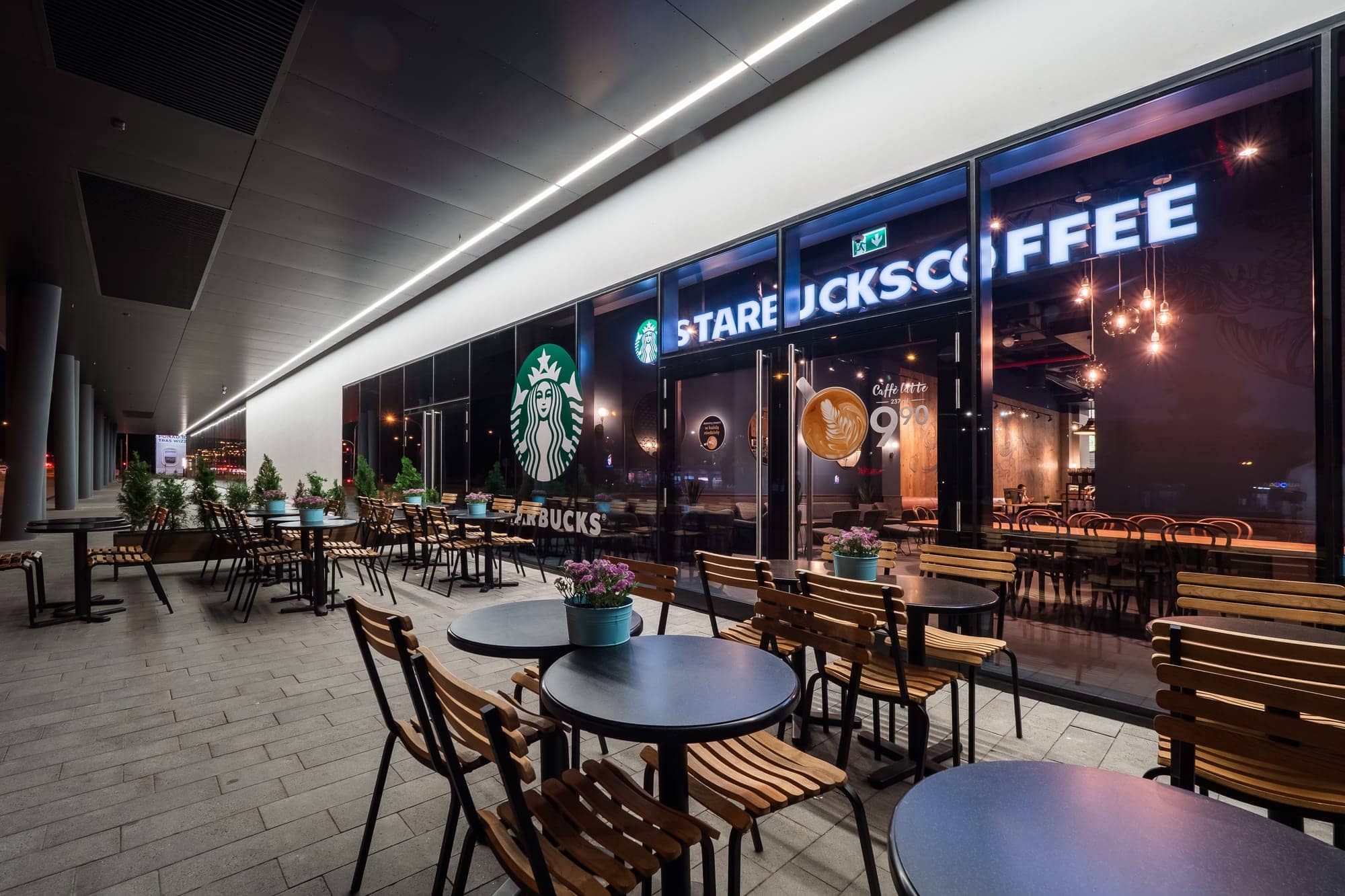
Discover how Starbucks is revolutionizing store operations with assistant managers to enhance the customer experience and staff productivity.


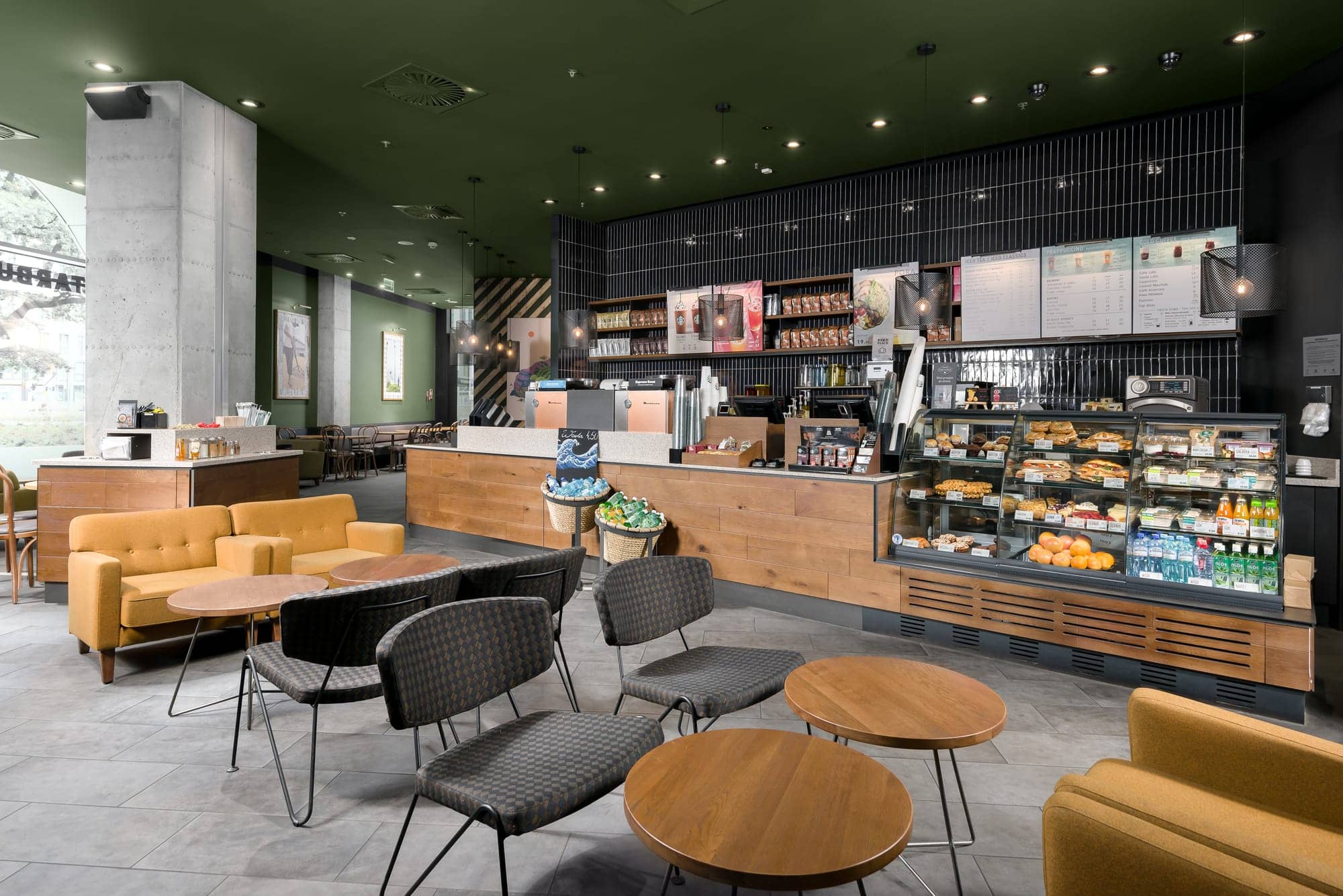
Starbucks, under the leadership of CEO Brian Niccol, has unveiled a strategic plan to enhance the overall coffeehouse experience for both customers and employees. Central to this initiative is the introduction of assistant managers across its stores. This move aims to address the need for adequate staffing levels to optimize operations and ensure a high level of service.

The initial phase of the assistant manager plan is set to debut in six U.S. company-operated districts in September, with the intention of gathering insights and feedback before expanding this role to the majority of Starbucks stores by 2026. In Canada, the assistant manager expansion is scheduled to commence in the summer of 2026. This phased approach allows Starbucks to refine the assistant manager model and tailor it to different markets for maximum impact.

Assistant managers play a vital role in nurturing leadership within the coffeehouse environment. They provide a pathway for internal career growth, fostering talent from within the organization. Kelly, a Starbucks spokesperson, emphasized how the introduction of assistant managers is a pivotal step towards developing a robust retail leadership pipeline, with a goal to fill 90% of leadership roles internally. This move not only boosts employee morale but also enhances the customer experience through dedicated and skilled management.
The assistant manager initiative aligns with Starbucks' Green Apron Service model, a comprehensive approach to enhance service standards, partner deployment, and order efficiency. By integrating assistant managers into this model, Starbucks can streamline operations, improve peak hour throughput, and ultimately elevate the overall customer experience. This strategic alignment ensures that every aspect of the coffeehouse operation is geared towards efficiency and excellence.

CEO Brian Niccol highlighted that the new service model not only enhances operational flexibility but also aids in capturing demand, increasing transactions, and fostering stronger connections with customers. By pausing the rollout of certain systems and equipment, Starbucks can concentrate on optimizing its service model to achieve higher operational efficiency without incurring additional capital expenditures. This strategic focus underscores Starbucks' commitment to sustainable growth and operational excellence.
As part of its drive towards operational excellence, Starbucks has introduced virtual assistant technology in select stores. This innovative tool assists staff in accessing recipes, troubleshooting equipment, and managing last-minute adjustments efficiently. By leveraging technology to support daily operations, Starbucks aims to boost staff productivity and enhance the overall guest experience. This integration of digital solutions showcases Starbucks' commitment to blending traditional hospitality with cutting-edge technology.