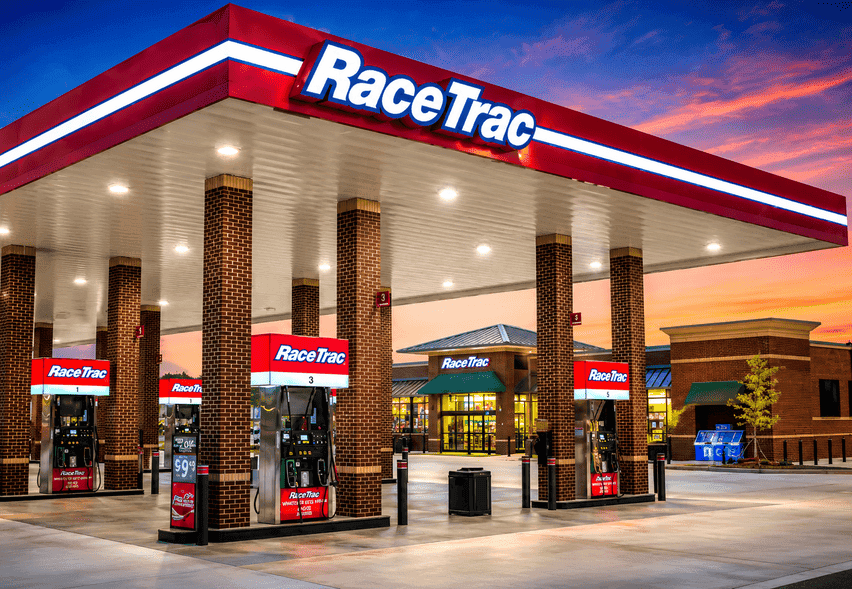
RaceTrac Names Jill Pemberton as New CFO
RaceTrac has appointed Jill Pemberton as chief financial officer, succeeding Karla Ahlert, who moves into the newly created role of chief administrative officer.
News
Aug 26, 2026
RaceTrac has appointed Jill Pemberton as chief financial officer, succeeding Karla Ahlert, who moves into the newly created role of chief administrative officer.
Aug 26, 2026
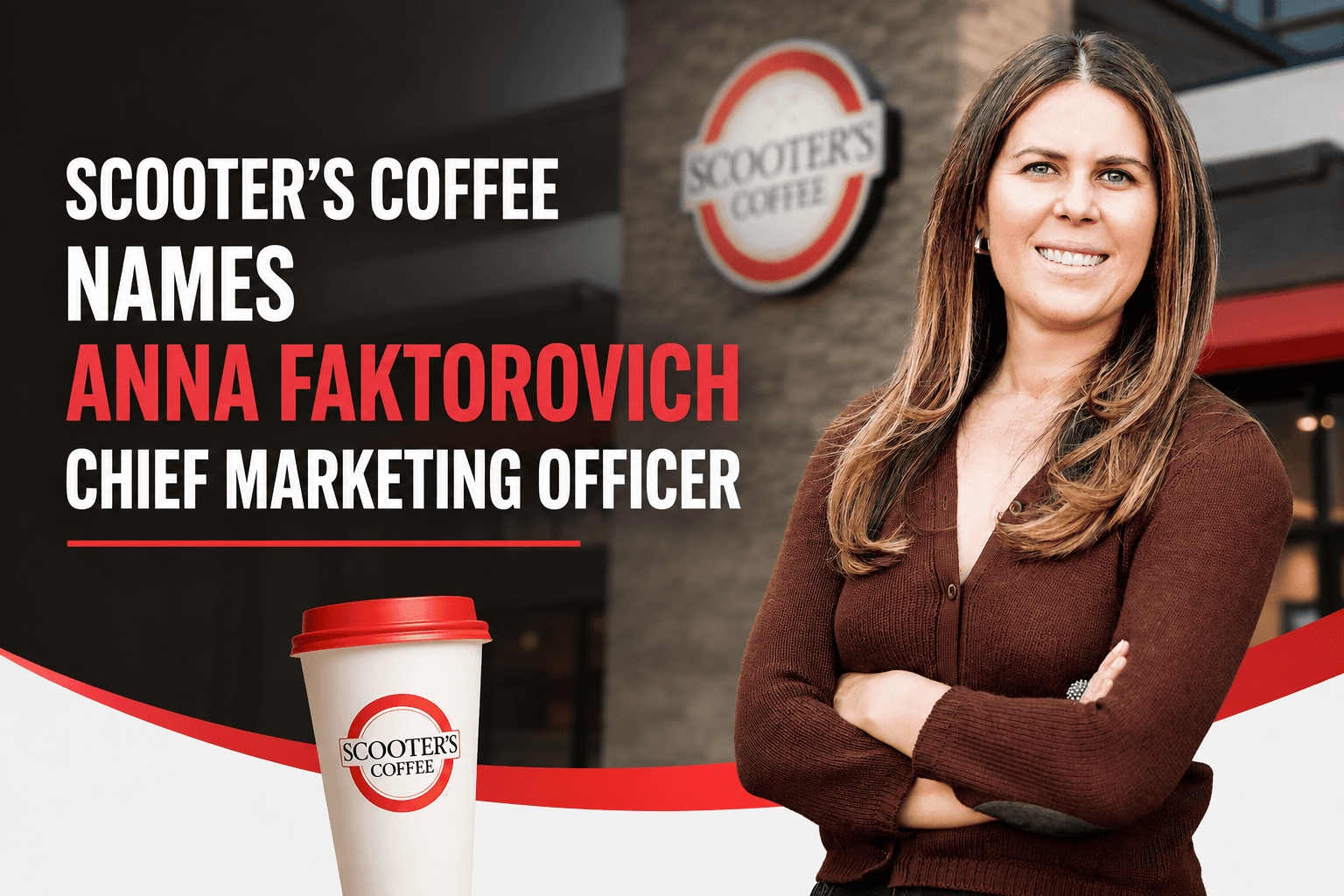
Anna Faktorovich, a seasoned marketing executive, has been named Chief Marketing Officer at Scooter’s Coffee, bringing decades of multi-brand experience to fuel the franchise’s next growth stage.
Aug 25, 2026
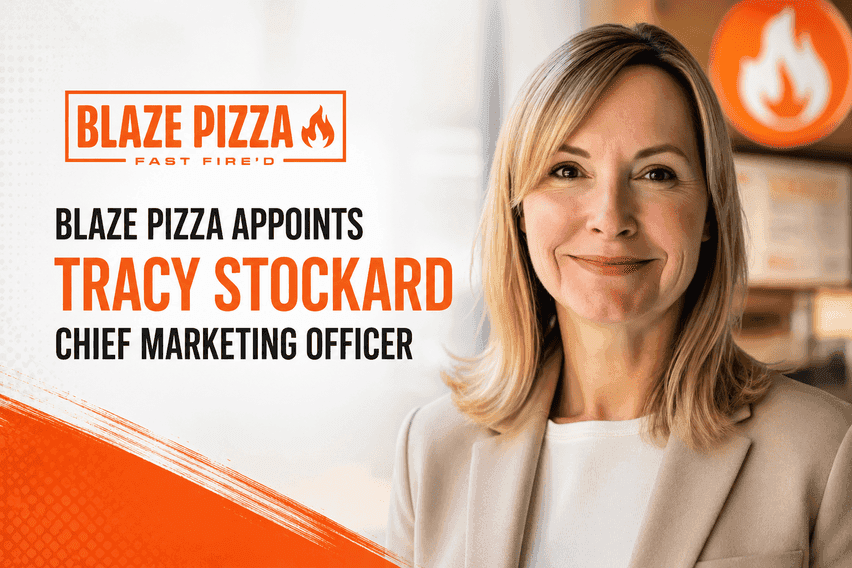
Blaze Pizza welcomes Tracy Stockard as Chief Marketing Officer, bringing decades of brand and franchise experience to drive strategic growth and guest engagement.
Aug 25, 2026
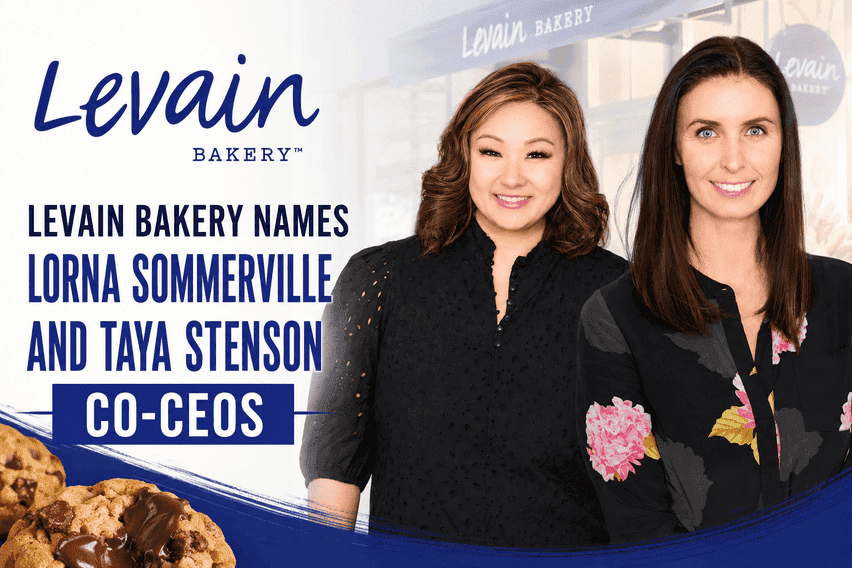
Levain Bakery appoints Lorna Sommerville and Taya Stenson as co-CEOs, blending operational and marketing expertise to power national expansion and innovation while staying rooted in its brand values.
Aug 25, 2026

Create a practical restaurant marketing plan by setting goals, targeting customers, choosing channels, budgeting wisely, scheduling campaigns, and measuring results.
Aug 24, 2026

A payroll advance policy helps restaurant owners define eligibility, limits, repayment, documentation, approval procedures, and compliance requirements for employee advances.
Aug 24, 2026
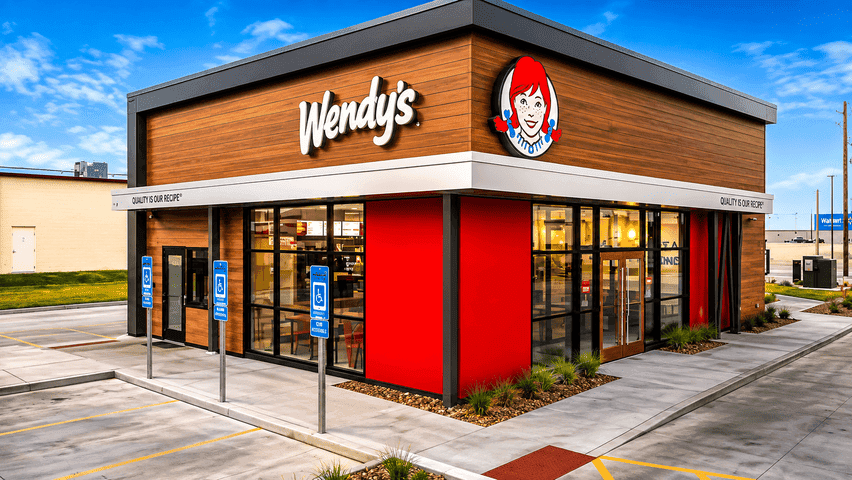
Wendy’s announces Tariq Hassan as Chief Marketing and Customer Growth Officer, charting a new course for brand and digital innovation. What restaurant owners can learn.
Aug 24, 2026
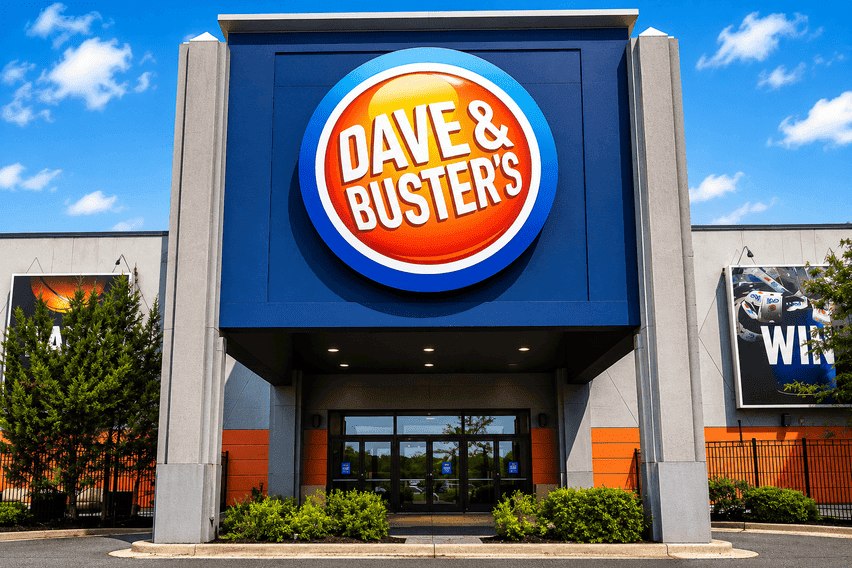
Dave & Buster's refreshes its executive lineup with seasoned leaders in operations, marketing, tech, and finance - signaling a growth-driven future for restaurant operators to watch.
Aug 24, 2026

Learn how to build a restaurant back office software stack that improves efficiency, integrations, reporting, cost control, and scalability overall.
Aug 21, 2026
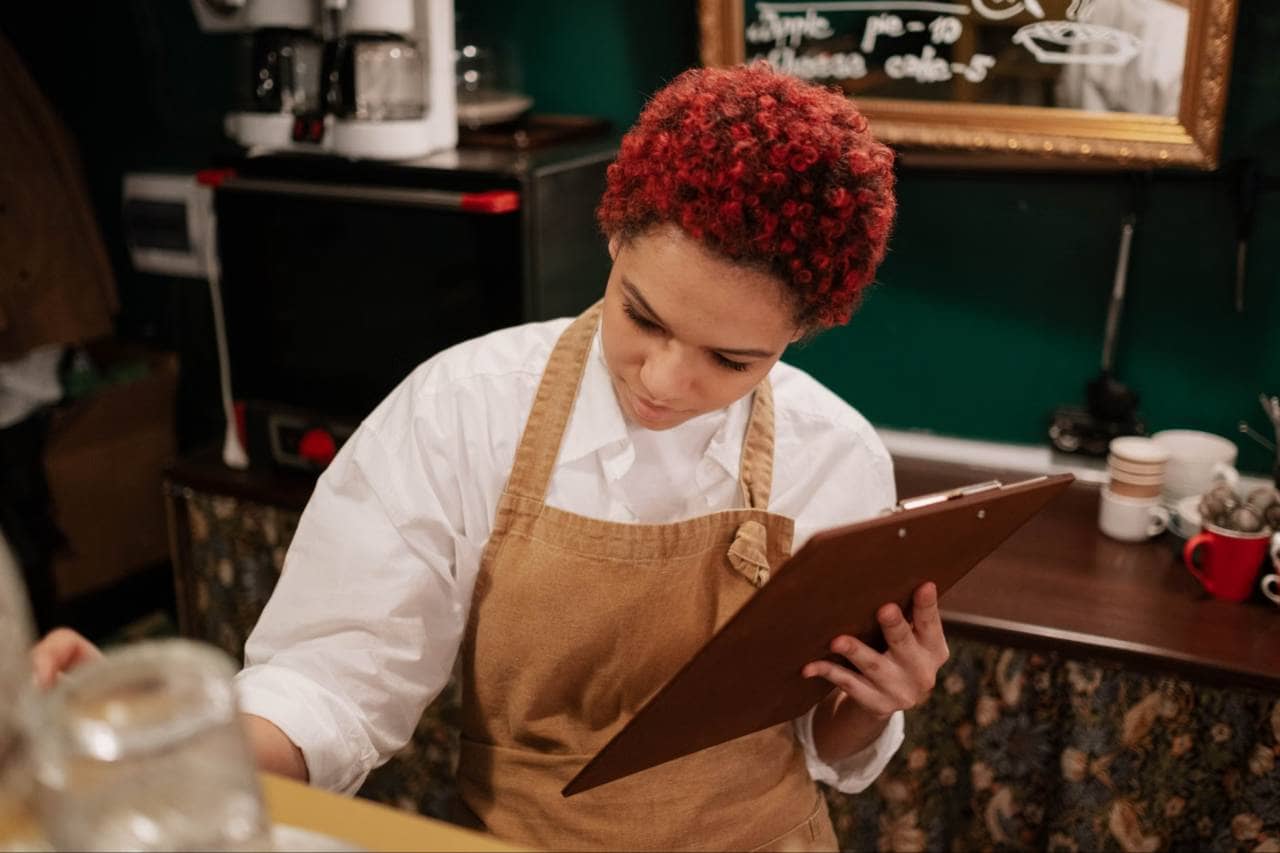
Clear operating procedures help restaurants manage opening, closing, food preparation, sanitation, guest service, inventory, staffing, and routine operational reviews effectively.
Aug 21, 2026

Unlock Exclusive Access To Webinars, Events, And The Latest News For Free!
Hawkers Asian Street Food files Chapter 11 to stabilize operations, rework debt terms, and pursue growth with Savory Fund investment while preserving brand and staff.

Photo by Monika Guzikowska
From the glow of Central Florida’s dining scene, Hawkers launched a calculated pivot rather than a retreat. The decision to file for Chapter 11 was presented as a shield, a disciplined pause designed to protect the brand against external leverage while the team steadies operations and preserves what makes the concept memorable. With counsel led by R. Scott Shuker of Shuker & Dorris, Hawkers framed the move as a precise act of governance aimed at safeguarding guest experience and staff morale. The rhetoric carried a quiet resolve: stability now, growth with clarity later; this opening act signals the path forward rather than signaling surrender.
In a press release issued through counsel, Hawkers stressed that the Chapter 11 filing would permit normal operations and vendor payments to proceed under a controlled process while ownership and debt terms are rebalanced. The company insisted it had never missed a payment, a claim meant to frame the situation as governance-related rather than liquidity-challenged. The objective, Hawkers noted, is to preserve the brand’s character and protect the team as leadership realigns strategy; the aim is to safeguard the guest experience while the debt is renegotiated in orderly fashion.
This moment foreshadows a broader debate about how growth-stage brands defend autonomy when capital becomes contentious, a topic that will thread through Hawkers’ coming chapters.
Long before the Chapter 11 moment, Hawkers enlisted a debt capital agreement to accelerate the dream of becoming a household name across the United States. The founders, Kaleb Harrell, Allen Lo, Wayne Yung, and Kin Ho, saw debt as a lever to scale a community-driven concept from a single storefront to a national presence. The partnership with a lender was pitched as a sustainable engine for growth, with the shared belief that capital should enable thoughtful expansion, never at the expense of the people who build the brand.
Technom ic’s Top 500 data for 2023 records systemwide sales growth of 18.5% and unit growth of 7.7%, underscoring rapid momentum. Hawkers stood at 15 locations across Florida, Georgia, Maryland, North Carolina, Tennessee, Texas, and Virginia, with a menu anchored by dim sum, noodles, rice dishes, wings, skewers, and cocktails. The lender’s appetite to scale through new markets sharpened the tension between aggressive growth and governance, prompting a period of reflection on how to balance risk, control, and opportunity.
Within this tension lies a familiar industry question: how to grow with capital while preserving the autonomy that makes a concept distinctive.

Chapter 11 emerges here as a strategy, not a surrender. Hawkers framed the filing as a tactical mechanism to preserve operational continuity while the debt is restructured and ownership dynamics re-stabilized.
Hawkers stated the process would allow day-to-day operations and vendor relationships to continue under a controlled framework, with the aim of safeguarding the guest experience and team stability as it charts a path forward. The approach mirrors how operators typically use Chapter 11 to maintain service levels and supplier terms while negotiating new terms with lenders. Nation’s Restaurant News has highlighted that the objective is to continue normal operations and vendor payments during this period while control is re-stabilized.
In this framing, the goal is clear: protect the brand and its people from external interference during a moment of strategic realignment.

The Hawkers leadership has framed the restructuring as orderly realignment rather than retreat. The founders, Kaleb Harrell, Allen Lo, Wayne Yung, Kin Ho, built Hawkers on heart, hustle, and community, and their public comments emphasize patient, sustainable expansion even amid financial realignment. The ethos underlines stewardship and a belief that growth must be deliberate as markets shift.
Harrell has spoken of the brand’s potential and the importance of partnering with a collaborator who shares that long-term vision. The emphasis on thoughtful governance and shared purpose aligns with the understanding that lenders, operators, and guests all benefit when stability and continuity anchor growth during restructurings.
This is a quiet ode to responsible expansion, a narrative that resonates as much within boardrooms as at the dining room door.

Hawkers’ timeline unfolds like a precise menu: September 2024 the Chapter 11 filing to shield the brand from an overbearing lender; February 2025 voluntary withdrawal after restructuring the loan; June 2025 a strategic infusion from Savory Fund announced to accelerate expansion and address remaining debts. The chain had grown to 15 locations, with average unit volumes around $4.6 million and a footprint spanning Florida, Georgia, Maryland, North Carolina, Tennessee, Texas, and Virginia. The leadership team described the move as a disciplined continuation, not a retreat.
The investment from Savory Fund marks a milestone in Hawkers’ evolution, pairing capital with operational guidance to scale the concept while preserving its street-food heart. The public record frames the partnership as a means to address debt head-on and accelerate growth across markets, signaling a new era of collaborative governance.
Taken together, Hawkers’ experience offers a case study in how Chapter 11 can be deployed strategically to protect brand integrity and continuity as debt capital reshapes the restaurant landscape.