
The Ultimate Guide to Restaurant Labor Management
Restaurant labor management helps owners optimize staffing, control labor costs, improve productivity, monitor overtime, and maintain efficient restaurant operations.
Back Office
Sep 2, 2026
Restaurant labor management helps owners optimize staffing, control labor costs, improve productivity, monitor overtime, and maintain efficient restaurant operations.
Sep 2, 2026
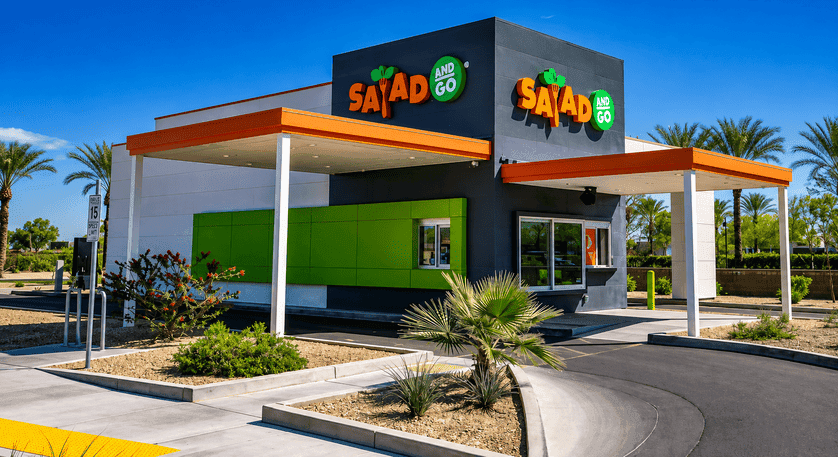
7 Brew has acquired 73 former Salad and Go locations, surpassing Dutch Bros with a $143M bid, signaling a major shift in the competitive landscape for drive-thru brands.
Sep 2, 2026
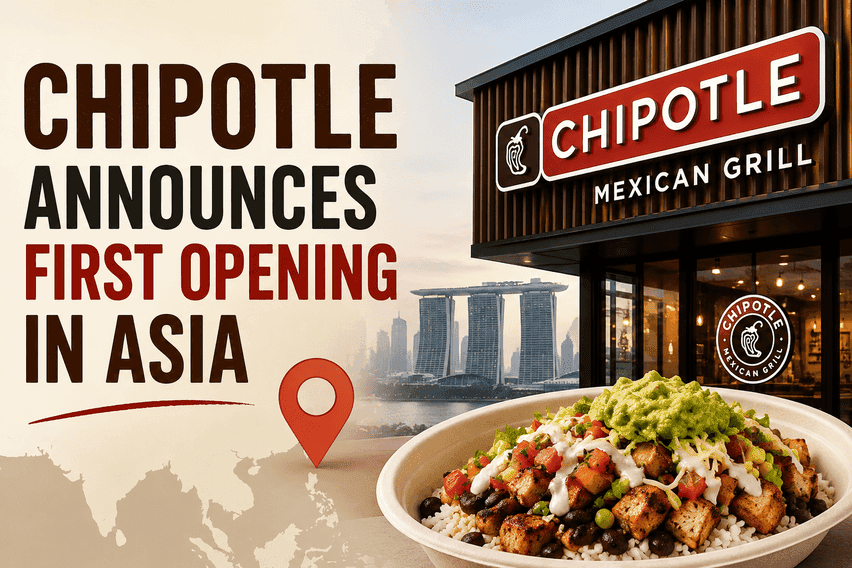
Chipotle makes its highly anticipated entry into Asia with a Seoul opening, partnering with Sangmidang Holdings and setting a template for future international growth.
Sep 2, 2026
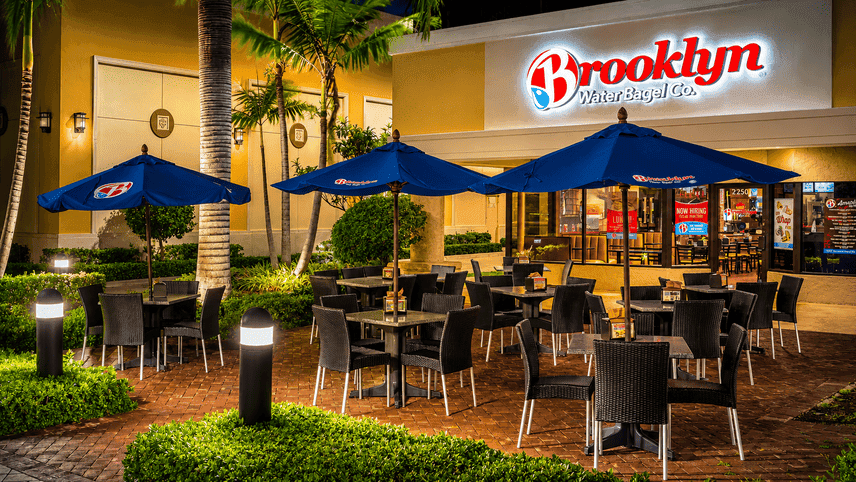
Brooklyn Water Bagel launches its first campus eatery at Nova Southeastern, signaling strategic growth and fresh potential for multi-unit operators seeking new market wins.
Sep 2, 2026
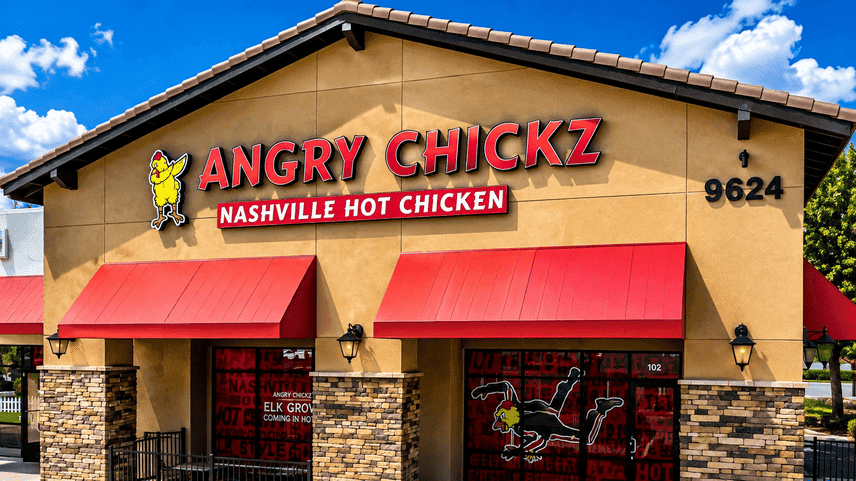
Angry Chickz enters Illinois with its signature hot chicken concept and ambitious plans for Midwest expansion, setting the stage for new franchise opportunities and community engagement.
Sep 2, 2026
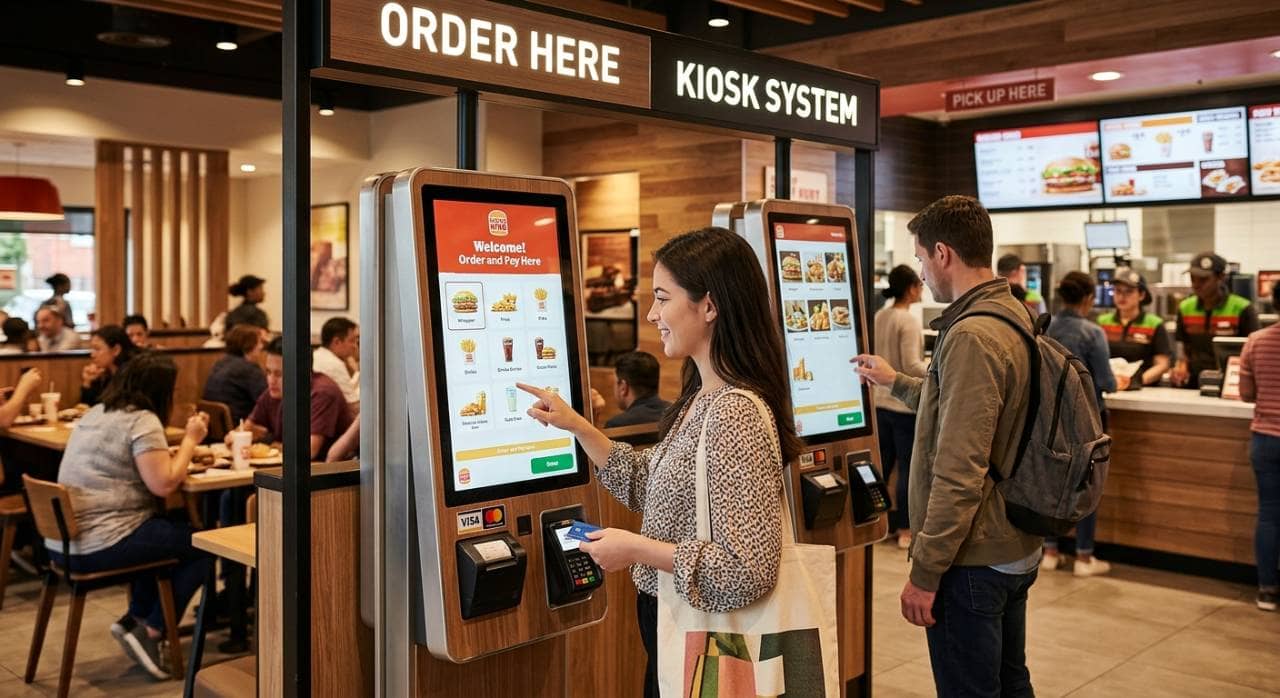
Understand how to evaluate a Kiosk system using key criteria including features, POS integration, hardware, pricing, customer experience, and support.
Aug 31, 2026

Explore restaurant technology trends in 2026, including AI, automation, digital ordering, workforce tools, connected kitchens, personalization, and profitability strategies today.
Aug 28, 2026
Learn how to calculate restaurant cost of goods using inventory, purchases, COGS percentage, variance reviews, and regular tracking for profitability.
Aug 31, 2026

Learn the startup costs of opening an ice cream shop, including rent, equipment, renovations, permits, inventory, labor, marketing, and reserves.
Aug 28, 2026

A restaurant P&L statement reveals sales, expenses, and profits, helping owners manage costs, improve margins, and plan finances more effectively.
Aug 26, 2026

Unlock Exclusive Access To Webinars, Events, And The Latest News For Free!
Explore the recent changes in Starbucks' remote work policy, implications for employees, and the shift towards in-office culture.
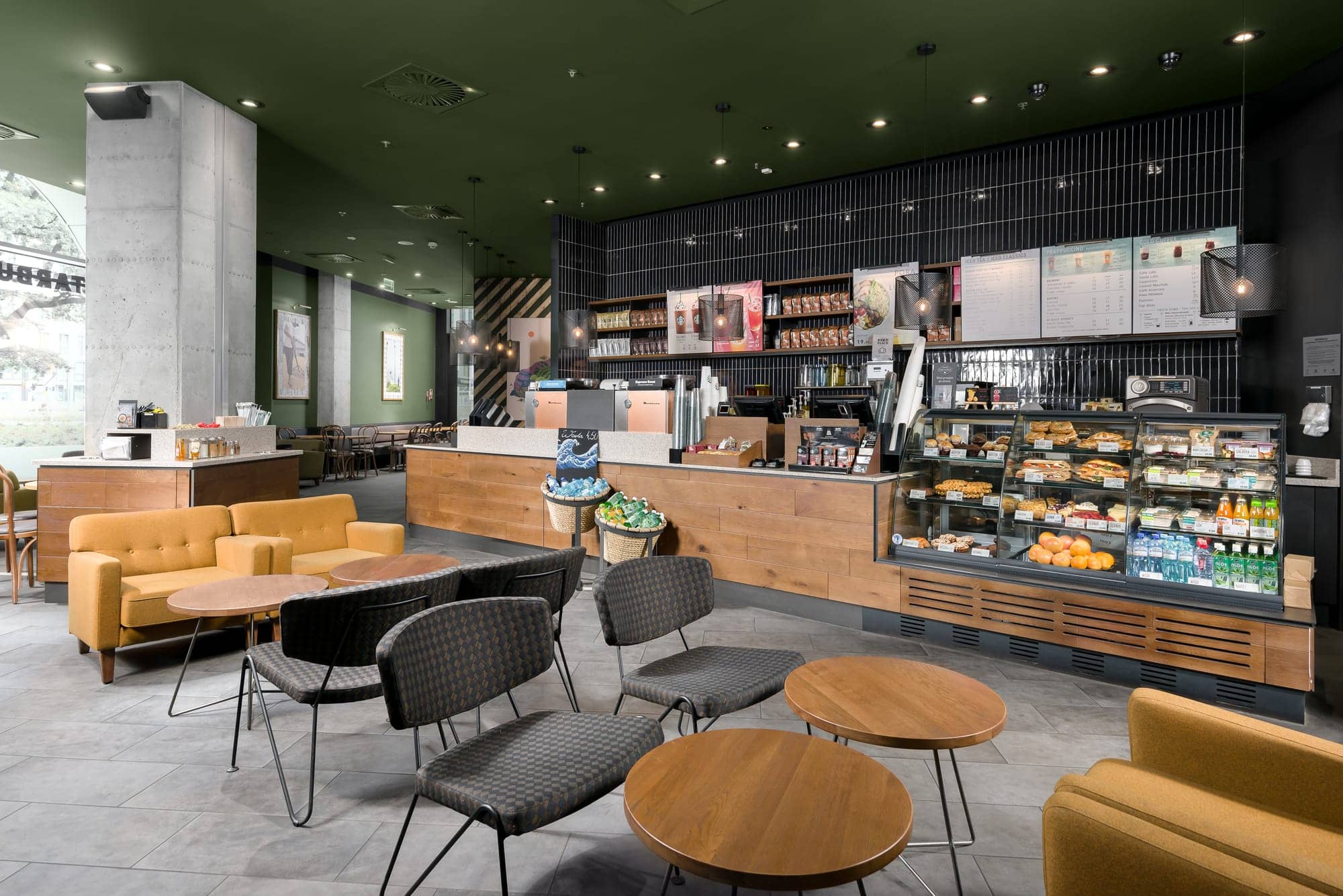
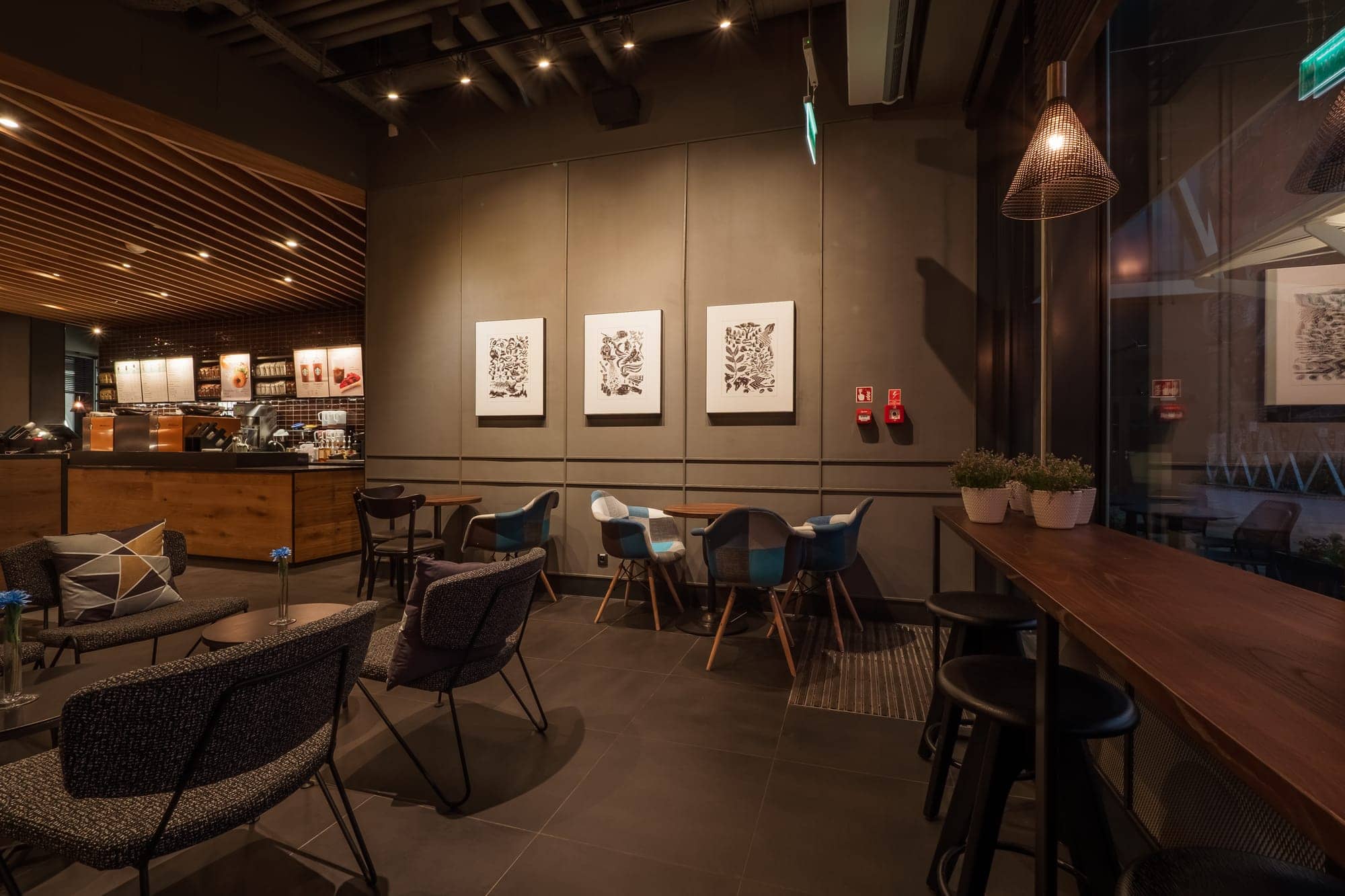
Starbucks recently announced significant updates to its remote work policy, marking a shift back to in-office roles for corporate employees. This decision follows a two-year period during which Starbucks started bringing employees back to physical office locations. Initially, this move sparked some resistance among corporate workers, leading to appeals to Starbucks to reconsider its Return to Office (RTO) policies.
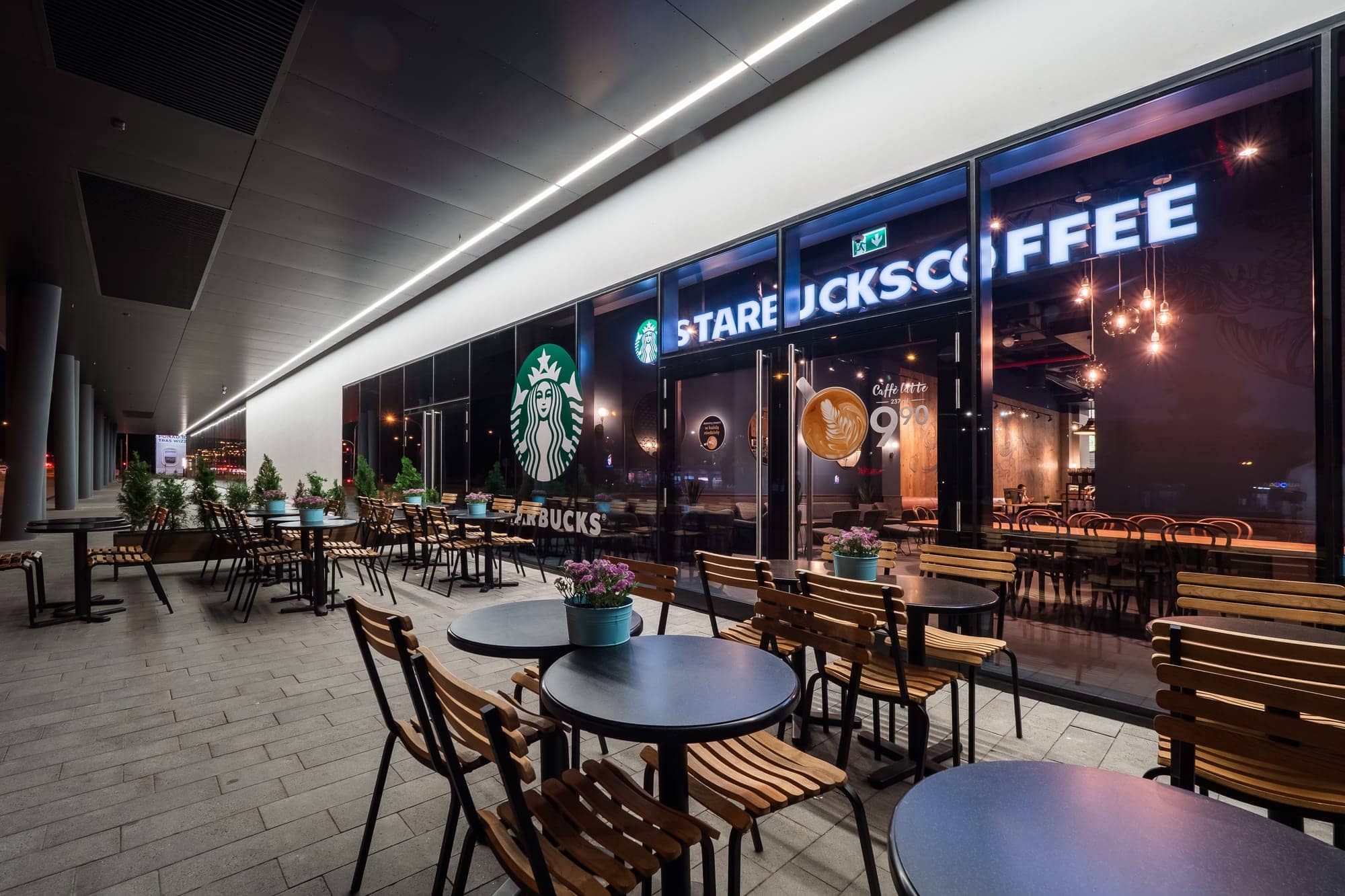
The latest policy iteration states that Starbucks will maintain certain corporate roles in local markets and won't mandate relocation for individual contributors. However, all future hiring for corporate positions and lateral transfers within the company must now be based in either Seattle or Toronto. This move emphasizes the company's aim to nurture an in-office culture, believing that the best work outcomes are achieved through collaborative in-person interactions.

In articulating the rationale behind the increased in-office requirements, executives highlighted the importance of fostering an office environment conducive to effective teamwork and innovation. Despite this, Starbucks acknowledges the need for flexibility, recognizing that tasks often require employees to be outside the office premises, engaging with various stakeholders or traveling for business purposes.
To support employees through this transition, Starbucks is offering a one-time cash payment to those who opt to leave the company instead of returning to the office. This voluntary departure package aims to provide individuals with an alternative in alignment with their preferences. Notably, the company leadership plans to provide further details on this initiative to employees in the near future.
When examining the leadership's approach to the policy, it's interesting to note that upon his appointment, the current executive was not required to relocate to Seattle, indicating an acknowledgment of the changing dynamics in work arrangements. This reflects a degree of adaptability in decision-making at the higher echelons of the organization.