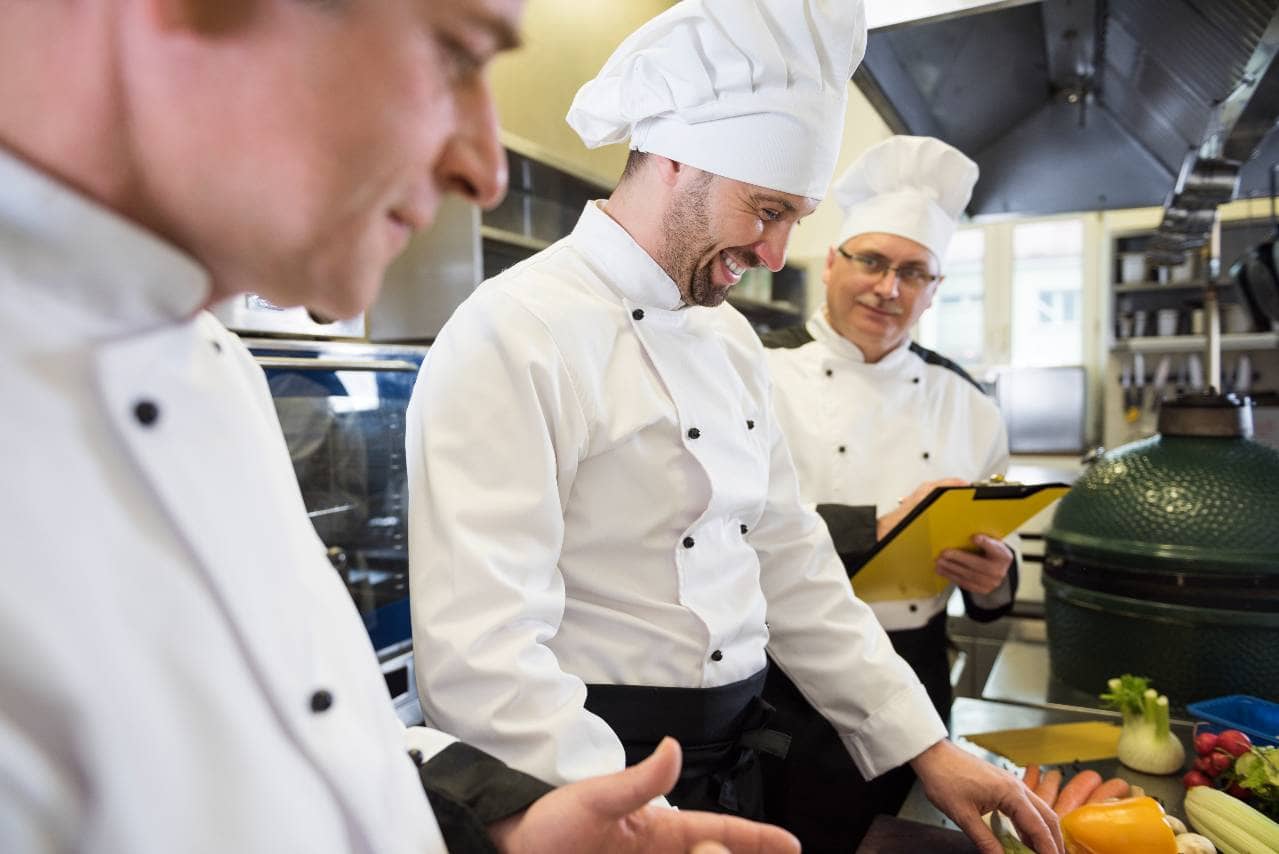
The Ultimate Guide to Restaurant Labor Management
Restaurant labor management helps owners optimize staffing, control labor costs, improve productivity, monitor overtime, and maintain efficient restaurant operations.
Back Office
Sep 2, 2026
Restaurant labor management helps owners optimize staffing, control labor costs, improve productivity, monitor overtime, and maintain efficient restaurant operations.
Sep 2, 2026
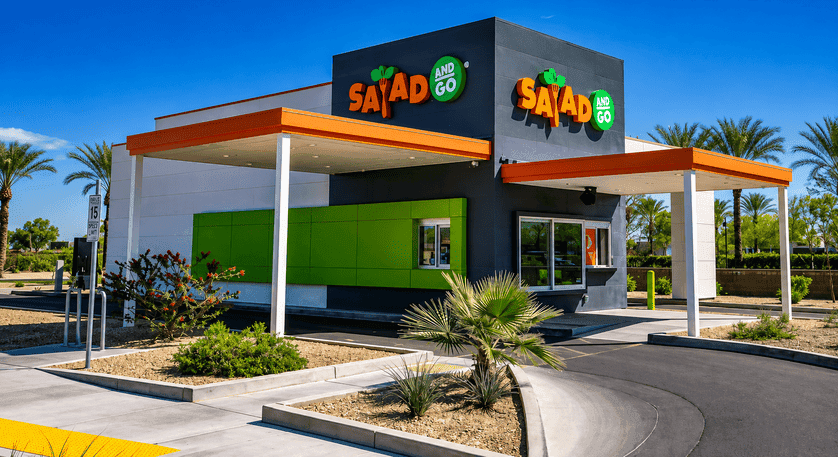
7 Brew has acquired 73 former Salad and Go locations, surpassing Dutch Bros with a $143M bid, signaling a major shift in the competitive landscape for drive-thru brands.
Sep 2, 2026
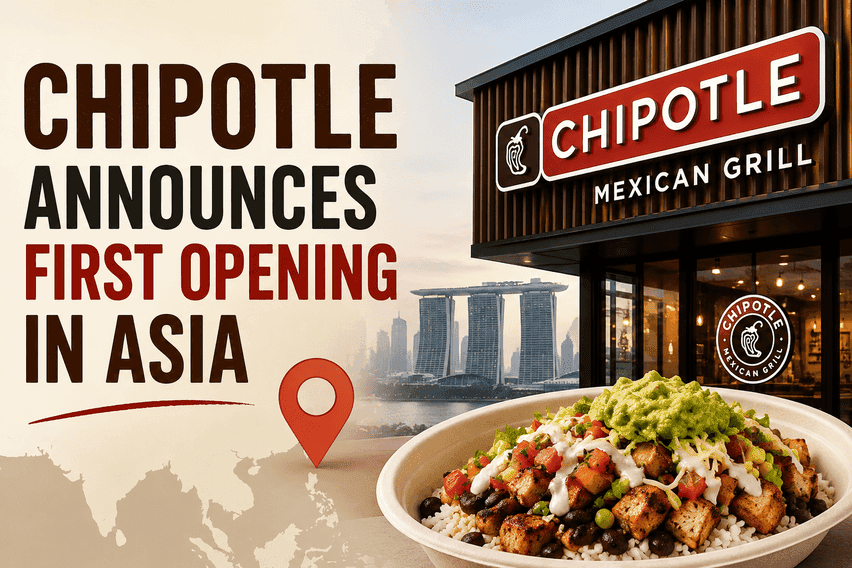
Chipotle makes its highly anticipated entry into Asia with a Seoul opening, partnering with Sangmidang Holdings and setting a template for future international growth.
Sep 2, 2026
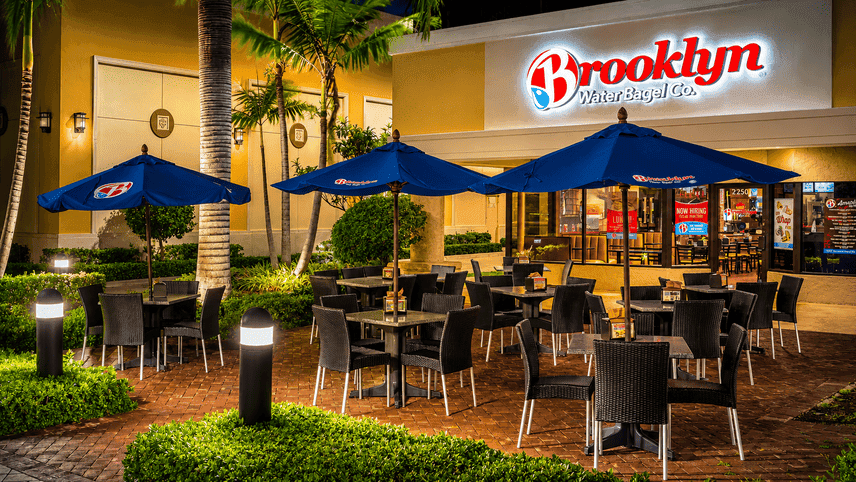
Brooklyn Water Bagel launches its first campus eatery at Nova Southeastern, signaling strategic growth and fresh potential for multi-unit operators seeking new market wins.
Sep 2, 2026
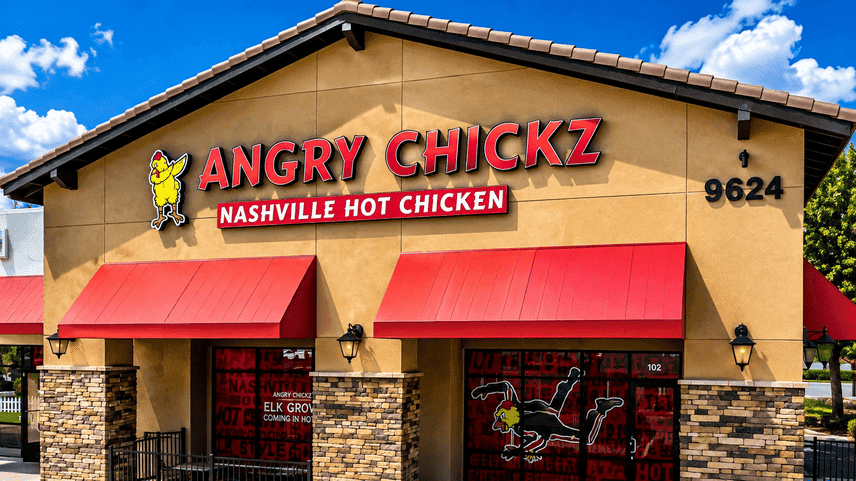
Angry Chickz enters Illinois with its signature hot chicken concept and ambitious plans for Midwest expansion, setting the stage for new franchise opportunities and community engagement.
Sep 2, 2026
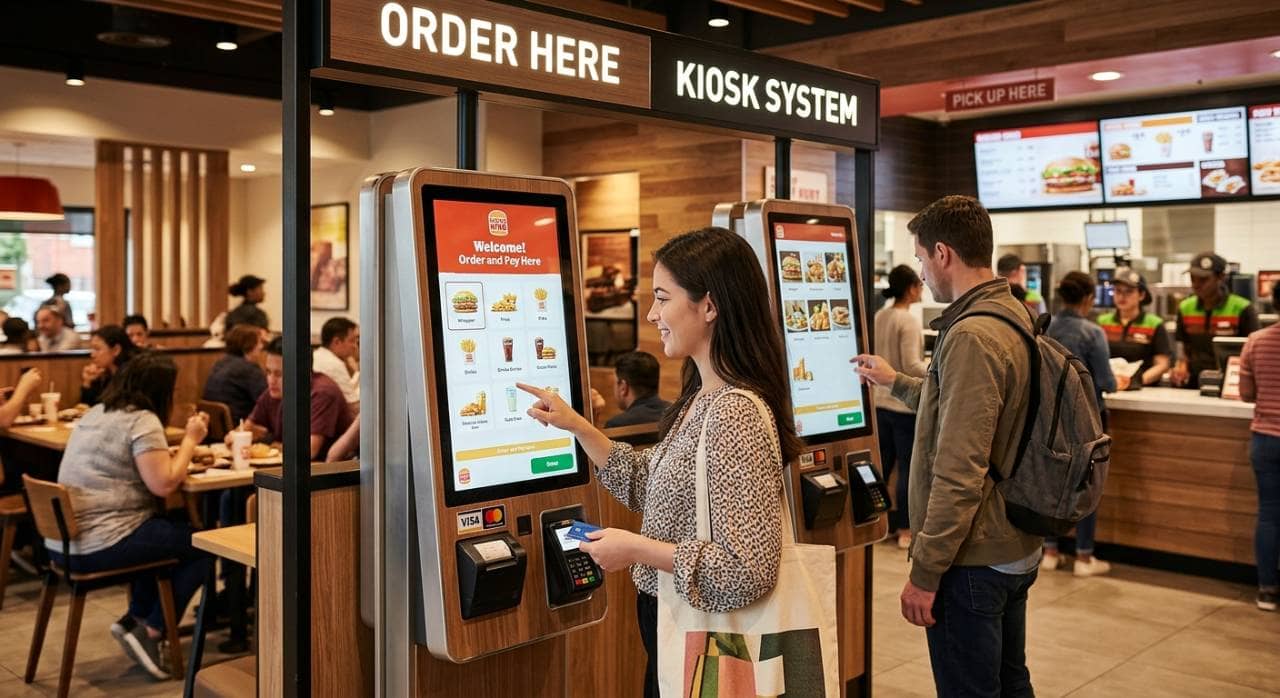
Understand how to evaluate a Kiosk system using key criteria including features, POS integration, hardware, pricing, customer experience, and support.
Aug 31, 2026

Explore restaurant technology trends in 2026, including AI, automation, digital ordering, workforce tools, connected kitchens, personalization, and profitability strategies today.
Aug 28, 2026
Learn how to calculate restaurant cost of goods using inventory, purchases, COGS percentage, variance reviews, and regular tracking for profitability.
Aug 31, 2026
Learn the startup costs of opening an ice cream shop, including rent, equipment, renovations, permits, inventory, labor, marketing, and reserves.
Aug 28, 2026

A restaurant P&L statement reveals sales, expenses, and profits, helping owners manage costs, improve margins, and plan finances more effectively.
Aug 26, 2026

Unlock Exclusive Access To Webinars, Events, And The Latest News For Free!
Explore how Famous Dave’s Barbecue is transforming its store operations to adapt to changing consumer demands and drive business growth.
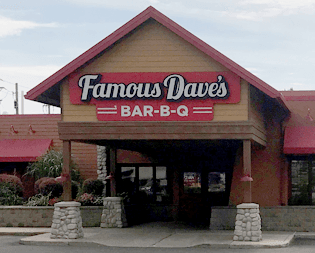
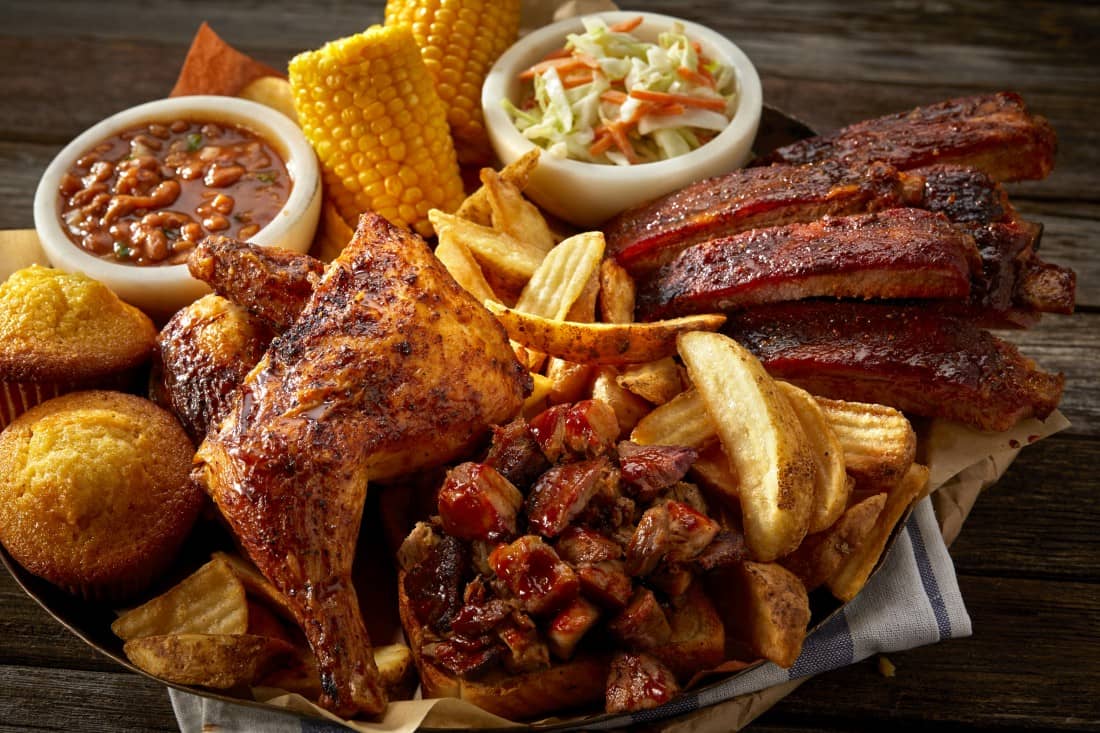
Famous Dave’s Barbecue, a renowned name in the culinary industry, is embarking on a transformation journey to cater to the shifting demands of consumers favoring off-premise dining and faster service. With consumer behavior evolving significantly, the brand has taken a strategic approach to redesign its store prototype, focusing on streamlining operations and enhancing efficiency.
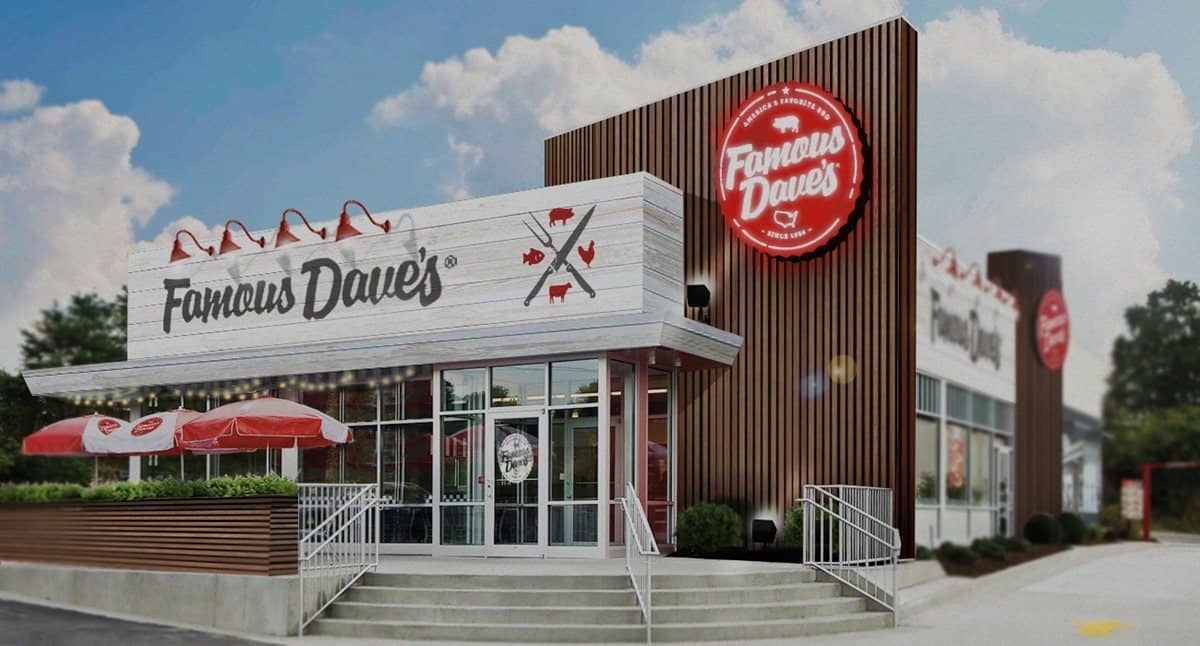
The new store prototype by Famous Dave’s marks a departure from the traditional full-service model, opting for a smaller footprint that eliminates the full bar and emphasizes counter service. Through a meticulous design process that commenced prior to the COVID-19 pandemic, the brand has iterated on various concepts to refine the model and ensure competitive unit economics in today's dynamic landscape.
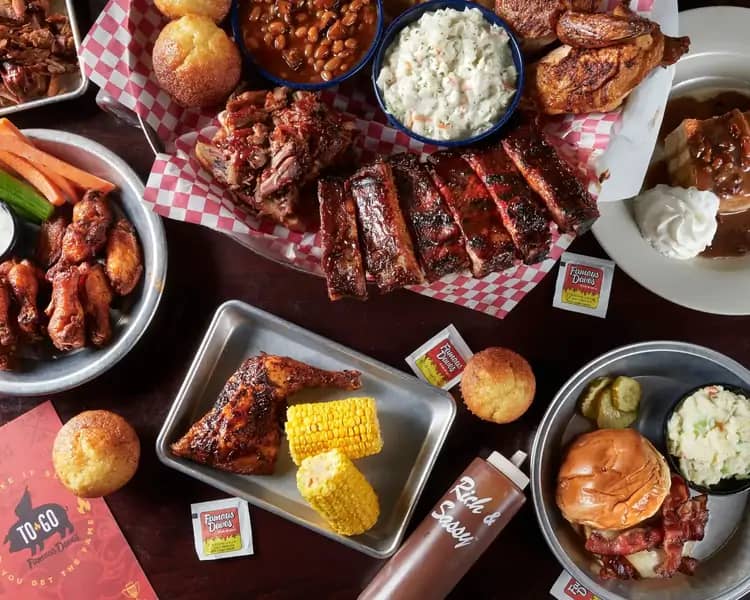
By reducing the seating area, removing the full-service bar, and refining the menu offerings to focus on core items like ribs, brisket, and chicken, Famous Dave’s prototype not only enhances customer experience but also significantly reduces operational costs. Leveraging advancements in equipment technology and optimizing kitchen layouts have further contributed to cost savings, making the new model economically attractive.
The streamlined prototype opens up opportunities in diverse real estate categories, particularly endcap locations in multi-tenant spaces. With flexibility in site selection and reduced operating costs in such settings, Famous Dave’s can target new markets and attract external franchisees, thereby accelerating its growth trajectory.
While the new prototype is gaining traction among franchisees and driving growth in targeted regions, Famous Dave’s remains open to embracing a variety of development models based on market demands. Balancing the need for smaller, more adaptable stores with the legacy of full-service restaurants, the brand aims to strategically expand its footprint, with an annual target of opening two to ten units over the next few years.