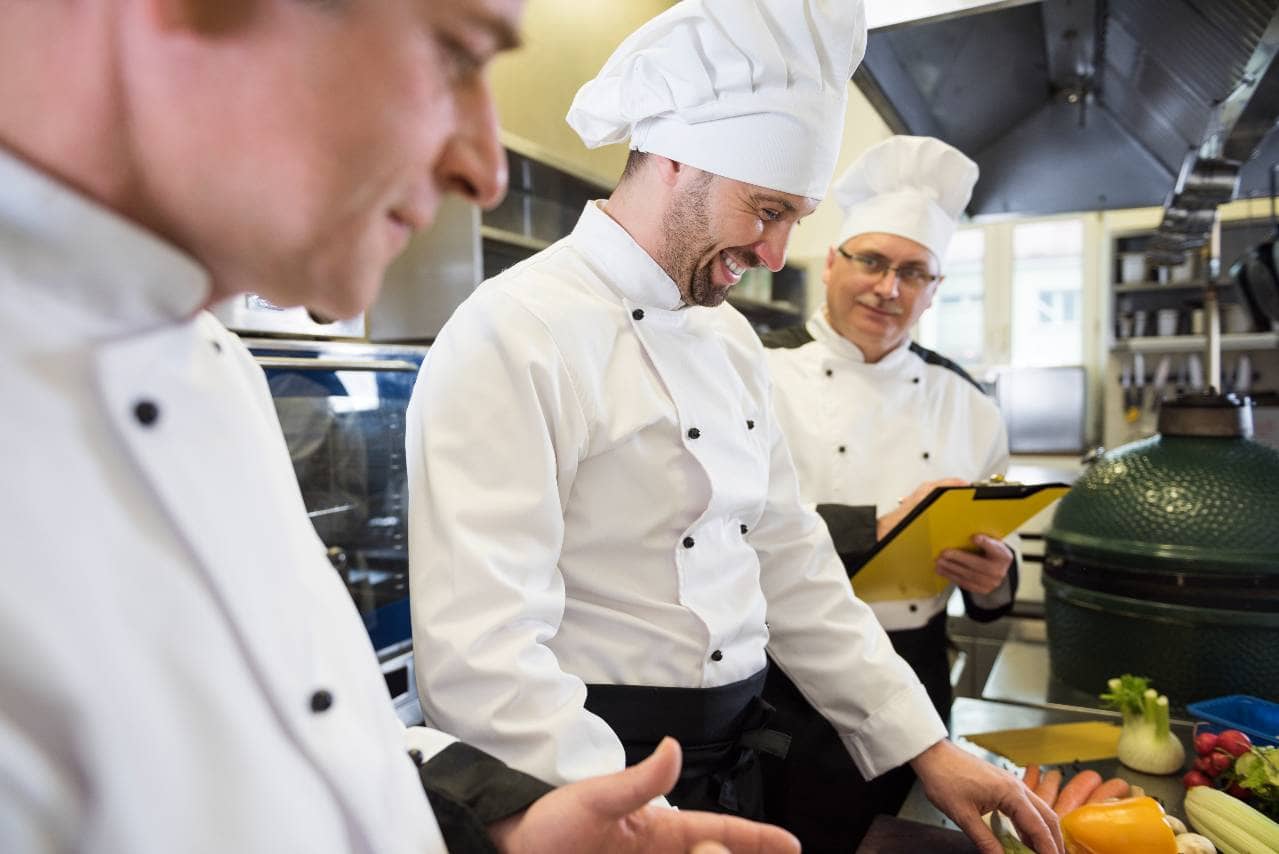
The Ultimate Guide to Restaurant Labor Management
Restaurant labor management helps owners optimize staffing, control labor costs, improve productivity, monitor overtime, and maintain efficient restaurant operations.
Back Office
Sep 2, 2026
Restaurant labor management helps owners optimize staffing, control labor costs, improve productivity, monitor overtime, and maintain efficient restaurant operations.
Sep 2, 2026
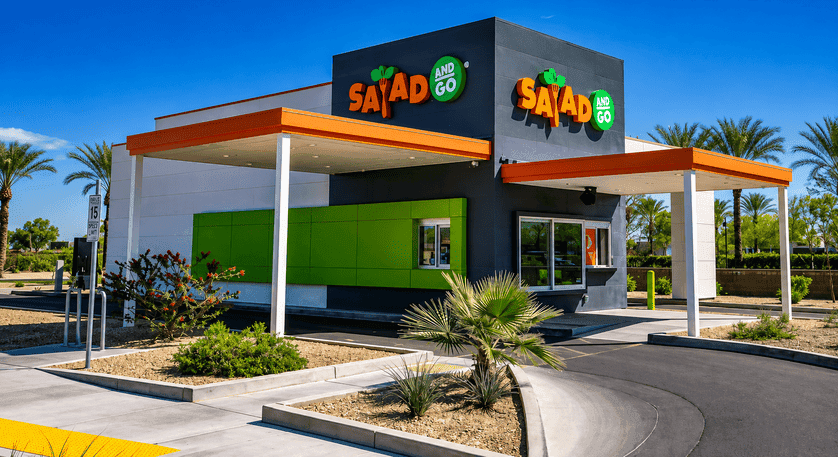
7 Brew has acquired 73 former Salad and Go locations, surpassing Dutch Bros with a $143M bid, signaling a major shift in the competitive landscape for drive-thru brands.
Sep 2, 2026
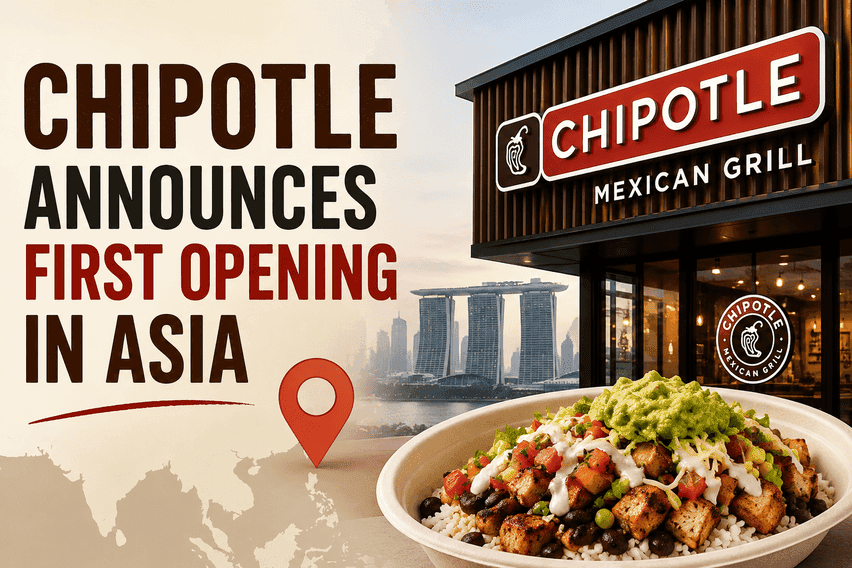
Chipotle makes its highly anticipated entry into Asia with a Seoul opening, partnering with Sangmidang Holdings and setting a template for future international growth.
Sep 2, 2026
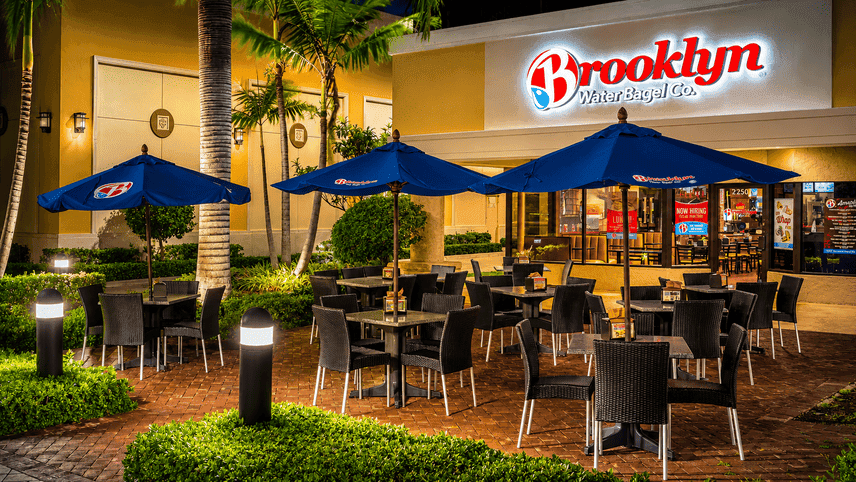
Brooklyn Water Bagel launches its first campus eatery at Nova Southeastern, signaling strategic growth and fresh potential for multi-unit operators seeking new market wins.
Sep 2, 2026
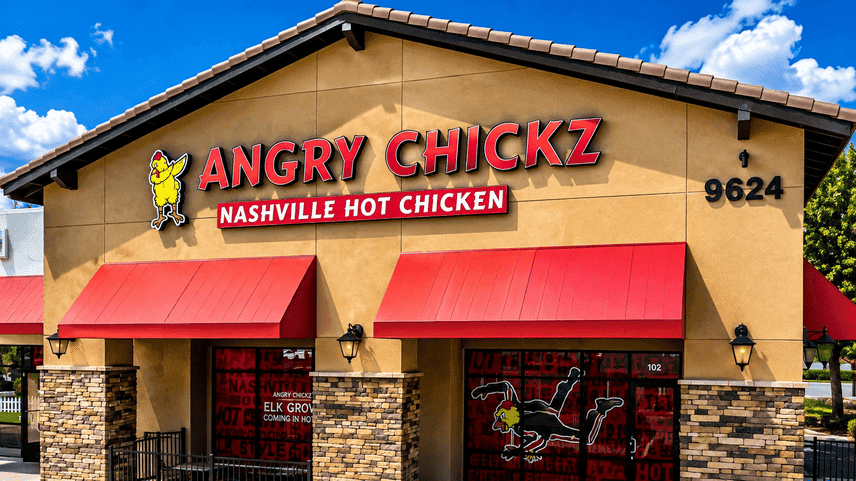
Angry Chickz enters Illinois with its signature hot chicken concept and ambitious plans for Midwest expansion, setting the stage for new franchise opportunities and community engagement.
Sep 2, 2026
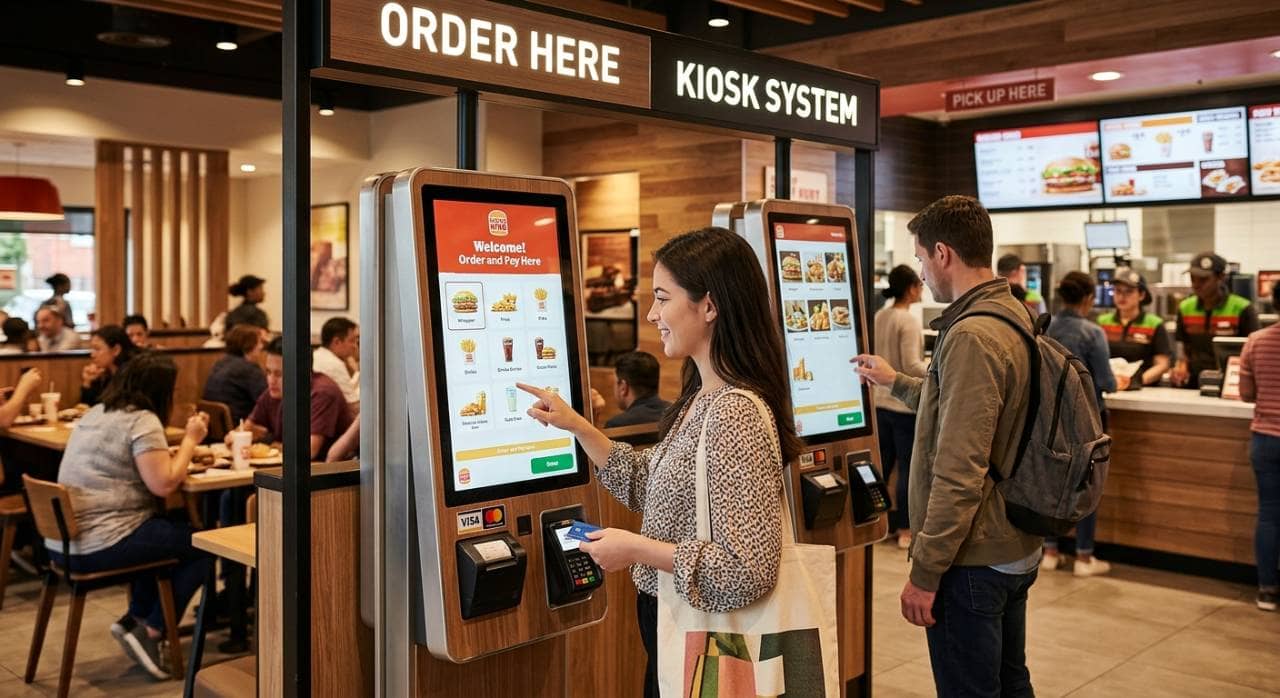
Understand how to evaluate a Kiosk system using key criteria including features, POS integration, hardware, pricing, customer experience, and support.
Aug 31, 2026
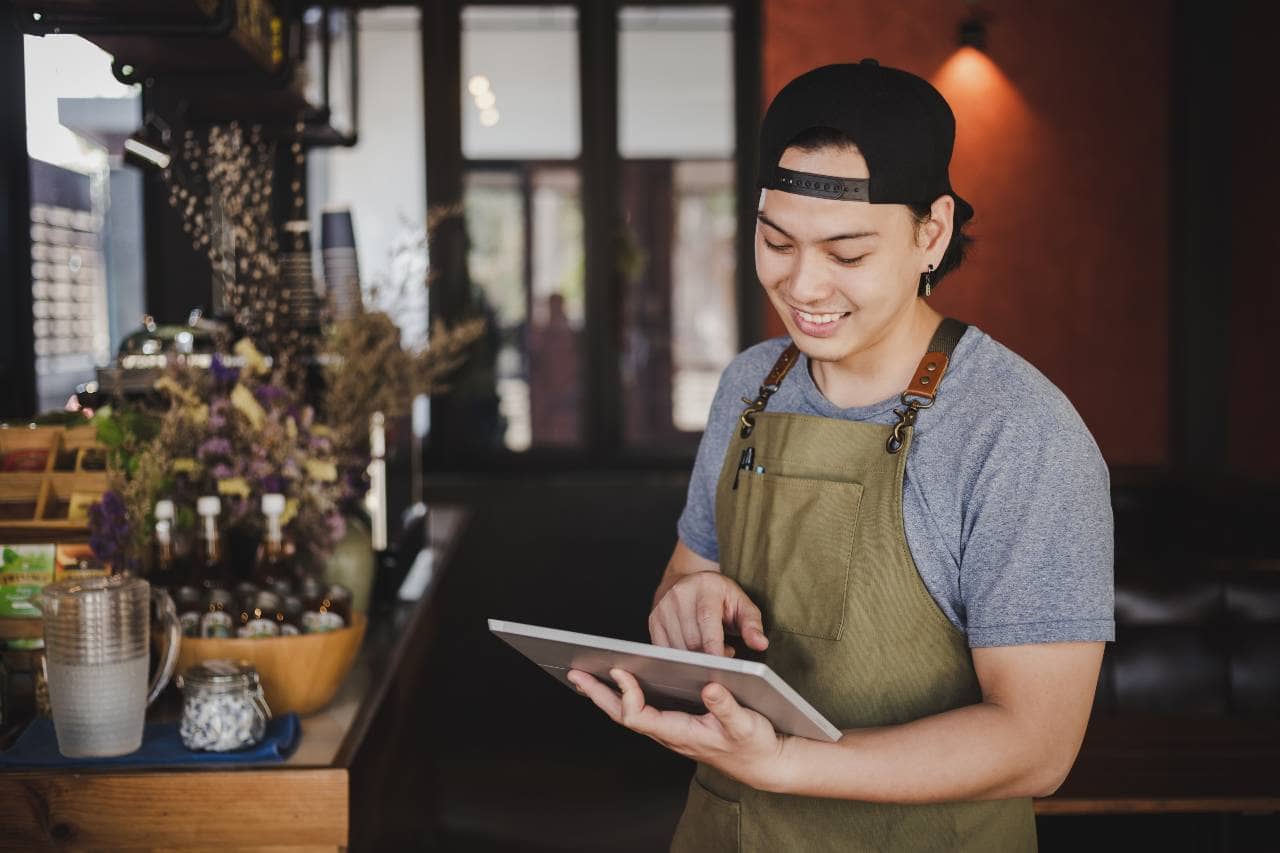
Explore restaurant technology trends in 2026, including AI, automation, digital ordering, workforce tools, connected kitchens, personalization, and profitability strategies today.
Aug 28, 2026
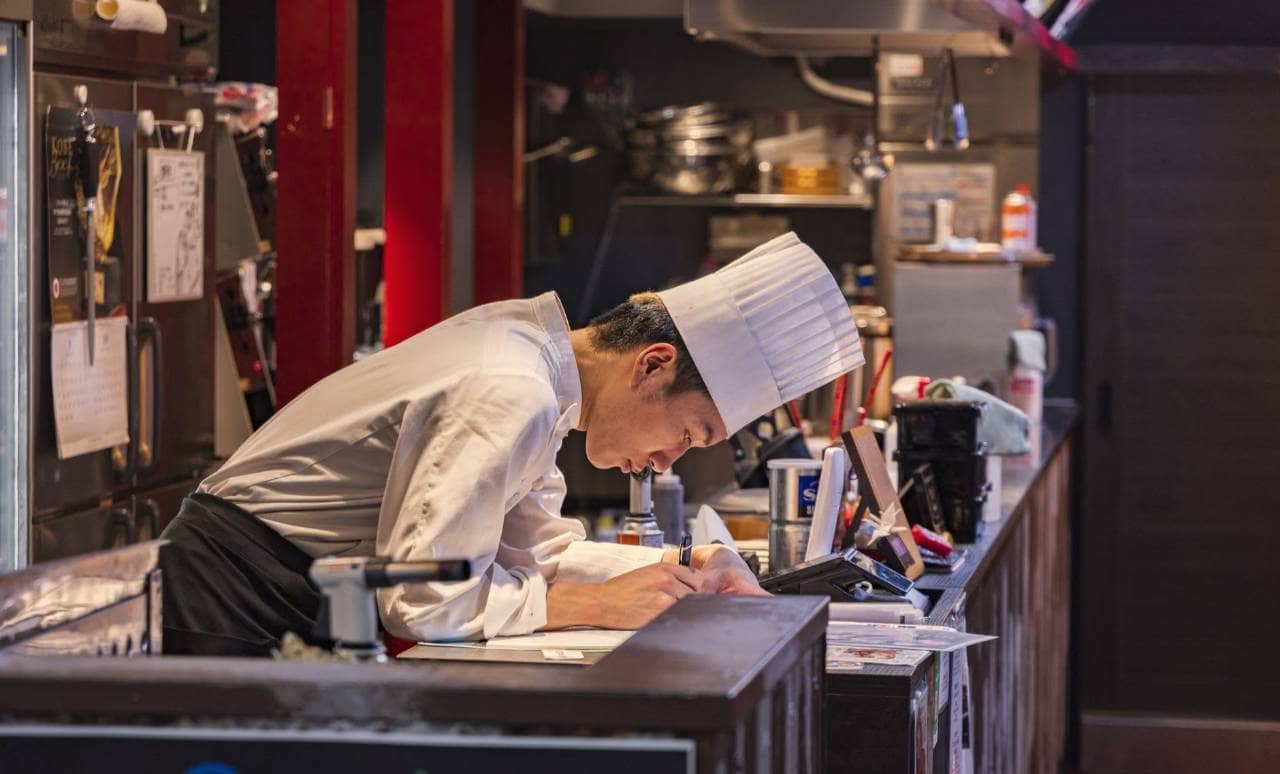
Learn how to calculate restaurant cost of goods using inventory, purchases, COGS percentage, variance reviews, and regular tracking for profitability.
Aug 31, 2026
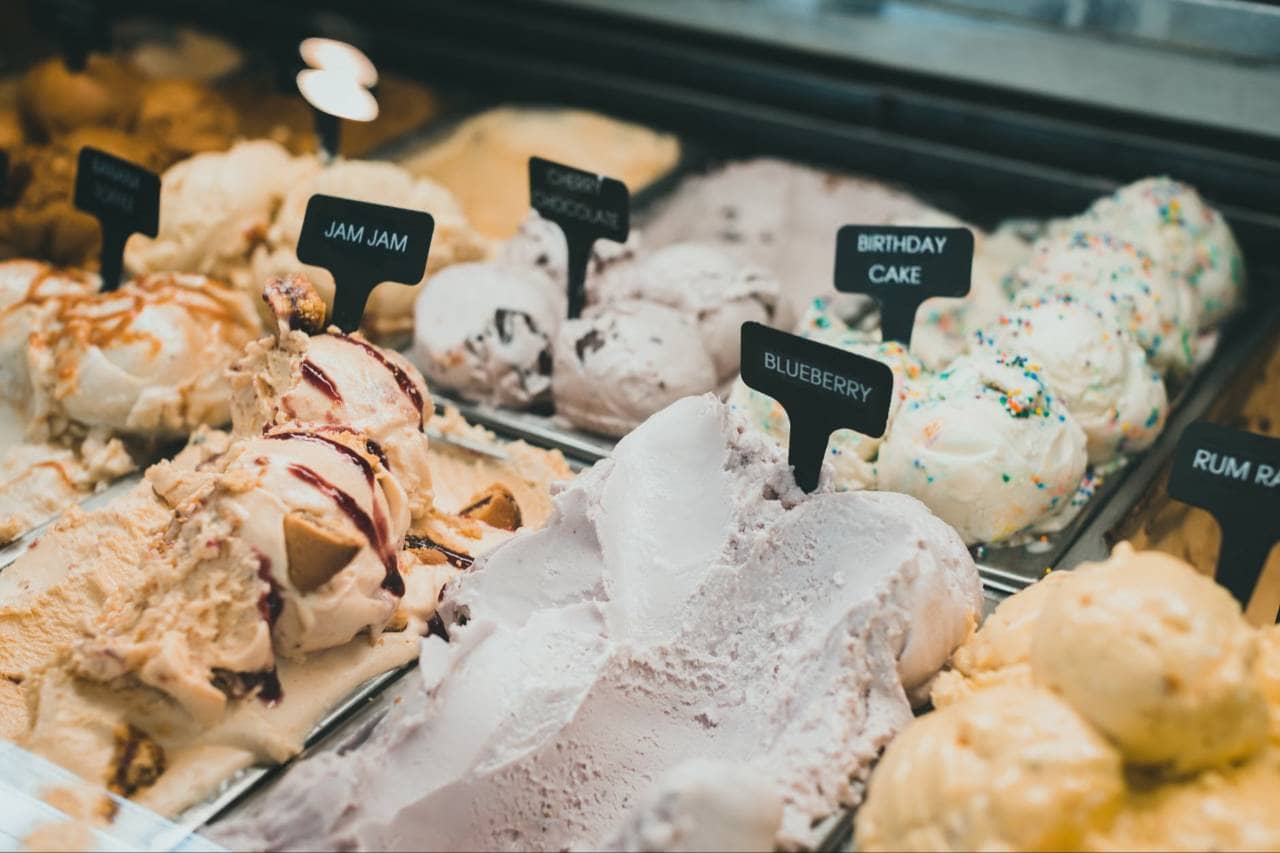
Learn the startup costs of opening an ice cream shop, including rent, equipment, renovations, permits, inventory, labor, marketing, and reserves.
Aug 28, 2026

A restaurant P&L statement reveals sales, expenses, and profits, helping owners manage costs, improve margins, and plan finances more effectively.
Aug 26, 2026

Unlock Exclusive Access To Webinars, Events, And The Latest News For Free!
Explore how late-night delivery is reshaping the restaurant industry and how major brands are adapting to meet customer demands.
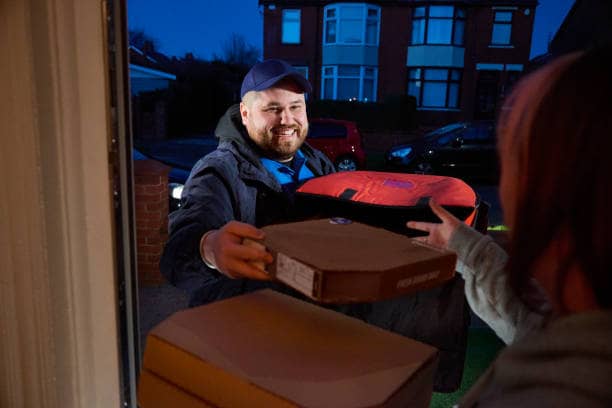

Late-night delivery services have seen a significant uptick in demand within the restaurant industry. As the lifestyle patterns of consumers continue to evolve, there has been a noticeable shift towards ordering food during unconventional hours. Delivery platforms like DoorDash have reported a substantial increase in orders between midnight and 5 a.m., indicating a changing trend in consumer behavior.
Consumer pullback and the need for brands to explore new customer acquisition channels have led to a reevaluation of traditional operating models within the restaurant sector. Major players like Domino’s and Darden have embraced third-party ordering and delivery services to cater to evolving customer preferences. Waffle House's strategic decision to control its ordering channels through the Olo deal showcases a unique approach to retaining brand autonomy in a landscape dominated by third-party aggregators.
The integration of late-night delivery options into brand strategies has become a key focus for many leading restaurant chains. Starbucks, for instance, has experimented with offsite preparation of late-night orders for third-party delivery services. Similarly, Pizza Hut's initiative to extend operating hours until midnight reflects a proactive response to consumer traffic patterns. These adaptations underline the importance of innovation in delivery strategies to stay competitive in a rapidly evolving market.
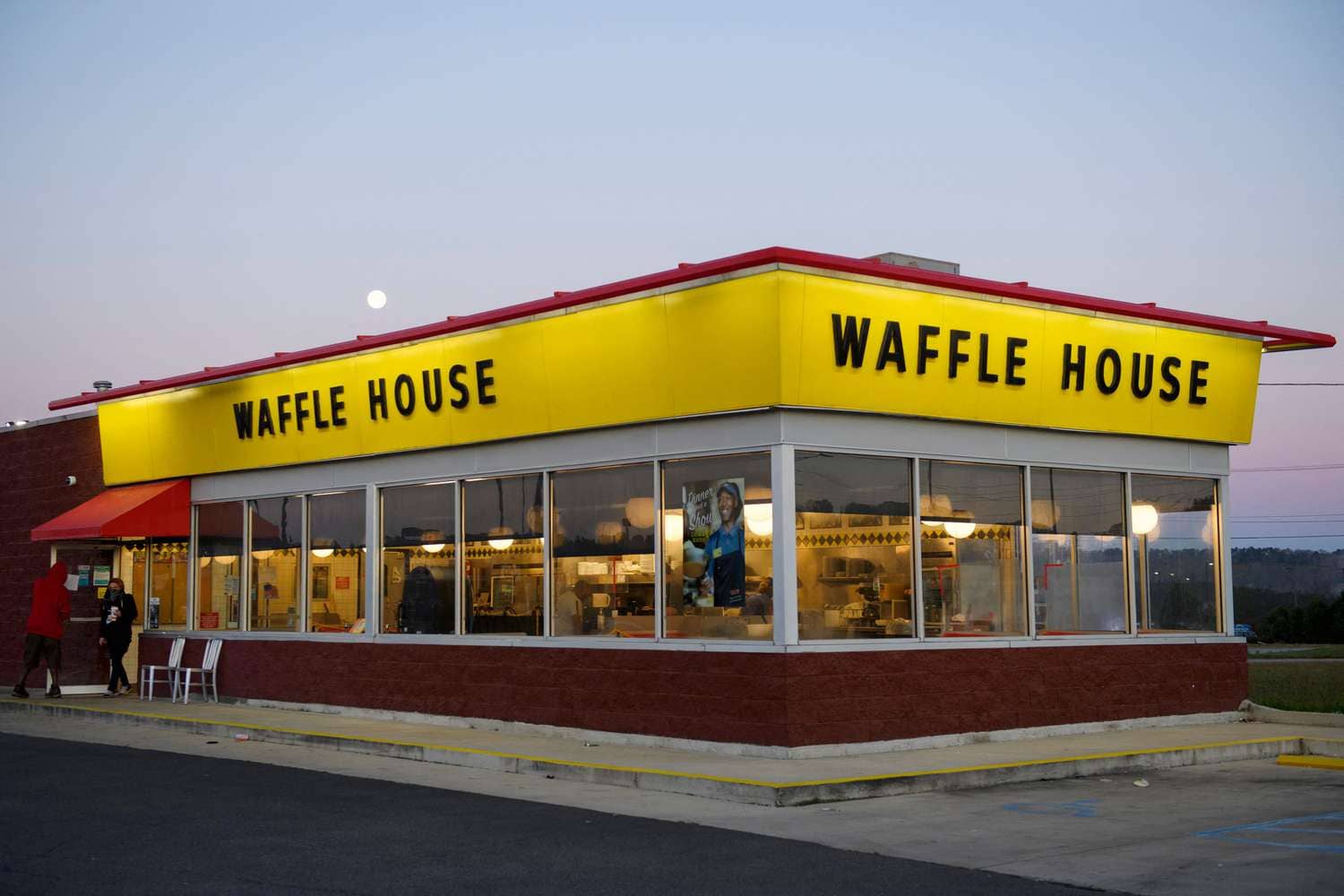
For Waffle House, known for its round-the-clock service, introducing late-night delivery aligns with its brand essence of convenience and accessibility. By offering delivery services during non-traditional hours, Waffle House enhances its customer reach without the need for extended operational hours. This strategic move not only caters to changing consumer demands but also reinforces the brand's commitment to providing quality service at all times.