
Restaurant Technology Trends in 2026
Explore restaurant technology trends in 2026, including AI, automation, digital ordering, workforce tools, connected kitchens, personalization, and profitability strategies today.
Technology
Aug 28, 2026
Explore restaurant technology trends in 2026, including AI, automation, digital ordering, workforce tools, connected kitchens, personalization, and profitability strategies today.
Aug 28, 2026
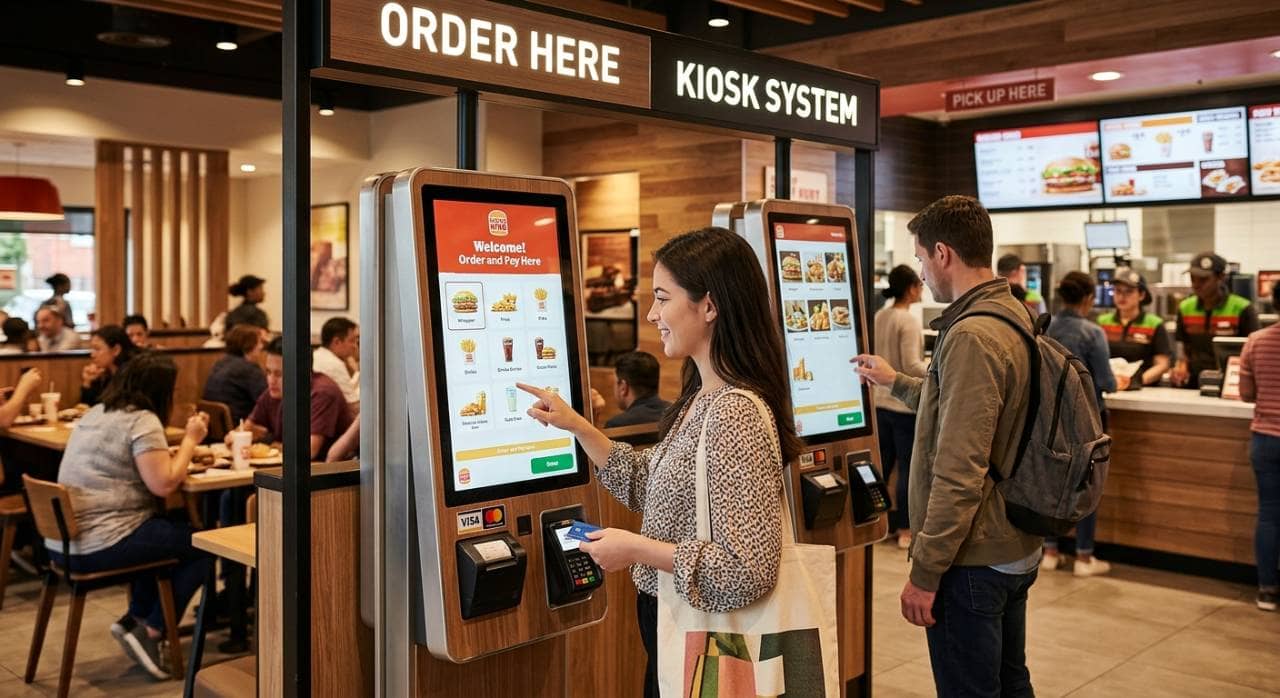
Understand how to evaluate a Kiosk system using key criteria including features, POS integration, hardware, pricing, customer experience, and support.
Aug 31, 2026
Learn how to calculate restaurant cost of goods using inventory, purchases, COGS percentage, variance reviews, and regular tracking for profitability.
Aug 31, 2026
Learn the startup costs of opening an ice cream shop, including rent, equipment, renovations, permits, inventory, labor, marketing, and reserves.
Aug 28, 2026

A restaurant P&L statement reveals sales, expenses, and profits, helping owners manage costs, improve margins, and plan finances more effectively.
Aug 26, 2026
Learn practical ways to reduce labour costs through smarter scheduling, forecasting, productivity, cross-training, automation, overtime control, and performance monitoring strategies.
Aug 26, 2026
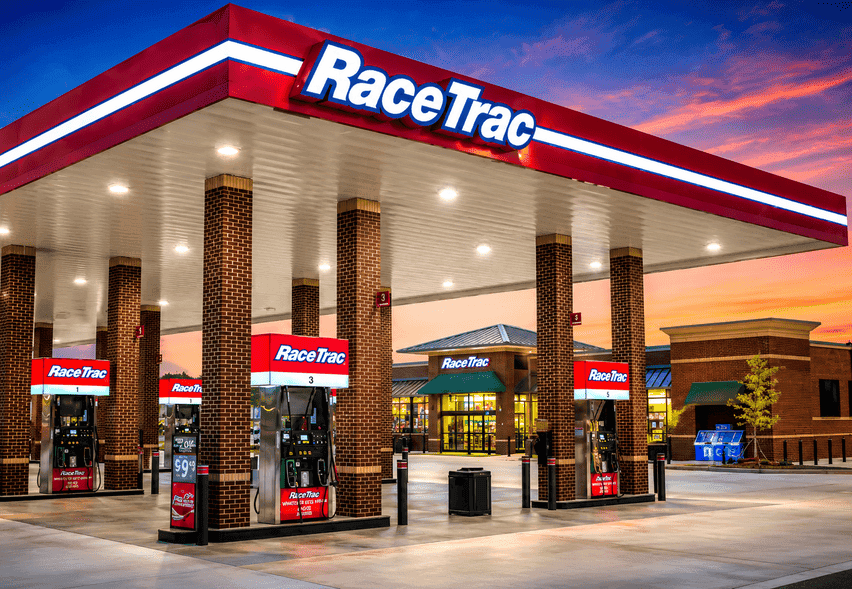
RaceTrac has appointed Jill Pemberton as chief financial officer, succeeding Karla Ahlert, who moves into the newly created role of chief administrative officer.
Aug 26, 2026

Create a practical restaurant marketing plan by setting goals, targeting customers, choosing channels, budgeting wisely, scheduling campaigns, and measuring results.
Aug 24, 2026
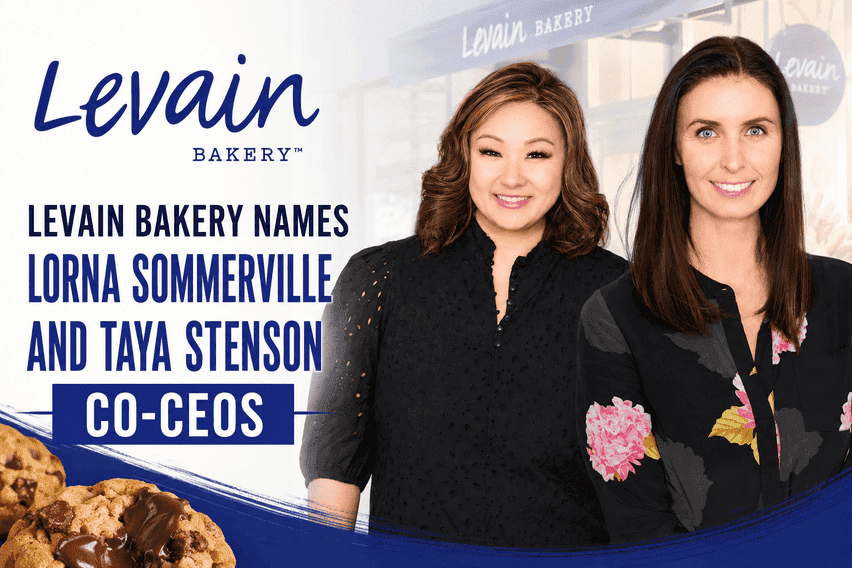
Levain Bakery appoints Lorna Sommerville and Taya Stenson as co-CEOs, blending operational and marketing expertise to power national expansion and innovation while staying rooted in its brand values.
Aug 25, 2026

A payroll advance policy helps restaurant owners define eligibility, limits, repayment, documentation, approval procedures, and compliance requirements for employee advances.
Aug 24, 2026

Unlock Exclusive Access To Webinars, Events, And The Latest News For Free!
Explore how Jack in the Box is addressing its sales decline through operational changes and strategic initiatives amid challenging market conditions.

In the face of a substantial 7% decrease in same-store sales during fiscal Q3 2025, Jack in the Box found itself at a critical juncture to reassess its operational strategies. The burger brand's CEO, Lance Tucker, acknowledged the industry-wide challenges of declining guest count and evolving consumer preferences that adversely impacted sales performance. These challenges prompted the chain to embark on a comprehensive operational overhaul to navigate the turbulent market conditions.
Jack in the Box initiated store closures and operational restructuring as part of its JACK on Track program to streamline operations and enhance overall efficiency. With the closure of 15 restaurants and potential plans for more shutdowns in the calendar year, the brand aims to optimize its store footprint and reallocate resources effectively. The company's commitment to transforming its brand image and operational processes underscores a proactive approach to combat diminishing sales figures.
To address the issue of consumer value perception, Jack in the Box is intensifying its efforts to emphasize consistency and quality in its core menu offerings. By enhancing training programs and recognition initiatives for employees, the brand seeks to elevate service standards and customer experience. Moreover, the implementation of marketing strategies to promote value deals like the Bonus Jack Combo and other Limited Time Offerings (LTOs) underscores Jack's commitment to revitalizing its brand identity and customer appeal.
Through strategic menu innovations and pricing adjustments, Jack in the Box aims to bridge pricing gaps and cater to a wider range of consumer preferences. By introducing new LTOs and focusing on menu diversification, the brand endeavors to revitalize its offerings and attract a broader customer base. The brand's investment in filling pricing gaps and enhancing menu affordability reflects a customer-centric approach to drive sales growth and sustain long-term competitiveness.
Jack's Way, a comprehensive operational framework introduced by the brand, prioritizes consistency, quality, and innovation across its operations. Through employee training, recognition programs, and an emphasis on menu value, Jack in the Box is laying the foundation for sustained operational excellence and customer satisfaction. The strategic realignment of its antiquated store base and the planned reimaging initiative signify Jack's commitment to modernization and adaptability in a rapidly evolving market landscape.
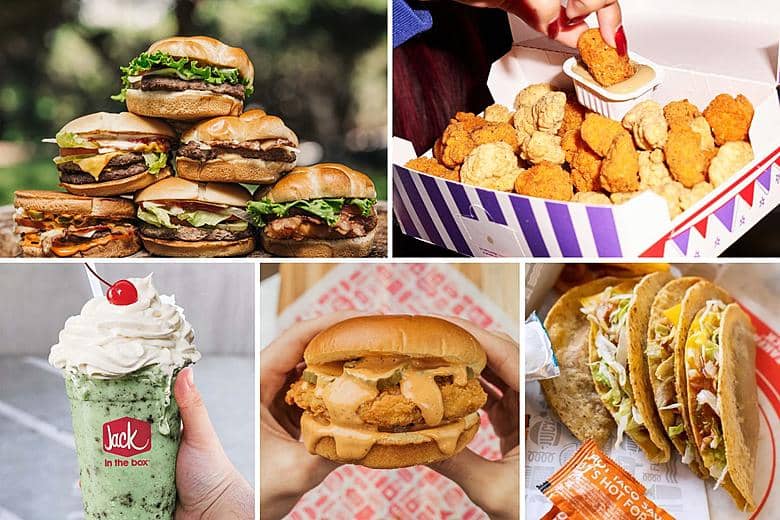
In its pursuit of strategic alternatives for Del Taco and the planned sale of real estate assets, Jack in the Box is poised to optimize its financial position and drive long-term growth. The brand's proactive approach to exploring new opportunities and leveraging assets underscores its resilience and determination to emerge stronger from the current challenges. By focusing on operational efficiency, brand revitalization, and strategic partnerships, Jack in the Box is strategically positioned to navigate turbulent market conditions and revitalize its competitive edge.