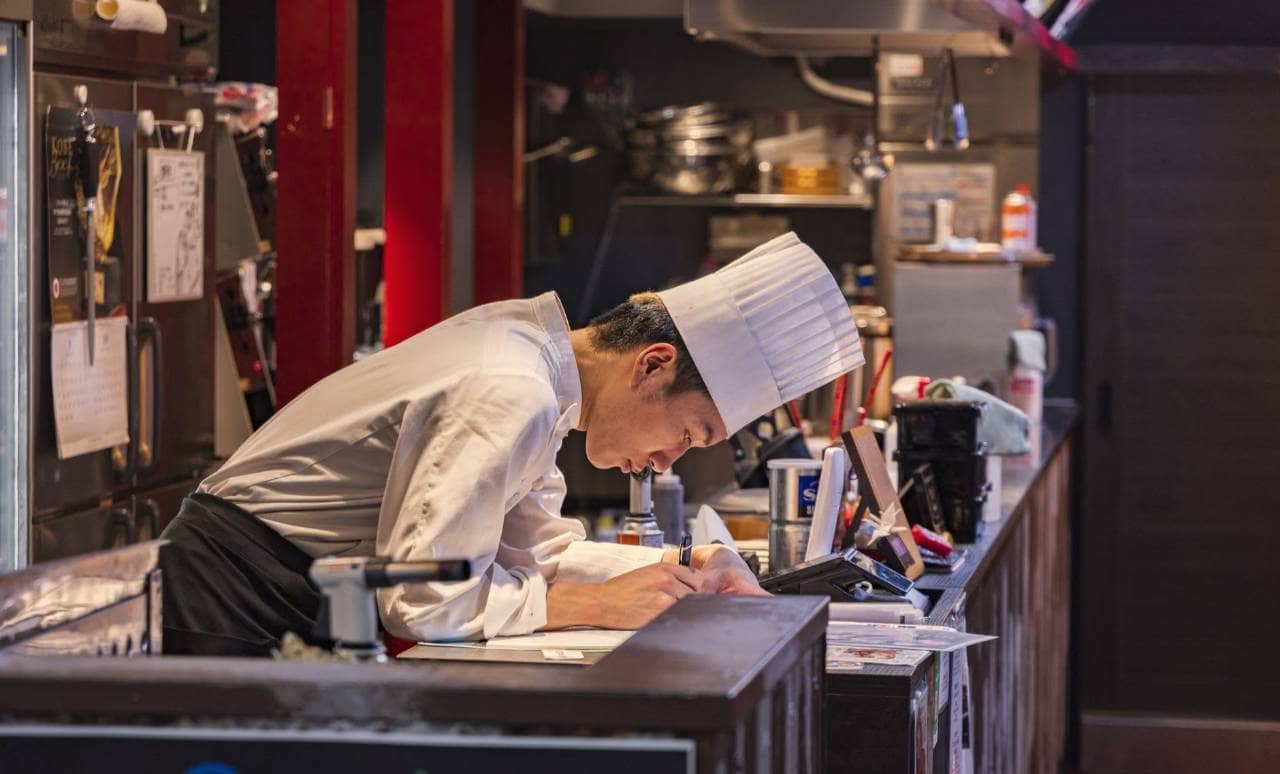
How to Calculate Cost of Goods Sold for a Restaurant
Learn how to calculate restaurant cost of goods using inventory, purchases, COGS percentage, variance reviews, and regular tracking for profitability.
Accounting
Aug 31, 2026
Learn how to calculate restaurant cost of goods using inventory, purchases, COGS percentage, variance reviews, and regular tracking for profitability.
Aug 31, 2026

Explore restaurant technology trends in 2026, including AI, automation, digital ordering, workforce tools, connected kitchens, personalization, and profitability strategies today.
Aug 28, 2026
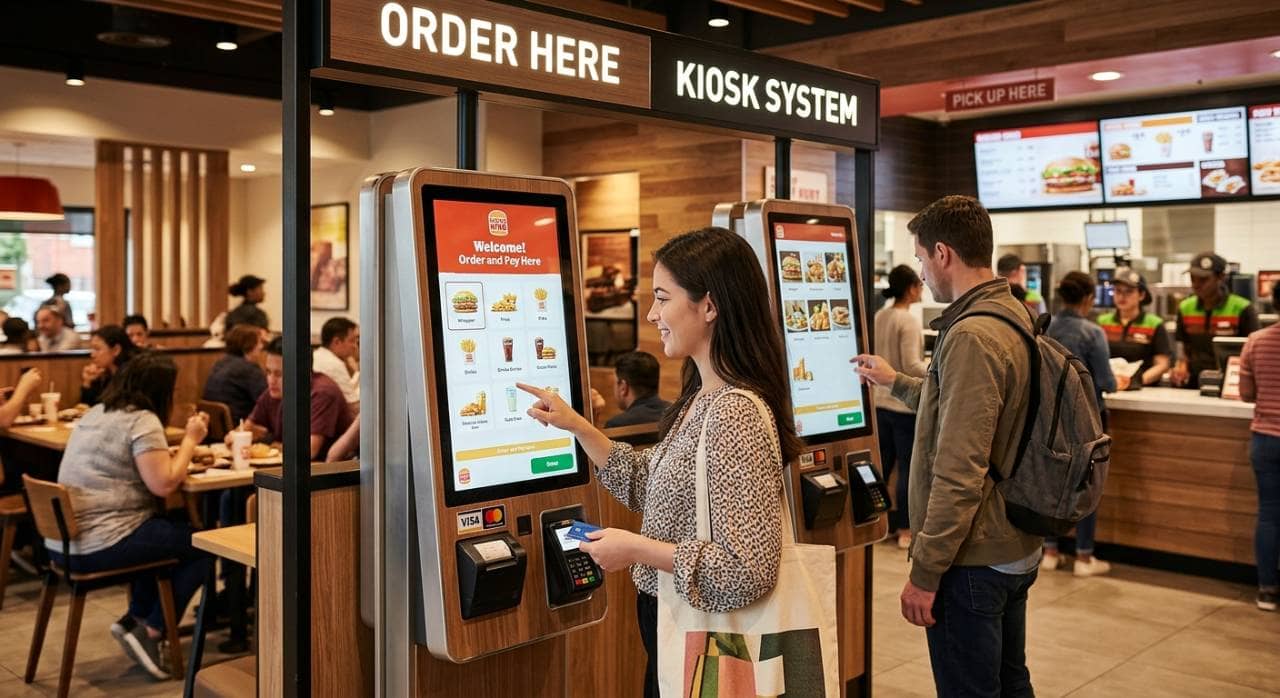
Understand how to evaluate a Kiosk system using key criteria including features, POS integration, hardware, pricing, customer experience, and support.
Aug 31, 2026

Learn the startup costs of opening an ice cream shop, including rent, equipment, renovations, permits, inventory, labor, marketing, and reserves.
Aug 28, 2026

A restaurant P&L statement reveals sales, expenses, and profits, helping owners manage costs, improve margins, and plan finances more effectively.
Aug 26, 2026
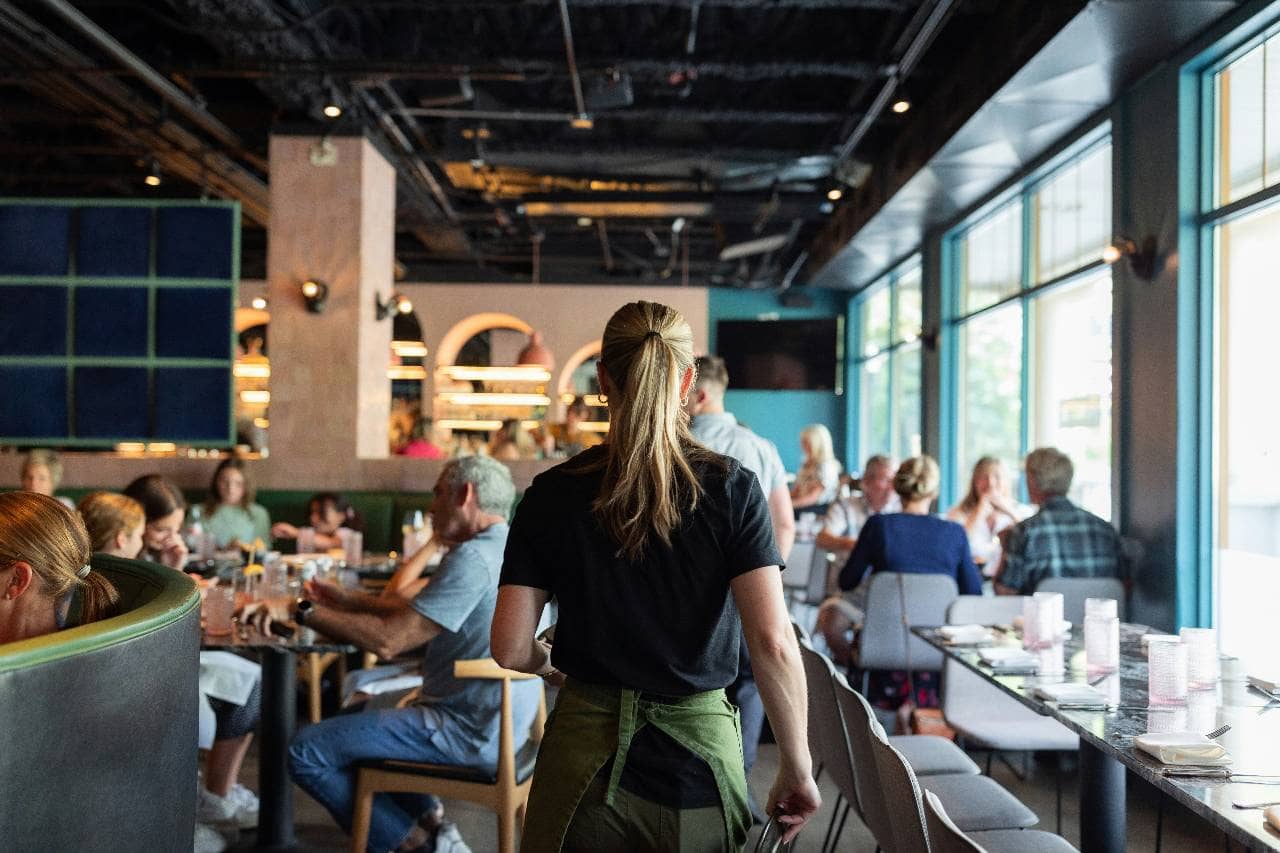
Learn practical ways to reduce labour costs through smarter scheduling, forecasting, productivity, cross-training, automation, overtime control, and performance monitoring strategies.
Aug 26, 2026
RaceTrac has appointed Jill Pemberton as chief financial officer, succeeding Karla Ahlert, who moves into the newly created role of chief administrative officer.
Aug 26, 2026

Create a practical restaurant marketing plan by setting goals, targeting customers, choosing channels, budgeting wisely, scheduling campaigns, and measuring results.
Aug 24, 2026

Levain Bakery appoints Lorna Sommerville and Taya Stenson as co-CEOs, blending operational and marketing expertise to power national expansion and innovation while staying rooted in its brand values.
Aug 25, 2026

A payroll advance policy helps restaurant owners define eligibility, limits, repayment, documentation, approval procedures, and compliance requirements for employee advances.
Aug 24, 2026

Unlock Exclusive Access To Webinars, Events, And The Latest News For Free!
Explore how Starbucks plans to address its business challenges and enhance customer experience to drive growth in the future.

Photo by 99.films

Photo by 99.films
With Starbucks facing business challenges and a decline in sales, new CEO Brian Niccol has outlined a strategic roadmap to revamp the company's approach and improve customer experience. Niccol emphasized five key areas of concentration to address the issues plaguing Starbucks and steer the brand back towards growth and profitability.
Niccol highlighted five critical areas for Starbucks' focus moving forward: coffee product development, addressing barista needs, enhancing customer experience during peak hours, emphasizing community engagement, and overhauling the brand architecture. These strategic pillars are aimed at reconnecting with customers, resolving operational challenges, and reigniting interest in the Starbucks brand.
Photo by 99.films
One of the key areas of focus for Starbucks is coffee product development. By introducing innovative and appealing beverage options, Starbucks aims to attract both new and existing customers. This strategy involves creating unique and exciting coffee-based products that resonate with consumer preferences and market trends.

Photo by 99.films
Starbucks recognizes the importance of its baristas in delivering a high-quality customer experience. By prioritizing barista training, support, and well-being, Starbucks aims to enhance service efficiency and customer satisfaction. Investing in barista development and creating a positive work environment can lead to improved customer interactions and operational excellence.
During peak hours, customer experience plays a crucial role in retaining business. Starbucks aims to streamline processes, reduce wait times, and ensure consistency in service quality during busy periods. By optimizing operations and staffing levels, Starbucks can better meet customer demands and enhance the overall in-store experience.
Community engagement is vital for building brand loyalty and creating a welcoming atmosphere in Starbucks stores. By fostering relationships with local communities, supporting social causes, and creating spaces for customers to connect, Starbucks can strengthen its brand presence and resonate with diverse consumer segments. This community-centric approach can enhance customer loyalty and drive repeat business.
Realigning the brand architecture is crucial for reinforcing Starbucks' identity and values. A brand overhaul can involve refining messaging, visual elements, store designs, and overall brand positioning to ensure consistency and relevance in the market. By modernizing and unifying the brand experience, Starbucks can enhance its appeal to customers and differentiate itself in a competitive industry.

Photo by 99.films
As Starbucks navigates a period of transition and implements strategic changes, the brand is poised to redefine its future trajectory. By focusing on coffee product innovation, barista empowerment, peak-hour efficiency, community engagement, and brand revitalization, Starbucks aims to regain customer trust, drive traffic, and fuel growth. Through these targeted initiatives, Starbucks is setting the stage for a revitalized customer experience and a reinvigorated brand identity.