
Restaurant Technology Trends in 2026
Explore restaurant technology trends in 2026, including AI, automation, digital ordering, workforce tools, connected kitchens, personalization, and profitability strategies today.
Technology
Aug 28, 2026
Explore restaurant technology trends in 2026, including AI, automation, digital ordering, workforce tools, connected kitchens, personalization, and profitability strategies today.
Aug 28, 2026
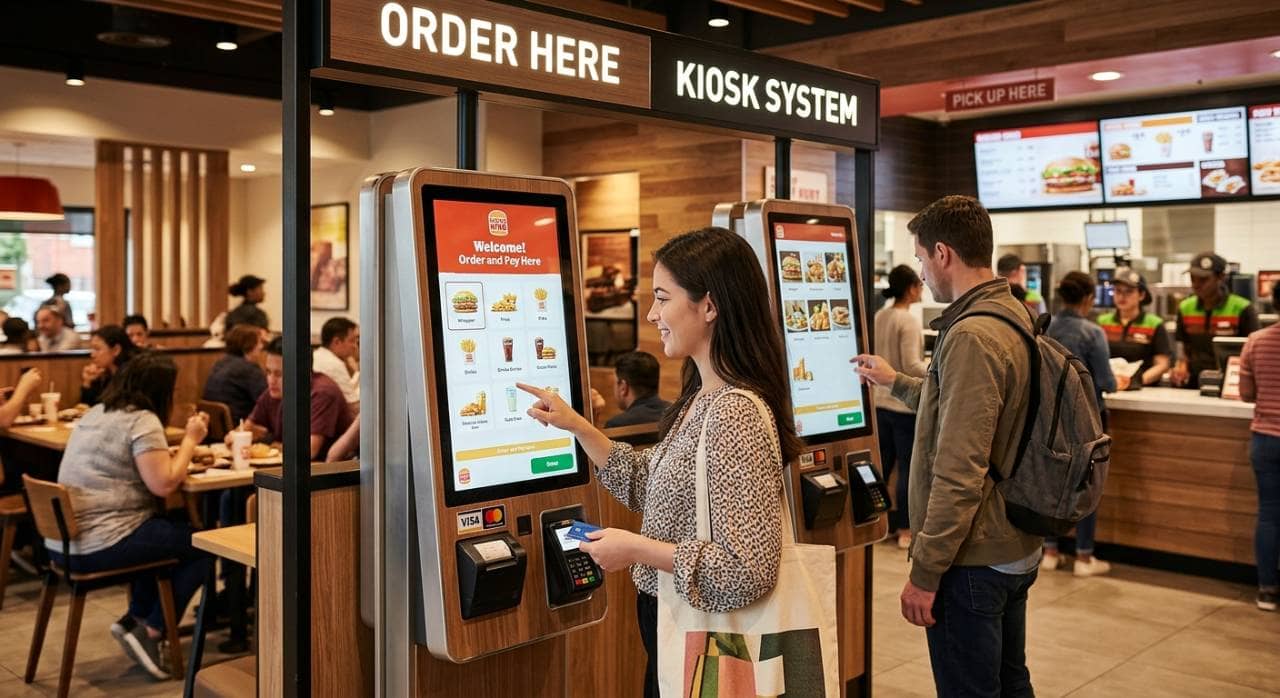
Understand how to evaluate a Kiosk system using key criteria including features, POS integration, hardware, pricing, customer experience, and support.
Aug 31, 2026
Learn how to calculate restaurant cost of goods using inventory, purchases, COGS percentage, variance reviews, and regular tracking for profitability.
Aug 31, 2026
Learn the startup costs of opening an ice cream shop, including rent, equipment, renovations, permits, inventory, labor, marketing, and reserves.
Aug 28, 2026

A restaurant P&L statement reveals sales, expenses, and profits, helping owners manage costs, improve margins, and plan finances more effectively.
Aug 26, 2026
Learn practical ways to reduce labour costs through smarter scheduling, forecasting, productivity, cross-training, automation, overtime control, and performance monitoring strategies.
Aug 26, 2026
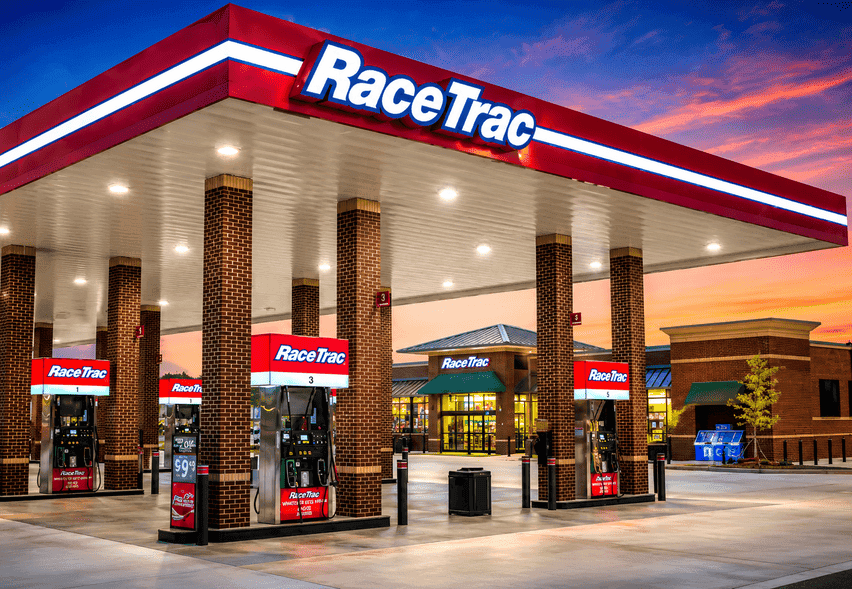
RaceTrac has appointed Jill Pemberton as chief financial officer, succeeding Karla Ahlert, who moves into the newly created role of chief administrative officer.
Aug 26, 2026

Create a practical restaurant marketing plan by setting goals, targeting customers, choosing channels, budgeting wisely, scheduling campaigns, and measuring results.
Aug 24, 2026
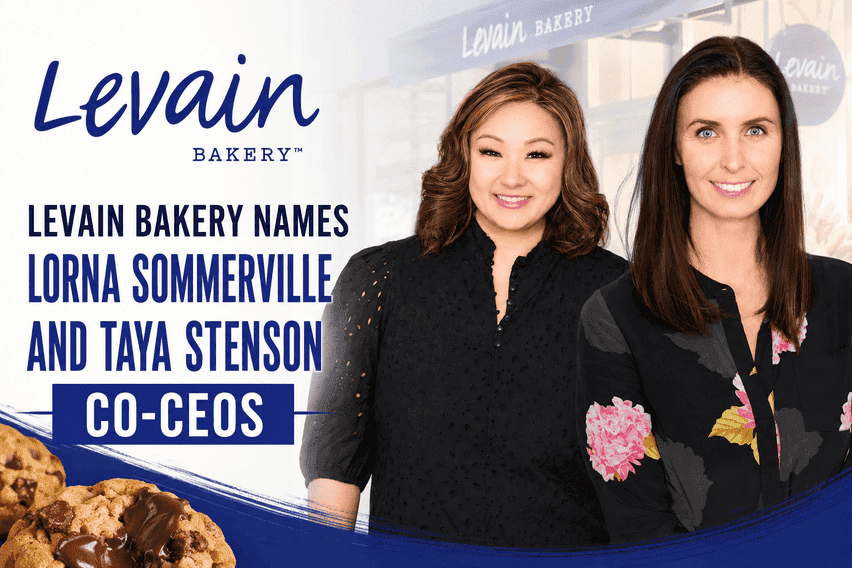
Levain Bakery appoints Lorna Sommerville and Taya Stenson as co-CEOs, blending operational and marketing expertise to power national expansion and innovation while staying rooted in its brand values.
Aug 25, 2026
A payroll advance policy helps restaurant owners define eligibility, limits, repayment, documentation, approval procedures, and compliance requirements for employee advances.
Aug 24, 2026

Unlock Exclusive Access To Webinars, Events, And The Latest News For Free!
Cafe Rio Fresh Modern Mexican has named Mike Burns as its new CEO, bringing in the former head of Latitude Food Group to lead the 150-plus location fast-casual chain into its next growth phase ahead of its 30th anniversary in 2027.
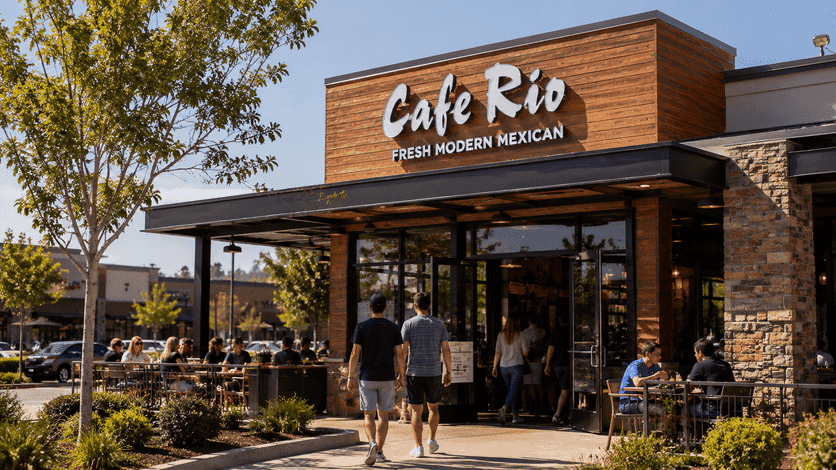
Cafe Rio Fresh Modern Mexican has appointed Mike Burns as its new chief executive officer. The Salt Lake City-based fast-casual chain, which was founded in 1997 and has grown to more than 150 locations across 11 states, is bringing in Burns to lead what its private equity backer describes as the brand's next chapter of growth with the chain's 30th anniversary coming up in 2027. Burns comes in at a moment when Cafe Rio has a strong financial foundation to build from. The chain finished 2025 with $343.7 million in system sales, according to data from Technomic a number that reflects a brand with genuine scale and consumer demand, even if its market presence hasn't matched its underlying performance in terms of industry visibility.
Burns joins Cafe Rio from Latitude Food Group, the restaurant holding company formed in November 2025 following the acquisition of Tex-Mex chain Tijuana Flats by Washington, D.C.-based fast-casual brand &pizza. Burns served as CEO of &pizza since 2023 and stepped into the top role at Latitude Food Group when the combined entity was created. Managing a multi-brand holding company through an acquisition and integration requires a different set of skills than running a single-concept operation experience that is likely to serve him well as Cafe Rio looks to scale more aggressively. Before &pizza and Latitude Food Group, Burns held executive roles at Rave Restaurant Group, Pei Wei, and Bojangles a range of fast-casual and QSR formats that gives him a broad foundation across different consumer bases, operational models, and growth stages.
Burns was direct in his first public comments about the role, and the tone suggests he has a clear perspective on what Cafe Rio has been missing and what he intends to change. He described watching the brand for a long time before joining, and framed the opportunity as one of reclaiming a position the brand has earned but hasn't been occupying loudly enough. The chain, he said, built its following by not blending in by leading with freshness, quality, and food people genuinely crave rather than chasing trends. His stated intention is to bring energy back to the brand, make more noise in the market, and put Cafe Rio back at the front of the fast-casual Mexican conversation rather than simply being a part of it. For a brand approaching its 30th year, that kind of reset in positioning and ambition is a meaningful signal about what the next phase will look like.
Freeman Spogli & Co., the private equity firm that acquired a majority stake in Cafe Rio in 2017, has been direct about why Burns was the right choice. Christian Johnson, a partner at Freeman Spogli, described Burns as one of the most effective leaders in fast casual someone with a track record of aligning teams around a clear vision and translating that vision into operational results. That combination strategic clarity and operational execution is exactly what a PE-backed brand in growth mode needs from its CEO. Freeman Spogli has supported Cafe Rio's expansion from a regional concept to a nearly 150-unit chain across more than a decade of ownership. The appointment of Burns signals the firm is ready to push for the next level of scale, and that it sees this particular leadership profile as the right fit for that ambition.
Cafe Rio operates in a competitive segment. Chipotle dominates fast-casual Mexican at scale, while brands like Qdoba, Moe's Southwest Grill, and a growing number of regional concepts compete for the same consumer. In that environment, differentiation matters and Cafe Rio's longstanding emphasis on fresh, made-from-scratch ingredients across a menu that includes burritos, tacos, salads, and slow-roasted meats gives it a genuine point of difference that Burns has clearly identified as the brand's core asset. The challenge isn't the food. It's visibility, marketing energy, and the kind of cultural presence that turns a good restaurant into a brand consumers actively champion. Burns' comments about making noise and leading conversations rather than joining them suggest he understands that gap and has a point of view on how to close it.
Cafe Rio's 30th anniversary in 2027 gives the incoming CEO a natural milestone to build toward a moment to celebrate the brand's history while simultaneously announcing what comes next. For a chain with $343.7 million in sales, more than 150 locations, and a PE backer that has been patient and consistent in its support, the ingredients for a meaningful growth push are in place. Whether Burns can translate his stated ambition into the operational momentum and market presence the brand is clearly capable of will play out over the next several quarters. But the hire itself experienced, opinionated, and clearly motivated by what Cafe Rio can become is an encouraging sign for a brand that has spent too long being underestimated.