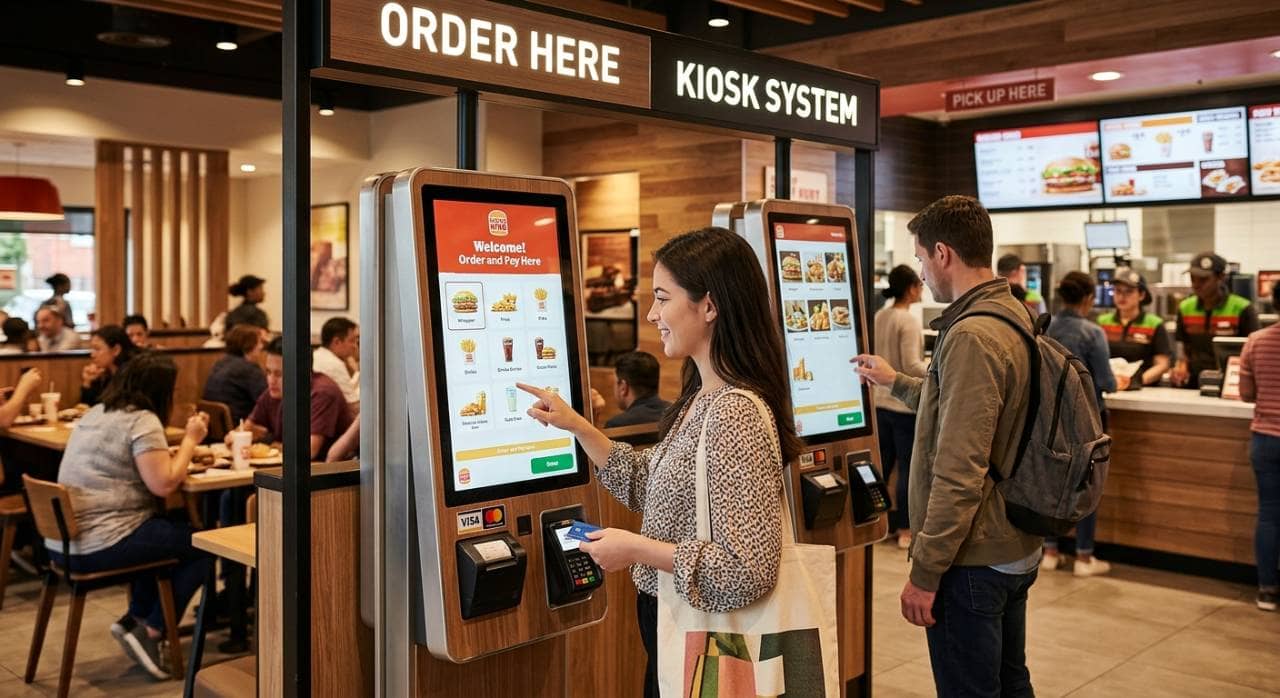
How to Select the Best Restaurant Kiosk System
Understand how to evaluate a Kiosk system using key criteria including features, POS integration, hardware, pricing, customer experience, and support.
Point Of Sale
Aug 31, 2026
Understand how to evaluate a Kiosk system using key criteria including features, POS integration, hardware, pricing, customer experience, and support.
Aug 31, 2026
Learn how to calculate restaurant cost of goods using inventory, purchases, COGS percentage, variance reviews, and regular tracking for profitability.
Aug 31, 2026

Explore restaurant technology trends in 2026, including AI, automation, digital ordering, workforce tools, connected kitchens, personalization, and profitability strategies today.
Aug 28, 2026

Learn the startup costs of opening an ice cream shop, including rent, equipment, renovations, permits, inventory, labor, marketing, and reserves.
Aug 28, 2026
RaceTrac has appointed Jill Pemberton as chief financial officer, succeeding Karla Ahlert, who moves into the newly created role of chief administrative officer.
Aug 26, 2026

A restaurant P&L statement reveals sales, expenses, and profits, helping owners manage costs, improve margins, and plan finances more effectively.
Aug 26, 2026
Learn practical ways to reduce labour costs through smarter scheduling, forecasting, productivity, cross-training, automation, overtime control, and performance monitoring strategies.
Aug 26, 2026
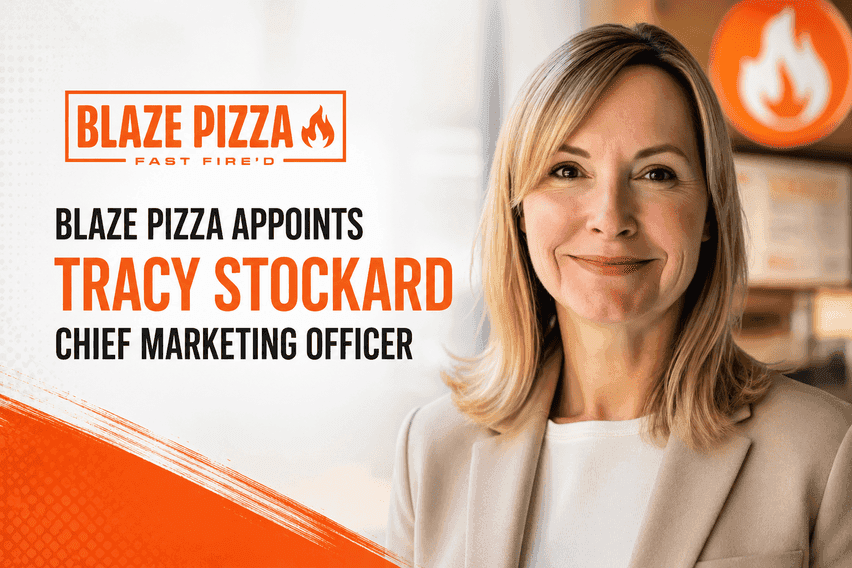
Blaze Pizza welcomes Tracy Stockard as Chief Marketing Officer, bringing decades of brand and franchise experience to drive strategic growth and guest engagement.
Aug 25, 2026

Create a practical restaurant marketing plan by setting goals, targeting customers, choosing channels, budgeting wisely, scheduling campaigns, and measuring results.
Aug 24, 2026

Levain Bakery appoints Lorna Sommerville and Taya Stenson as co-CEOs, blending operational and marketing expertise to power national expansion and innovation while staying rooted in its brand values.
Aug 25, 2026

Unlock Exclusive Access To Webinars, Events, And The Latest News For Free!
Explore the consequences of delaying the wage hike in Washington DC on the restaurant industry and labor market.

Photo by LaRon Rosser
The recent decision to delay the scheduled wage increase in Washington DC has sparked heated debates and drawn polarized opinions from different stakeholders. While proponents of the delay argue that it provides a crucial opportunity to reassess the situation and analyze pertinent data, critics, including advocacy groups like One Fair Wage, strongly condemn the move, labeling it as a betrayal of workers and a setback for economic and racial justice efforts.
Contrary to the predictions of job losses and adverse impacts on the restaurant sector due to the delayed wage hike, statistical evidence from reputable sources such as the Bureau of Labor Statistics (BLS) paints a different picture. Recent data suggests that the full-service restaurant employment in Washington DC has actually reached record highs, surpassing pre-pandemic levels and showcasing growth trends. The growth in employment, particularly in full-service establishments, indicates a positive trajectory for the sector despite the wage delay.
Research conducted by the Office of the Budget Director further supports the notion that the delayed wage increase has not led to a crisis in employment within the restaurant industry. The report indicates that full-service restaurant employment had rebounded to pre-pandemic levels well before the latest BLS report. Moreover, the increase in employment in food services and drinking places in the District outpacing neighboring areas like Maryland and Virginia signifies a resilient market.
Claims of substantial wage decreases for restaurant workers attributed to Initiative 82 have been disputed based on the methodology of the analysis. While opponents argue an overall dip in pay, a closer look reveals that year-over-year comparisons present a more accurate representation, showing increases in worker compensation during different quarters. This highlights the importance of considering seasonal variations and comprehensive data analysis in evaluating wage impacts.
The potential repeal of Initiative 82 by the D.C. council would mark a significant event in the city's legislative history, reflecting a recurring pattern of overturning voter-supported measures related to the minimum wage and tip credits. Previous instances, such as the repeal of Initiative 77 in 2018, underscore the ongoing challenges and controversies surrounding wage policies in the region, with implications for both the legislative process and labor market dynamics.

Photo by LaRon Rosser
Amidst the debates surrounding wage policies and their impacts on the restaurant industry, the appreciation of diverse stakeholder perspectives is crucial. Organizations like the Restaurant Association Metropolitan Washington (RAMW) have emphasized the importance of data-driven decision-making, urging for a comprehensive examination of the situation to ensure informed policy choices that benefit both workers and businesses.