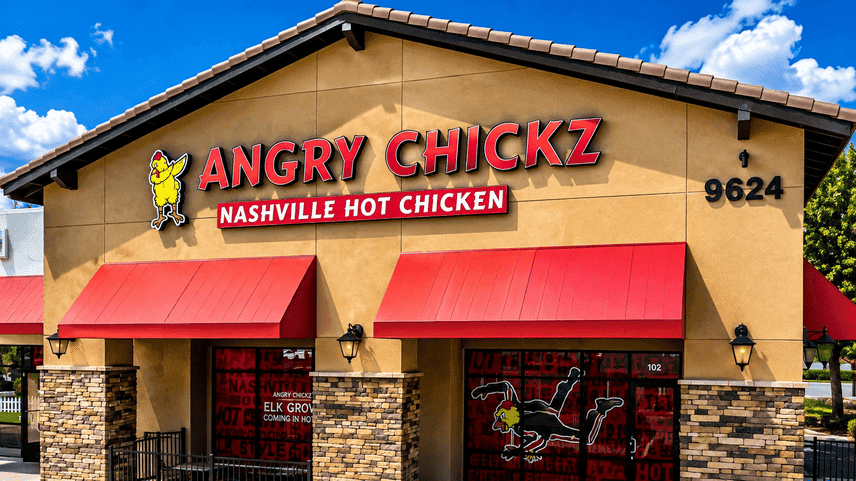
Nashville Hot Chicken Comes to Midwest
Angry Chickz enters Illinois with its signature hot chicken concept and ambitious plans for Midwest expansion, setting the stage for new franchise opportunities and community engagement.
News
Sep 2, 2026
Angry Chickz enters Illinois with its signature hot chicken concept and ambitious plans for Midwest expansion, setting the stage for new franchise opportunities and community engagement.
Sep 2, 2026
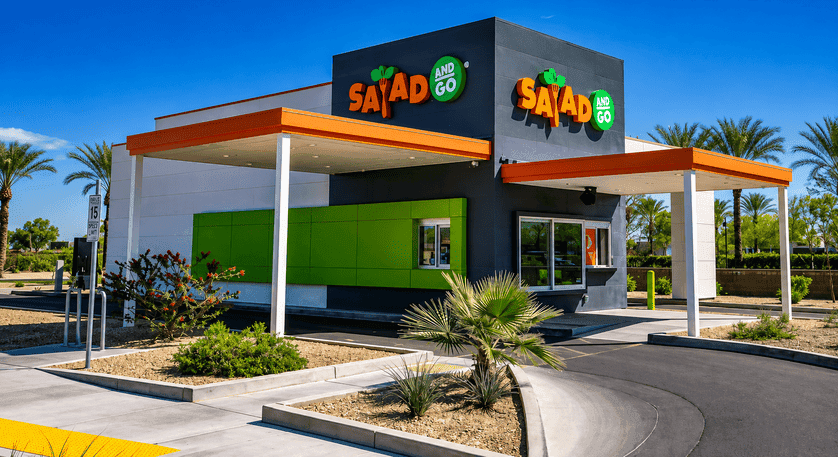
7 Brew has acquired 73 former Salad and Go locations, surpassing Dutch Bros with a $143M bid, signaling a major shift in the competitive landscape for drive-thru brands.
Sep 2, 2026
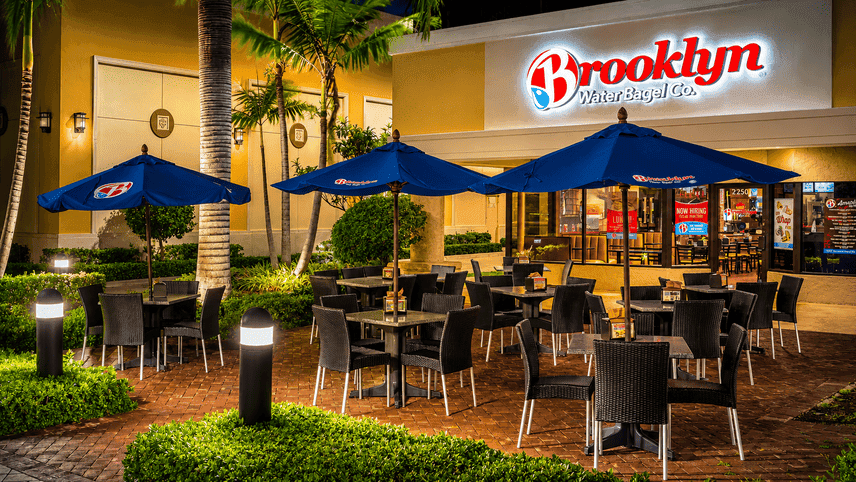
Brooklyn Water Bagel launches its first campus eatery at Nova Southeastern, signaling strategic growth and fresh potential for multi-unit operators seeking new market wins.
Sep 2, 2026
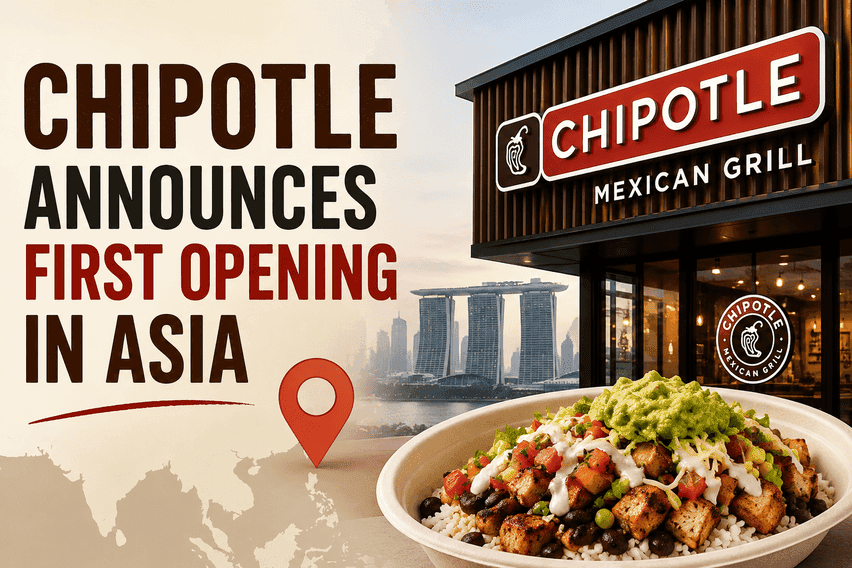
Chipotle makes its highly anticipated entry into Asia with a Seoul opening, partnering with Sangmidang Holdings and setting a template for future international growth.
Sep 2, 2026
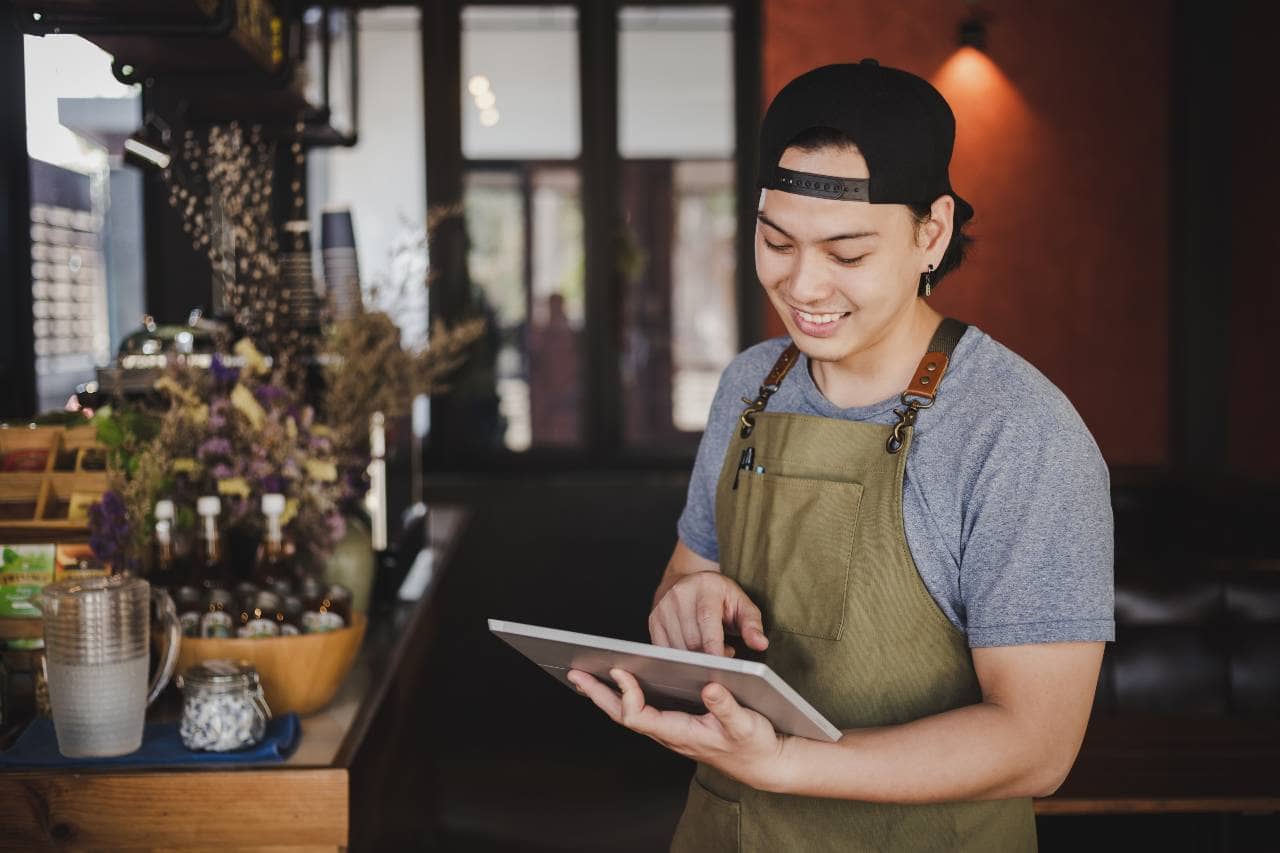
Explore restaurant technology trends in 2026, including AI, automation, digital ordering, workforce tools, connected kitchens, personalization, and profitability strategies today.
Aug 28, 2026
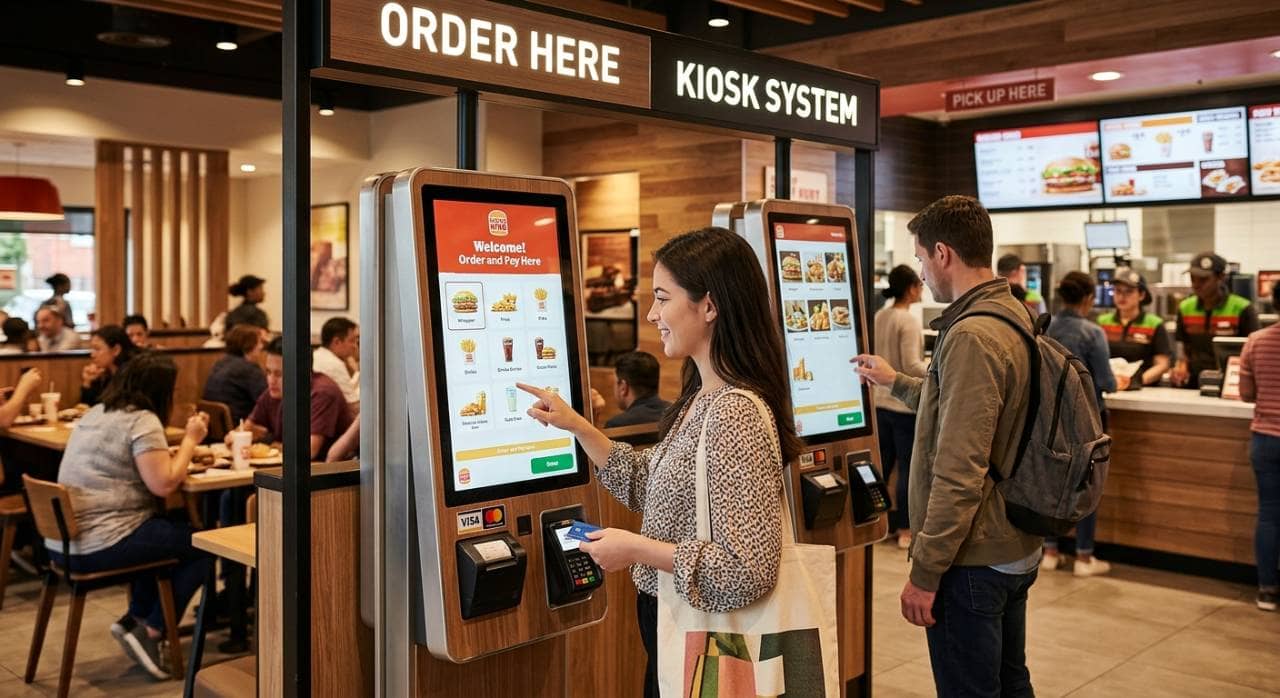
Understand how to evaluate a Kiosk system using key criteria including features, POS integration, hardware, pricing, customer experience, and support.
Aug 31, 2026
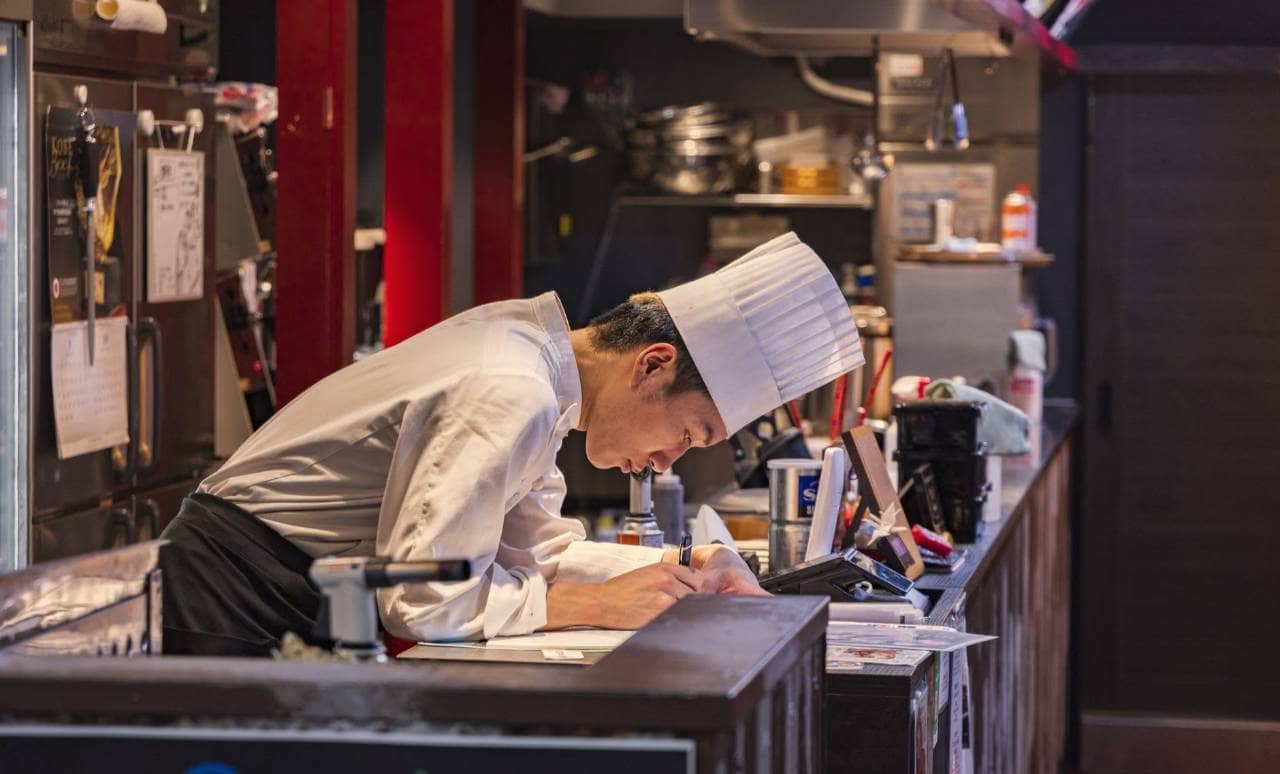
Learn how to calculate restaurant cost of goods using inventory, purchases, COGS percentage, variance reviews, and regular tracking for profitability.
Aug 31, 2026
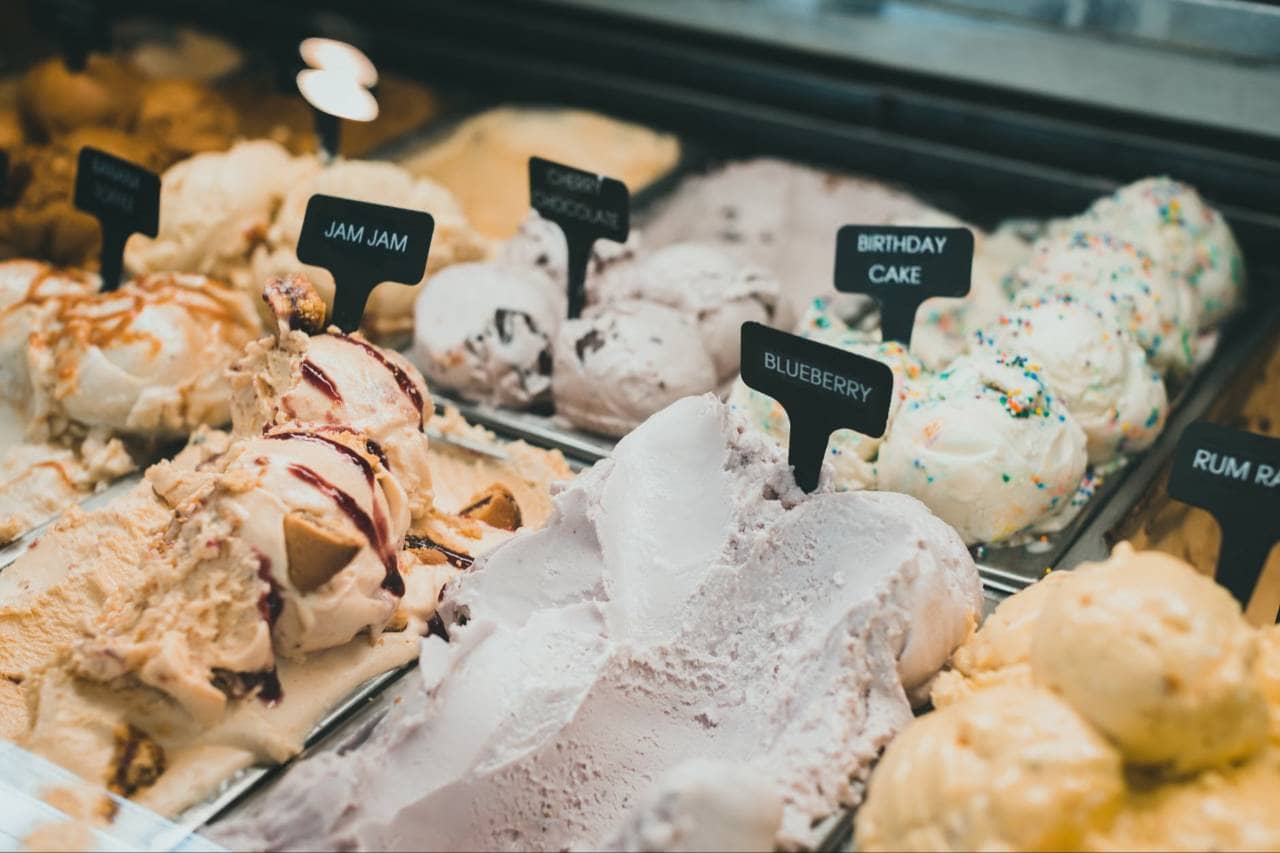
Learn the startup costs of opening an ice cream shop, including rent, equipment, renovations, permits, inventory, labor, marketing, and reserves.
Aug 28, 2026

A restaurant P&L statement reveals sales, expenses, and profits, helping owners manage costs, improve margins, and plan finances more effectively.
Aug 26, 2026
Learn practical ways to reduce labour costs through smarter scheduling, forecasting, productivity, cross-training, automation, overtime control, and performance monitoring strategies.
Aug 26, 2026

Unlock Exclusive Access To Webinars, Events, And The Latest News For Free!
Little Caesars is offering Amazon Prime members $5 classic pepperoni and cheese pizzas during Prime Day the first time Amazon has partnered with a QSR brand in the event's 11-year history.

For eleven straight years, Amazon Prime Day has been about electronics, household staples, and flash deals on things people have been waiting to buy. Food was never really part of that conversation at least not in any direct, restaurant-level way. Little Caesars just walked through that door first. Starting June 15 and running through June 26, Amazon Prime members can get $5 classic pepperoni or cheese pizzas from Little Caesars up to five times a day. The deal works for both delivery and in-store pickup, and the window stretches well beyond Prime Day itself, which falls June 23–26 this year. The offer is simple by design. When the goal is volume and visibility, complicated redemption mechanics get in the way.
Amazon has spent years finding new ways to make a Prime membership feel essential beyond next-day shipping. In 2022 it gave Prime members a free year of Grubhub+. That was a step toward food this is a bigger one. Going directly to a restaurant brand and building an exclusive food deal around Prime Day signals that Amazon sees everyday dining as a legitimate part of what membership should deliver. From the Amazon side, adding Little Caesars gives Prime Day a different kind of urgency. You can wait on a TV deal. You cannot wait on a pizza. Food creates a daily habit that keeps members engaged with the Prime ecosystem in ways that annual appliance purchases simply do not. The fact that it took eleven years for a QSR brand to show up here probably says more about the industry's hesitation than Amazon's interest.
It would be easy to look at this as a standalone promotion, but it fits a pattern. Little Caesars has been unusually aggressive about technology and convenience over the past several months. In April, the chain rolled out ChatGPT-powered ordering customers can now have actual conversations with an AI to plan meals, get suggestions, and build their order. A few weeks after that, it launched a drone delivery test with Flytrex using high-capacity drones capable of carrying larger pizza orders than earlier systems could handle. Three meaningful initiatives in the span of a few months is not a coincidence. The brand is clearly working toward something a version of itself where the food is still the product but the ways people get it are faster, smarter, and more integrated into how consumers already live. The Prime Day deal extends that thinking into membership and loyalty territory.
Ten years ago, loyalty in restaurants was pretty simple spend money, earn points, get a free item. That model still exists, but the more interesting action is happening at the edges, where brands are finding ways to plug into loyalty ecosystems that belong to someone else entirely. Starbucks already does this well. Its rewards members earn points through Marriott Bonvoy, Delta, and Bank of America. CAVA recently restructured its program so that members with status in partner programs from other industries can transfer that standing directly into CAVA's own tiers. Little Caesars and Amazon are working from the same playbook instead of asking consumers to build a new loyalty relationship from scratch, they're meeting people inside the membership they already have and trust. For a pizza chain competing in a crowded, price-sensitive category, that kind of reach is genuinely hard to replicate through traditional advertising.
Amazon Prime Day 2026 is expected to capture more than 60% of total U.S. ecommerce sales during its run the strongest showing for the event since 2019. That level of consumer attention concentrated into a few days represents an enormous audience, most of whom are already in a buying mindset and actively looking for deals worth acting on. Little Caesars inserting itself into that moment puts the brand in front of people who may not have thought about pizza that day or that week until a Prime deal surfaced it. Capture rates on impulse food decisions during promotional events tend to be higher than on a normal Tuesday, which is exactly why the timing matters as much as the offer itself.
The broader question this deal raises is why more restaurant brands haven't explored this kind of cross-platform partnership sooner. Consumer attention is expensive and increasingly fragmented. Getting in front of tens of millions of engaged Prime members during one of the year's highest-traffic retail moments costs far less, relatively speaking, than buying that same reach through traditional media. The value environment in restaurants right now is brutal. Menu price increases have largely run their course. Straight discounting trains customers to wait for deals rather than pay full price. Cross-brand partnerships that deliver value through an existing consumer relationship without cutting into margin on every transaction offer a smarter path. Little Caesars figured that out. The question for the rest of the industry is how long it takes everyone else to follow.