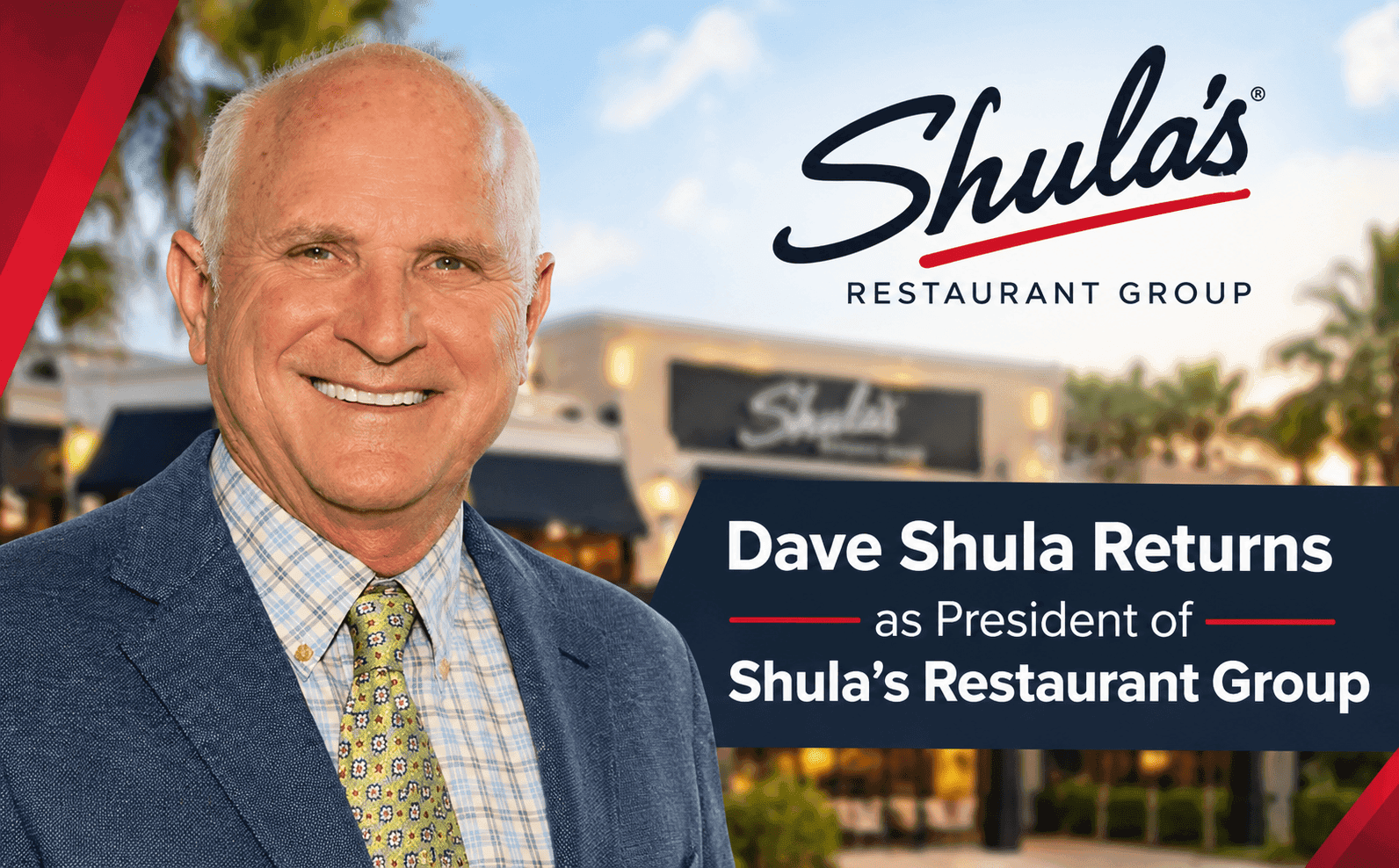
Dave Shula Returns as President of Shula's Restaurant Group
Dave Shula rejoins Shula's Restaurant Group as president, leading growth into Palm Beach Gardens and a 2027 Thomasville, Georgia expansion.
News
Sep 23, 2026
Dave Shula rejoins Shula's Restaurant Group as president, leading growth into Palm Beach Gardens and a 2027 Thomasville, Georgia expansion.
Sep 23, 2026
McDonald's commits $8.5 billion through 2036 to modernize restaurants, boost cash flow by $100,000 per store, and grow chicken and beverage sales.
Sep 23, 2026
WKS Restaurant Group promotes Jay Spongberg to president and COO after he helped grow the company from 65 to 382 restaurants over 16 years.
Sep 23, 2026

Smokey Mo's BBQ names Von Dawson, a Dine Brands veteran, as VP of Franchise Development to lead its Texas expansion strategy.
Sep 23, 2026
.png&w=3840&q=70)
Meritage Hospitality's Chapter 11 filing pulls 5% of Wendy's U.S. stores into bankruptcy, exposing cracks in franchising's bigger-is-safer bet.
Sep 21, 2026
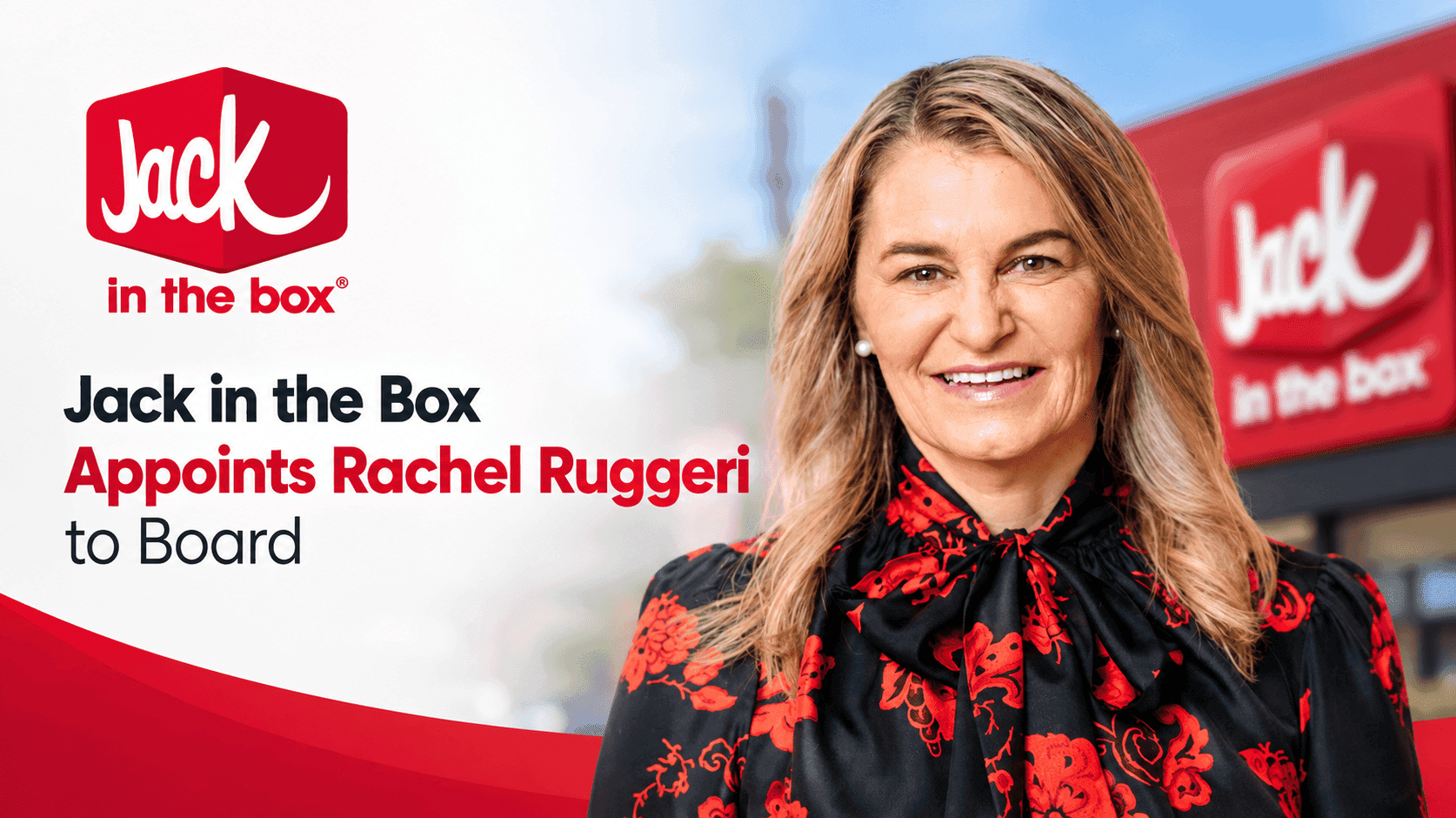
Jack in the Box names Rachel Ruggeri to its board as Michael Murphy retires, amid a CEO transition and deal with investor GreenWood.
Sep 21, 2026
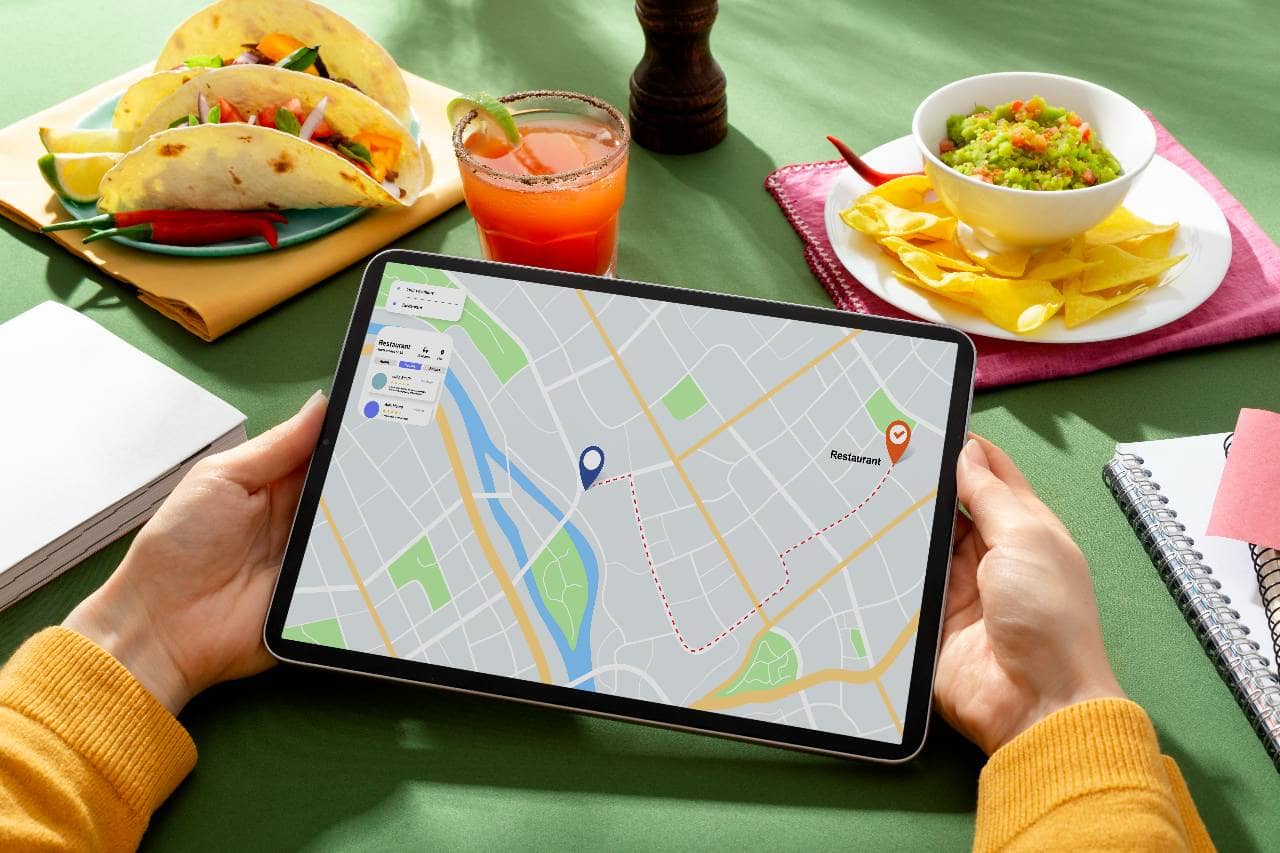
Improve restaurant Google Maps rankings by optimizing your business profile, selecting accurate categories, gathering reviews, adding photos, and strengthening local relevance signals.
Sep 21, 2026

Restaurant inventory tracking helps owners monitor stock, control food costs, reduce waste, improve purchasing, and make informed operational decisions.
Sep 21, 2026

Restaurant owners can significantly reduce restaurant costs by leveraging technology across inventory, labor, procurement, forecasting, and administrative operations for better profit margins.
Sep 18, 2026

Understand how to forecast restaurant revenue and expenses with methods for sales projection, cost scaling, fixed-cost planning, and risk buffering.
Sep 18, 2026

Unlock Exclusive Access To Webinars, Events, And The Latest News For Free!
Explore how Sweetgreen tackles declining sales, consumer behavior shifts, and tariff impacts through innovative business strategies.

Photo by Jack Cohen
Sweetgreen's recent challenges with declining sales and traffic highlight the importance of understanding consumer behavior and pricing sensitivity. The CFO's insights on the 3.4% price increase and its impact on a 6.5% drop in traffic signify the delicate balance businesses must maintain. The consumer pullback mentioned in core urban markets emphasizes the need for strategic pricing decisions to enhance value perception.
Sweetgreen's shift towards a points-based loyalty program signals a proactive approach to drive customer engagement and frequency. By acquiring 20,000 new loyalty members weekly, the brand showcases a successful strategy to enhance customer relationships and foster brand loyalty. This initiative not only incentivizes repeat visits but also strengthens the brand's connection with its customer base.

Photo by Jack Cohen
Jonathan Neman's focus on addressing price gaps in the lower and middle end of the menu reflects Sweetgreen's commitment to enhancing value perception among customers. By considering changes to their core menu and emphasizing seasonal limited-time offerings (LTOs), the brand aims to drive positive same-store sales growth. These strategic adaptations align with evolving consumer preferences and market dynamics.
The challenges posed by tariffs on goods from China have prompted Sweetgreen to diversify its supply base and secure long-term pricing agreements with key partners. By avoiding cost pass-throughs and focusing on operational efficiency, the brand aims to mitigate the impact of tariffs on its operations. Additionally, innovations like the Infinite Kitchen showcase Sweetgreen's commitment to long-term cost savings and enhanced operational effectiveness.