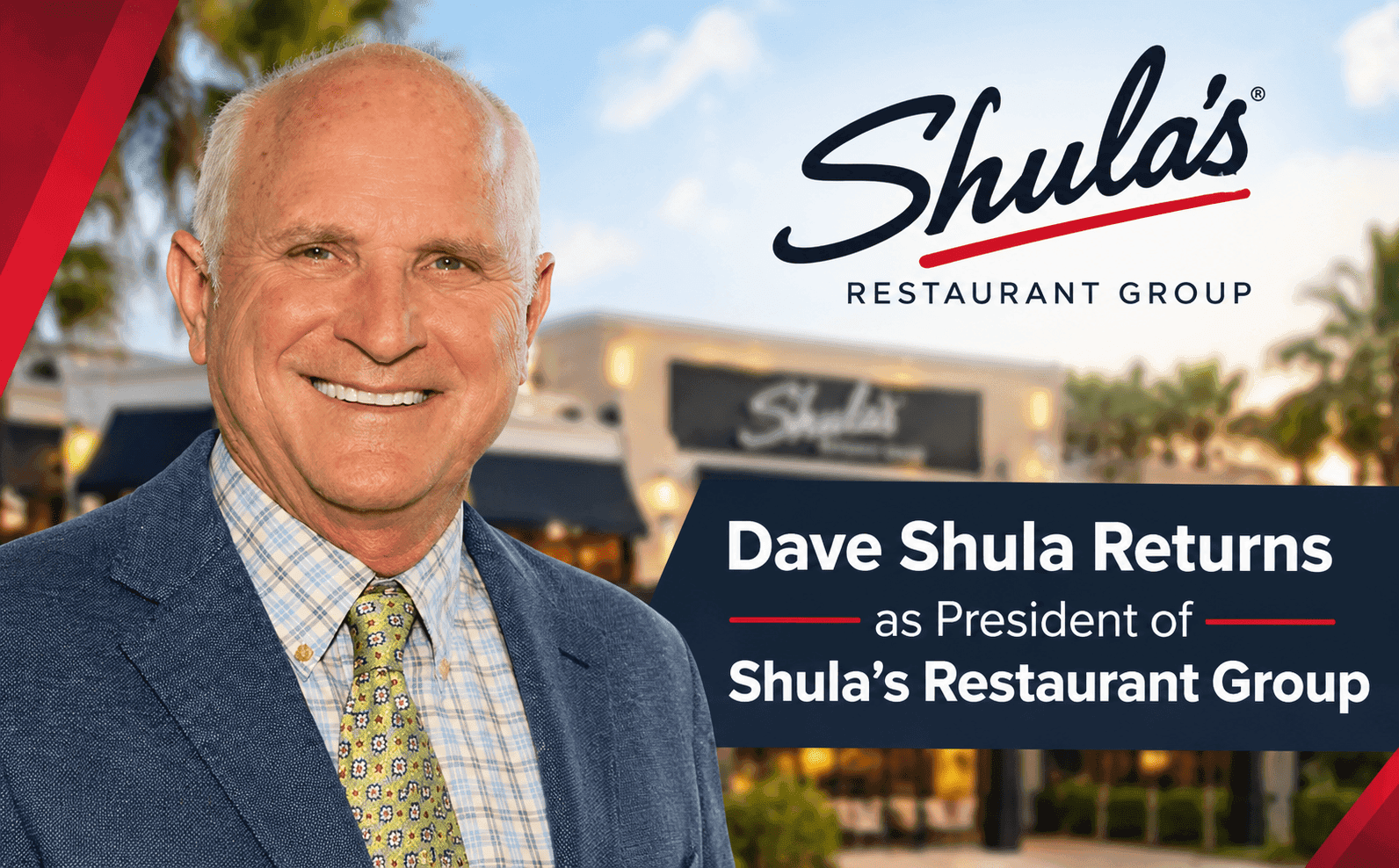
Dave Shula Returns as President of Shula's Restaurant Group
Dave Shula rejoins Shula's Restaurant Group as president, leading growth into Palm Beach Gardens and a 2027 Thomasville, Georgia expansion.
News
Sep 23, 2026
Dave Shula rejoins Shula's Restaurant Group as president, leading growth into Palm Beach Gardens and a 2027 Thomasville, Georgia expansion.
Sep 23, 2026

McDonald's commits $8.5 billion through 2036 to modernize restaurants, boost cash flow by $100,000 per store, and grow chicken and beverage sales.
Sep 23, 2026

WKS Restaurant Group promotes Jay Spongberg to president and COO after he helped grow the company from 65 to 382 restaurants over 16 years.
Sep 23, 2026

Smokey Mo's BBQ names Von Dawson, a Dine Brands veteran, as VP of Franchise Development to lead its Texas expansion strategy.
Sep 23, 2026
.png&w=3840&q=70)
Meritage Hospitality's Chapter 11 filing pulls 5% of Wendy's U.S. stores into bankruptcy, exposing cracks in franchising's bigger-is-safer bet.
Sep 21, 2026
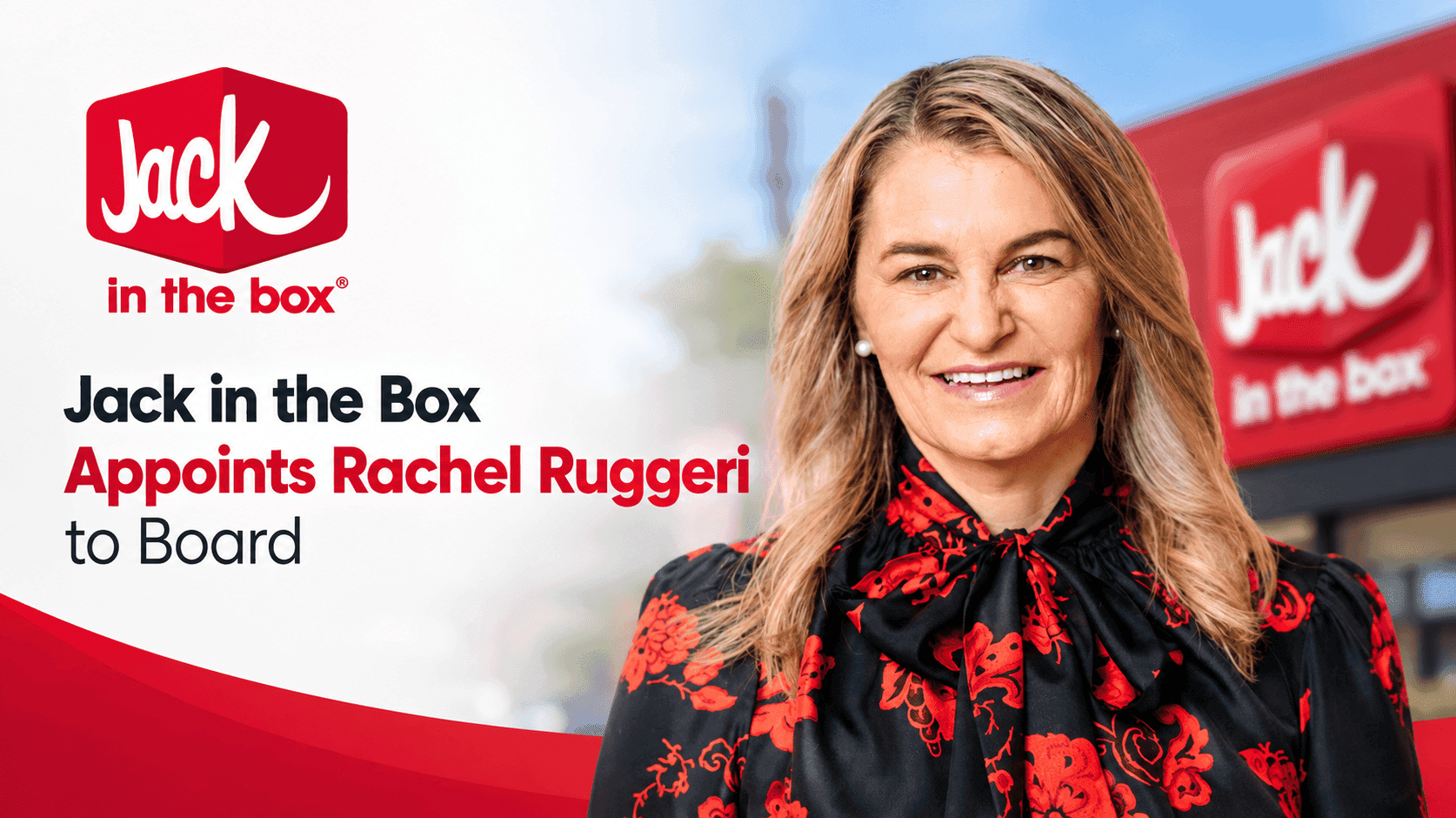
Jack in the Box names Rachel Ruggeri to its board as Michael Murphy retires, amid a CEO transition and deal with investor GreenWood.
Sep 21, 2026

Improve restaurant Google Maps rankings by optimizing your business profile, selecting accurate categories, gathering reviews, adding photos, and strengthening local relevance signals.
Sep 21, 2026

Restaurant inventory tracking helps owners monitor stock, control food costs, reduce waste, improve purchasing, and make informed operational decisions.
Sep 21, 2026

Restaurant owners can significantly reduce restaurant costs by leveraging technology across inventory, labor, procurement, forecasting, and administrative operations for better profit margins.
Sep 18, 2026

Understand how to forecast restaurant revenue and expenses with methods for sales projection, cost scaling, fixed-cost planning, and risk buffering.
Sep 18, 2026

Unlock Exclusive Access To Webinars, Events, And The Latest News For Free!
Learn how tariffs could impact the restaurant industry, causing supply chain disruptions and increased food costs. Discover strategies to mitigate these challenges.

Tariffs have the potential to significantly disrupt the supply chain for restaurant operators, leading to challenges in sourcing essential ingredients for their menus. With recent increases in the price of eggs and the looming threat of tariffs affecting key imports from countries like Mexico, Canada, and China, independent owners and chains are bracing themselves for possible cost escalations and logistical constraints.
Chipotle, a prominent fast-casual brand, exemplifies how restaurant chains are strategizing to mitigate tariff risks. By diversifying its sourcing locations to countries like Colombia, Peru, and the Dominican Republic, Chipotle aims to reduce its dependency on Mexican imports, thus minimizing the impact of potential tariffs. This proactive approach showcases the importance of supply chain flexibility in navigating uncertain economic conditions.
The current scenario underscores the significance of diversifying the supply chain for restaurant operators. By spreading their sourcing across multiple countries, businesses can mitigate the adverse effects of tariffs on specific regions. Diversification not only helps in securing the necessary ingredients but also enhances resilience against geopolitical uncertainties that may arise unexpectedly.
While tariffs pose a looming threat, restaurant operators are also grappling with other pressing challenges such as labor costs and employee retention. The data report highlights that both full-service and limited-service establishments are actively addressing labor and food expenses as key concerns for the industry. Balancing these variables alongside potential tariff impacts demands a holistic approach to operational management.
Restaurant operators can adopt several strategies to navigate the challenges posed by tariffs effectively. This includes closely monitoring market trends, renegotiating supplier contracts to mitigate cost fluctuations, and exploring alternative sourcing options to diversify their ingredient procurement. Additionally, investing in staff training and retention programs can help in retaining skilled employees amidst cost pressures.