True Food Kitchen Files Bankruptcy, Closes 12 Sites
True Food Kitchen filed for Chapter 11 bankruptcy, closing 12 locations and shrinking to 34 restaurants across 14 states amid $42.1 million in debt.
News
Oct 5, 2026
True Food Kitchen filed for Chapter 11 bankruptcy, closing 12 locations and shrinking to 34 restaurants across 14 states amid $42.1 million in debt.
Oct 5, 2026

Snooze Eatery names industry veteran Amy Hom as COO, starting Sept. 28, to strengthen hospitality and operations ahead of its next growth phase.
Oct 5, 2026

Evaluate restaurant industry performance in Q3 2026 through key trends affecting restaurant sales, traffic, consumer spending, labor, costs, and technology.
Oct 2, 2026

Opening a second restaurant location requires readiness, clear goals, financial planning, funding, smart strategy, standardized operations, strong teams, and careful launch monitoring for sustainable growth.
Sep 30, 2026
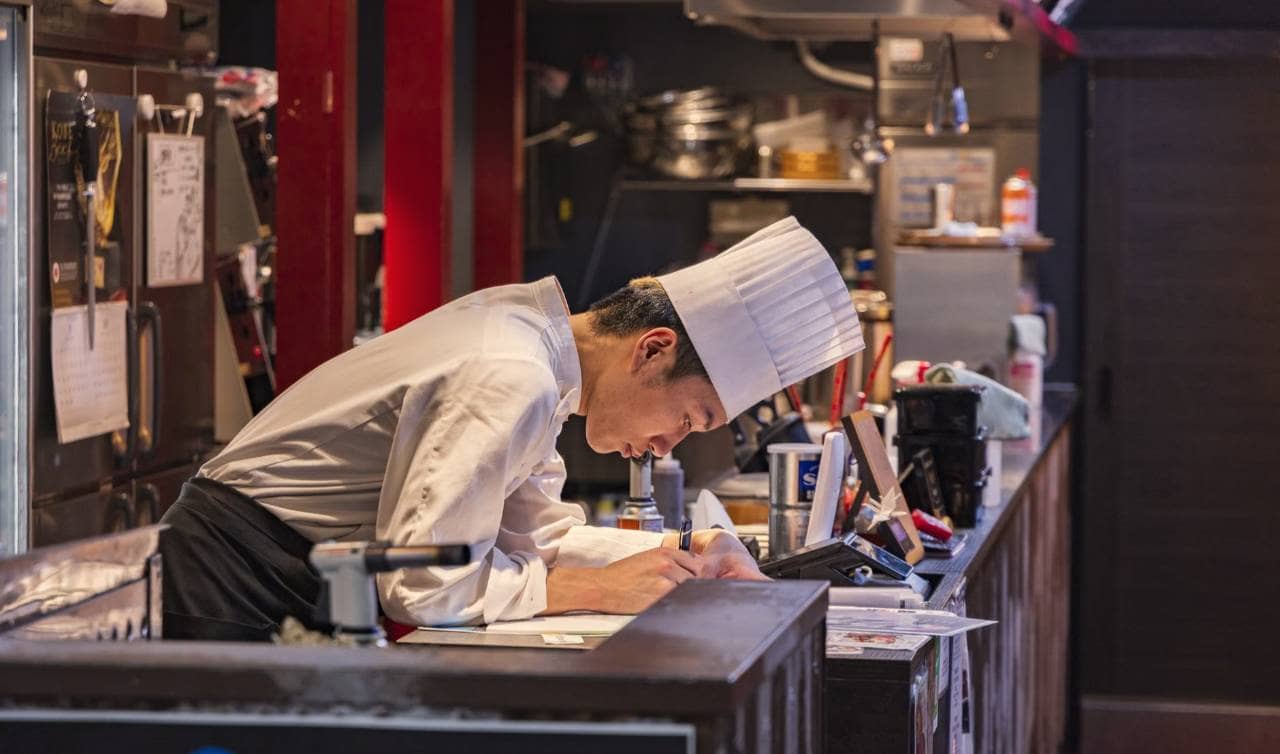
Restaurants can control operating costs by tracking food, labor, rent, utilities, technology, marketing, and other expenses against sales.
Oct 5, 2026
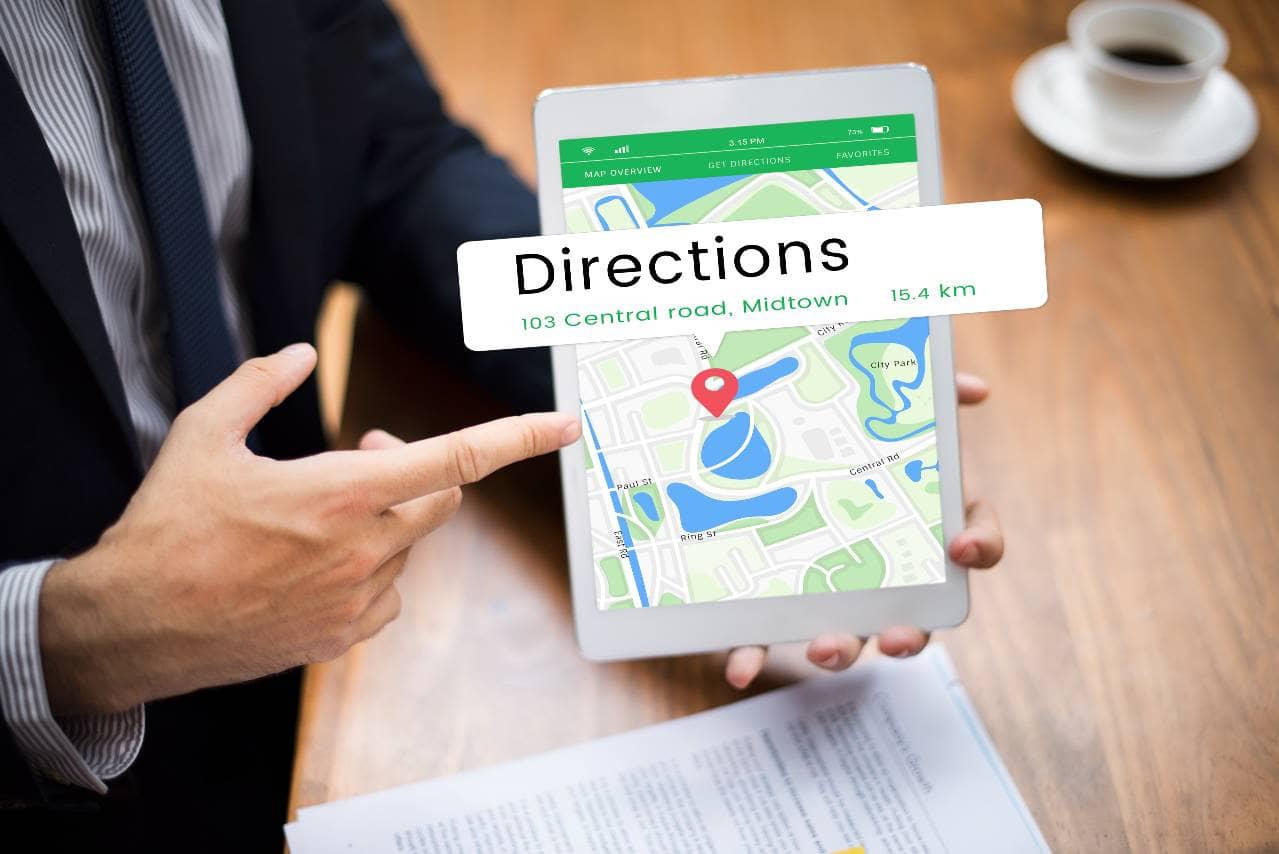
Improve restaurant visibility with local SEO by optimizing Google Business Profile, targeting local keywords, managing reviews, and maintaining accurate online information.
Oct 5, 2026
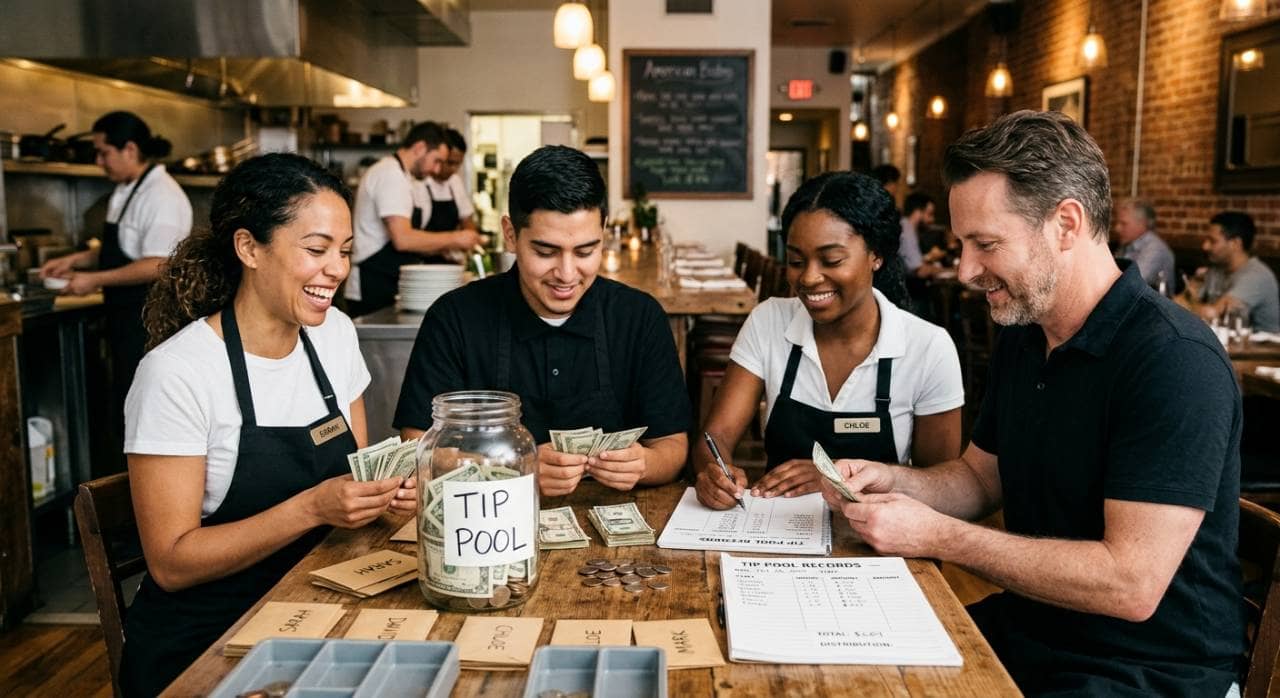
Understand tip pooling rules, employee eligibility, distribution methods, compliance requirements, recordkeeping practices, and policies restaurant owners need for proper tip management.
Oct 2, 2026

Whit's Frozen Custard hires industry veteran Amos Durbin as COO to guide franchise expansion, drawing on two decades of restaurant leadership experience.
Oct 2, 2026
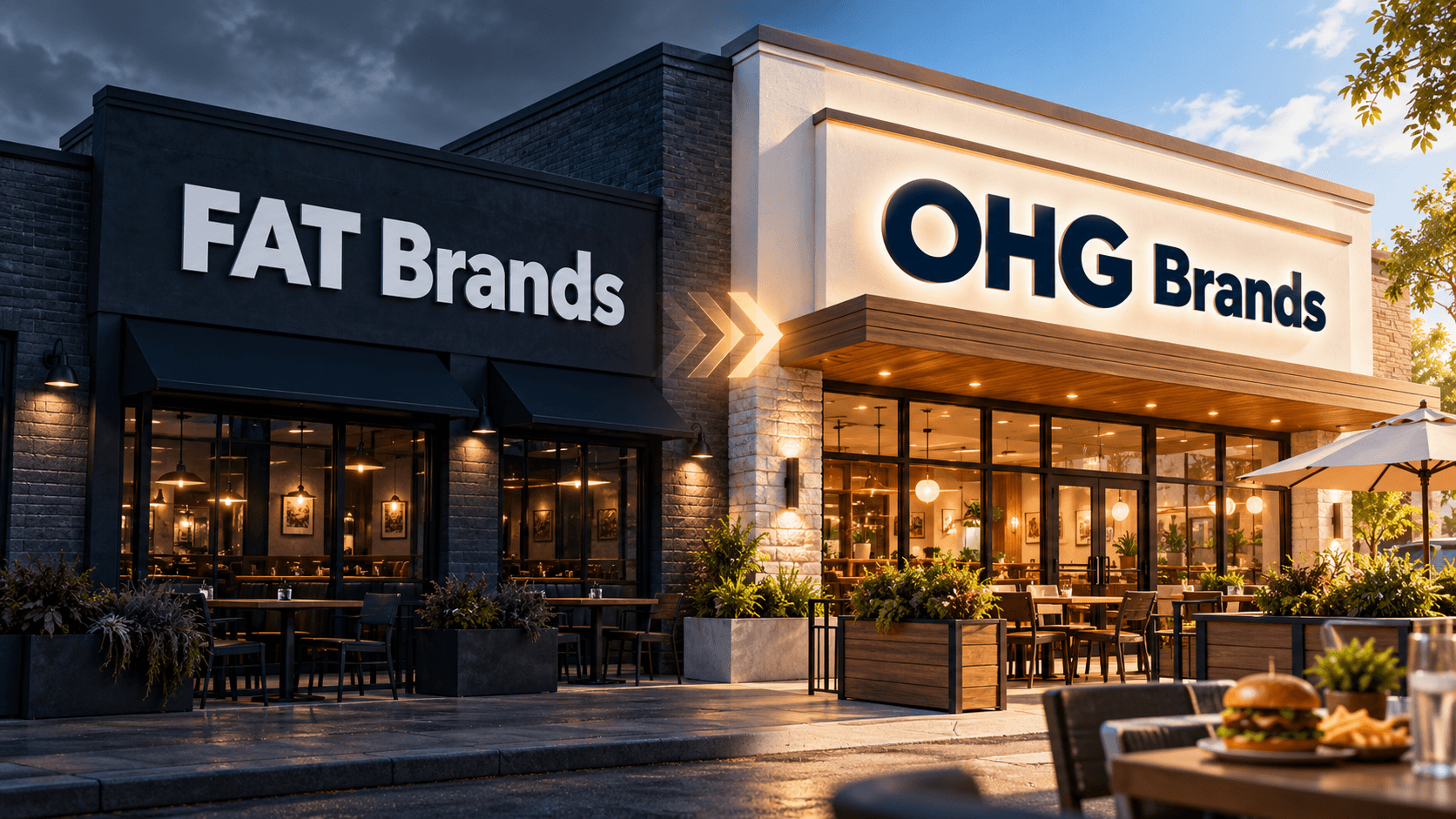
FAT Brands' $1B acquisition empire fell into bankruptcy and sold for $965M, re-emerging as OHG Brands with 1,700 restaurants.
Oct 1, 2026
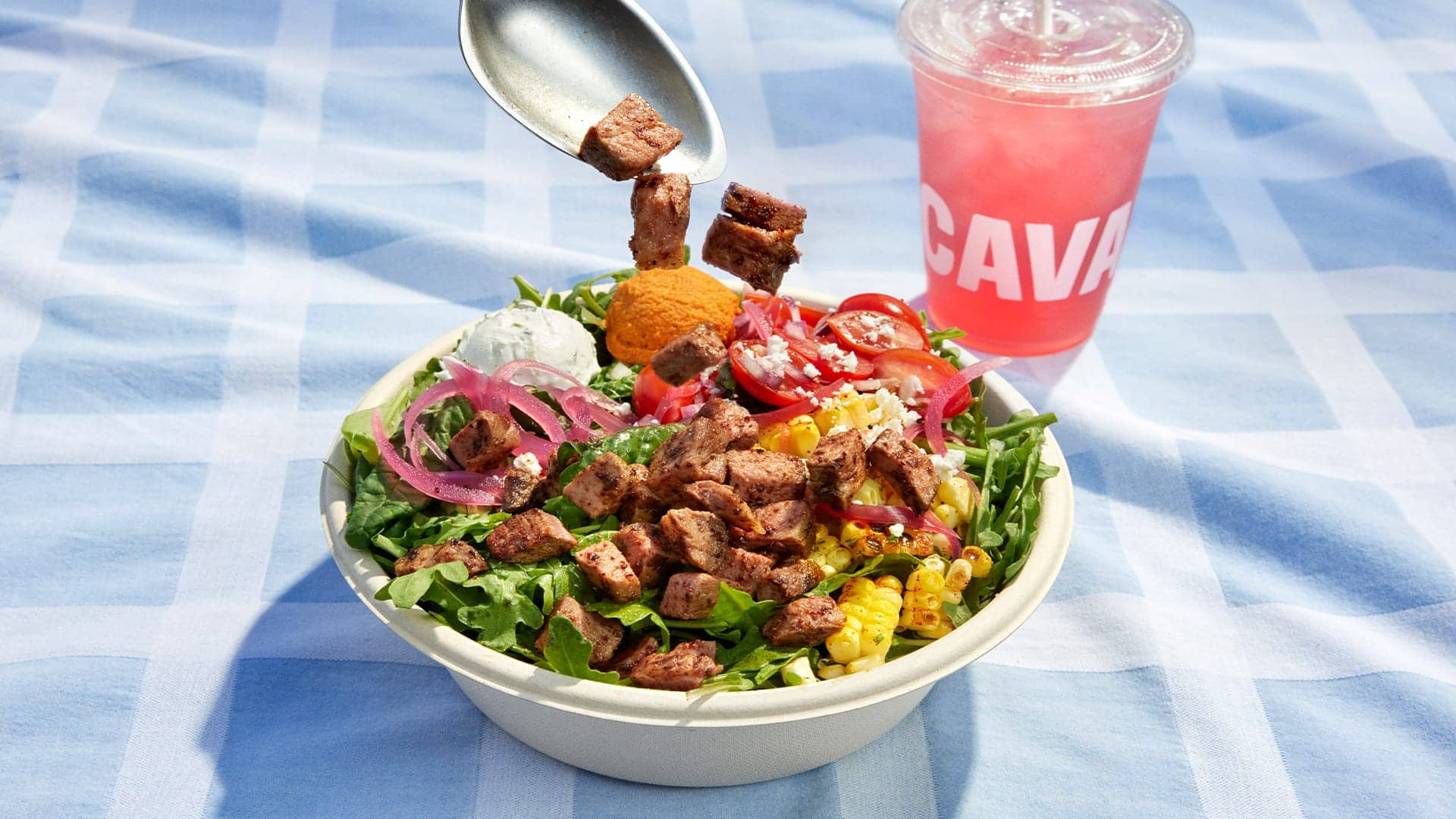
CAVA names John Ludeke, former Dr. Squatch Chief Brand Officer, as its new CMO to drive national growth and guest loyalty.
Oct 1, 2026

Unlock Exclusive Access To Webinars, Events, And The Latest News For Free!
Explore the challenges faced by Krispy Kreme and McDonald's in their partnership and the ensuing investor lawsuit.

Photo by taro ohtani
The partnership between Krispy Kreme and McDonald's began in 2022 with high hopes of introducing Krispy Kreme doughnuts to McDonald's restaurants nationwide. The initial rollout showed promising results, with McDonald's in New York City being one of the first locations to feature Krispy Kreme treats on its menu. However, the initial success was short-lived as demand quickly waned, falling below projected levels.
Recognizing the challenges faced with declining demand, Krispy Kreme took proactive steps to boost interest and streamline operations in collaboration with McDonald's. Both companies invested in enhancing execution, marketing strategies, and training to reignite customer enthusiasm for the joint venture. Despite concerted efforts, the struggle to align costs with demand persisted, making the partnership unsustainable in the long run.

Photo by taro ohtani
While the partnership met quality expectations for McDonald's and its franchisees, Krispy Kreme's inability to achieve a profitable business model posed a significant hurdle. McDonald's USA Chief Marketing and Customer Experience Officer, Alyssa Buetikofer, highlighted the necessity for both parties to ensure a financially viable collaboration. Without profitability, even successful ventures may struggle to sustain themselves.

Photo by taro ohtani
As the partnership evolved and faced challenges, Krispy Kreme's financial struggles came to light. An investor lawsuit filed in May accused Krispy Kreme of misleading investors about the program's success and failing to disclose profitability issues promptly. This legal action sheds light on the importance of transparency and accountability in partnerships within the fast-food industry.