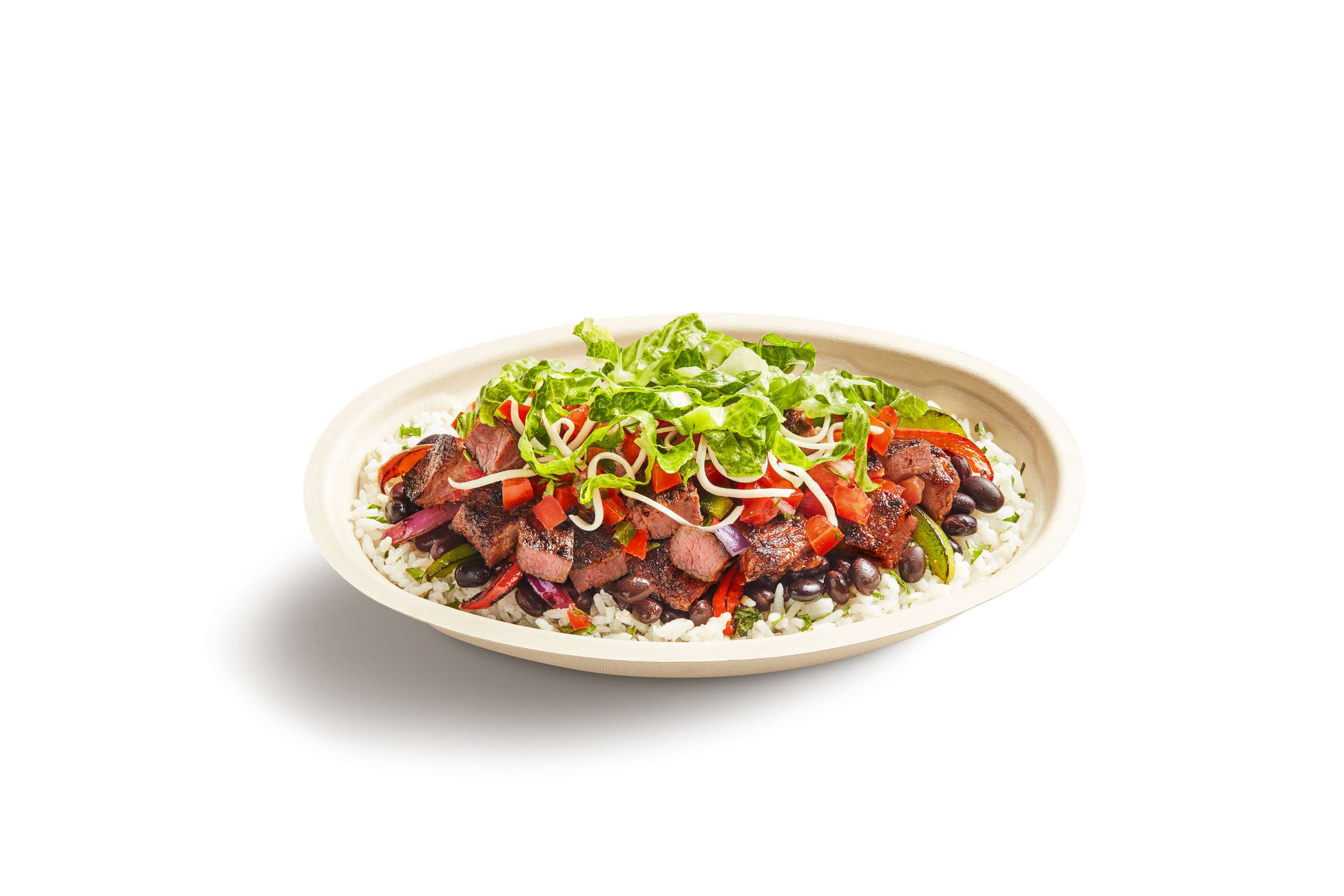
Chipotle Rewards on Repeat Relaunch
Chipotle reshapes loyalty with Rewards on Repeat, blending in-store promotions, staff incentives, and simpler redemption to boost traffic.
news
Apr 16, 2026
Chipotle reshapes loyalty with Rewards on Repeat, blending in-store promotions, staff incentives, and simpler redemption to boost traffic.
Apr 16, 2026

Photo by Salah Ait Mokhtar on Unsplash
A refined look at Papa Murphy’s strategy as MTY guides a cautious turnaround amid a crowded pizza landscape—digital play, local marketing, and a new Detroit-style offering.
Apr 16, 2026

Photo by Sergio Mena Ferreira on Unsplash
Mo’ Bettahs leaves Kansas City as it pivots to a PE-backed national expansion to Phoenix, Indianapolis, and Minneapolis.
Apr 16, 2026

Photo by Kate Trysh on Unsplash
Applebee’s O-M-Cheese Burger fuses spectacle with value, driving social buzz and foot traffic—a signal for the skillet-cheese moment in casual dining.
Apr 16, 2026

Photo by Diego Mattevi on Unsplash
GoTo Foods taps Misra and Lambert to harmonize digital momentum with disciplined development across seven brands, aiming for stronger guest experiences and franchisee economics.
Apr 16, 2026
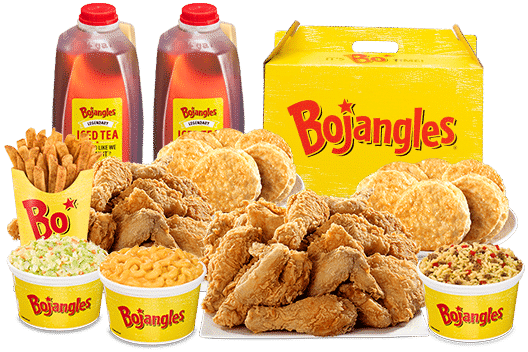
Bojangles launches Bo’s Chicken Rippers in an eight-week pilot, turning bites into a hands-on, sauce-forward experience with interactive, tear-apart slabs.
Apr 16, 2026
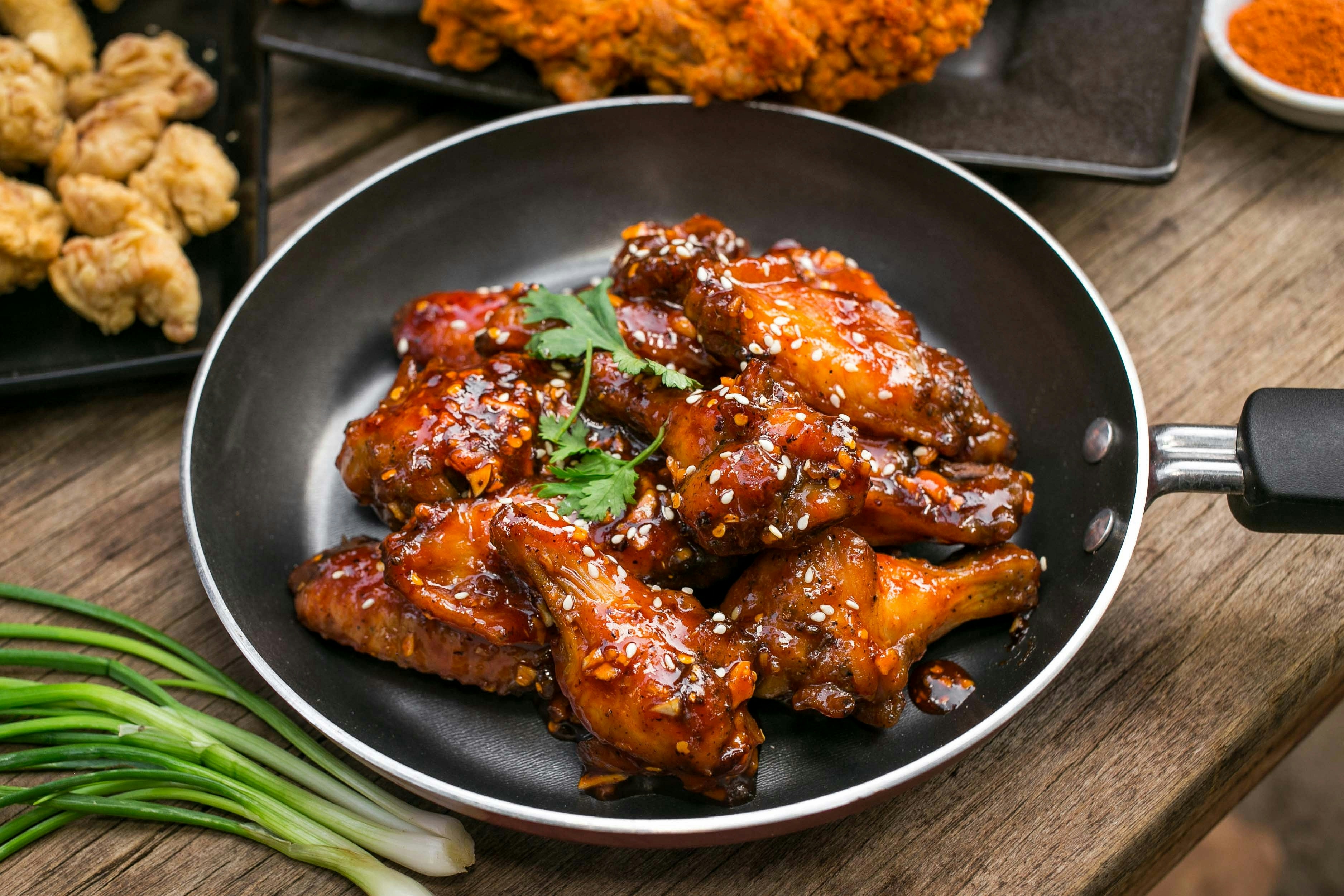
Photo by Jim Sosengphet on Unsplash
Popeyes teams with One Piece for a limited menu and merch drop, blending bold flavors with anime fandom to boost traffic and loyalty.
Apr 16, 2026
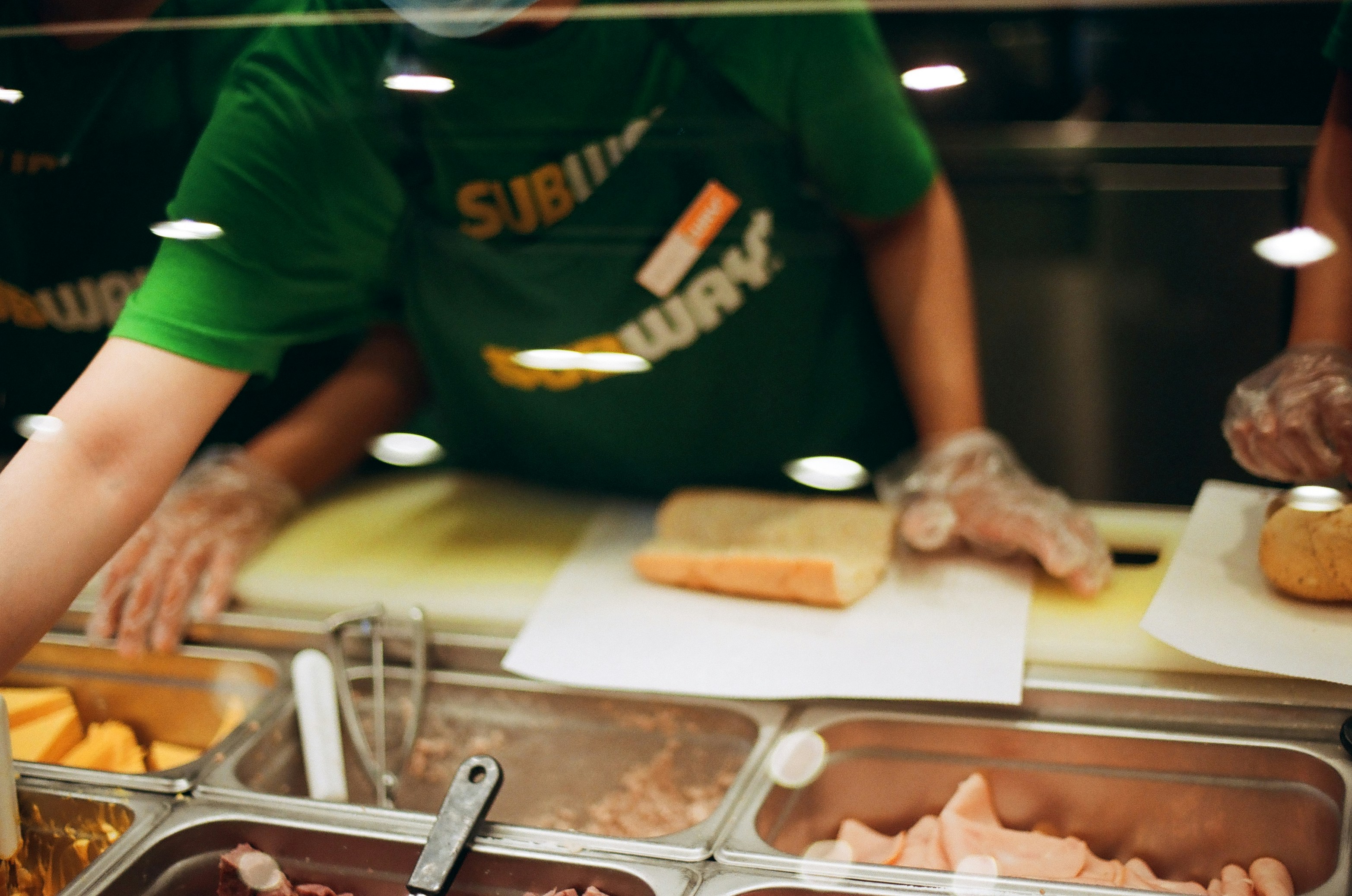
Photo by dedy kurniawan on Unsplash
A close look at Jersey Mike’s rapid expansion, leadership shift, and international push under Blackstone’s ownership.
Apr 16, 2026
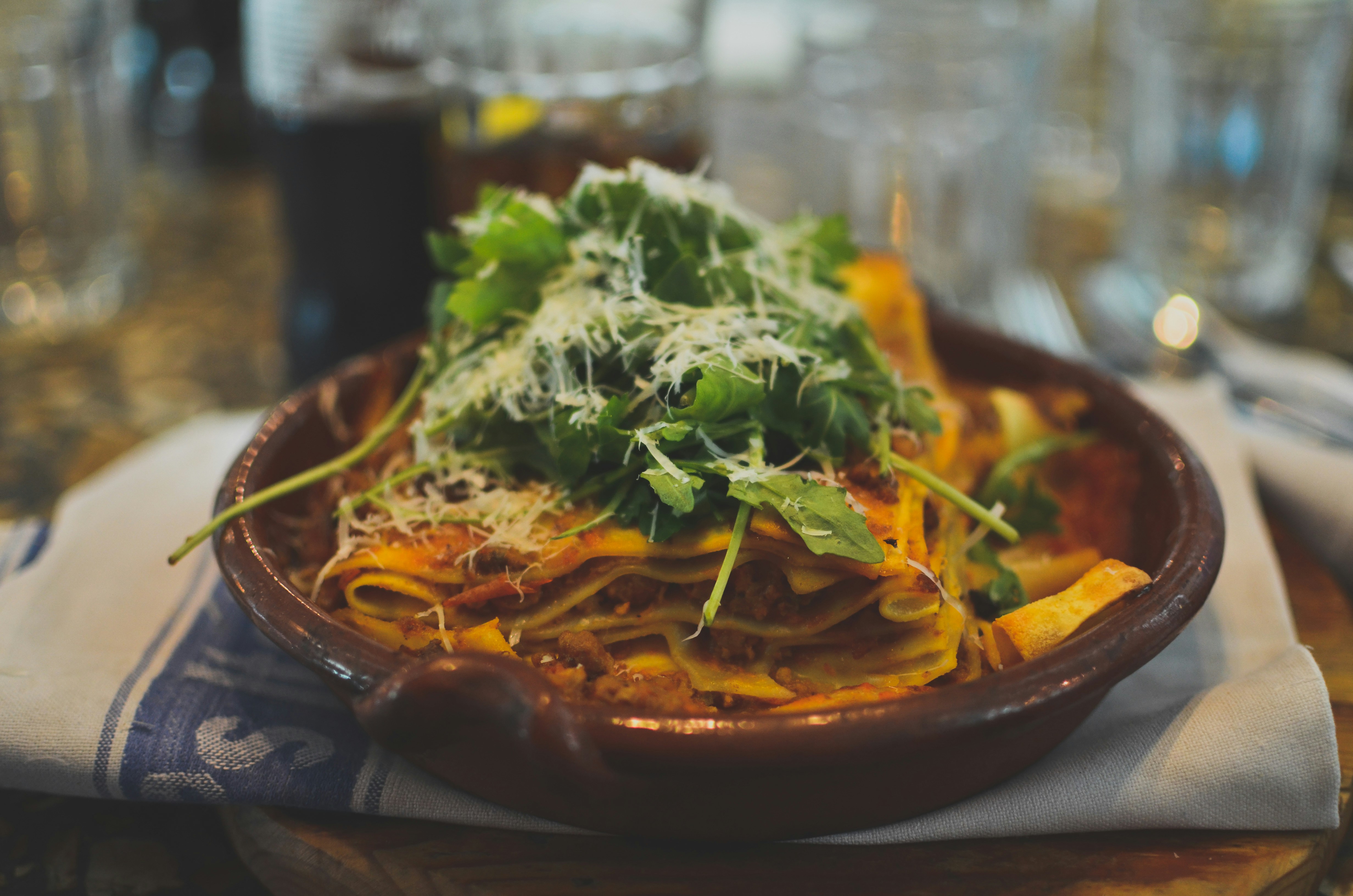
Photo by Roberto Catarinicchia on Unsplash
CAVA launches Glazed Salmon with pomegranate glaze from Just Date, pairing seafood with chef-curated bowls and a new loyalty push to broaden Mediterranean flavors.
Apr 15, 2026

Photo by Carol Highsmith's America on Unsplash
Chains fuse Korean, Mexican, and botanical flavors into familiar favorites. Discover the artistry, risks, and strategy behind this culinary renaissance.
Apr 15, 2026
Explore the implications of recent tax code changes on restaurant operations, focusing on service charges, gratuity-based income, and potential effects on minimum wage and economic growth.
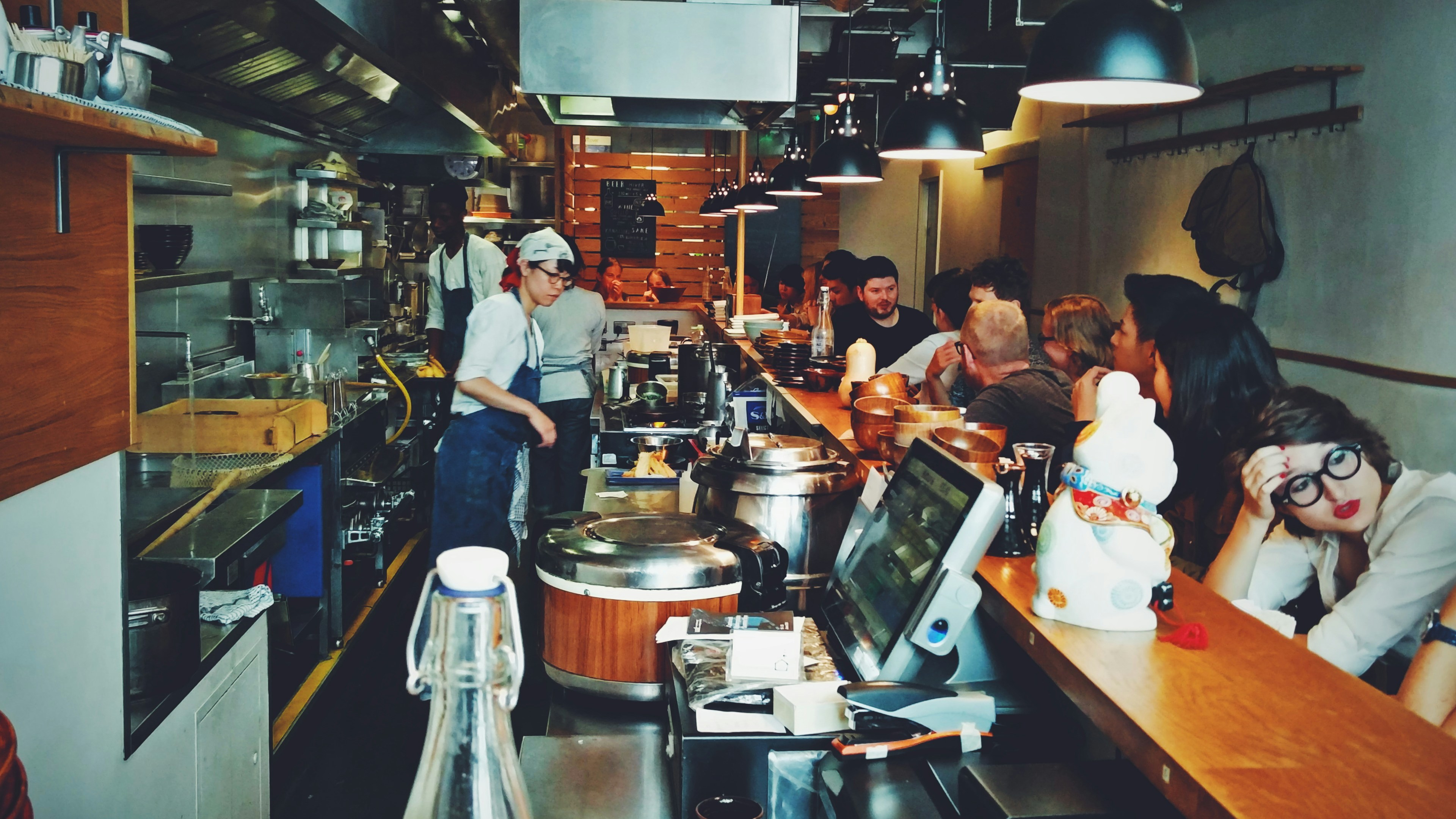
Photo by Alexander London on Unsplash
The differentiation between service charges and tips has been a contentious issue in the restaurant industry. While tips are generally considered voluntary payments made by customers to service staff, service charges are often automatically added to the bill by the establishment. Recent tax code changes have brought this demarcation into focus, with debates arising on the fairness of excluding service charges from certain tax exemptions.
Erika Polmar's assertion regarding the impact of not counting service charges on line cooks, dishwashers, porters, and prep staff sheds light on the potential disparities created by the new tax provisions. In many cases, these behind-the-scenes workers are vital to the functioning of independent restaurants, yet they may not receive the same tax relief as front-of-house staff who rely heavily on tips for income.
The warning issued by the IRC about employers incentivizing tip prompting and worker reclassification to evade minimum wage requirements underscores the complexity of the new tax laws. By potentially shifting the burden of compensation onto customer gratuities, there is a fear that some workers may face reduced wages or altered employment classifications.
The broader economic impact of the tax code modifications cannot be ignored. With the enforcement expansion and potential rise in deportations of undocumented workers, industries like restaurants could witness a significant disruption in their workforce. This shift might not only affect operational efficiency but could also have repercussions on economic growth, as highlighted by the Economic Policy Institute.
The ongoing legislative process in the House of Representatives offers a window for potential revisions that could address some of the concerns raised by industry stakeholders. Restaurant operators may need to strategize and adapt to mitigate the possible adverse effects of the tax code changes. This could involve reevaluating business models, employee compensation structures, and compliance mechanisms to navigate the evolving regulatory landscape.