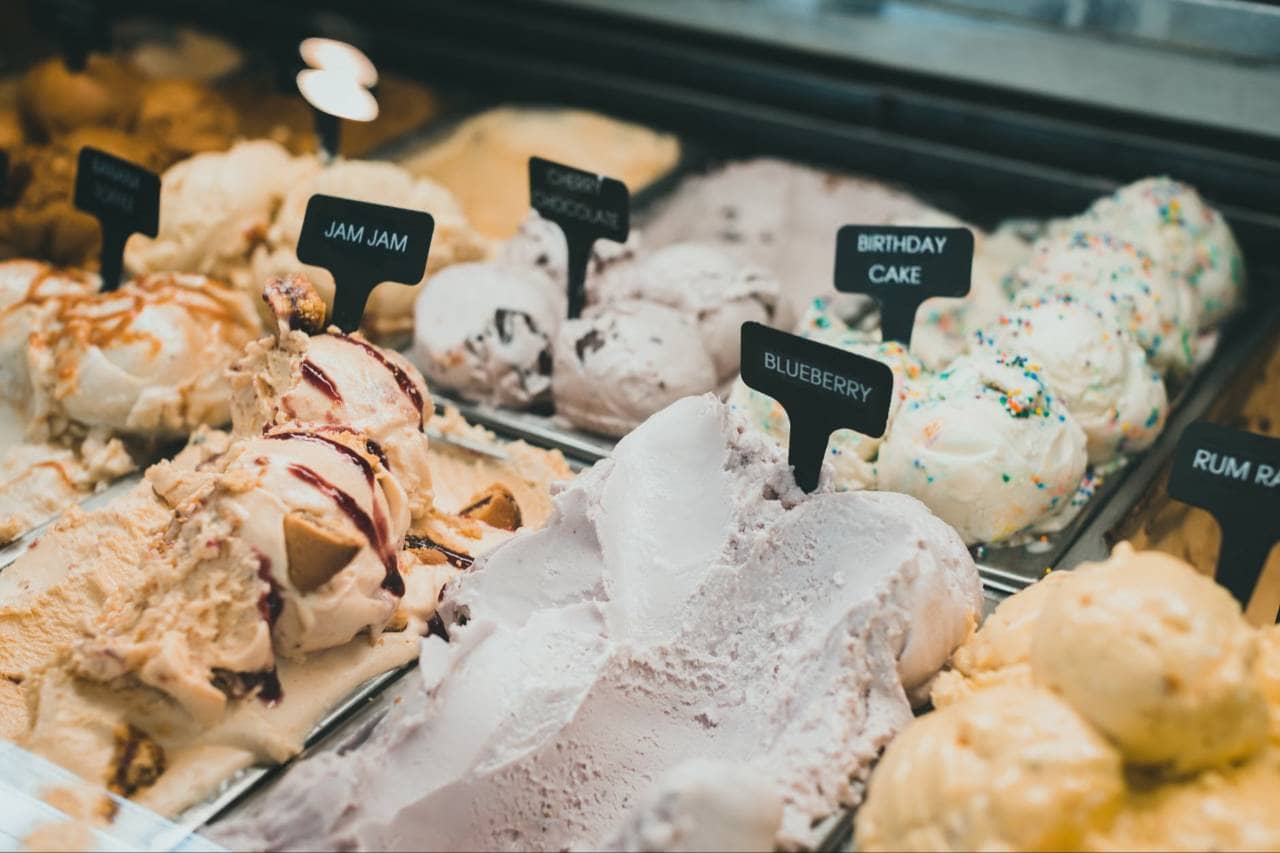
How Much Does It Cost to Open an Ice Cream Shop?
Learn the startup costs of opening an ice cream shop, including rent, equipment, renovations, permits, inventory, labor, marketing, and reserves.
Business Management
Aug 28, 2026
Learn the startup costs of opening an ice cream shop, including rent, equipment, renovations, permits, inventory, labor, marketing, and reserves.
Aug 28, 2026
RaceTrac has appointed Jill Pemberton as chief financial officer, succeeding Karla Ahlert, who moves into the newly created role of chief administrative officer.
Aug 26, 2026
Learn practical ways to reduce labour costs through smarter scheduling, forecasting, productivity, cross-training, automation, overtime control, and performance monitoring strategies.
Aug 26, 2026

A restaurant P&L statement reveals sales, expenses, and profits, helping owners manage costs, improve margins, and plan finances more effectively.
Aug 26, 2026
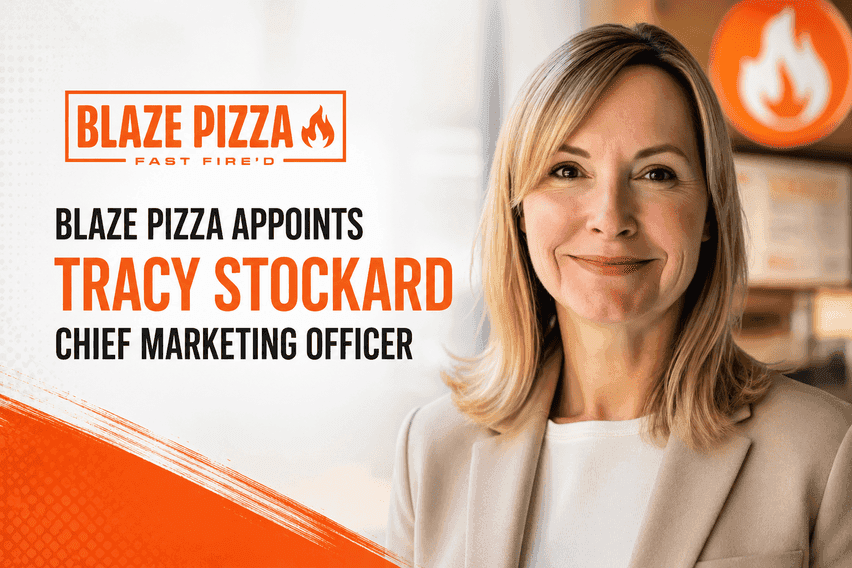
Blaze Pizza welcomes Tracy Stockard as Chief Marketing Officer, bringing decades of brand and franchise experience to drive strategic growth and guest engagement.
Aug 25, 2026
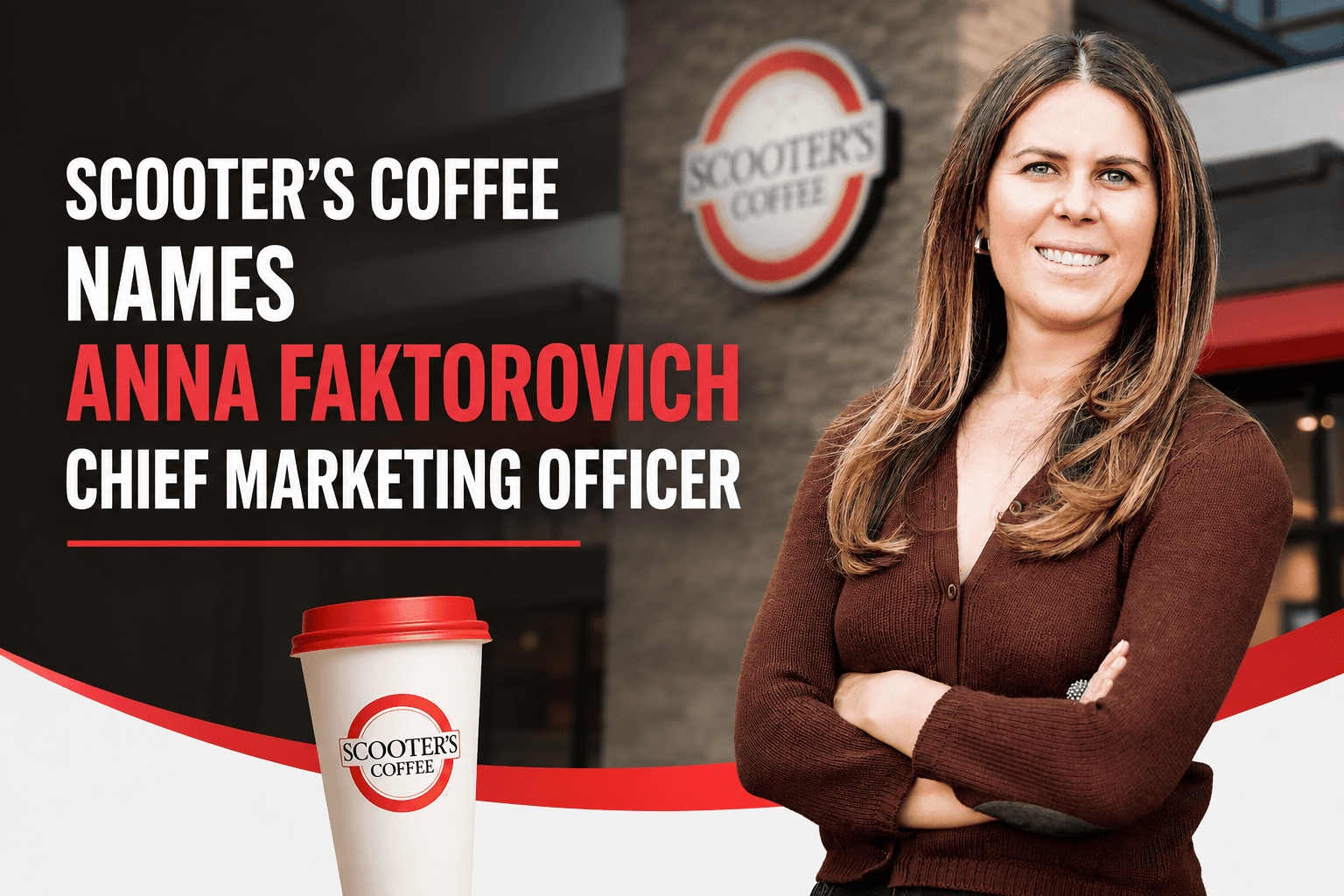
Anna Faktorovich, a seasoned marketing executive, has been named Chief Marketing Officer at Scooter’s Coffee, bringing decades of multi-brand experience to fuel the franchise’s next growth stage.
Aug 25, 2026
A payroll advance policy helps restaurant owners define eligibility, limits, repayment, documentation, approval procedures, and compliance requirements for employee advances.
Aug 24, 2026

Levain Bakery appoints Lorna Sommerville and Taya Stenson as co-CEOs, blending operational and marketing expertise to power national expansion and innovation while staying rooted in its brand values.
Aug 25, 2026

Create a practical restaurant marketing plan by setting goals, targeting customers, choosing channels, budgeting wisely, scheduling campaigns, and measuring results.
Aug 24, 2026
Dave & Buster's refreshes its executive lineup with seasoned leaders in operations, marketing, tech, and finance - signaling a growth-driven future for restaurant operators to watch.
Aug 24, 2026

Unlock Exclusive Access To Webinars, Events, And The Latest News For Free!
Bojangles launches Bo’s Chicken Rippers in an eight-week pilot, turning bites into a hands-on, sauce-forward experience with interactive, tear-apart slabs.
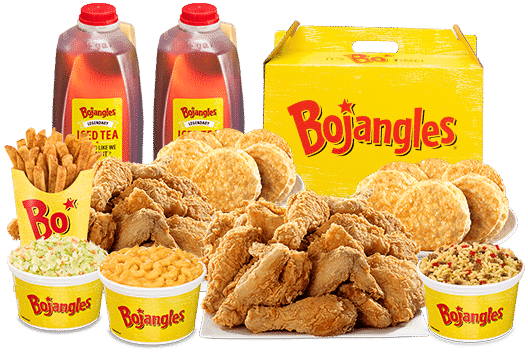
On Bojangles’ bustling counter, a soft, almost whispered idea began to take shape: snack time could be more than a quick bite. Bo’s Chicken Rippers arrive as an eight-week experiment designed to turn a simple snack into a tiny, shared moment. Four whole Bo Bites sit inside Martin’s party rolls, each roll pre-sliced and hinged to cradle a single bite. The four pieces stay attached as a slab that a diner can tear apart, then dunk into a chosen sauce. It’s a small theater of taste, staged for a grab-and-go world.
Two formats frame the launch: a four-piece quartet and a larger 20-piece slab, both built around Bo Bites, a quick, hand-breaded chicken approach stained with Bojangles’ Southern seasoning. The four-pack is listed at $4.99, while the 20-piece bundle carries five sauces for dipping, designed to spark conversation about flavor as much as bite. Across the menu, seven signature sauces invite guests to become their own sauce artists: Honey Mustard, House-Made Ranch, Creamy Buffalo, BBQ, Bo’s Special Sauce, Peach Honey Pepper, and Jalapeño Ranch. The producer’s mind, Krimmer, kept the crew’s hands free: “We really played up the interactivity, putting serving and saucing in the hands of the customer instead of the staff.”
The eight-week horizon is the invitation and the calendar. Bojangles’ managers will watch demand, guest feedback, and the ease of rolling the format across its 876 locations. If the response is strong, the Rippers could continue evolving; if not, the team can return to the familiar rhythm of bite-sized flexibility. Either way, the moment feels designed for conversation as much as consumption, a gentle reminder that eating can be both a ritual and a playful spark.
Two years earlier, Bojangles spotted a quiet gap in its snacking aisle: bite-sized innovations that people could actively customize. The first answer was Bird Dogs, a playful twist that stuffed a Chicken Supremes in a hot dog bun, drawing crowds and mid‑afternoon lines. The spectacle wasn’t just novelty; it showed diners craved something interactive in a grab-and-go moment. That spark set the stage for Bo Bites and, eventually, Bo’s Chicken Rippers.
Bo Bites arrived late last year as bite-sized, hand-breaded tenders marinated with Bojangles’ Southern seasoning, offered in four-piece increments with seven sauces. They spread across Bojangles’ 876 locations nationwide, signaling a shift toward customization-driven, snack-forward moments. The tailgate-origin moment, where Martin’s party rolls stood out for their texture and sweetness, became a catalyst for Bo’s Chicken Rippers, a structure that allowed a new format for consumer involvement without destabilizing kitchen workflows.
With an eye on operations, the team kept changes minimal: a single new bread SKU, the core chicken cooking and battering processes remaining the same. That discipline, keeping the familiar kitchen rhythms intact, allowed Bojangles to pursue experimentation without disruption, a blend of culinary creativity and pragmatic execution that has become a signature of the brand.
The mechanics behind Bo’s Chicken Rippers are simple and scalable. The product uses Martin’s party-size potato rolls, chosen for their soft texture and mild sweetness, pre-sliced with a hinge to cradle a Bo Bite within each bite-sized sandwich. Four Bo Bites are tucked into a quartet of rolls, and the four pieces stay attached in a slab that customers can tear apart and dip as they wish. Operationally, the rollout required only a new bread SKU; the core chicken cooking and battering processes remained the same, preserving Bojangles’ efficiency at scale. The branding, framing the experience as something you rip apart, reinforces consumer agency and distinguishes the item from traditional snacking formats.
As part of the broader strategy, Bo Bites have already demonstrated how a focused, repeatable format can be extended into new configurations without destabilizing existing kitchen workflows.
Reactions to Bo’s Chicken Rippers have leaned into the playful, shareable nature of the concept. A notable thread is a marketing tie‑in with JoeWo, described in industry coverage as a gaming influencer, whose collaboration includes offering a free Bo’s Chicken Rippers combo through the Bojangles app as part of a promotional push. This kind of partner-driven activation illustrates Bojangles’ broader strategy: pairing menu innovation with experiential marketing to spark social engagement and in-store trial.
“for years, it’s been about boneless chicken and sauce,” Krimmer noted, a refrain that shaped the shift from meals to snack-driven innovations. The quick wins of Bird Dogs and Bo Bites point to a mid-afternoon, after-school appetite that favors customization and immersion. The return of a hands-on, social moment fits Bojangles’ ongoing emphasis on culinary creativity and experiential dining, signaling a push to stay culturally relevant while growing beyond breakfast and lunch.
So what does all this mean? A snack-forward playbook that invites guests to assemble, share, and linger, minutes that used to be crisp and disposable are now moments of social storytelling.
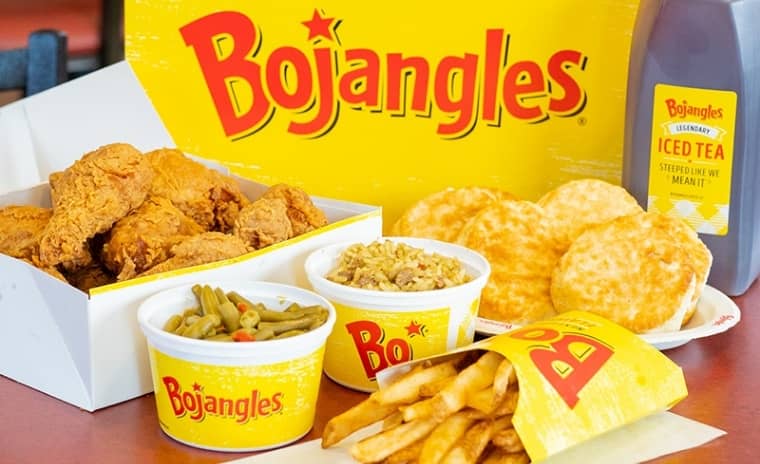
Bo’s Chicken Rippers sits at the heart of a broader industry push toward snackability, portability, and experiential eating within quick-serve brands. By weaving interactivity, portable formats, and sauce-centric customization into a single product, Bojangles is signaling a strategic pivot that treats snacking as a primary touchpoint rather than a side-dish extension. The move leverages existing operational strengths, minimal new equipment, a single bread SKU change, and a familiar flavor profile, while pushing guests toward a more hands-on, social-media-friendly dining moment. If the eight-week test yields positive signals, the chain could expand its snacking slate with additional formats and sauce-forward configurations, deepening its relevance with younger consumers and enhancing the role of sauces as a core brand differentiator.
Yet uncertainties linger. The eight-week horizon provides a finite testing window, but long-term viability will depend on guest appetite, supply feasibility, and regional execution. Some markets describe the item as limited time, with end dates unclear; pricing and packaging could vary by location, and sauce assortments may shift based on feedback and operations. With nearly 900 locations, Bojangles must balance enthusiasm with the practicalities of uniform rollout, while JoeWo’s collaboration represents influencer reach that must be converted into repeat visits.
To watch this unfold is to witness the quiet evolution of a brand that once defined itself by reliability now courting immersion. If the eight-week test sings, the snack playbook could widen, adding more formats and sauce-forward twists, deepening its appeal to younger diners and turning sauces into a signature part of the Bojangles experience.