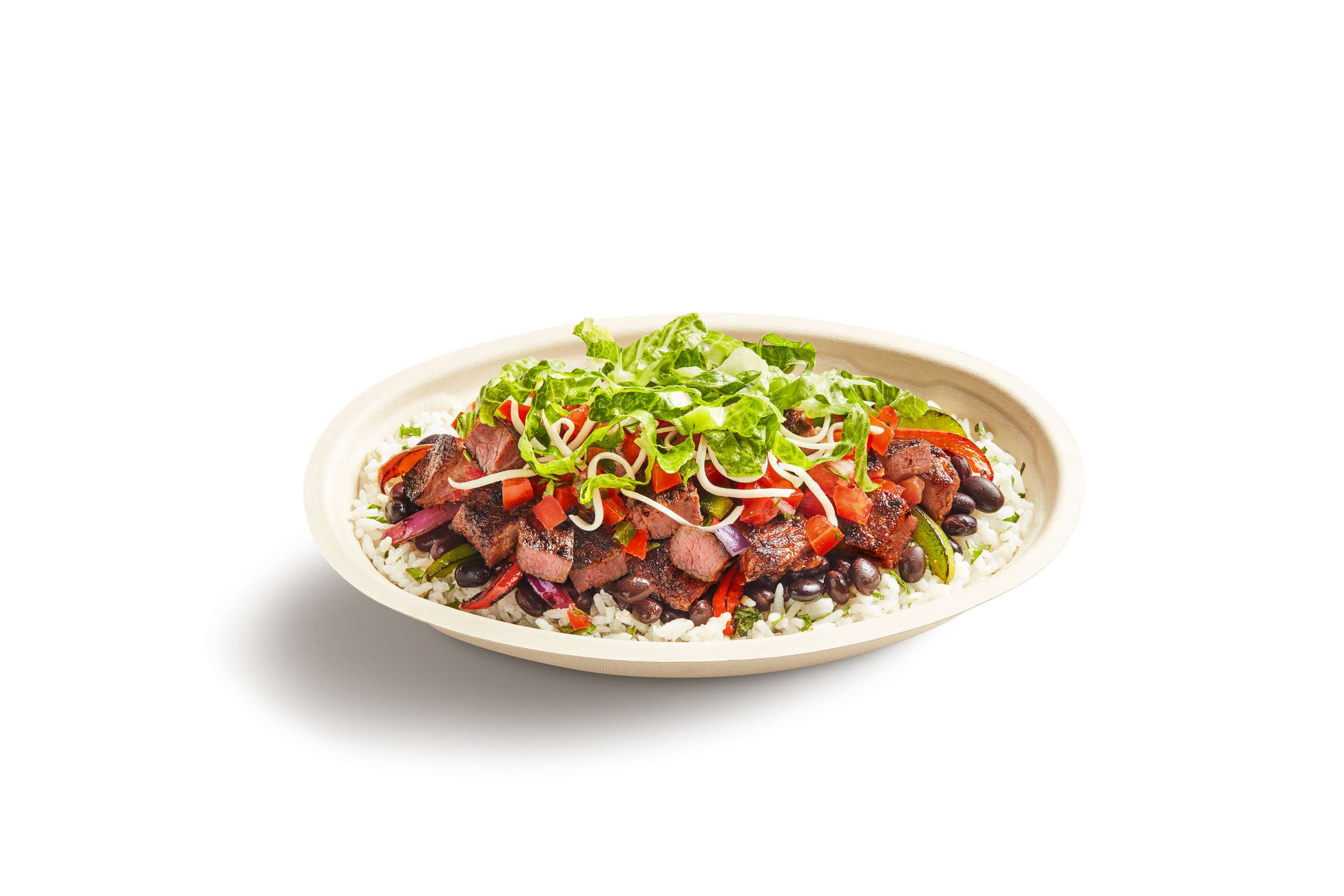
Chipotle Rewards on Repeat Relaunch
Chipotle reshapes loyalty with Rewards on Repeat, blending in-store promotions, staff incentives, and simpler redemption to boost traffic.
news
Apr 16, 2026
Chipotle reshapes loyalty with Rewards on Repeat, blending in-store promotions, staff incentives, and simpler redemption to boost traffic.
Apr 16, 2026
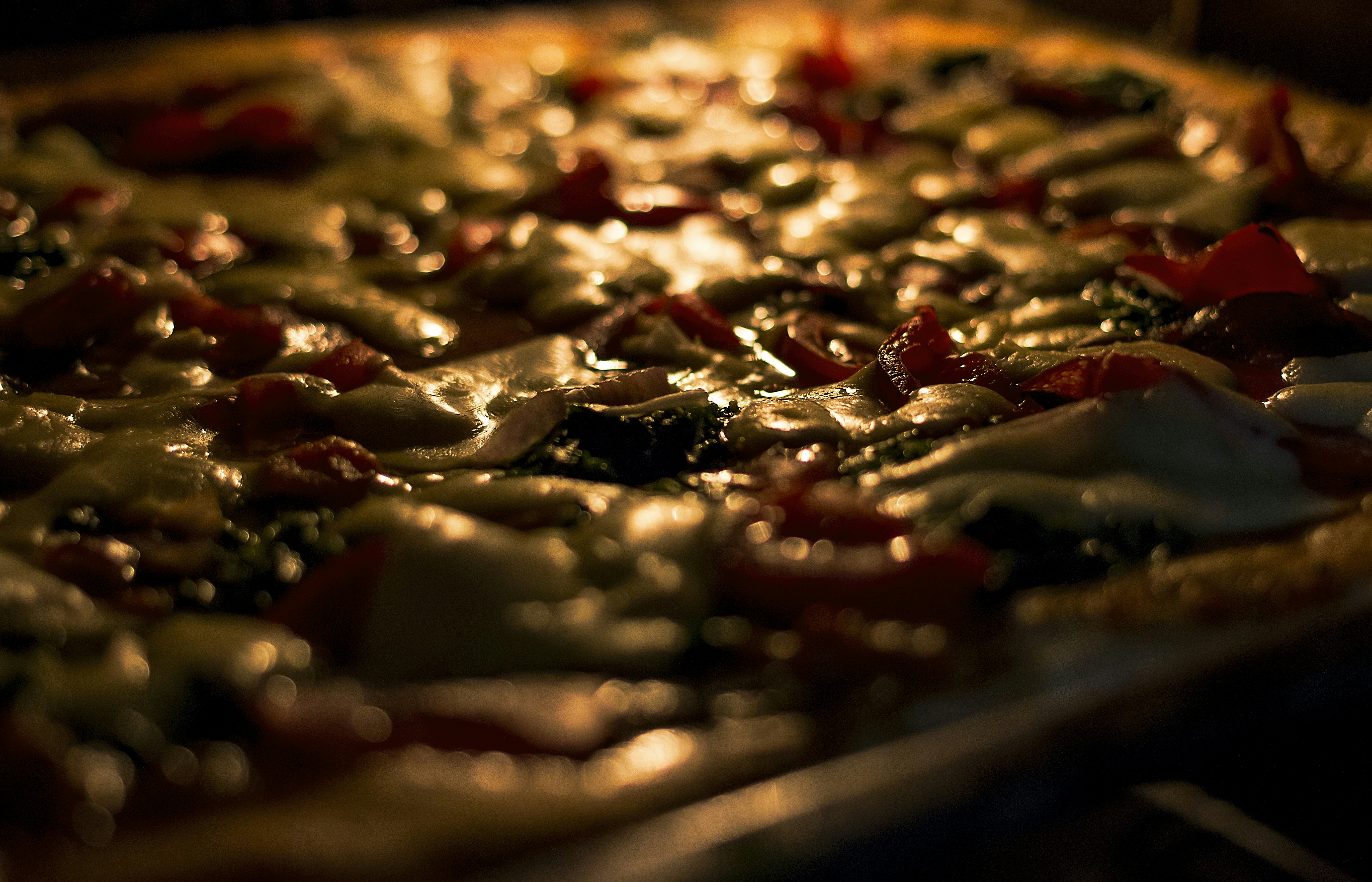
Photo by Salah Ait Mokhtar on Unsplash
A refined look at Papa Murphy’s strategy as MTY guides a cautious turnaround amid a crowded pizza landscape—digital play, local marketing, and a new Detroit-style offering.
Apr 16, 2026
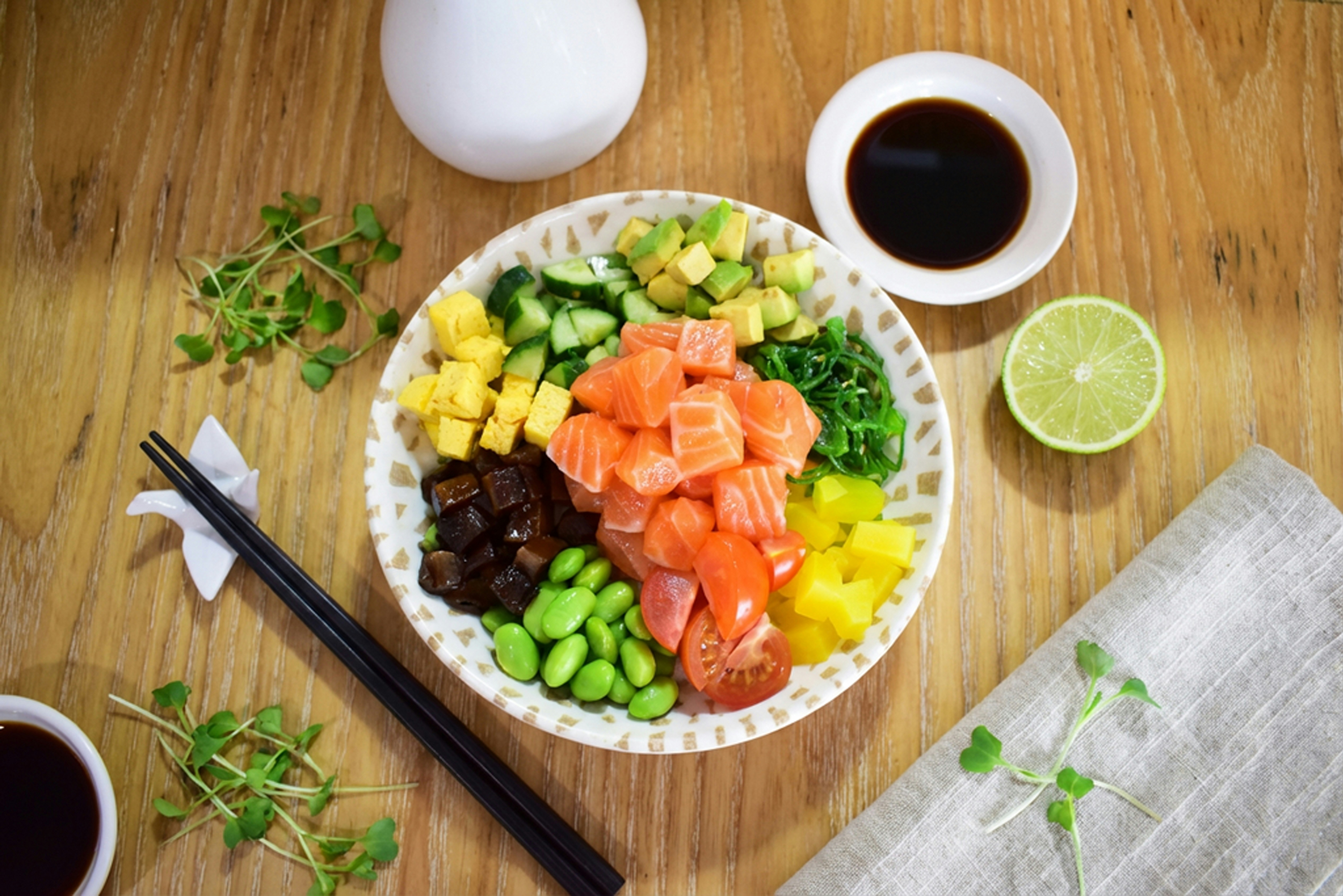
Photo by Sergio Mena Ferreira on Unsplash
Mo’ Bettahs leaves Kansas City as it pivots to a PE-backed national expansion to Phoenix, Indianapolis, and Minneapolis.
Apr 16, 2026
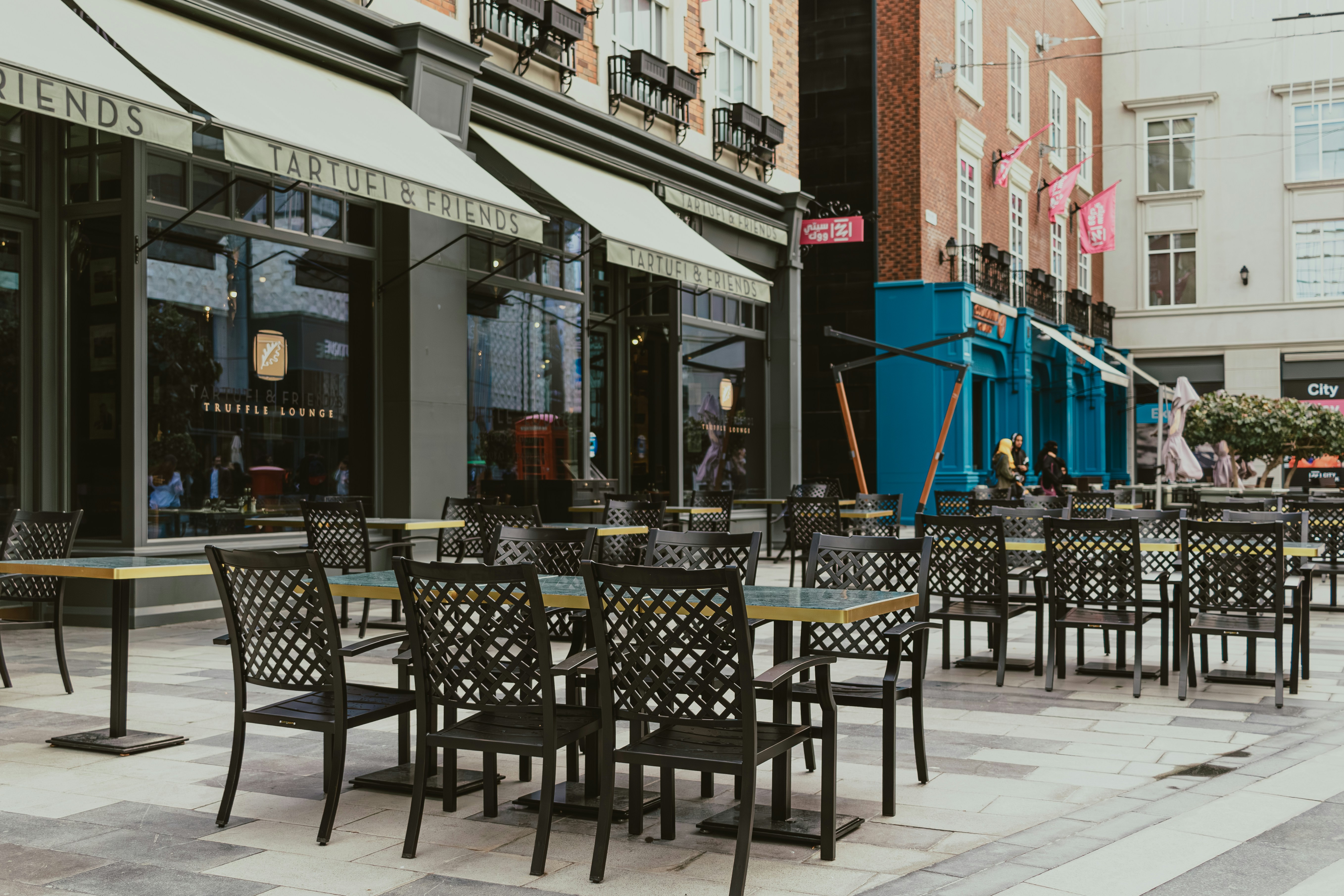
Photo by Kate Trysh on Unsplash
Applebee’s O-M-Cheese Burger fuses spectacle with value, driving social buzz and foot traffic—a signal for the skillet-cheese moment in casual dining.
Apr 16, 2026

Photo by Diego Mattevi on Unsplash
GoTo Foods taps Misra and Lambert to harmonize digital momentum with disciplined development across seven brands, aiming for stronger guest experiences and franchisee economics.
Apr 16, 2026
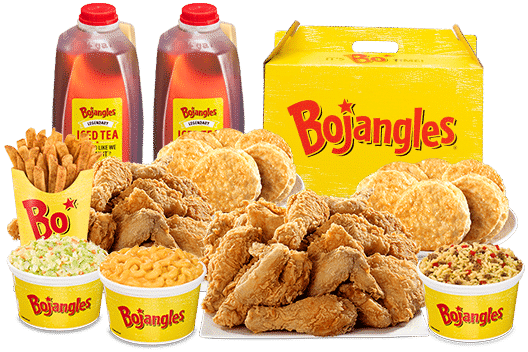
Bojangles launches Bo’s Chicken Rippers in an eight-week pilot, turning bites into a hands-on, sauce-forward experience with interactive, tear-apart slabs.
Apr 16, 2026
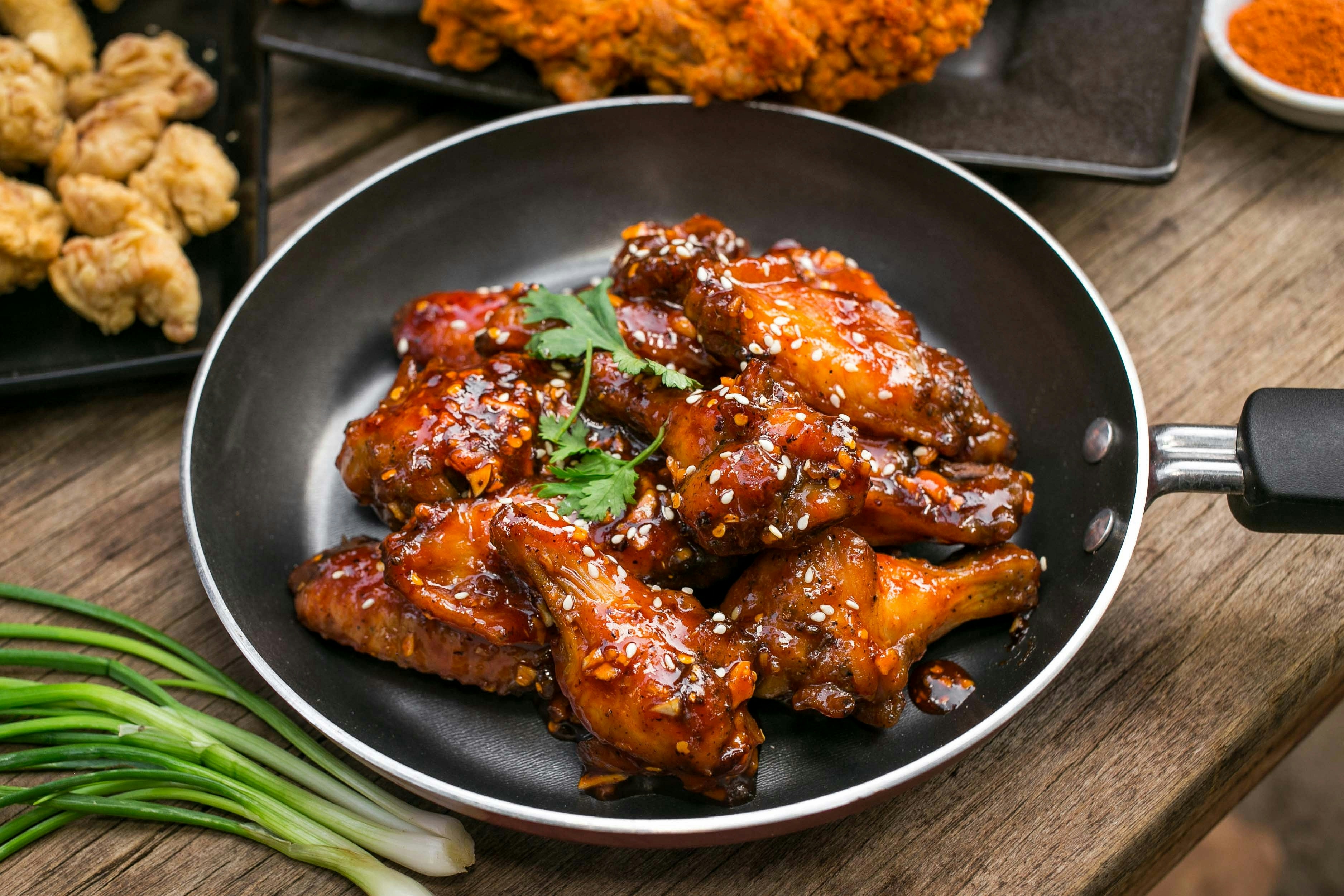
Photo by Jim Sosengphet on Unsplash
Popeyes teams with One Piece for a limited menu and merch drop, blending bold flavors with anime fandom to boost traffic and loyalty.
Apr 16, 2026
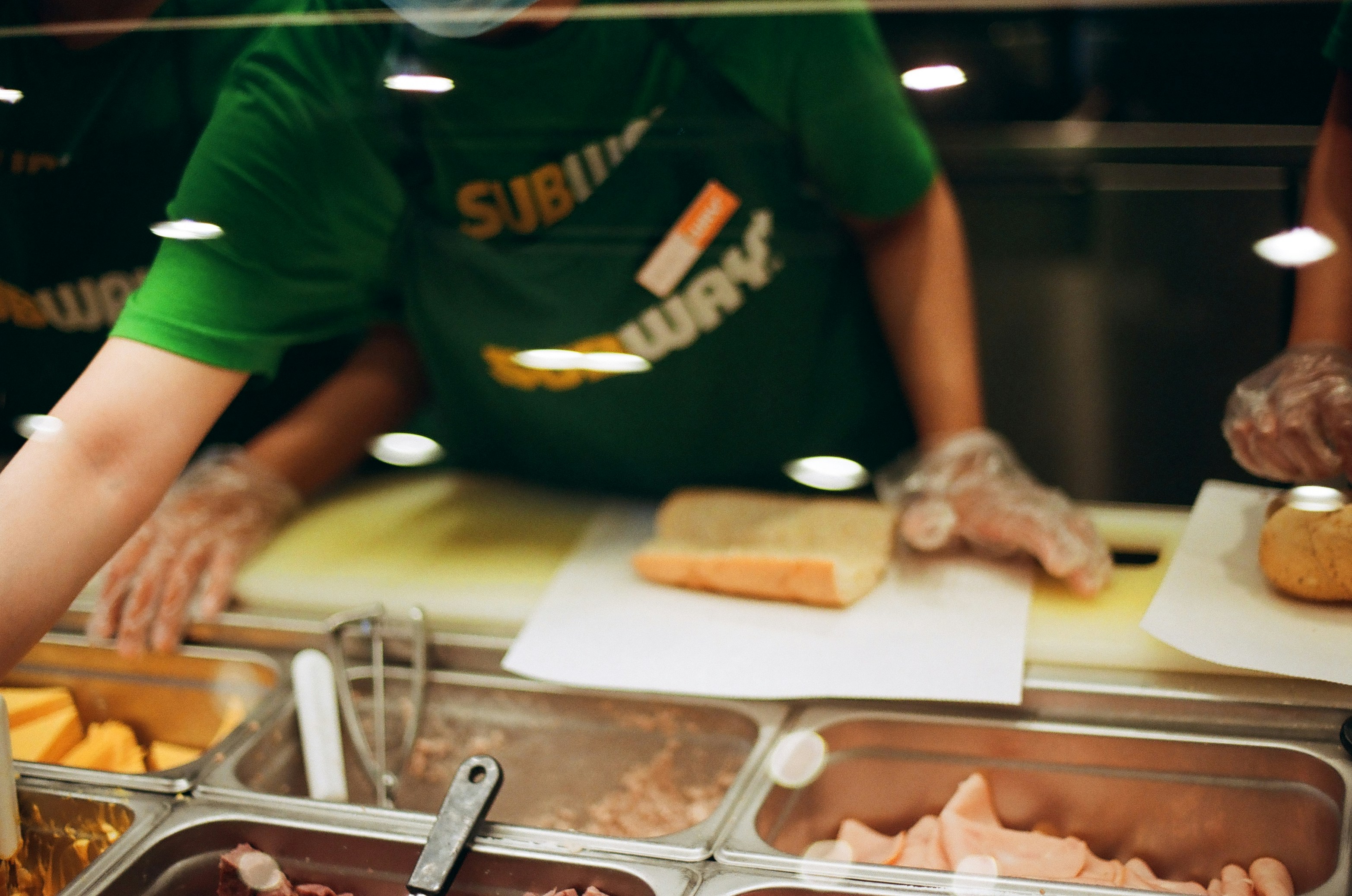
Photo by dedy kurniawan on Unsplash
A close look at Jersey Mike’s rapid expansion, leadership shift, and international push under Blackstone’s ownership.
Apr 16, 2026
Photo by Roberto Catarinicchia on Unsplash
CAVA launches Glazed Salmon with pomegranate glaze from Just Date, pairing seafood with chef-curated bowls and a new loyalty push to broaden Mediterranean flavors.
Apr 15, 2026
Photo by Carol Highsmith's America on Unsplash
Chains fuse Korean, Mexican, and botanical flavors into familiar favorites. Discover the artistry, risks, and strategy behind this culinary renaissance.
Apr 15, 2026
Unveiled on September 30, 2025, DoorDash’s ‘Going Out’ unifies discovery, reservations, rewards, and rides. Backed by the SevenRooms acquisition, early trials show 80% of users tried new restaurants and offers average $9 savings.
Photo by Jon Tyson on Unsplash
On "September 30, 2025," DoorDash lifted the cloche on ‘Going Out’ at Dash Forward 2025, a feature designed not for couriers and kitchens alone but for the whole ritual of dining in person. CEO Tony Xu framed the moment as part of "the future of local commerce," placing the product beside the Dot autonomous delivery robot and a Kroger partnership like courses in a cohesive tasting menu—each element distinct, yet clearly composed to harmonize on the palate of everyday life. At the center is a map-based interface, discreetly marked by an icon of chairs and a table. From this single view, diners can discover venues, secure reservations, and apply exclusive in-store rewards without hopping between tabs or apps. It is a promise of subtle orchestration: a smoother path from intention to entrée. Parisa Sadrzadeh, VP of In-Store, quantified the daily luxury of savings with a precise figure—"$9" on average when offers are used—an amount that, over time, turns occasional indulgence into sensible habit. Early trials add another beam of light: "80%" of users ventured into restaurants they had not ordered from before, reinforcing discovery as a defining note. DashPass members receive extra grace notes—exclusive tables, additional rewards, and discounted Lyft rides—though the curtain is raised to all DoorDash users "for a limited time." The overall effect reads as an elegant pivot: a delivery-era brand moving confidently into the choreography of dine-in. Analysis: The unveiling and quoted metrics establish ‘Going Out’ as a deliberate expansion from logistics to experience, with savings and discovery positioned as primary levers for behavior change.
Behind the polished surface of ‘Going Out’ is a decisive acquisition completed in "June 2025": DoorDash purchased SevenRooms for "$1.2 billion." That deal now supplies the hospitality musculature—reservations, CRM, voice AI, and event management—threaded directly into the DoorDash Commerce Platform. The integration is presented as a "360°" guest view spanning delivery, pickup, dine‑in, and bookings, converting scattered interactions into a coherent profile that can inform both personalized marketing and smoother service. SevenRooms had already set an AI mise en place: automated responses to lighten the human load, feedback summaries to distill sentiment, and note polishing to ensure clarity—precisely the kinds of refinements that help staff move from juggling tasks to delivering hospitality. DoorDash’s intent is unmistakable: blend demand generation with back‑office capability, so the platform is not merely a directory but a partner that reduces friction in daily operations while elevating the guest experience. For restaurateurs, the promise is less administrative churn and more time spent at the table—reading the room rather than wrestling with it. Consolidated tools can transform how a floor is paced, how a book is managed, and how a guest is remembered. Analysis: The SevenRooms integration provides the technical and data architecture that converts DoorDash from a delivery channel into a hospitality platform, aligning consumer convenience with operator utility.
The interface for ‘Going Out’ is deceptively simple: a map with an icon—chairs and a table—that serves as a doorway to discovery, reservations, and in‑store perks. Reservations debuted in Miami and New York with "no cover fees," a gesture that spares guests the surprise of surcharges and signals a democratized entry point. DoorDash says additional cities are poised to follow later in the year, a measured cadence that allows the experience to settle before the next expansion. The choreography extends to arrival. DashPass members can unlock exclusive tables and extra rewards, while transportation is woven in through a Lyft tie‑in. Members receive discounted rides, and select restaurants can attach discounted Lyft Black rides to reservations made via ‘Going Out.’ In practical terms, it closes the gap between decision and presence: a table and a car organized in a single arc, so the evening feels curated from the moment one taps. This is hospitality by way of interface. A fluid path from search to commitment removes the awkward seams that often break momentum—no switching screens, no pasting confirmation codes, no calling to confirm. Analysis: By packaging discovery, booking, and transportation into a single flow, DoorDash targets the friction points that commonly interrupt dine‑in planning and jeopardize follow‑through.
Tony Xu’s framing—"the future of local commerce"—anchors a thesis that stretches beyond mealtime. Yet it is the measured claims that give the vision texture. Parisa Sadrzadeh’s figure of "$9" average savings when offers are used is the sort of precise, pocketable benefit that cultivates habit. And the early trial result—"80%" of users tried restaurants they had not previously ordered from—suggests the feature reshapes not only logistics but taste, nudging people to widen their dining map. Membership is recast accordingly. DashPass was once synonymous with delivery discounts; now it carries the allure of exclusive tables, extra rewards, and discounted Lyft rides—trimmings that make the subscription feel like a key to rooms and experiences, not just a coupon for convenience. All users may explore the feature "for a limited time," but the scaffolding of membership-specific benefits indicates where this is headed: curated access as a loyalty magnet. These are signals of a platform attempting to cultivate both frequency and novelty—two ingredients that can keep dining life vibrant. Analysis: The savings and trial metrics validate discovery-led behavior and elevate DashPass from a delivery perk to a broader dining passport, encouraging trial while seeding repeat patterns.
The path from acquisition to consumer product is unusually brisk. DoorDash completed the SevenRooms deal in "June 2025" for "$1.2 billion," then introduced ‘Going Out’ on "September 30, 2025." That sequence—months, not years—illustrates why the technology was never destined to remain a discrete merchant toolset. It was an ingredient to be folded into the batter of the core app, so consumers could taste the benefits directly. On the operator side, the pitch emphasizes "zero‑fee reservations," combining relief for guests with platform-level CRM and AI that promise better staffing, sharper marketing, and fewer dropped balls. Reservations launched in Miami and New York with "no cover fees," and more cities are slated for later this year. For a sector accustomed to incremental change, the tempo here is notable: capital committed, systems integrated, features surfaced—all within a single calendar. That tempo may itself be a tactic, keeping competitors on their heels and building momentum with diners and restaurants before habits harden elsewhere. Analysis: The investment scale and rapid rollout convey strategic urgency; embedding SevenRooms directly into the consumer flow suggests DoorDash is optimizing for adoption and differentiation, not back‑office isolation.
The market tableau is sharpening. Uber Eats is advancing a competing ‘Dine Out’ feature with OpenTable, pairing reservations with ride discounts and membership perks inside its own ecosystem. DoorDash’s composition is different: SevenRooms powers CRM and AI and Lyft provides the transportation layer. Two parallel symphonies aiming for the same crescendo—owning the decision, the booking, and the journey to the table—each with a distinctive ensemble of partners. Where differentiation may form is in control of tooling and the gravity of membership. DoorDash’s direct ownership of hospitality technology, coupled with exclusivities for DashPass, creates a tight loop between data, operations, and consumer benefit. Uber’s alignment with OpenTable and its native ride infrastructure creates a formidable counterpoint. The rivalry, then, is scored in integrations and the perceived richness of members-only access. The audience—diners and restaurants—will decide which arrangement plays truer to their needs. Analysis: Competitive dynamics hinge on who best fuses discovery, booking, and transport while making membership feel indispensable; DoorDash’s integrated stack offers potential leverage if execution holds steady.
For operators, ‘Going Out’ extends beyond a neat calendar. It surfaces guest preferences, order history, and local status, giving staff the chance to greet patrons with context rather than guesswork. Voice AI stands in for phone triage—handling calls and FAQs—so hosts and managers can square their shoulders to the dining room instead of the inbox. Event management threads private dining and group bookings into the same fabric, reducing the need for extra hands when large parties arrive. SevenRooms co‑founder Kinesh Patel captured the industry’s paradox as "data‑rich but data‑dumb," a phrase that sums up countless binders, inboxes, and notes that never convert into action. The AI array—automated responses, feedback summaries, note polishing—aims to change that, translating information into timely gestures. Bringing ‘Going Out’ to cities in the U.S. and Australia is also positioned as a lift for independent venues, with local creators in Atlanta, Austin, Miami, and San Francisco contributing short‑form videos to enhance discovery. The result is a portrait of hospitality that is both human and instrumented—attention warmed by memory, operations steadied by software. Analysis: Operator tools align with chronic pain points—labor, personalization, and event complexity—while creator content and geographic reach seek to convert platform scale into neighborhood footfall.
Some matters remain behind the curtain. All users can explore ‘Going Out’ "for a limited time," but the duration is unspecified. Reservations launched in Miami and New York, and additional cities are planned later this year, though the exact markets and timing aren’t detailed beyond that promise. The early data—"80%" tried a new restaurant—speaks to discovery, yet the longer arc of retention, visit frequency, and revenue impacts for merchants is still unwritten. These unknowns are not footnotes; they shape whether ‘Going Out’ becomes a staple of the dining ritual or a seasonal special. City coverage determines the breadth of relevance. Sustained behavior change reveals whether savings and access blossom into loyalty. And measurable operator outcomes will tell restaurants whether the platform is a steady partner or an occasional amplifier. For now, the score is promising but incomplete. Analysis: The concept is validated by early signals, but durability depends on rollout breadth and proof that the feature moves the needles that matter—repeat visits and operator economics.
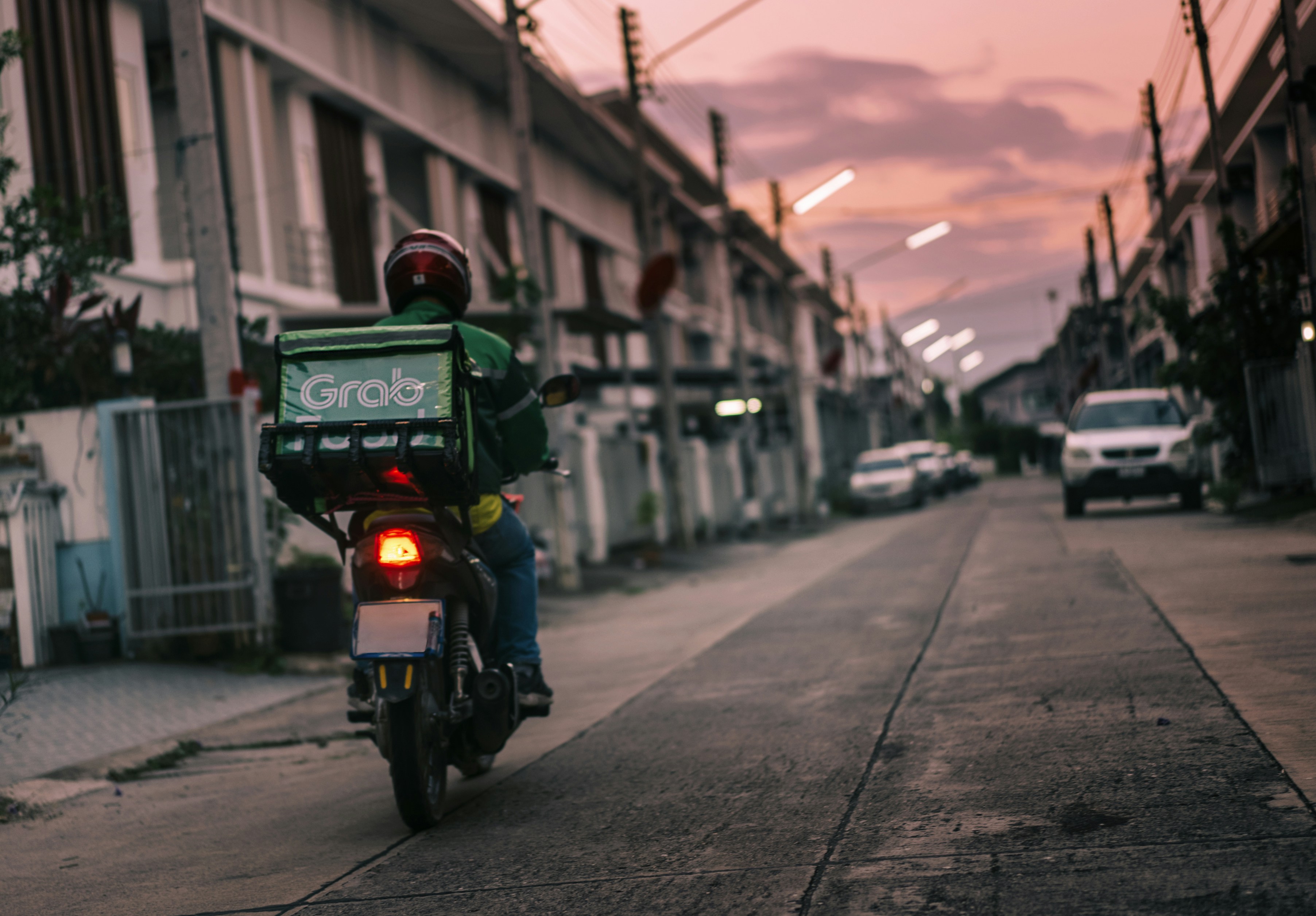
‘Going Out’ reads like a composed service: discovery as the amuse-bouche, reservations as the first course, transportation as the intermezzo, and a member’s flourish as the finale. Built on SevenRooms and revealed at a moment when the category is coalescing, it signals a confident bet that the most enduring platforms will coordinate not just delivery logistics but the full theater of dining. The numbers—"$9" in savings, "80%" new-venue exploration—are early, but they speak in a clear register: convenience allied with curiosity. The lesson is as old as hospitality itself. When you remove friction and add a touch of privilege—an exclusive table here, a discounted ride there—guests are more willing to cross new thresholds. For restaurants, the mandate is to embrace tools that turn scattered data into a warm welcome. For DoorDash, the burden is craft: to scale the experience without letting the seams show, and to prove in city after city that this orchestration yields steady custom for the houses it serves. If that balance holds, the app icon with chairs and a table may come to signal not just a feature, but a new habit: evenings plotted with elegance, from tap to table. Analysis: The strategic arc promises a disciplined fusion of consumer perks and operator intelligence; success will hinge on meticulous execution that sustains discovery, savings, and service quality over time.