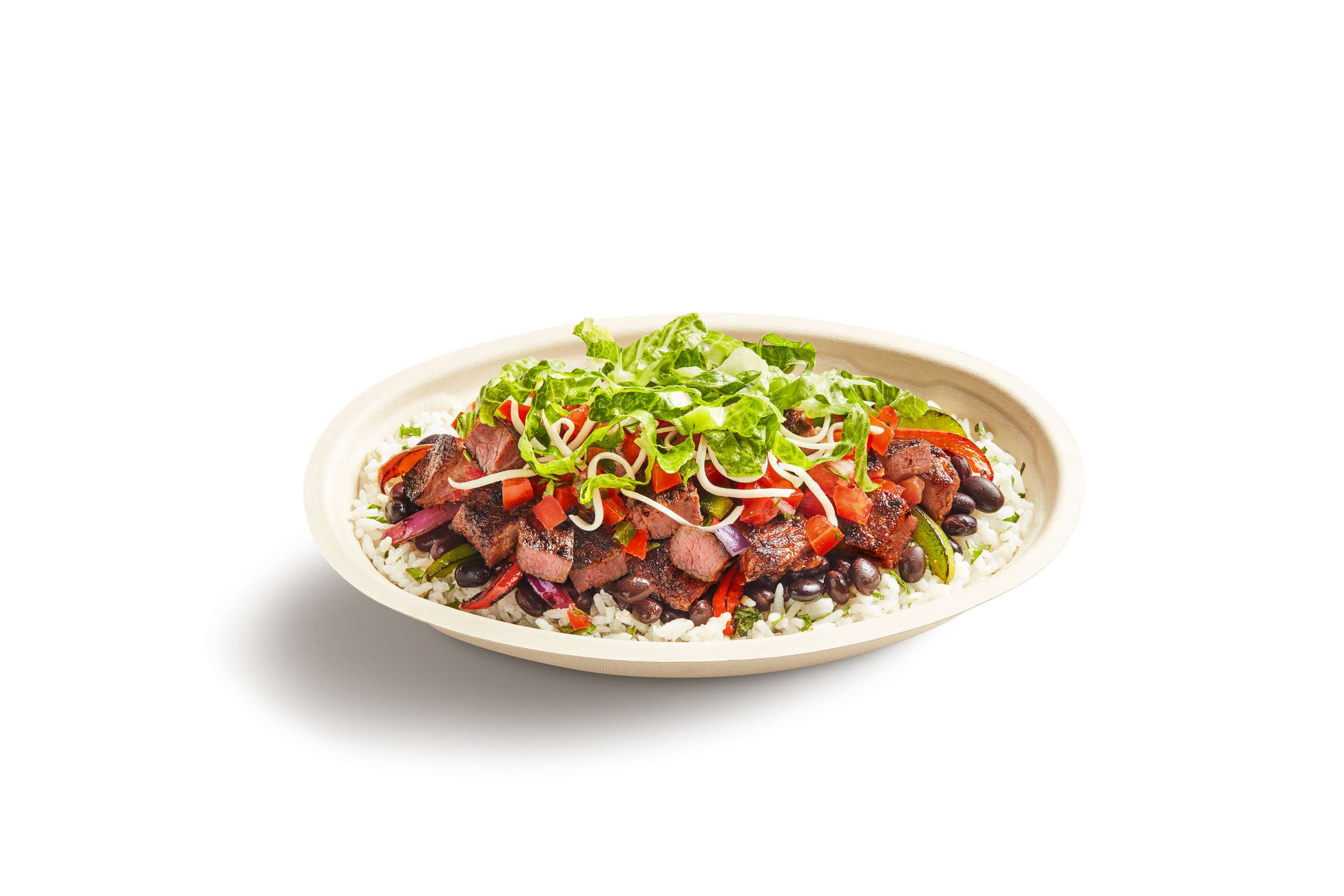
Chipotle Rewards on Repeat Relaunch
Chipotle reshapes loyalty with Rewards on Repeat, blending in-store promotions, staff incentives, and simpler redemption to boost traffic.
news
Apr 16, 2026
Chipotle reshapes loyalty with Rewards on Repeat, blending in-store promotions, staff incentives, and simpler redemption to boost traffic.
Apr 16, 2026

Photo by Salah Ait Mokhtar on Unsplash
A refined look at Papa Murphy’s strategy as MTY guides a cautious turnaround amid a crowded pizza landscape—digital play, local marketing, and a new Detroit-style offering.
Apr 16, 2026
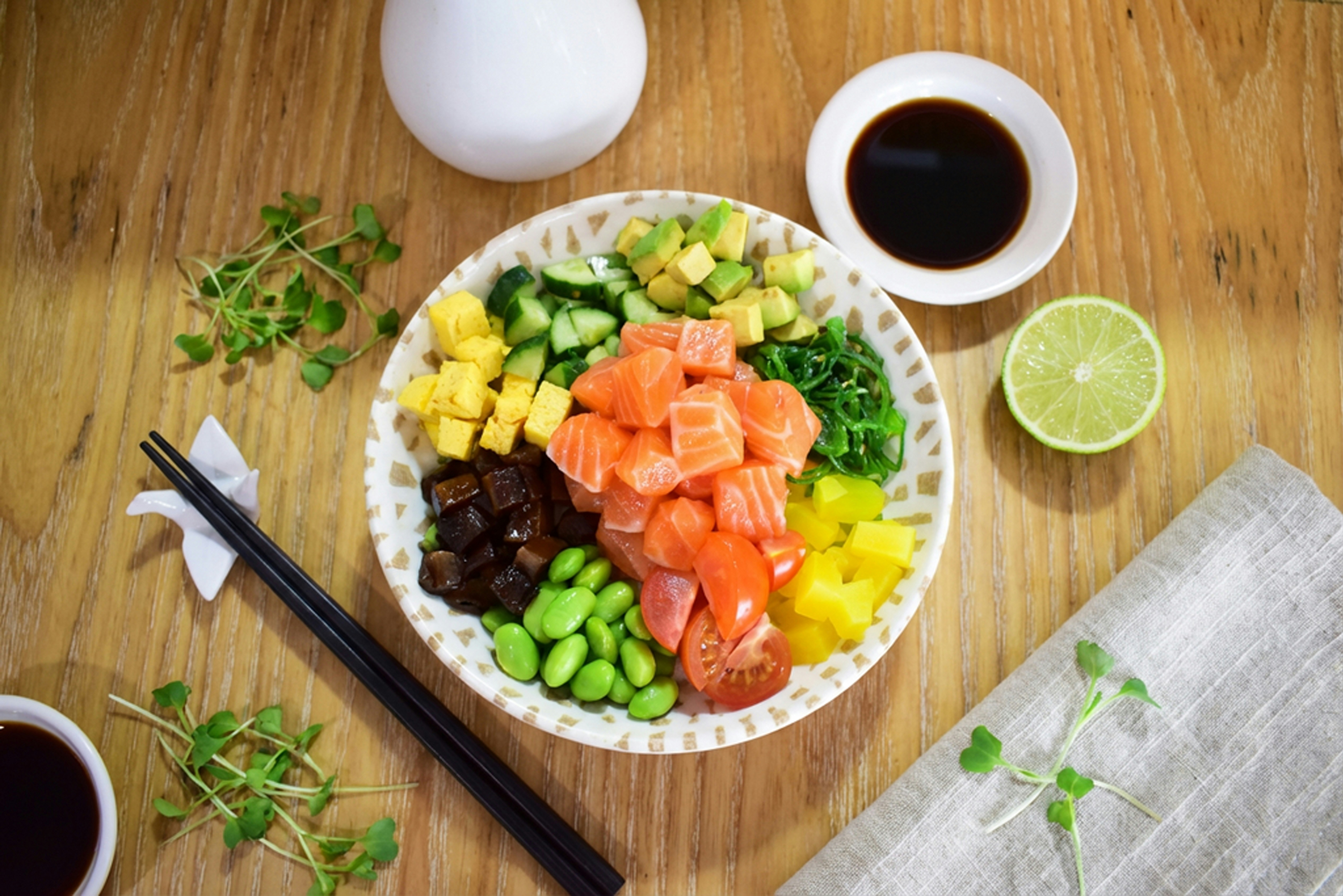
Photo by Sergio Mena Ferreira on Unsplash
Mo’ Bettahs leaves Kansas City as it pivots to a PE-backed national expansion to Phoenix, Indianapolis, and Minneapolis.
Apr 16, 2026

Photo by Kate Trysh on Unsplash
Applebee’s O-M-Cheese Burger fuses spectacle with value, driving social buzz and foot traffic—a signal for the skillet-cheese moment in casual dining.
Apr 16, 2026

Photo by Diego Mattevi on Unsplash
GoTo Foods taps Misra and Lambert to harmonize digital momentum with disciplined development across seven brands, aiming for stronger guest experiences and franchisee economics.
Apr 16, 2026
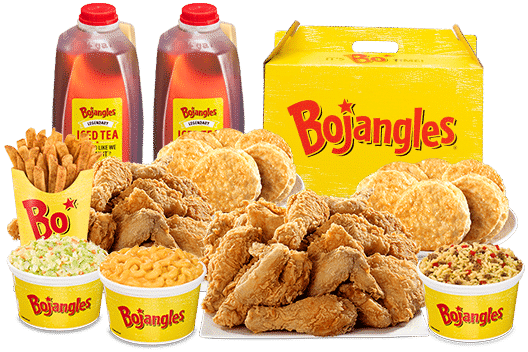
Bojangles launches Bo’s Chicken Rippers in an eight-week pilot, turning bites into a hands-on, sauce-forward experience with interactive, tear-apart slabs.
Apr 16, 2026
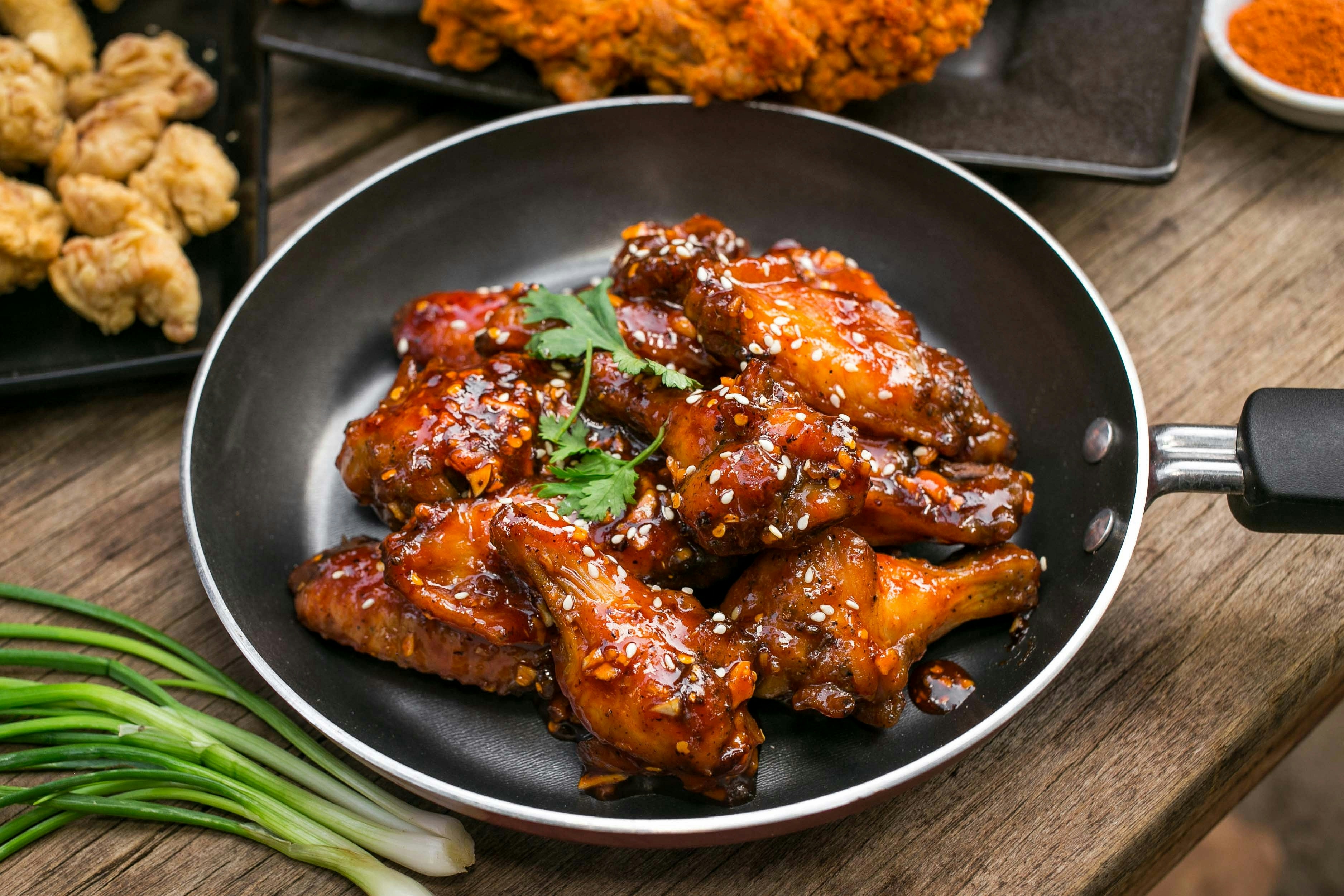
Photo by Jim Sosengphet on Unsplash
Popeyes teams with One Piece for a limited menu and merch drop, blending bold flavors with anime fandom to boost traffic and loyalty.
Apr 16, 2026
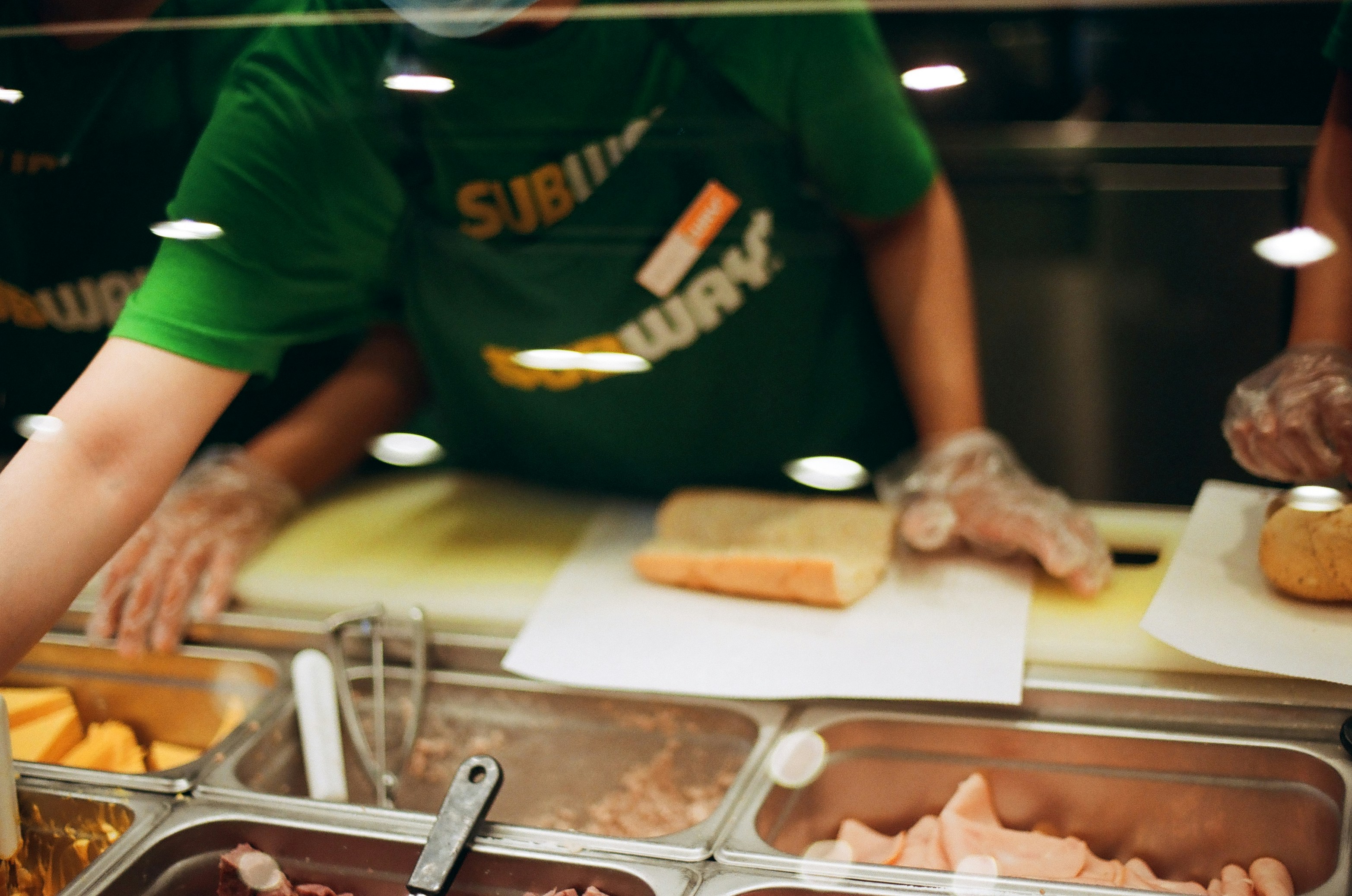
Photo by dedy kurniawan on Unsplash
A close look at Jersey Mike’s rapid expansion, leadership shift, and international push under Blackstone’s ownership.
Apr 16, 2026
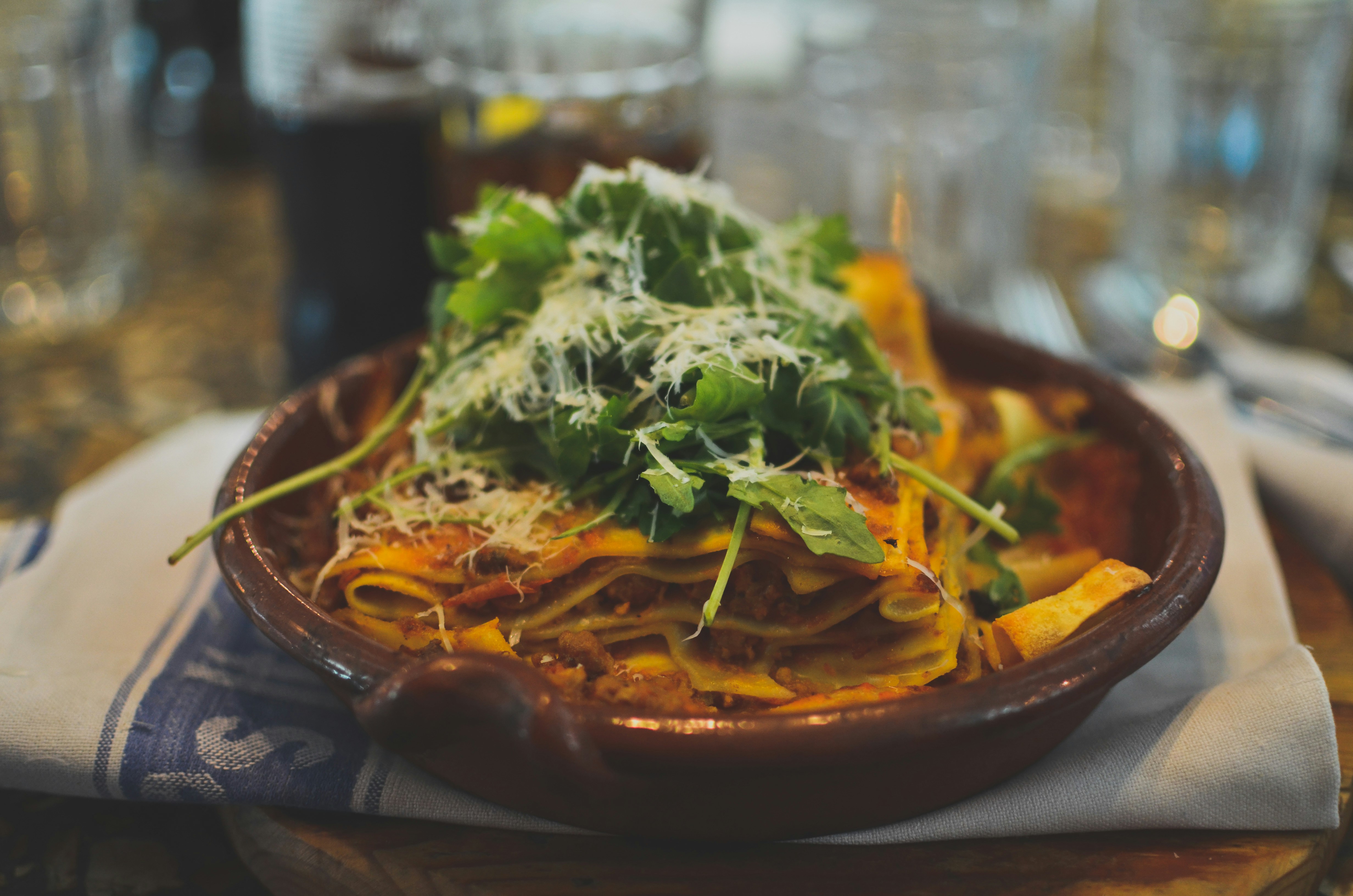
Photo by Roberto Catarinicchia on Unsplash
CAVA launches Glazed Salmon with pomegranate glaze from Just Date, pairing seafood with chef-curated bowls and a new loyalty push to broaden Mediterranean flavors.
Apr 15, 2026

Photo by Carol Highsmith's America on Unsplash
Chains fuse Korean, Mexican, and botanical flavors into familiar favorites. Discover the artistry, risks, and strategy behind this culinary renaissance.
Apr 15, 2026
Learn how qualitative and quantitative research can enhance menu optimization and customer satisfaction. Discover the benefits of involving customers in menu communication improvements.

Photo by Firmbee.com on Unsplash

Photo by Firmbee.com on Unsplash
Qualitative research plays a crucial role in delving into consumer perceptions and behaviors regarding menu communications. By conducting in-depth interviews with customers at various locations and different times of the day, restaurants can gain valuable insights into how consumers interact with the current menu offerings. This method provides a comprehensive understanding of consumer attitudes towards menu communications compared to those of competitive brands.

Photo by Firmbee.com on Unsplash
During qualitative research, researchers focus on identifying attribute/benefit criteria that influence consumer attitudes towards menu communications. Understanding these criteria can help in driving higher ticket sales, encouraging the trial of new menu items, enhancing brand perceptions, and improving the overall speed of service. By leveraging qualitative research, restaurants can tailor their menu offerings to cater to consumer preferences effectively.
Quantitative research complements qualitative insights by providing a numerical perspective on consumer preferences. By conducting online surveys with a significant number of respondents, restaurants can evaluate different menu strategies effectively. Through systematic exposure to various menu boards, researchers can gauge consumer responses to nomenclature alternatives, food photography, and pricing strategies.
One of the key aspects of quantitative research is the implementation of TURF analysis, which helps identify the most optimal combinations of menu items that cater to a wider consumer base. By analyzing data on consumer preferences, purchasing behavior, and perceived value for money, restaurants can make informed decisions about menu optimization.

Photo by Firmbee.com on Unsplash
Customer involvement is crucial for successful menu optimization. By directly engaging customers in the research and decision-making process, restaurants can ensure that the menu communications align with consumer preferences and expectations. Customers provide valuable insights that go beyond internal assessments, contributing to more effective menu strategies.

Photo by Firmbee.com on Unsplash
Engaging customers in menu optimization fosters a sense of ownership and loyalty among patrons. When customers feel heard and valued, they are more likely to return and recommend the restaurant to others. Involving customers in the optimization process enhances transparency and builds trust, creating a collaborative relationship between the restaurant and its clientele.
Qualitative and quantitative research are essential tools for menu optimization, allowing restaurants to refine their offerings, pricing strategies, and overall customer experience. By leveraging the insights gained from consumer interactions and preferences, establishments can stay competitive, drive sales, and foster long-term customer relationships.