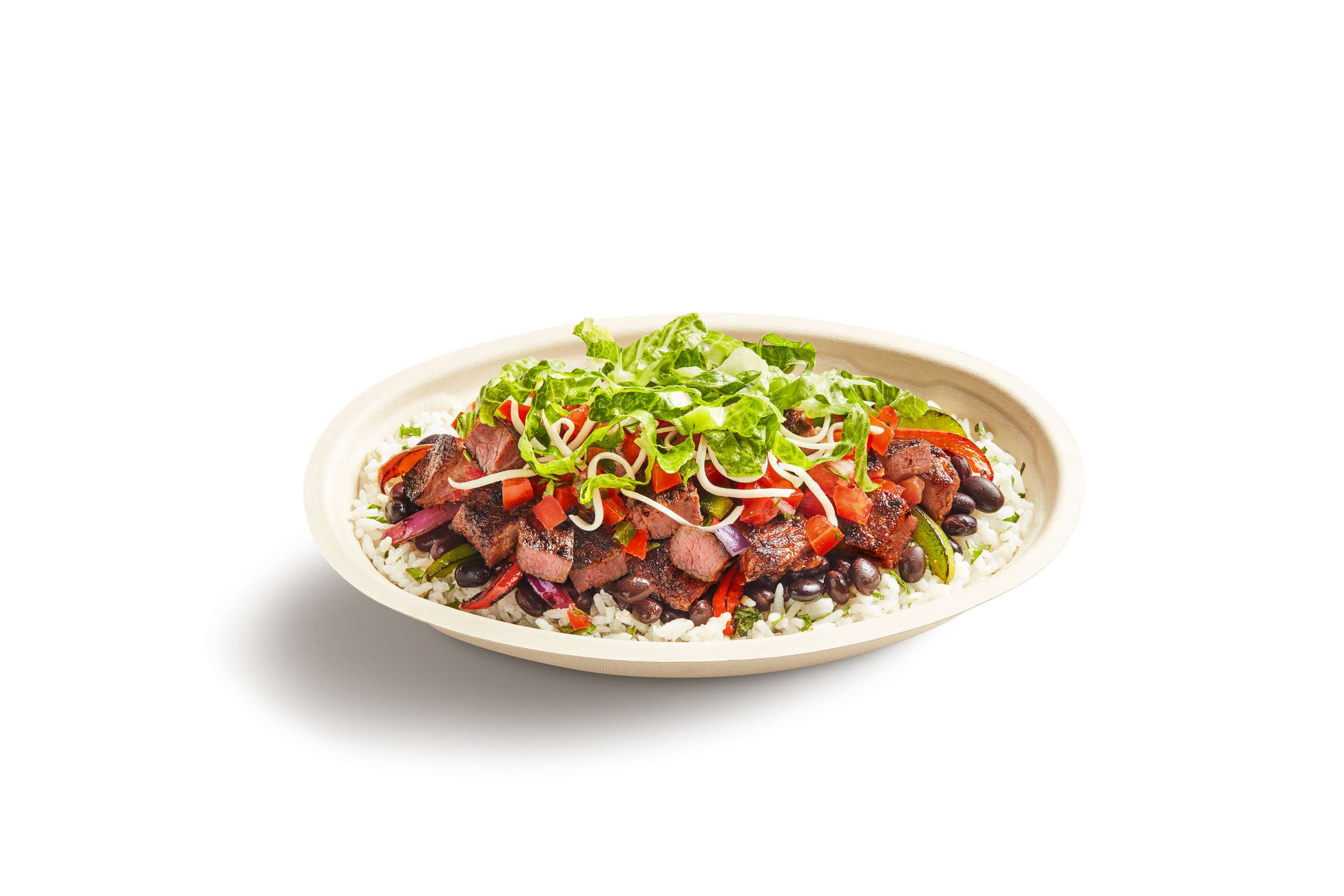
Chipotle Rewards on Repeat Relaunch
Chipotle reshapes loyalty with Rewards on Repeat, blending in-store promotions, staff incentives, and simpler redemption to boost traffic.
news
Apr 16, 2026
Chipotle reshapes loyalty with Rewards on Repeat, blending in-store promotions, staff incentives, and simpler redemption to boost traffic.
Apr 16, 2026
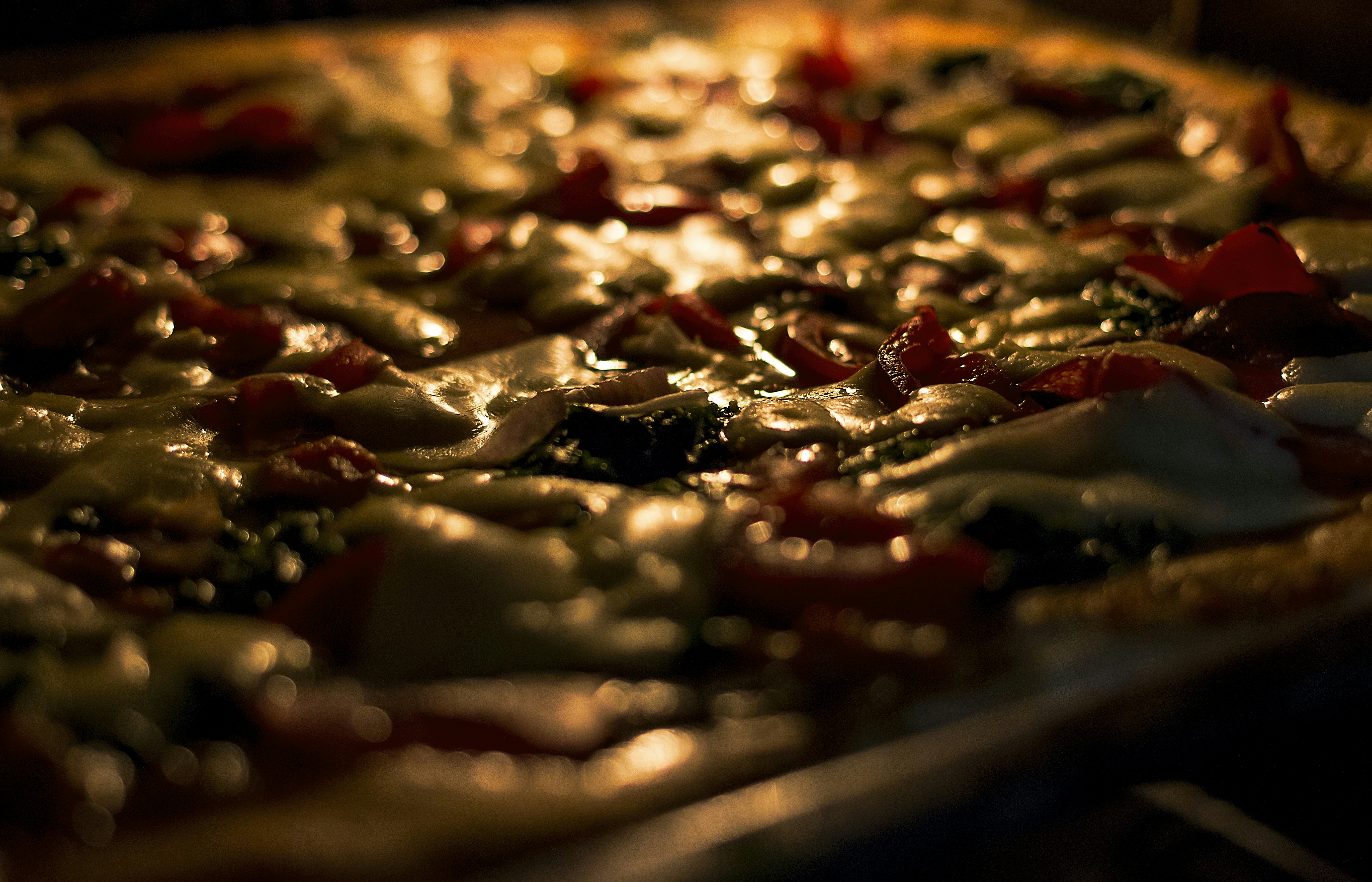
Photo by Salah Ait Mokhtar on Unsplash
A refined look at Papa Murphy’s strategy as MTY guides a cautious turnaround amid a crowded pizza landscape—digital play, local marketing, and a new Detroit-style offering.
Apr 16, 2026
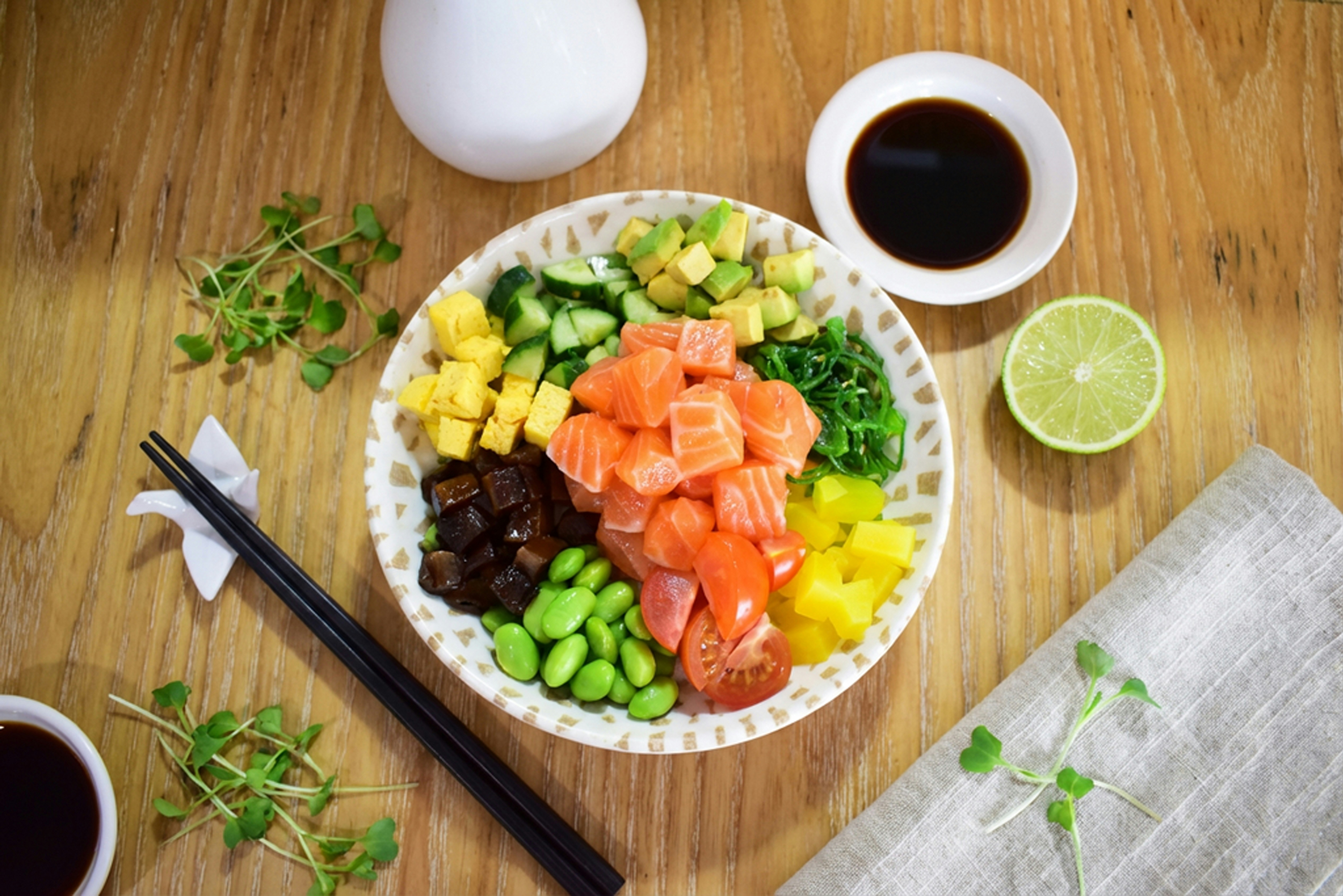
Photo by Sergio Mena Ferreira on Unsplash
Mo’ Bettahs leaves Kansas City as it pivots to a PE-backed national expansion to Phoenix, Indianapolis, and Minneapolis.
Apr 16, 2026
Photo by Kate Trysh on Unsplash
Applebee’s O-M-Cheese Burger fuses spectacle with value, driving social buzz and foot traffic—a signal for the skillet-cheese moment in casual dining.
Apr 16, 2026
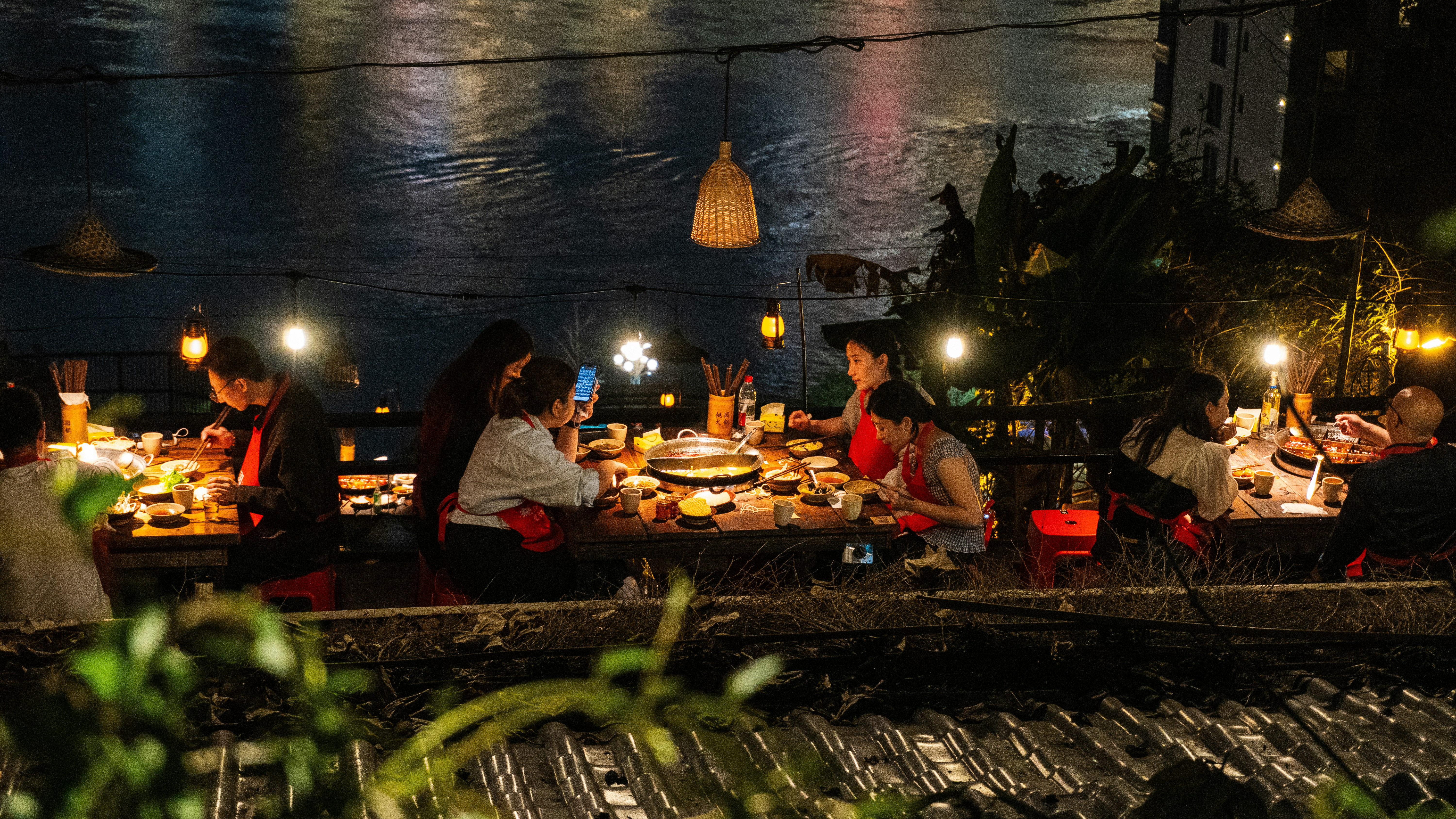
Photo by Diego Mattevi on Unsplash
GoTo Foods taps Misra and Lambert to harmonize digital momentum with disciplined development across seven brands, aiming for stronger guest experiences and franchisee economics.
Apr 16, 2026
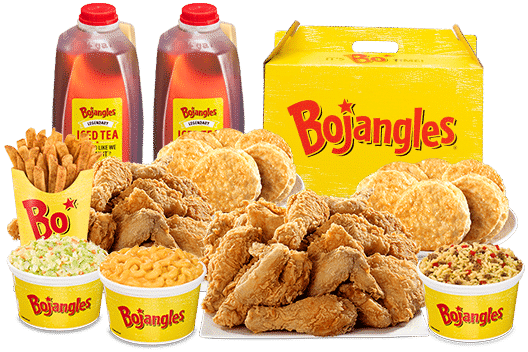
Bojangles launches Bo’s Chicken Rippers in an eight-week pilot, turning bites into a hands-on, sauce-forward experience with interactive, tear-apart slabs.
Apr 16, 2026
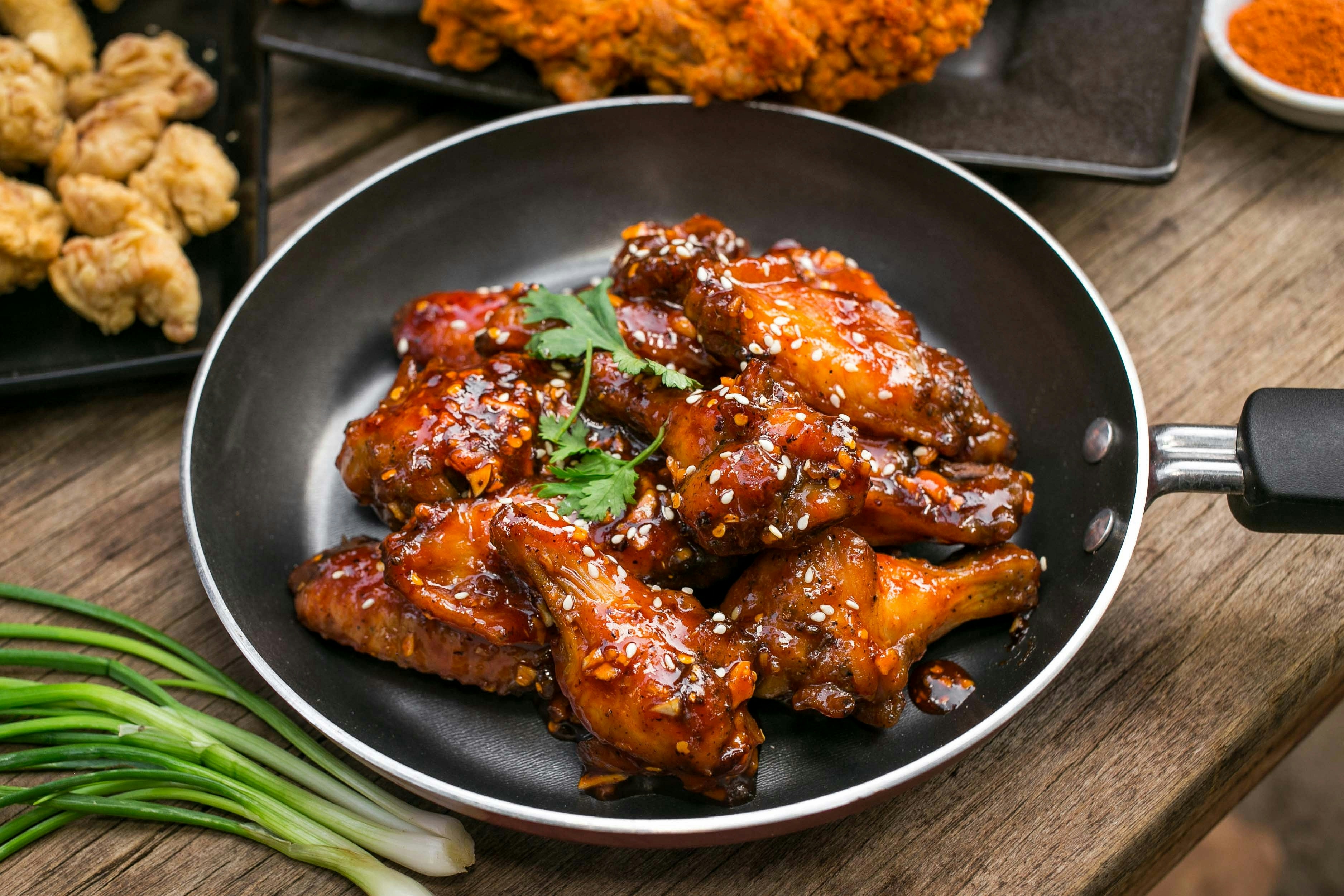
Photo by Jim Sosengphet on Unsplash
Popeyes teams with One Piece for a limited menu and merch drop, blending bold flavors with anime fandom to boost traffic and loyalty.
Apr 16, 2026
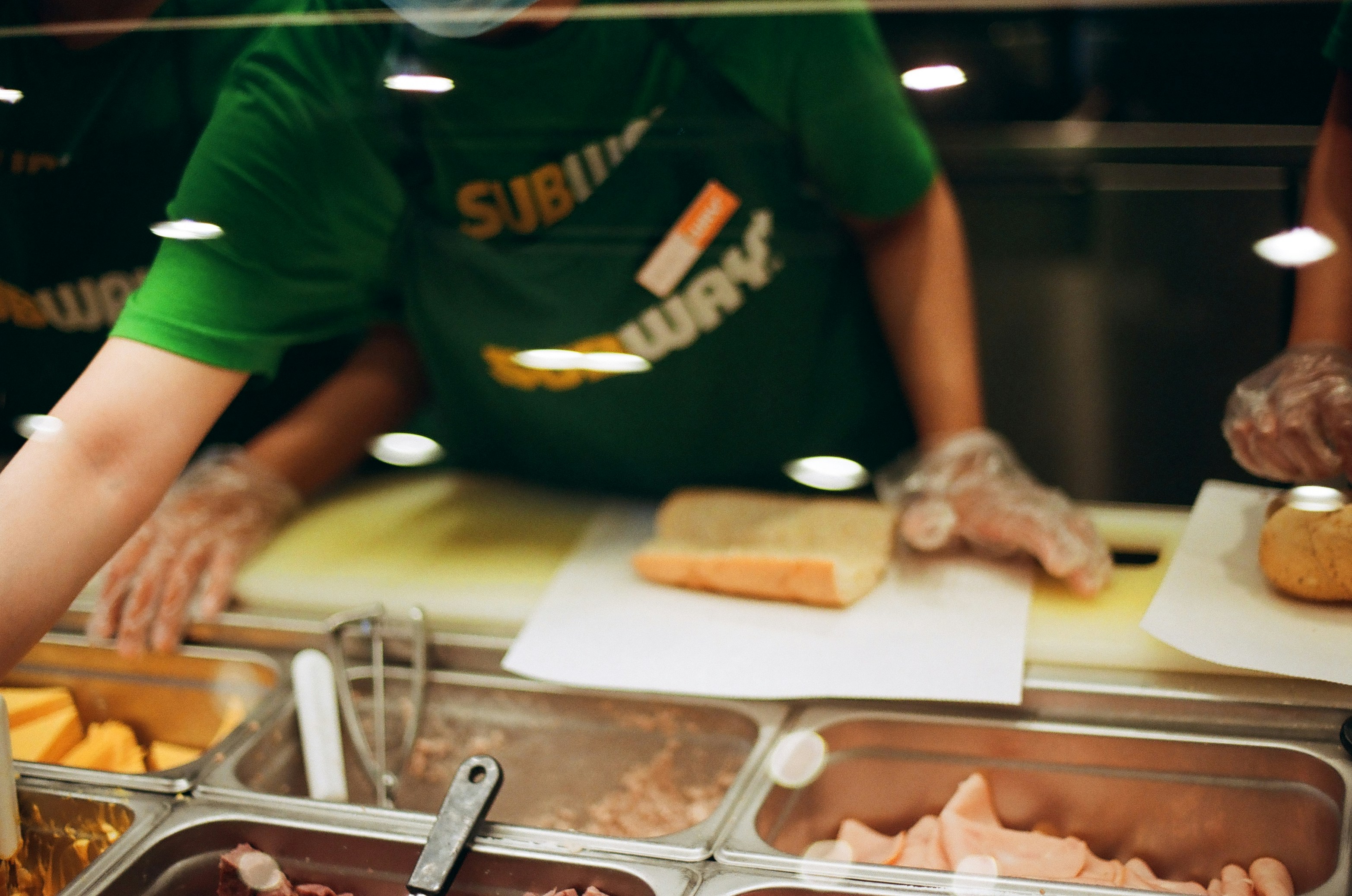
Photo by dedy kurniawan on Unsplash
A close look at Jersey Mike’s rapid expansion, leadership shift, and international push under Blackstone’s ownership.
Apr 16, 2026
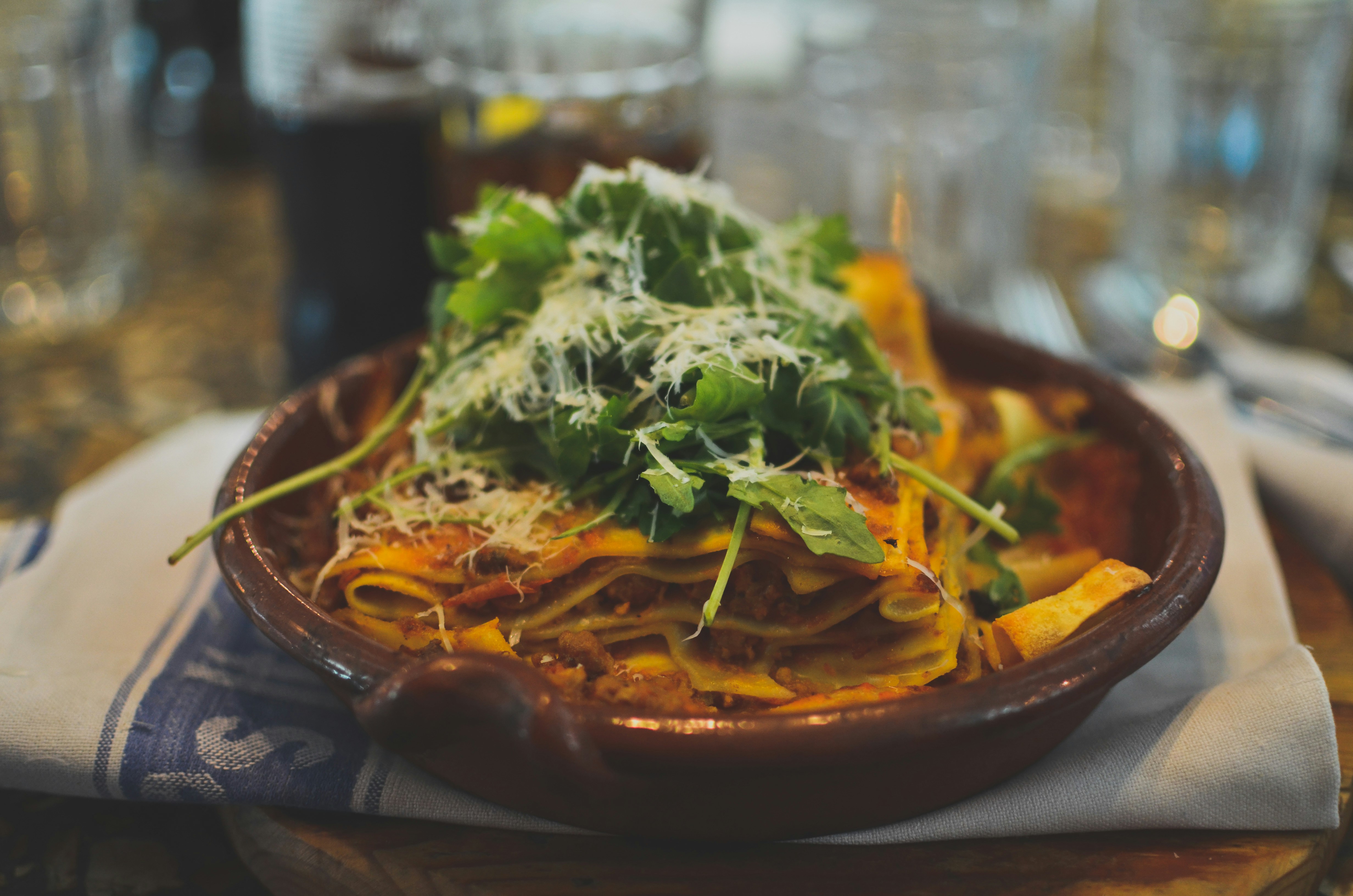
Photo by Roberto Catarinicchia on Unsplash
CAVA launches Glazed Salmon with pomegranate glaze from Just Date, pairing seafood with chef-curated bowls and a new loyalty push to broaden Mediterranean flavors.
Apr 15, 2026
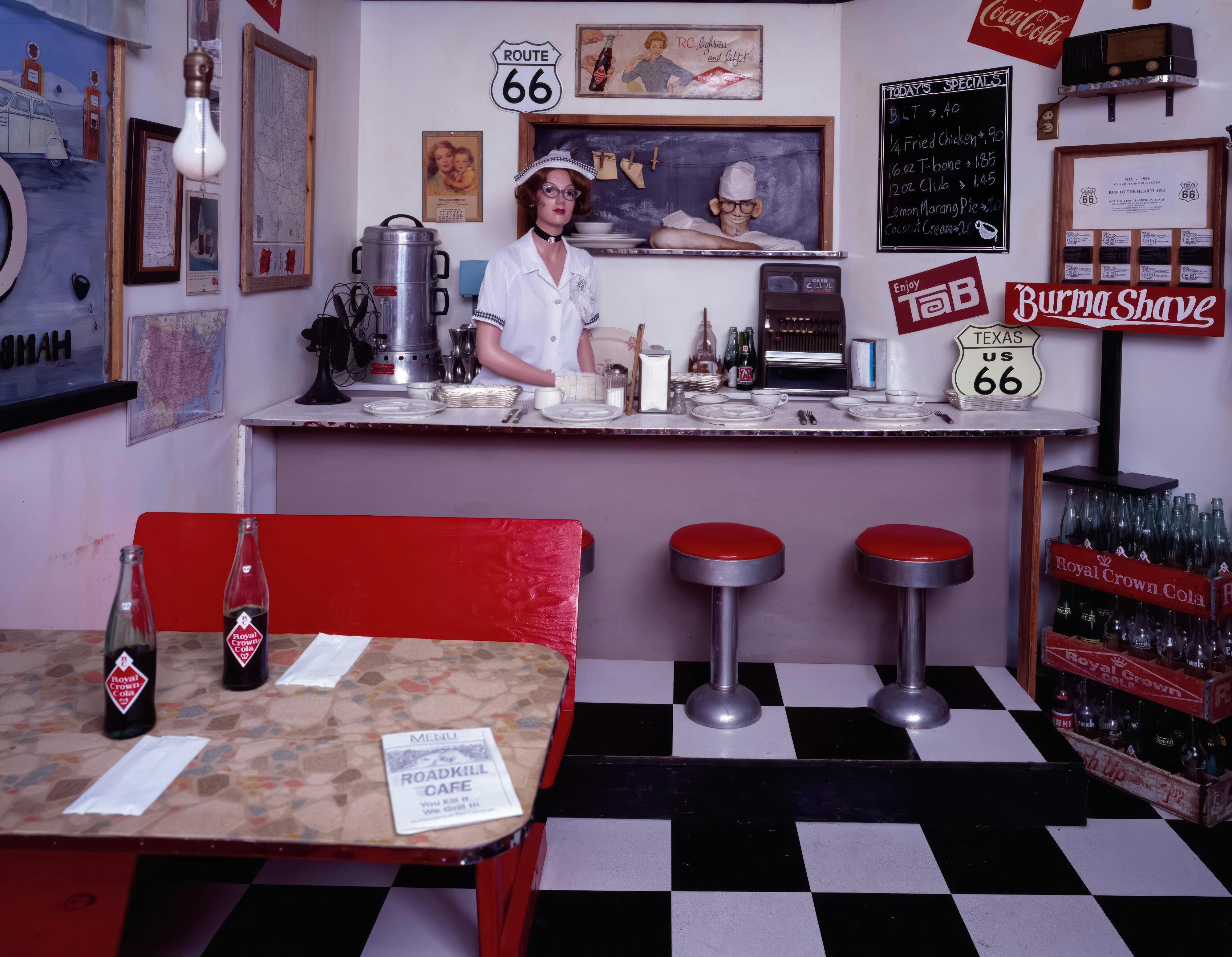
Photo by Carol Highsmith's America on Unsplash
Chains fuse Korean, Mexican, and botanical flavors into familiar favorites. Discover the artistry, risks, and strategy behind this culinary renaissance.
Apr 15, 2026
A new traffic-adjusted framework from Intouch Insight and QSR Magazine reshapes drive-thru speed rankings, spotlights digital friction, and shows early AI gains with key tradeoffs.

Photo by Jude Wilson 🚀 on Unsplash
The “25th Annual Drive‑Thru Study” from Intouch Insight and QSR Magazine changes the speed game. Instead of crowning whoever posts the lowest raw time, the study normalizes performance for traffic and celebrates throughput under pressure. That shift turns a long-standing narrative on its head. Take Chick‑fil‑A. On a simple stopwatch, the brand lands at “over seven minutes.” Under the new traffic‑adjusted lens, it rises to the front, pacing alongside Dutch Bros at “around 2 minutes and 30 seconds per car.” That pairing says a lot about smart process design and lane management—keeping cars moving even when the line snakes around the building. Satisfaction backs it up. Intouch Insight shows “98%” satisfaction for both Chick‑fil‑A and Dutch Bros, with Popeyes close at “over 96%.” While average drive‑thru times ticked up by “six seconds” year‑over‑year, the study links most of that shift to mix—newly included brands such as Popeyes, Dutch Bros, Starbucks, and Tim Hortons—rather than a systemic slowdown. In short: scale‑aware efficiency beats raw seconds. Big win for operations that flex under load. Analysis: The study elevates throughput as the real speed metric. High satisfaction paired with traffic‑adjusted wins signals that design and capacity—not just quick stints—drive guest delight.
A single, flat stopwatch hides the real story: how well a brand handles congestion without torpedoing the guest experience. The study finds that brands with average drive‑thru queues exceeding “one car” post faster raw times. That counterintuitive result points to systems built for volume—configurations and staffing that actually work better when things get busy. The old assumption that the longest line equals the slowest store doesn’t hold up here. High‑capacity setups can push more cars per minute when lanes are deep, while lighter lanes sometimes stall. By normalizing to per‑car throughput in context, the method highlights operators that execute under load rather than those skating by on light traffic. It’s a cleaner scoreboard for real‑world conditions. Analysis: Traffic‑adjusted metrics right‑size expectations and prevent penalizing high‑volume winners. The finding that larger queues often map to faster raw times flips the script on how to read a busy lane.
Chick‑fil‑A is the cleanest case study. Despite raw times “over seven minutes,” it lands alongside Dutch Bros once numbers are normalized, with an estimated “around 2 minutes and 30 seconds per car.” That’s not a magic trick—it’s the math of well‑designed queuing, staffing that matches demand, and a lane flow tuned for surge periods. Satisfaction tightens the case. Intouch Insight reports “98%” for Chick‑fil‑A and Dutch Bros, with Popeyes logging “over 96%.” Those scores suggest that guests reward throughput that holds up in real traffic, not just a quick dash in an empty lane. And that year‑over‑year “six seconds” bump in average time? It mostly dissolves when factoring in the newly added brands—Popeyes, Dutch Bros, Starbucks, and Tim Hortons—pinning the change on mix, not meltdown. Analysis: Normalization shows that long lines can mask strong performance. Throughput success alongside high satisfaction indicates systems that scale without sacrificing the guest experience.
Mobile orders, app payments, loyalty scans, customizations—the modern drive‑thru now juggles them all. Sarah Beckett, VP of Sales and Marketing at Intouch Insight, nails it by calling the lane a “digital fulfillment hub.” Order flow, payment, and personalization converge at the speaker, and that changes where speed wins or dies. Beverage chains, newly added in “2025,” illustrate this tension. They’re second fastest overall among categories, yet they still trail “Classic” brands, signaling the extra seconds personalization and menu navigation can add. The study points to clarity and communication as outsized levers. Clear speaker systems and accurate order‑taking can reduce wait time by “up to one minute and 25 seconds.” That’s a huge swing—and it’s not about faster grills, it’s about cleaner capture at the point of order. Analysis: Digital complexity shifts the bottleneck upstream to order capture. Cutting speaker friction and tightening app flows looks like the fastest path to speed gains right now.

When you control for category additions and hold a constant brand set, the study shows a “three‑second improvement” in drive‑thru speed—the smallest annual gain since COVID‑19 began. Across the broader brand mix, average times rose by “six seconds,” a change the study largely attributes to the inclusion of newer entrants like Popeyes, Dutch Bros, Starbucks, and Tim Hortons. This looks like a maturity point. The low‑hanging fruit from traditional levers—more labor, kitchen tweaks—appears picked. The standout opportunity sits in communication and workflow: the ability of clear audio and accurate order‑taking to claw back “up to one minute and 25 seconds” suggests that the next tranche of improvement is about precision, not brute force. Analysis: The plateau hints at diminishing returns from conventional fixes. Targeted improvements in clarity and order accuracy promise bigger payoffs than wide‑angle operational overhauls.

Intouch Insight’s Voice‑AI experiments cover “120” AI‑enabled orders across “three QSR brands.” The results are clear: AI cut total service time by “around 21 seconds,” moving the average from “4:15” down to about “3:53”; another reference cites “a 21‑second advantage over other orders,” backing up the gain size. On core service drivers, speaker clarity for AI orders reached as high as “98%,” suggestive selling ticked up, and food temperatures stayed acceptable. There are tradeoffs. Drivers had to repeat themselves in “34%” of AI interactions versus “22%” without AI. Friendliness dipped from “78%” to “72%,” and order accuracy slid from “87%” to “83%.” The safety net is human‑machine collaboration: staff intervention can raise AI accuracy up to “95%.” Even with the soft spots, overall satisfaction for AI‑assisted orders hit “97%,” ahead of the “91%” baseline for traditional orders. Convenience carries weight, but the data says human oversight matters. Analysis: AI delivers speed and keeps satisfaction high, but it needs human backup to close gaps in rapport and comprehension. That hybrid approach looks like the scalable play.

The traffic‑adjusted approach is compelling, but the excerpt doesn’t reveal the full calculation—only that performance is normalized by lane traffic. We can see the outcomes, including the alignment between adjusted times and satisfaction for operators like Chick‑fil‑A and Dutch Bros, yet the exact weighting or thresholds aren’t described here. On AI, the dataset covers “120” orders across “three QSR brands.” That’s enough to show direction—time savings, clarity peaks, and accuracy tradeoffs—but it may not capture edge cases or brand‑specific wrinkles. One more detail: “another source notes a 21‑second advantage over other orders,” consistent with the benefit seen, though the source identity is not included in this summary. Beverage chains arrive as newly added in “2025,” but deeper breakdowns by individual beverage brands aren’t provided in this content. Analysis: The results are strong within their scope, yet broad generalizations should be cautious. The clearest signals come from the study’s own comparisons and measured deltas.

The study’s takeaway lands like a checklist. Speed leadership now means mastering volume and digital flow at the same time. Brands that tune staffing, lane layout, and mobile integration to push cars through under load rise to the top when performance is normalized. With average times nudged by “six seconds” due to mix and a constant‑set gain of “three seconds”—the smallest since COVID‑19—the path forward rewards precision moves. Voice‑AI looks promising at “around 21 seconds” saved per order, but only if it keeps a human in the loop. That oversight can push accuracy toward “95%” while shoring up friendliness. The prize is clear: satisfaction highs of “98%” for Chick‑fil‑A and Dutch Bros show what’s possible when design, communication, and capacity harmonize. Tighten speaker clarity, clean up order capture, and integrate digital touchpoints so the lane really behaves like a “digital fulfillment hub.” That’s not just faster—it’s worth the trip. Analysis: Winning teams will benchmark by throughput, strip digital friction, and deploy AI with human guardrails. That combo turns long lines into proof of performance, not a red flag.