
How to Forecast Restaurant Revenue and Expenses
Understand how to forecast restaurant revenue and expenses with methods for sales projection, cost scaling, fixed-cost planning, and risk buffering.
Accounting
Sep 18, 2026
Understand how to forecast restaurant revenue and expenses with methods for sales projection, cost scaling, fixed-cost planning, and risk buffering.
Sep 18, 2026
Restaurant owners can significantly reduce restaurant costs by leveraging technology across inventory, labor, procurement, forecasting, and administrative operations for better profit margins.
Sep 18, 2026

everbowl names Anna Gabele Brand President and Natalie Trzcinski COO, pulling both from Jack in the Box to guide its next growth phase.
Sep 18, 2026

Mountain Mike's Pizza hires Jack in the Box veteran Sheena Dougher as CMO to drive national growth while preserving its regional brand identity.
Sep 17, 2026
From fixed costs to contribution margin, learn exactly how to calculate your restaurant's break even point with confidence.
Sep 16, 2026

DoorDash pays $425M for Wonder's campus dining platform and a stake in Wonder, betting on robotic kitchens and institutional foodservice growth.
Sep 16, 2026
Discover the most common reasons restaurants fail, including inconsistent food quality and pricing mistakes, plus practical ways to avoid them.
Sep 16, 2026
Chipotle names former KFC global CEO Sabir Sami to its board as the chain expands into Mexico, Saudi Arabia, and South Korea.
Sep 15, 2026

LeBron James joins Mike's Red Tacos as an investor, backing the birria chain led by Blaze Pizza and Dave's Hot Chicken veteran Bill Phelps.
Sep 15, 2026
Discover practical promotion ideas - time-based deals, loyalty programs, local partnerships, and digital marketing - to boost restaurant foot traffic consistently.
Sep 14, 2026

Unlock Exclusive Access To Webinars, Events, And The Latest News For Free!
Restaurant owners can significantly reduce restaurant costs by leveraging technology across inventory, labor, procurement, forecasting, and administrative operations for better profit margins.
Running a restaurant has never been an easy business, but today's margins are thinner than ever. Rising food costs, competitive wages, expensive rent, and unpredictable customer demand all chip away at profitability, sometimes leaving owners with razor-thin returns even when the dining room is full. For many restaurant owners, the difference between a thriving location and one that struggles to stay open comes down to how efficiently costs are managed behind the scenes. This is where technology has changed the game. What was once considered a luxury or an optional upgrade - inventory software, smart scheduling tools, digital ordering systems - has become a practical necessity for controlling costs. The right technology doesn't just make daily operations smoother; it directly reduces waste, prevents overstaffing, minimizes errors, and gives owners real-time visibility into where money is being lost.
Every menu has items that quietly drag down profitability - dishes that take too long to prep, rely on expensive ingredients, or simply don't sell often enough to justify their place on the menu. Without hard data, these items are easy to miss, especially when decisions are based on instinct or anecdotal feedback from staff rather than actual sales performance. Modern POS systems solve this by turning every transaction into usable data. Instead of relying on guesswork, owners can see exactly which items are pulling their weight and which are eating into margins. Identifying what's driving or draining profit - - Menu performance analytics break down sales by item, showing which dishes generate strong margins and which are underperforming - Owners can adjust pricing, portion sizes, or cut low-value items entirely based on actual sales data rather than assumptions - Trends across days, weeks, or seasons make it easier to see which items deserve a permanent place on the menu Catching loss before it becomes a habit - - Theft and discrepancy detection flags unusual patterns, like a spike in voided orders, discounts, or comped items - These patterns often point to internal loss or process gaps that would otherwise go unnoticed until they're already costing money - Automated reporting consolidates sales, labor, and cost data into a single dashboard, cutting down the hours managers would otherwise spend building spreadsheets manually Together, these capabilities give owners a clearer, more objective picture of what's actually driving or draining - profitability, making it far easier to make confident decisions about the menu and daily operations.
Every menu has items that quietly drag down profitability - dishes that take too long to prep, rely on expensive ingredients, or simply don't sell often enough to justify their place on the menu. Without hard data, these items are easy to miss, especially when decisions are based on instinct or anecdotal feedback from staff rather than actual sales performance. Modern POS systems solve this by turning every transaction into usable data. Instead of relying on guesswork, owners can see exactly which items are pulling their weight and which are eating into margins. Identifying what's hurting your margins - - Sales-by-item breakdowns reveal which dishes are true profit drivers and which barely break even once ingredient and labor costs are factored in - Slow-moving menu items become easy to spot, so owners can retire them before their ingredients expire unused - Combining sales data with recipe costing shows the real margin on each dish, not just its listed price Catching loss before it adds up - - Unusual patterns in voids, discounts, or comped orders are flagged automatically, often revealing process gaps or internal loss that would otherwise go unnoticed - Discrepancies between expected and actual cash or card totals are easier to trace back to a specific shift, register, or employee - Order-level tracking makes it harder for errors or manipulation to slip through unnoticed Saving time on the admin side - - Sales, labor, and cost data are consolidated into a single dashboard instead of scattered spreadsheets - Reports that once took hours to compile manually can be generated in minutes - Trends across days, weeks, or seasons are easier to spot, supporting faster, more confident menu and pricing decisions Together, these capabilities give owners a clearer, more objective picture of what's actually driving - or draining - profitability, making it far easier to act rather than react.
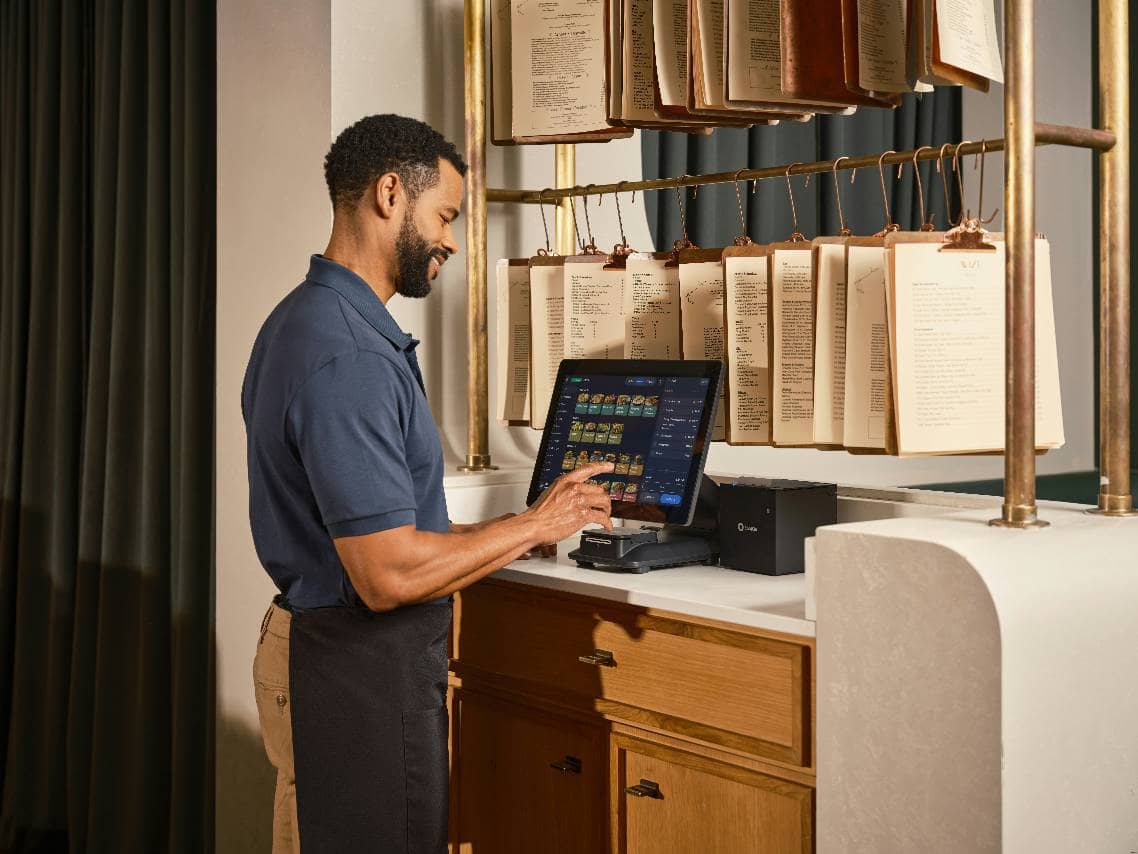
Labor is often the second-largest expense after food costs, and it's also one of the easiest to get wrong. Overstaffing during slow periods wastes payroll dollars, while understaffing during rushes hurts service quality and drives away repeat customers. Add in the complexity of overtime rules, break requirements, and shifting local labor laws, and manual scheduling quickly becomes both time-consuming and risky. Scheduling software brings structure and data into a process that's often handled reactively, using spreadsheets or gut instinct. Matching staffing to actual demand - - Historical sales and traffic data help predict busy and slow periods, so shifts are built around real demand rather than habit - Schedules can be adjusted in response to weather, local events, or seasonal patterns that affect foot traffic - Managers get a clear view of labor cost as a percentage of projected sales before a schedule is even published Reducing unnecessary payroll spend - - Overtime risk is flagged before a schedule is finalized, rather than discovered after the pay period closes - Shift swaps and time-off requests are handled through the system, cutting down on last-minute overstaffing to cover gaps - Idle labor hours during predictable lulls are easier to identify and trim Staying compliant without the guesswork - - Break requirements and minor labor laws can be built into scheduling rules, reducing the risk of costly violations - Automated time-tracking reduces manual errors in payroll calculations - Documentation is centralized, making it easier to respond if a compliance question or dispute arises By replacing manual scheduling with data-backed tools, owners can keep labor costs aligned with actual business needs - without compromising service during peak hours.
Utilities and equipment upkeep are costs many restaurant owners treat as fixed, but a large share of that spend comes from inefficiency rather than necessity - walk-in coolers left running harder than needed, kitchens heated or cooled outside of service hours, and equipment issues that go unnoticed until they cause a costly breakdown. Smart monitoring technology turns these blind spots into visible, actionable data. Cutting energy waste in real time - - Smart thermostats adjust heating and cooling based on occupancy and time of day, rather than running on a fixed schedule - Kitchen equipment sensors track energy use by appliance, making it easy to spot which units are running inefficiently - Lighting and HVAC systems can be automated to scale back during closed hours or slow periods Preventing costly equipment failures - - Temperature and performance sensors on refrigeration units can flag early signs of malfunction before food spoils or a full breakdown occurs - Predictive maintenance alerts help schedule repairs proactively, avoiding the higher cost of emergency service calls - Equipment lifespan often improves when usage and performance are monitored consistently rather than left unchecked Turning utility data into ongoing savings - - Detailed usage reports make it possible to compare consumption across days, weeks, or locations - Spikes in electricity, gas, or water use are easier to trace back to a specific piece of equipment or process - Owners gain the data needed to negotiate better utility rates or evaluate the ROI of upgrading to more efficient equipment Because utility and equipment costs accumulate quietly in the background, monitoring tools often deliver savings owners wouldn't catch through manual observation alone - turning an overlooked expense into a manageable, data-driven one.
Third-party delivery apps have made it easier for restaurants to reach new customers, but that convenience comes at a steep price - commission fees that often range from 15% to 30% per order. For restaurants that rely heavily on these platforms, those fees can quietly erode margins on orders that might otherwise be profitable. On top of that, managing phone orders and reservations manually ties up staff time that could be spent elsewhere. Direct ordering and reservation technology helps restaurants take back control of both the customer relationship and the revenue that comes with it. Reducing reliance on costly delivery platforms - - Branded online ordering systems let customers order directly through a restaurant's own website or app, avoiding third-party commissions entirely - Some platforms allow restaurants to keep using their own delivery staff or local courier services instead of paying a marketplace's delivery fee - Repeat customers can be encouraged to order direct through loyalty perks or small discounts, gradually shifting volume away from commission-based platforms Cutting down on staffing needs - - Automated online ordering reduces the number of phone calls staff need to answer during peak hours, freeing them up for in-house service - Order accuracy tends to improve when customers enter their own order details, reducing costly mistakes and remakes - Staff spend less time manually relaying orders to the kitchen, since online orders can route directly to a kitchen display or printer Minimizing lost revenue from no-shows - - Automated reservation reminders sent via text or email cut down on missed bookings - Some platforms allow deposits or card-on-file policies for larger parties, discouraging last-minute cancellations - Real-time table management makes it easier to fill last-minute cancellations with walk-ins or waitlisted guests By bringing ordering and reservations in-house, restaurants keep a larger share of every transaction and reduce the hidden costs - in both fees and labor - that come with relying entirely on third-party platforms.
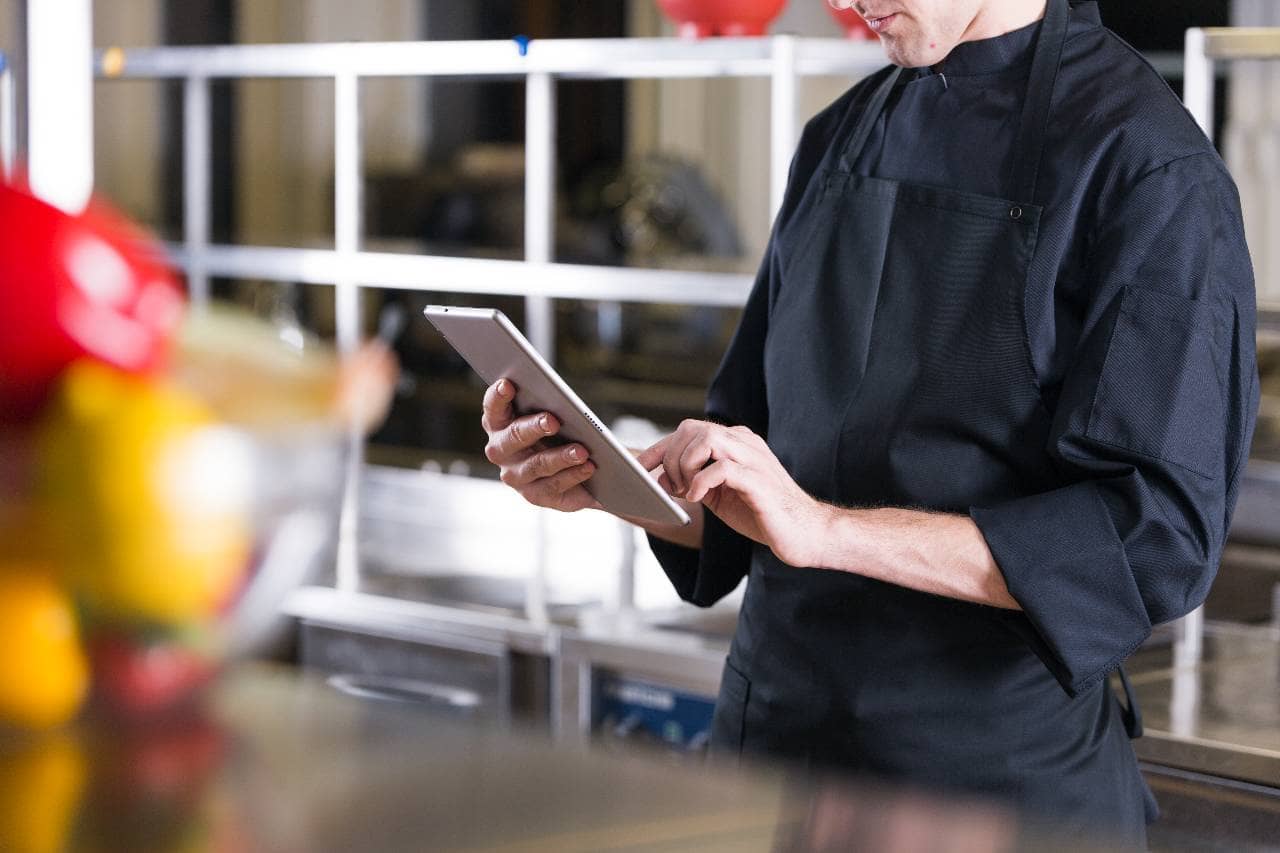
Handwritten or verbally relayed orders leave a lot of room for error - a missed modifier, an illegible note, or a ticket that gets lost in the shuffle during a busy service. Each mistake doesn't just frustrate customers; it often means remaking a dish from scratch, wasting ingredients and kitchen time in the process. Kitchen display systems (KDS) replace paper tickets with digital screens that route orders directly from the point of sale to the kitchen, cutting out the manual handoffs where errors tend to creep in. Reducing costly mistakes - - Orders and modifiers are transmitted exactly as entered, removing the risk of misread handwriting or miscommunication between front and back of house - Special requests and allergy notes are displayed clearly, lowering the chance of a remake or, worse, a safety issue - Digital timestamps make it easy to see which tickets are aging, so nothing gets forgotten during a rush Speeding up service without adding staff - - Orders appear in the kitchen the moment they're placed, cutting out the delay of a server walking a ticket back - Color-coded alerts help kitchen staff prioritize orders and keep ticket times consistent during peak hours - Faster, more accurate ticket times mean more covers can be served in the same shift without adding labor Cutting ongoing supply costs - - Eliminating paper tickets removes a small but recurring expense that adds up over time - Printer maintenance and ribbon or paper replacement costs disappear along with the paper tickets themselves - Digital order history is easier to store and reference than paper receipts, without the added cost of physical storage By minimizing the manual steps between an order being placed and it reaching the kitchen, digital ticketing systems reduce both the food waste and the labor cost that come from preventable mistakes.
Purchasing decisions are often made under time pressure - a manager placing a familiar order with a familiar supplier, without much room to compare prices or catch a costly mistake. Over time, this reactive approach to ordering can mean paying more than necessary, missing bulk discounts, or duplicating orders that should have been consolidated. Automated procurement tools bring more structure and visibility to purchasing, helping owners make more deliberate decisions instead of relying on habit. Making smarter buying decisions - - Price comparison tools show how supplier costs stack up for the same ingredient, making it easier to spot better deals - Historical pricing data reveals when a supplier's costs have crept up over time, prompting a renegotiation or a switch - Purchasing patterns become visible across weeks or months, helping owners catch inefficient buying habits they might not otherwise notice Reducing costly ordering mistakes - - Automated purchase orders reduce the risk of manual entry errors, like ordering the wrong quantity or unit size - Approval workflows help catch unusually large or unexpected orders before they're finalized - Digital records make it easy to match invoices against what was actually ordered and received, flagging discrepancies early Improving buying power - - Consolidating orders across multiple suppliers or locations can help restaurants qualify for volume-based pricing - Centralized purchasing data gives owners a stronger negotiating position when discussing rates with vendors - Standardized ordering processes make it easier to identify which suppliers consistently offer the best value By reducing the guesswork and manual effort involved in purchasing, automated procurement tools help restaurants spend more deliberately - turning a routine task into an ongoing source of savings.
Restaurants operate in a constant balancing act between preparing too much and preparing too little. Overprepping ties up money in ingredients that may spoil before they're used, while underprepping means running out of popular items during a rush - both of which hurt the bottom line in different ways. Without reliable forecasting, these decisions often come down to habit or a manager's best guess. Predictive analytics tools use historical and real-time data to help restaurants anticipate demand more accurately, reducing both types of loss. Anticipating demand more accurately - - Sales history is analyzed alongside factors like day of week, season, and past trends to predict how busy a given shift is likely to be - Weather forecasts and local events can be factored in, helping managers adjust expectations for sudden spikes or dips in traffic - Item-level forecasts show which dishes are likely to sell well on a given day, not just overall covers Reducing waste from overpreparation - - Prep quantities can be adjusted to match predicted demand instead of defaulting to a standard daily amount - Ingredients nearing expiration can be factored into forecasts, prompting menu specials or adjusted prep to use them before they spoil - Consistent, data-backed prep planning reduces the guesswork that often leads to over-ordering ingredients in the first place Avoiding lost sales from underpreparation - - Staffing levels can be aligned with predicted demand, reducing the risk of slow service during unexpected rushes - Popular items are less likely to run out during peak hours when demand is anticipated in advance - Better forecasting supports smarter par levels, ensuring key ingredients are on hand when they're needed most By replacing guesswork with data-driven predictions, forecasting tools help restaurants prepare just enough - minimizing waste without leaving money on the table from missed sales.
Front-of-house labor is one of the more difficult costs to scale efficiently, since staffing needs to account for peak rushes even though demand fluctuates throughout the day. Taking orders, processing payments, and answering routine questions all take staff time that could often be handled just as easily - and sometimes more accurately - through self-service technology. Self-service kiosks and tablet ordering systems let customers take on part of the ordering process themselves, freeing staff to focus on tasks that actually require a human touch. Lowering front-of-house labor needs - - Customers can place and customize their own orders without needing a staff member to take them down - Payment processing happens directly at the kiosk or tablet, reducing the time staff spend running cards or making change - Fewer staff are needed to manage order-taking during peak hours, helping control labor costs without sacrificing speed Increasing revenue per order - - Digital menus can prompt upsells and add-ons consistently, something that's harder to enforce with verbal ordering - Visual menu displays often encourage customers to explore combos or higher-margin items they might not have asked about otherwise - Order customization is easier for customers to manage themselves, often leading to larger average order sizes Reallocating staff to higher-value work - - Freed-up time can go toward food quality checks, table service, or maintaining a cleaner dining area - Staff can focus more attention on customers who need extra assistance, improving service where it matters most - Reducing repetitive, low-value tasks can also help with staff retention, since employees spend more time on engaging work Rather than replacing staff entirely, self-service tools shift routine tasks away from the team, helping restaurants control labor costs while maintaining - or even improving - the customer experience.
Back-office work rarely gets the same attention as what happens in the kitchen or dining room, but manual bookkeeping, payroll processing, and tax preparation quietly consume hours of management time every week - hours that could otherwise go toward running the business. Beyond the time cost, manual processes also leave more room for costly errors, from miscalculated payroll to missed tax deadlines. Cloud-based accounting and payroll software automates much of this administrative burden, giving owners more time and more accurate financial data to work with. Reducing time spent on manual bookkeeping - - Sales, expenses, and payroll data sync automatically from POS and scheduling systems, cutting down on manual data entry - Recurring tasks like invoice tracking and expense categorization can run with minimal oversight - Financial records stay organized and up to date, reducing the scramble that often happens at month-end or tax time Minimizing costly payroll and tax errors - - Payroll calculations, including overtime and tax withholdings, are handled automatically based on hours worked - Tax filings can be generated and submitted with less manual intervention, reducing the risk of missed deadlines or penalties - Automated systems are less prone to the small calculation errors that add up when payroll is handled by hand Improving financial visibility - - Real-time dashboards give owners an up-to-date view of cash flow, rather than relying on numbers that are weeks old - Cost trends across labor, food, and overhead become easier to track and compare over time - Better visibility into finances supports faster, more informed decisions about spending, staffing, or menu pricing By automating the administrative side of the business, owners spend less time buried in spreadsheets and more time acting on accurate, real-time financial data - turning back-office efficiency into a meaningful cost saver in its own right.
