How to Forecast Restaurant Revenue and Expenses
Understand how to forecast restaurant revenue and expenses with methods for sales projection, cost scaling, fixed-cost planning, and risk buffering.
Accounting
Sep 18, 2026
Understand how to forecast restaurant revenue and expenses with methods for sales projection, cost scaling, fixed-cost planning, and risk buffering.
Sep 18, 2026

Restaurant owners can significantly reduce restaurant costs by leveraging technology across inventory, labor, procurement, forecasting, and administrative operations for better profit margins.
Sep 18, 2026

everbowl names Anna Gabele Brand President and Natalie Trzcinski COO, pulling both from Jack in the Box to guide its next growth phase.
Sep 18, 2026

Mountain Mike's Pizza hires Jack in the Box veteran Sheena Dougher as CMO to drive national growth while preserving its regional brand identity.
Sep 17, 2026

From fixed costs to contribution margin, learn exactly how to calculate your restaurant's break even point with confidence.
Sep 16, 2026

DoorDash pays $425M for Wonder's campus dining platform and a stake in Wonder, betting on robotic kitchens and institutional foodservice growth.
Sep 16, 2026
Discover the most common reasons restaurants fail, including inconsistent food quality and pricing mistakes, plus practical ways to avoid them.
Sep 16, 2026
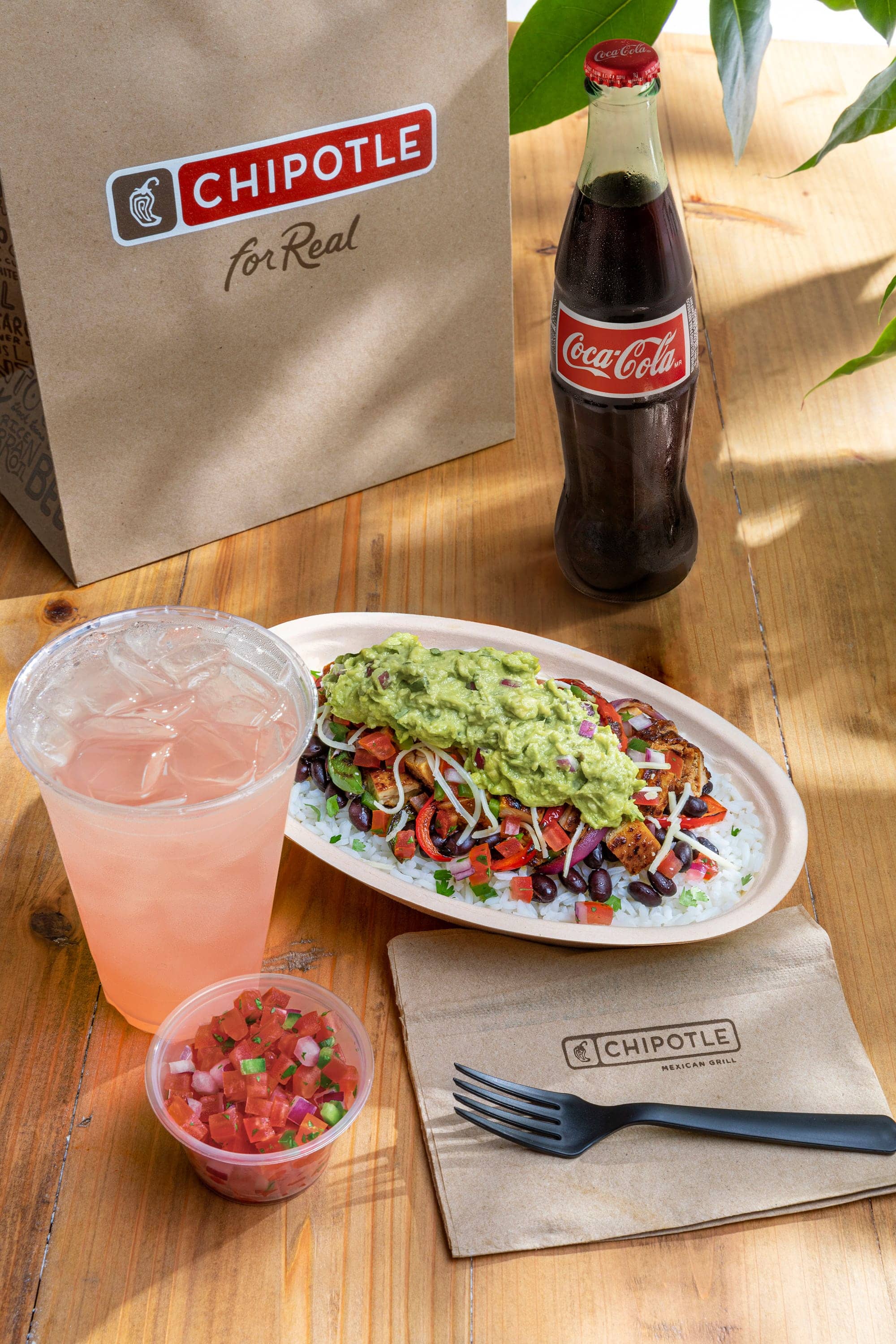
Chipotle names former KFC global CEO Sabir Sami to its board as the chain expands into Mexico, Saudi Arabia, and South Korea.
Sep 15, 2026

LeBron James joins Mike's Red Tacos as an investor, backing the birria chain led by Blaze Pizza and Dave's Hot Chicken veteran Bill Phelps.
Sep 15, 2026

Practical payroll compliance checklist for restaurant owners covering wage rules, tips, overtime, taxes, deductions, and recordkeeping to reduce legal risk.
Sep 14, 2026

Unlock Exclusive Access To Webinars, Events, And The Latest News For Free!
Utilizing technology solutions and data analysis to improve Supply Chain Management In Food Industry will prevent illness, streamline supply chain processes, and increase customer satisfaction. Here are the top 3 practices to utilize.
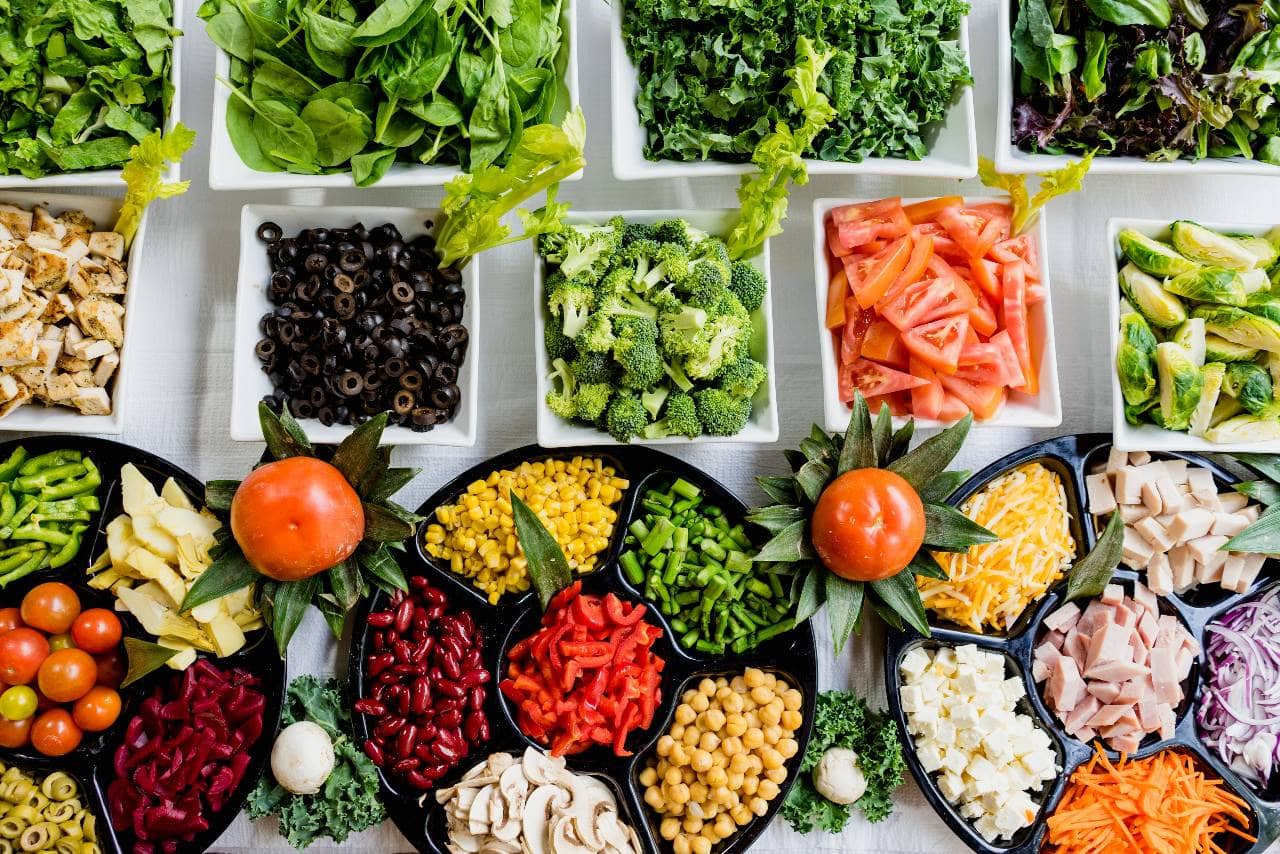
The supply chain has grown more complicated due to globalization, the coronavirus, and an increase in consumer demand for traceability. Managing a worldwide operation from one location can be nearly impossible without an optimized technology solution and policies in place to improve communication among participants. Thankfully, modern society has provided options for restaurants and grocers who aren't sure how to comply with growing regulations and an increasingly fragmented global chain. Improving collaboration and implementing health-based programs with suppliers can also help grocers and restaurants optimize supply chain management.
Supply chain management refers to the tracking, streamlining, and monitoring of all of the processes that transform food on a farm to a product eaten by consumers. As the food industry continues to evolve due to an increase in regulations, globalization, and COVID-19, efficient supply chain management has become more essential. Consumers are more invested in knowing the details regarding the quality and safety of their food items. Sustainability is also a growing concern among governments, consumers, and interest groups. To satisfy these customers and meet sustainability requirements, restaurants and grocers have no choice but to improve their management of the supply chain. Proper supply chain management ensures quality food arrives safely for the right people at the right time. It also helps pinpoint foodborne illnesses, contamination, and potential outbreaks before they ever reach the consumer. Furthermore, a streamlined supply chain depends on collaboration and communication among all participants. Food needs to be packaged properly, in a sterile environment and stored at the correct temperature to prevent spoilage. Utilizing technology systems to optimize tracking and manage quality control during logistics has helped to improve supply chain management, but operators still need to take more ownership of the process. Here are the top 3 best practices for improving supply chain management in the food industry-
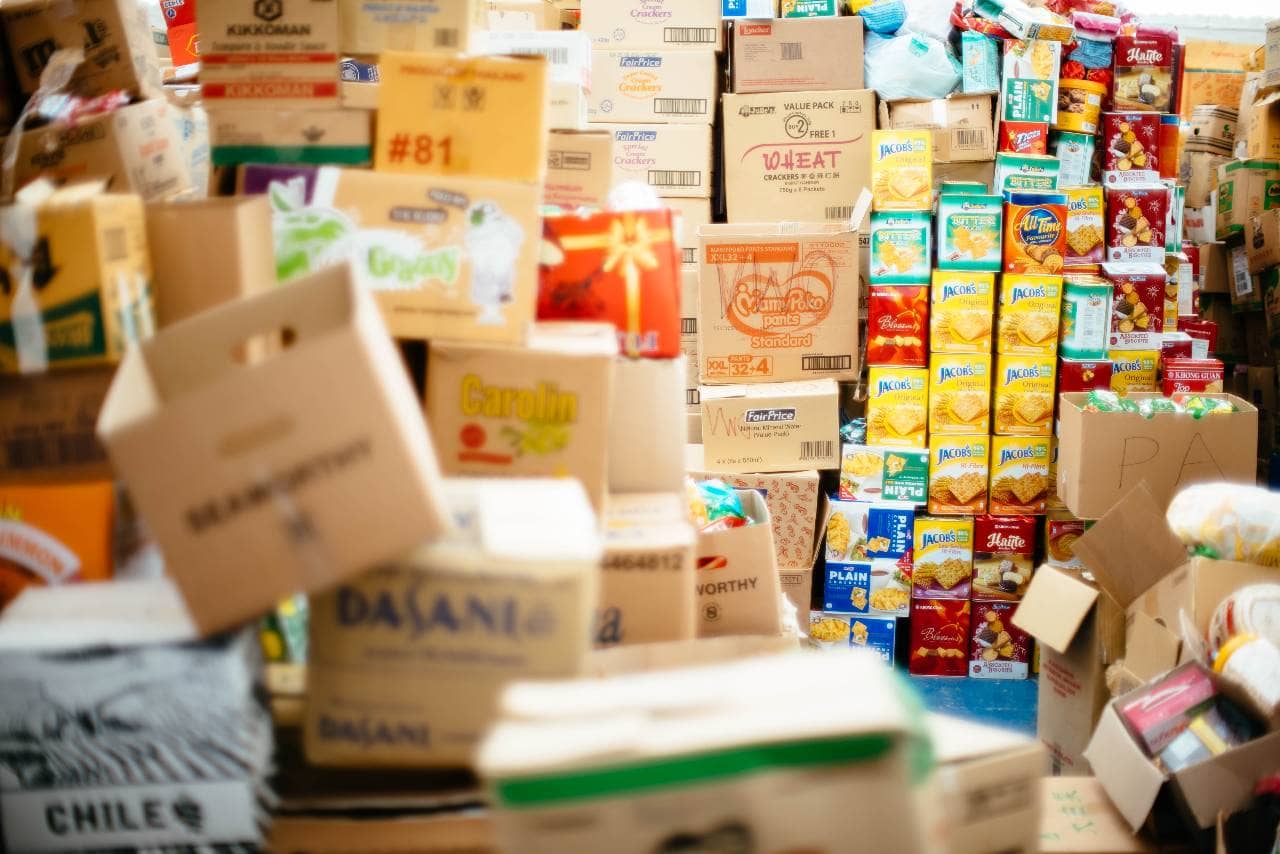
1. Improve Demand Forecasts Predicting future consumer demand can help optimize inventory management, particularly when it comes to re-ordering. Streamlining the re-ordering process based on collected data that shows past demand and sales can help to know how much to order in the future. However, utilizing past data to predict future demand isn't always entirely accurate due to-
In conclusion, here are the key takeaways to remember about supply chain management in the food industry-