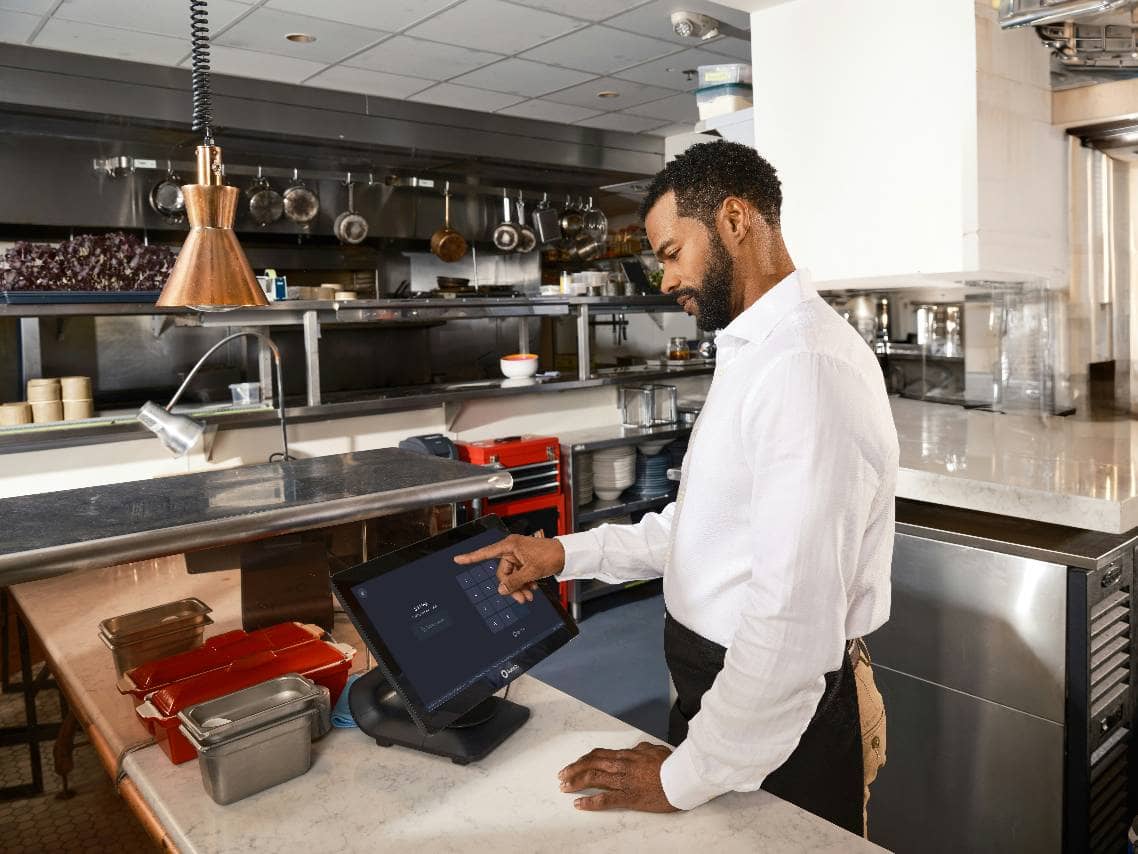
The Benefits of Scheduling Software for Restaurants
Scheduling software helps restaurants save time, control labor costs, improve communication, prevent conflicts, support compliance, and make smarter staffing decisions.
Technology
Aug 5, 2026
Scheduling software helps restaurants save time, control labor costs, improve communication, prevent conflicts, support compliance, and make smarter staffing decisions.
Aug 5, 2026
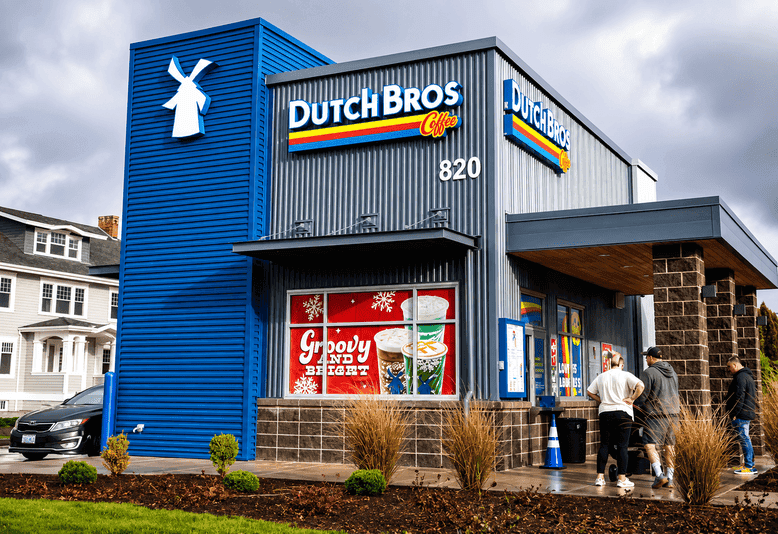
Dutch Bros invests $105 million to acquire Salad and Go’s closed locations, targeting rapid expansion in key southern markets. Learn what this means for multi-unit restaurant owners and operators.
Aug 6, 2026
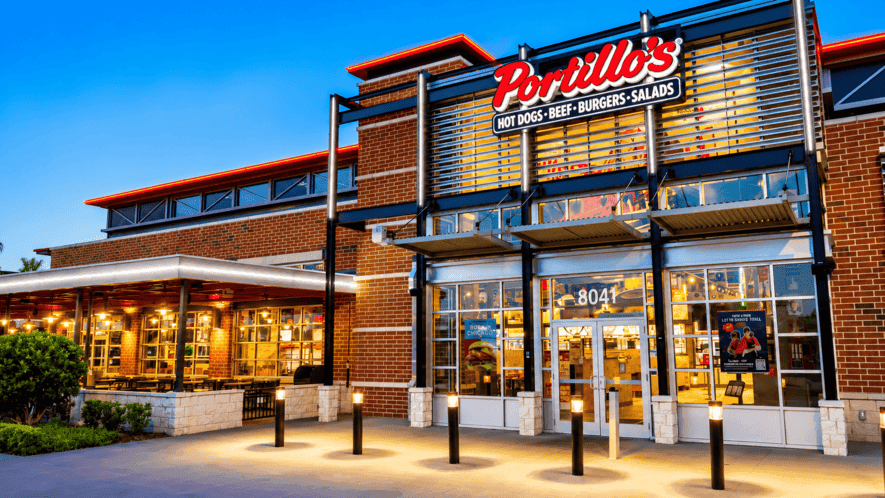
Portillo’s trims corporate and field roles by 18% in a strategic shake-up to support future growth after soft traffic and sales. Read what this means for multi-unit operators.
Aug 6, 2026

Portillo’s announces industry veteran Kevin Kalicak as its new CFO and Treasurer, underscoring the brand’s growth strategy and financial vision.
Aug 5, 2026
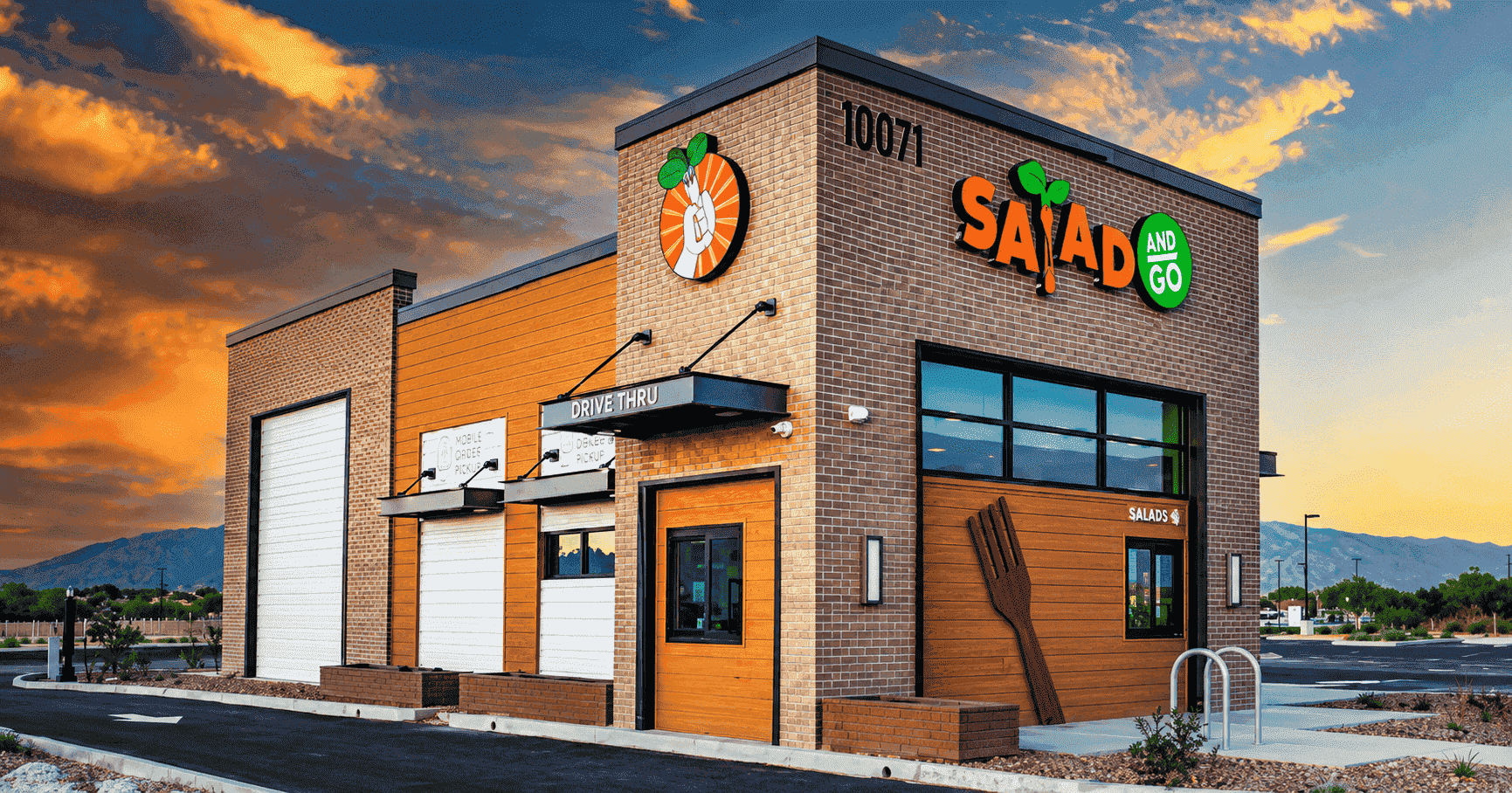
Salad and Go's bankruptcy and closure offer key lessons on growth, risk management, and market dynamics for restaurant leaders. See what every operator can learn.
Aug 5, 2026

Learn how to calculate prime cost, track food and labor expenses, measure percentages, identify problems, and improve restaurant profitability consistently.
Aug 5, 2026
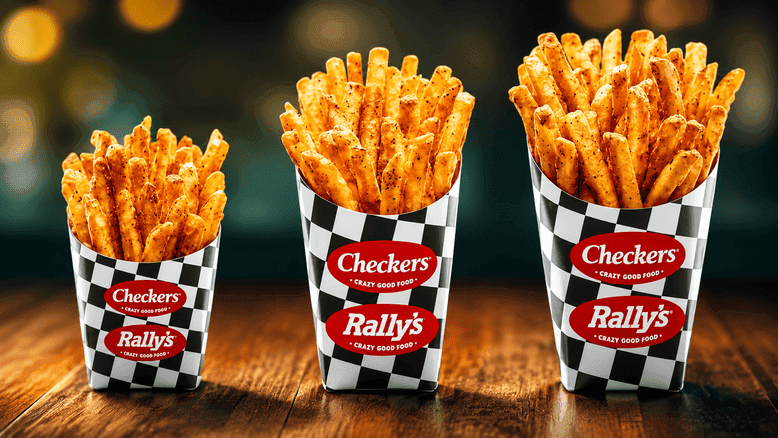
Checkers & Rally’s welcomes Peter Busse as Chief Development Officer, signaling a new era of strategic expansion and franchise support for the quick-service brand.
Aug 4, 2026
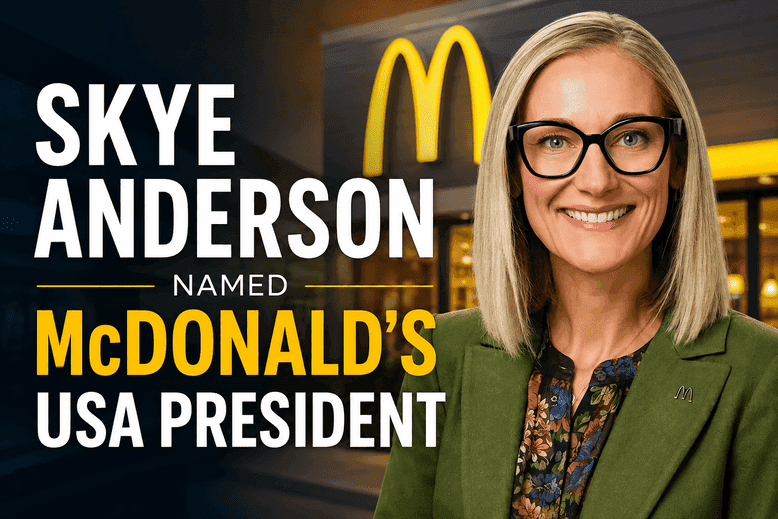
Skye Anderson will lead McDonald's USA as its new president, stepping in to accelerate growth and revive sales. Learn how her leadership could shape the future of the restaurant industry.
Aug 4, 2026
Dave & Buster’s announces Tarun Lal’s retirement as CEO, welcoming Darin Harper to the helm as the brand continues its Back-to-Basics strategy and growth initiatives.
Aug 4, 2026
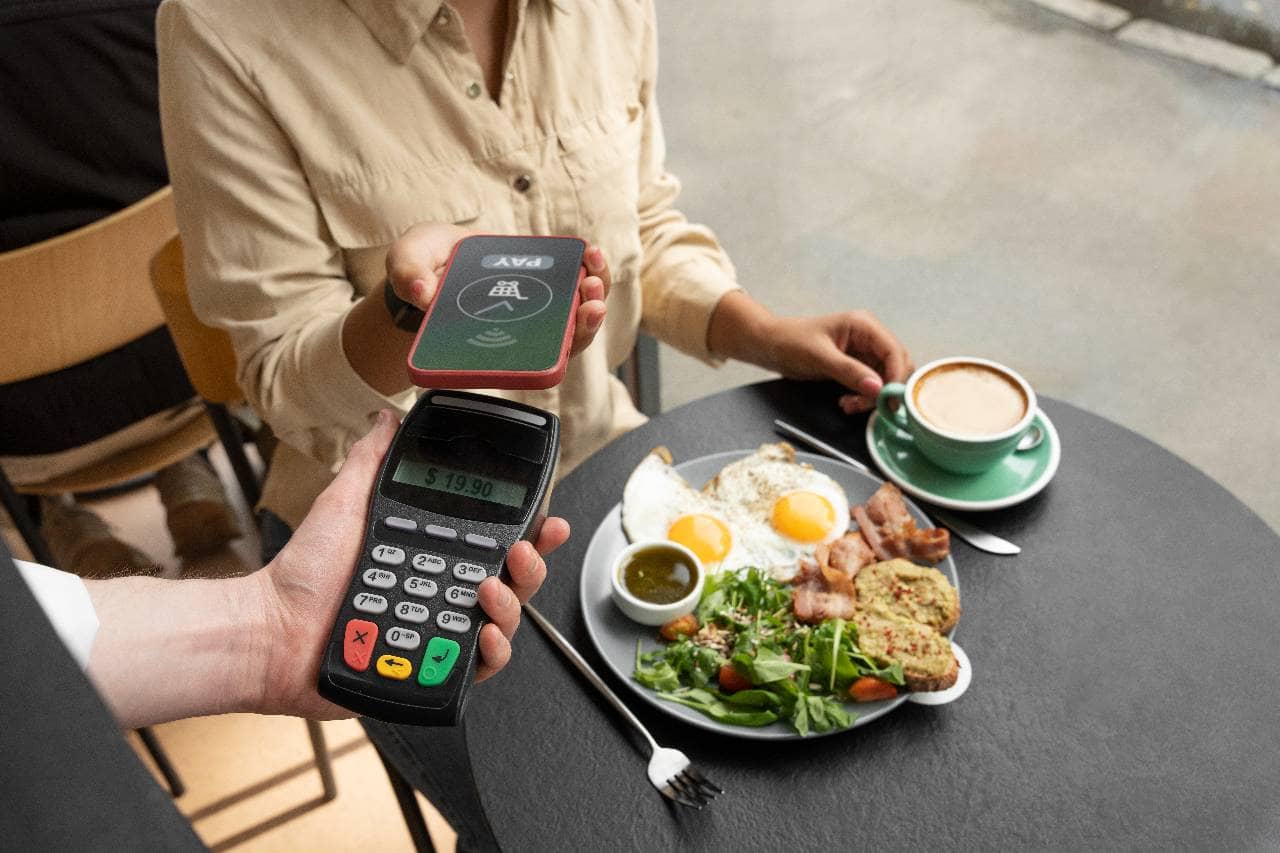
Explore restaurant payment processing and learn how payments are authorized, settled, secured, reconciled, refunded, disputed, and deposited into business accounts.
Aug 3, 2026
By learning the Causes And Prevention Of Food Spoilage, restaurants can minimize their food waste, improving efficiency and profitability.
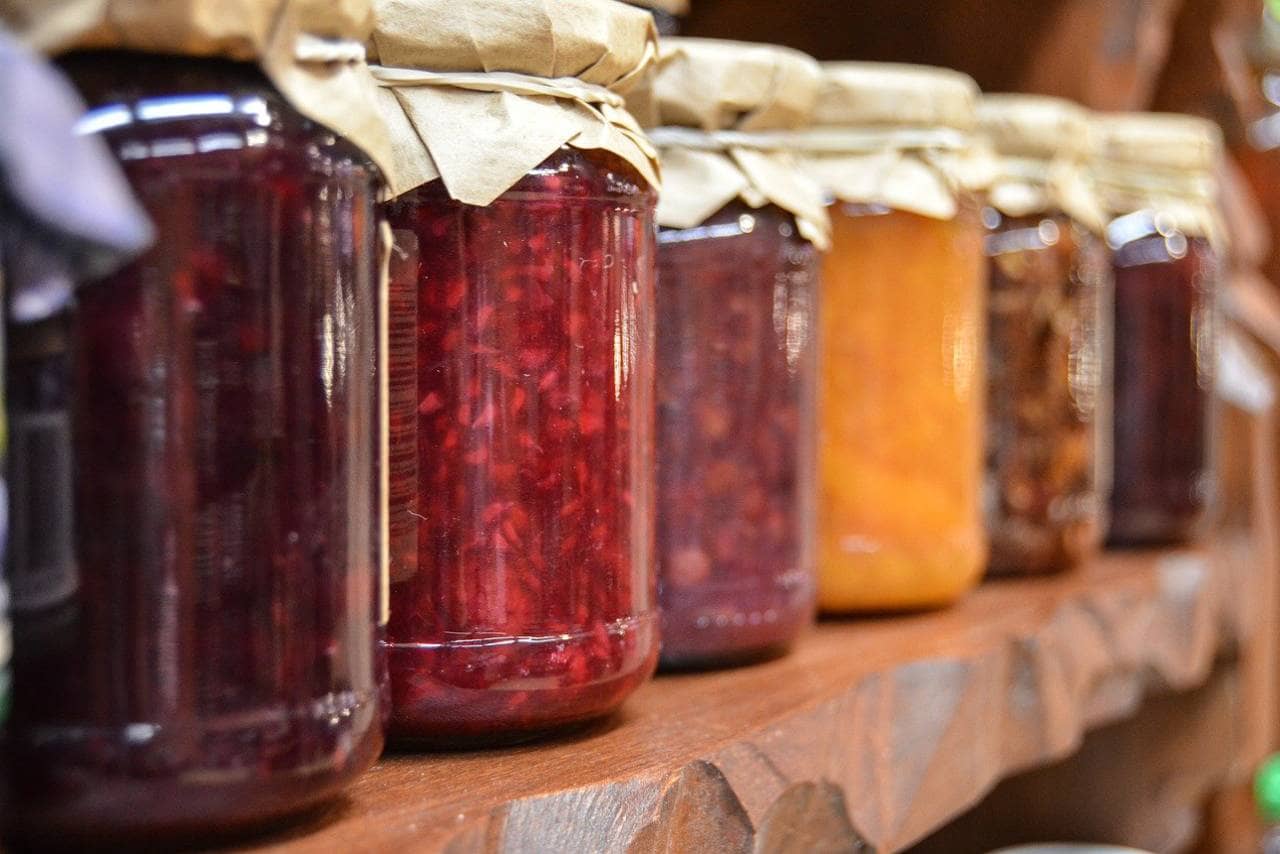
Since inventory is among the biggest expenses for restaurants, businesses should take the necessary precautions to reduce food waste. Although most foods have expiration dates, restaurants can extend the shelf-life by improving storage and ordering techniques. Therefore, restaurants should understand the common causes and prevention practices of food spoilage to save on food costs.
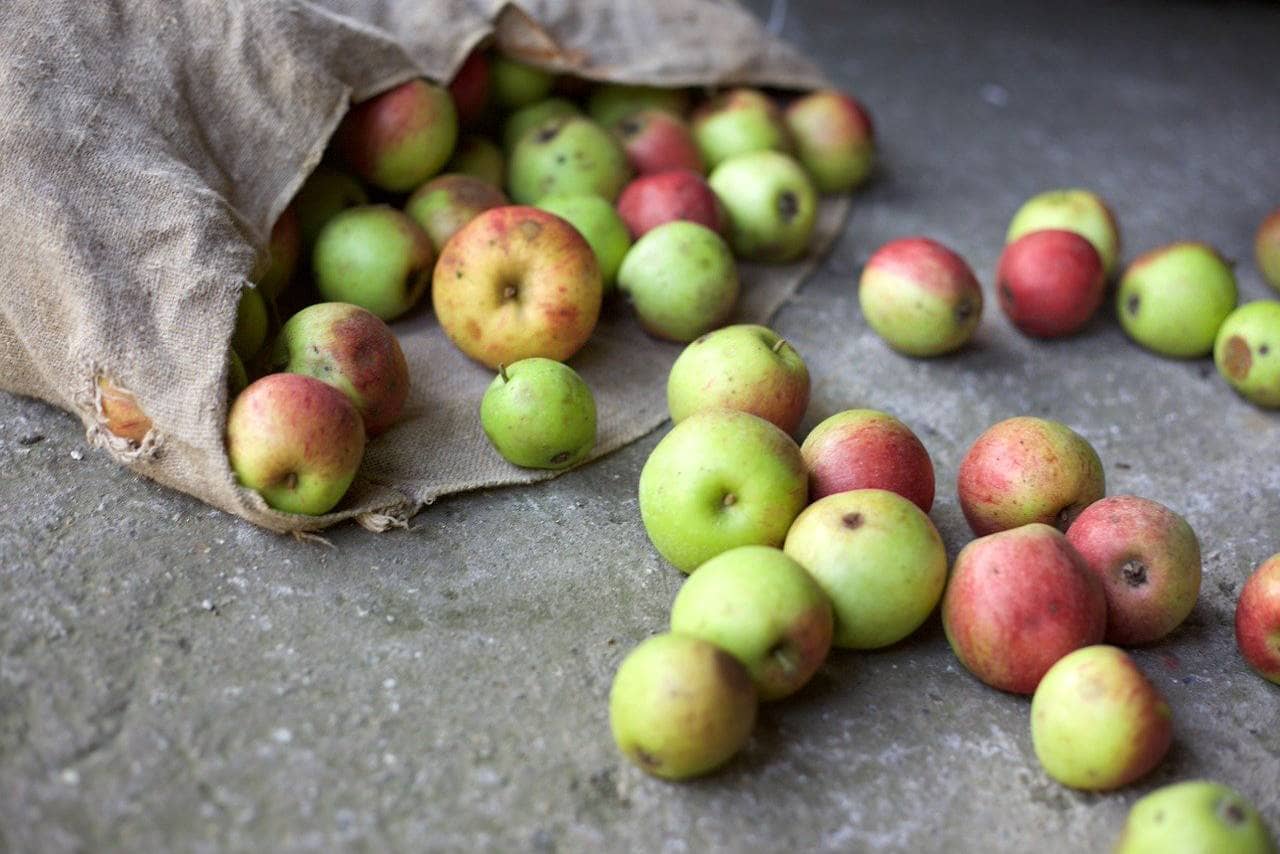
Food spoilage means an ingredient is no longer consumable because its nutritional value, flavor, or texture does not meet quality standards. Perishable goods, such as dairy products, bread, and meats, have shorter shelf life than canned foods. However, all types of food can spoil as a result of-

Natural food decay can result from one or multiple factors, including-

Microorganism, or microbial, spoilage can result in severe foodborne illnesses, also known as food poisoning. The three primary causes of microbial spoilage include-
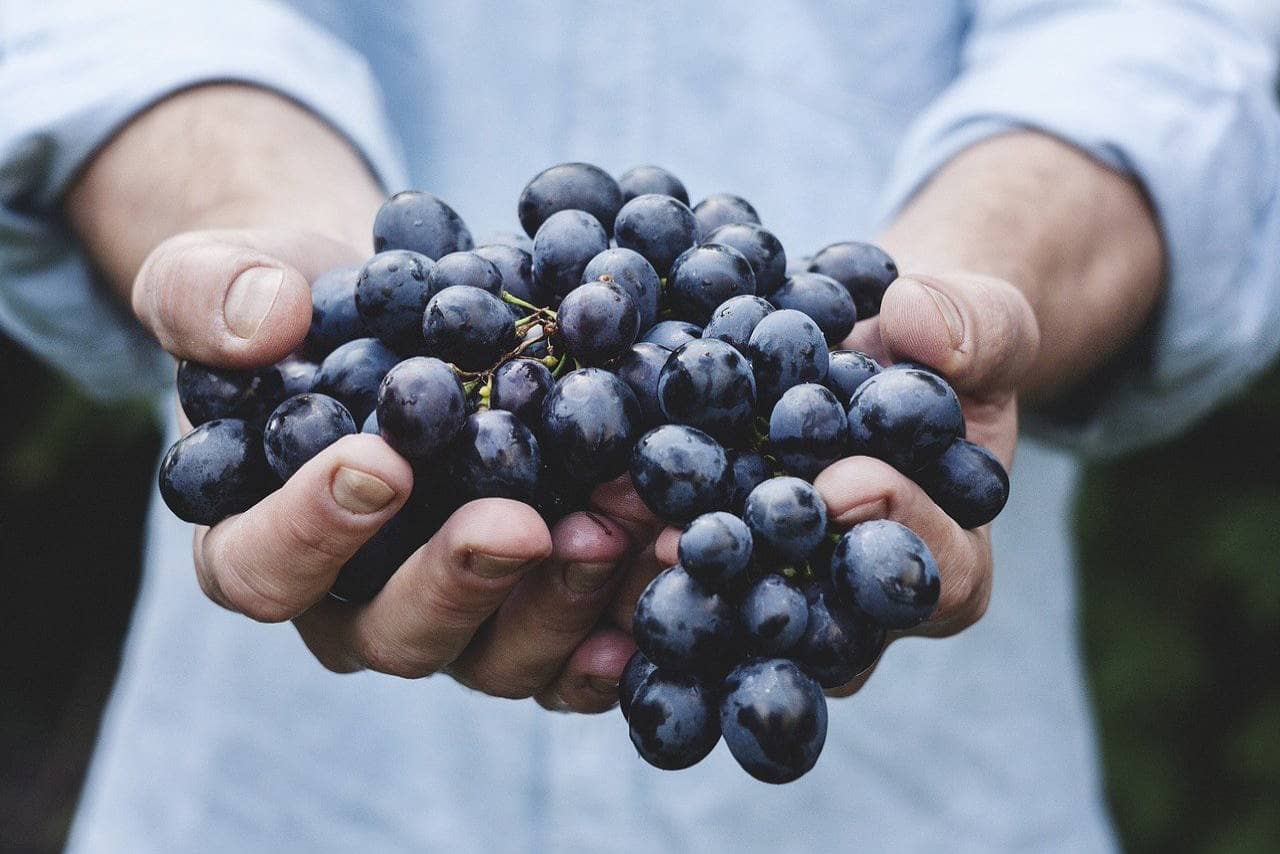
Usually, food spoilage is easily detected through taste, smell, touch, and sight. For example, spoiled vegetables will give off a foul odor, become soft, and turn brown. Spoilage occurs from natural decay due to bacterial growth, which slowly breaks down the food. Sometimes the growth is apparent on the surface, causing discoloration and a slimy substance. Foods that experience soft rot become mushy as a byproduct of enzymatic deterioration. While natural decay can only be elongated and not prevented, restaurants can slow the spread of bacteria through proper storage. Aside from keeping food and beverages at optimal temperatures until preparation, leftovers should be sealed in air-tight containers and kept in cool storage. Restaurants can also practice dehydration and canning to further reduce food spoilage.
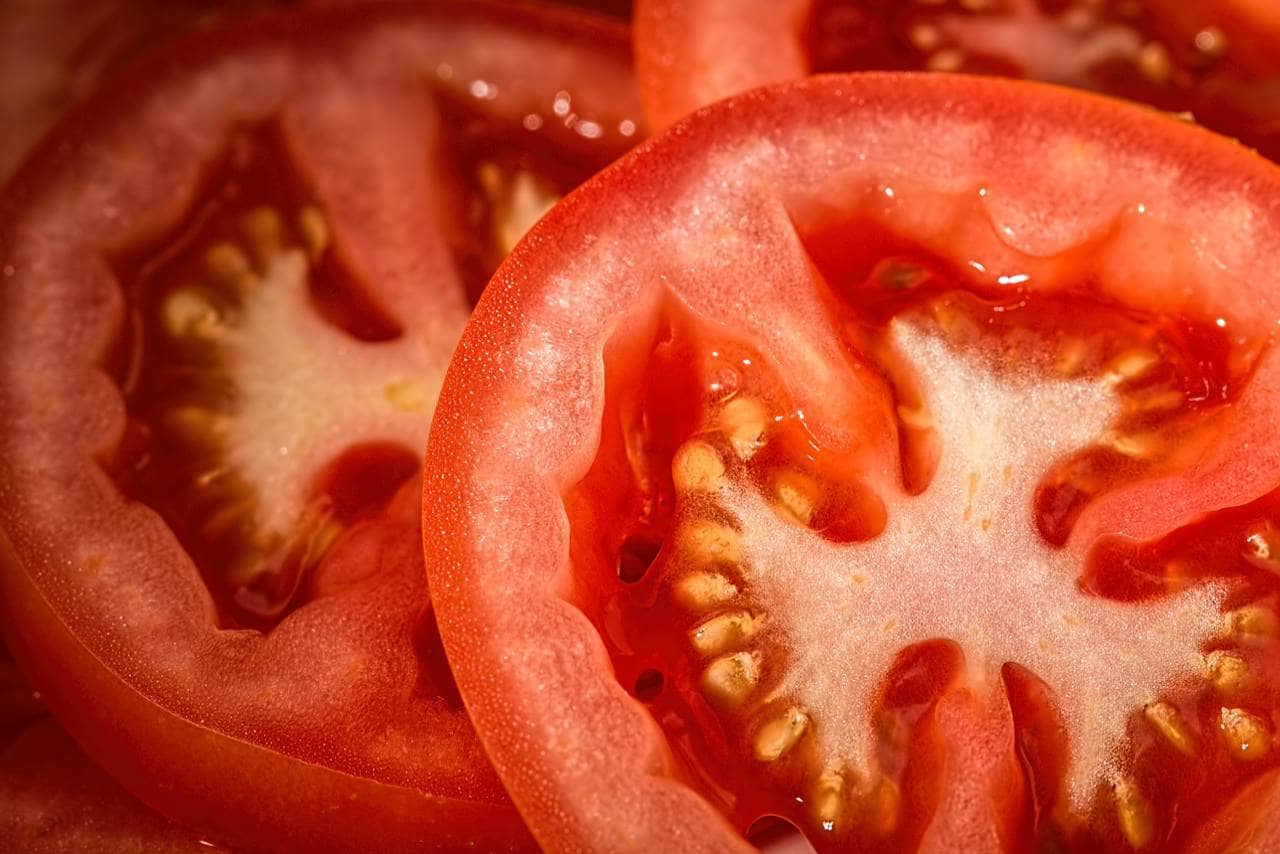
The National Restaurant Association reported that 4 to 10% of food is wasted before it even reaches the consumer. This means that restaurants have a significant margin of food waste that they can work on reducing. The most common causes of food waste in the restaurant industry include-
Without proper inventory management, restaurants can overstock products, resulting in excessive food waste. To prevent overordering, businesses should implement inventory tracking software to monitor ingredient usage. This enables managers to finetune their ordering strategies to save money on purchase orders and minimize food spoilage.
Even while maintaining healthy stock levels, restaurants can experience food spoilage if they do not practice the proper precautions. Managers should inspect deliveries before signing off to ensure that food isn't damaged or already expired. Restaurants can also use the first in, first out (FIFO) method to ensure the oldest ingredients are used before the newest to avoid spoilage.

Overproduction is another significant source of food waste. If cooks overestimate the demand for specific dishes, prepared food can only be saved for so long before it must be discarded. Therefore, owners should review reports from their inventory systems to determine customer demand and sales trends.
Whether a server forgets to note a customer's allergy or the chef misreads the order ticket, mistakes can drastically impact food waste. Restaurants should establish a standard method for taking, submitting, and interpreting orders to minimize these occurrences.
If bussers notice large amounts of untouched food leftover on customers' plates, the restaurant's portions may be too large. By practicing portion control, restaurants can maximize their inventory budget without sacrificing food quality. Therefore, businesses should standardize portions for each dish to limit leftovers.