
The Ultimate Guide to Restaurant Labor Management
Restaurant labor management helps owners optimize staffing, control labor costs, improve productivity, monitor overtime, and maintain efficient restaurant operations.
Back Office
Sep 2, 2026
Restaurant labor management helps owners optimize staffing, control labor costs, improve productivity, monitor overtime, and maintain efficient restaurant operations.
Sep 2, 2026
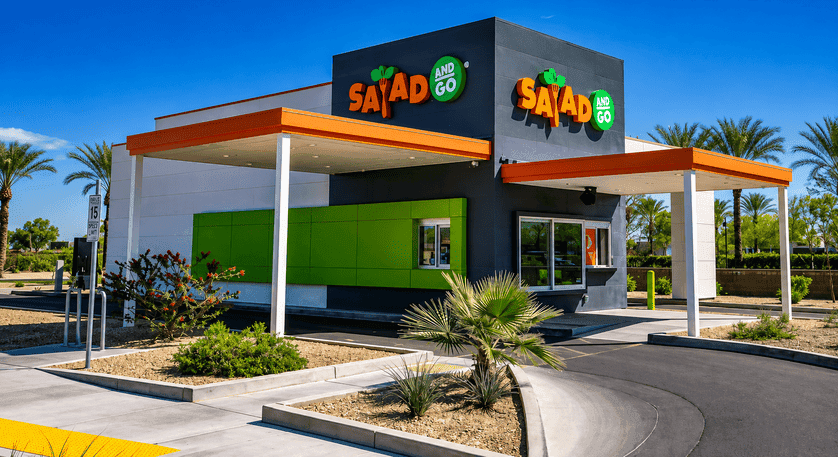
7 Brew has acquired 73 former Salad and Go locations, surpassing Dutch Bros with a $143M bid, signaling a major shift in the competitive landscape for drive-thru brands.
Sep 2, 2026
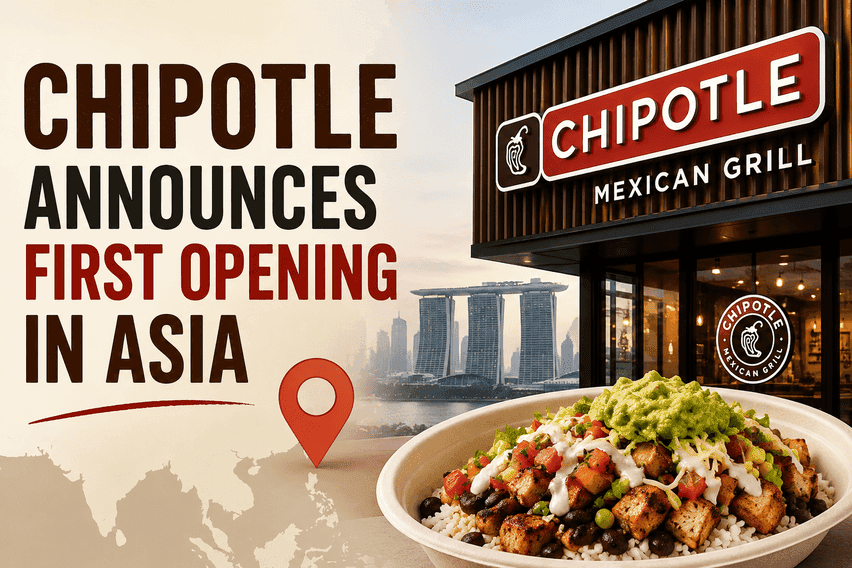
Chipotle makes its highly anticipated entry into Asia with a Seoul opening, partnering with Sangmidang Holdings and setting a template for future international growth.
Sep 2, 2026
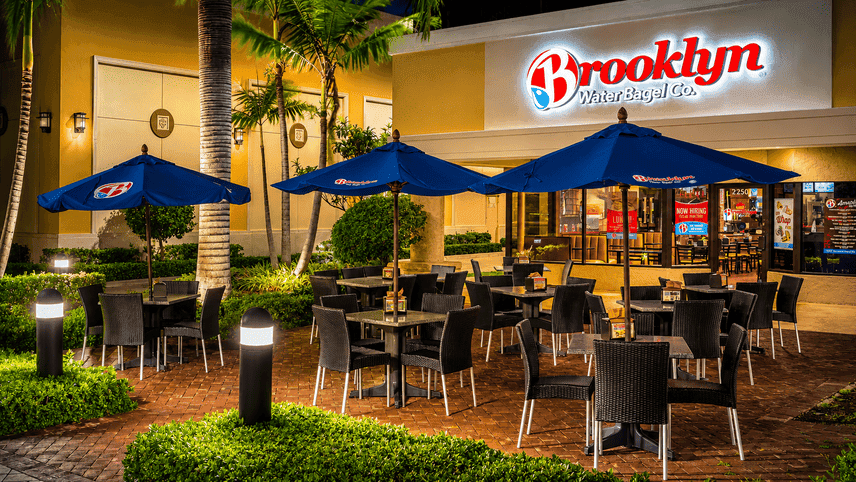
Brooklyn Water Bagel launches its first campus eatery at Nova Southeastern, signaling strategic growth and fresh potential for multi-unit operators seeking new market wins.
Sep 2, 2026
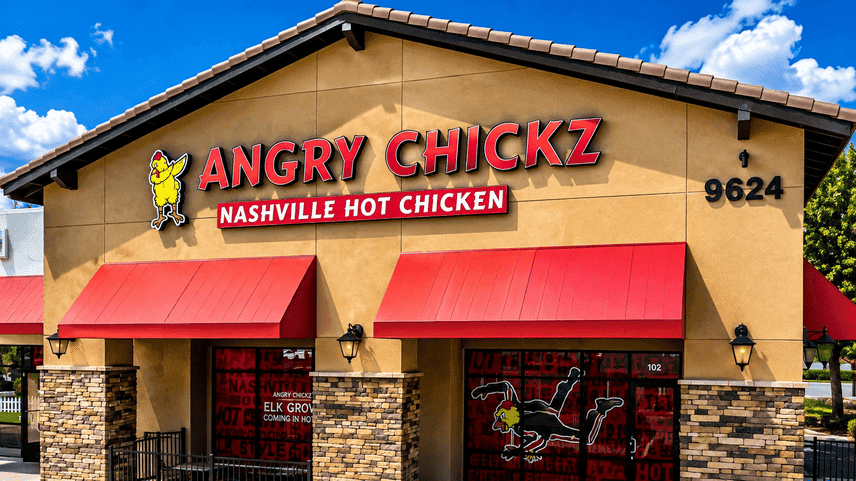
Angry Chickz enters Illinois with its signature hot chicken concept and ambitious plans for Midwest expansion, setting the stage for new franchise opportunities and community engagement.
Sep 2, 2026
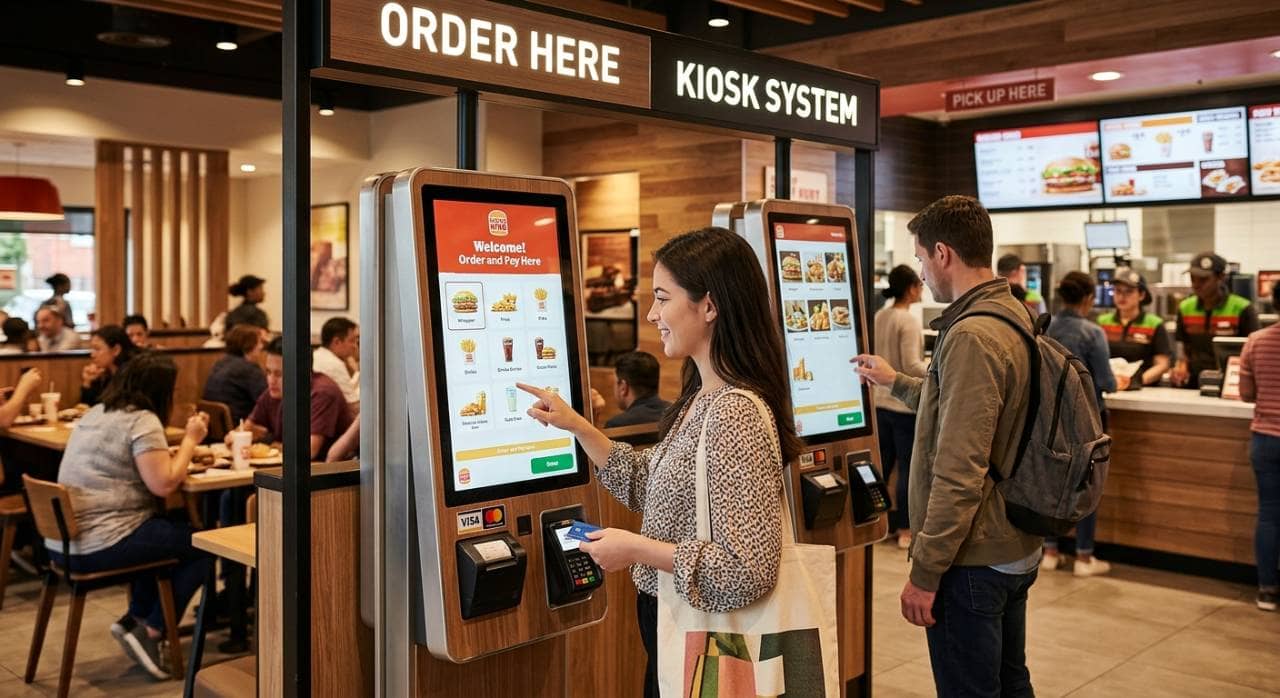
Understand how to evaluate a Kiosk system using key criteria including features, POS integration, hardware, pricing, customer experience, and support.
Aug 31, 2026

Explore restaurant technology trends in 2026, including AI, automation, digital ordering, workforce tools, connected kitchens, personalization, and profitability strategies today.
Aug 28, 2026

Learn how to calculate restaurant cost of goods using inventory, purchases, COGS percentage, variance reviews, and regular tracking for profitability.
Aug 31, 2026

Learn the startup costs of opening an ice cream shop, including rent, equipment, renovations, permits, inventory, labor, marketing, and reserves.
Aug 28, 2026

A restaurant P&L statement reveals sales, expenses, and profits, helping owners manage costs, improve margins, and plan finances more effectively.
Aug 26, 2026

Unlock Exclusive Access To Webinars, Events, And The Latest News For Free!
Explore the implications of recent tax code changes on restaurant operations, focusing on service charges, gratuity-based income, and potential effects on minimum wage and economic growth.

Photo by Alexander London
The differentiation between service charges and tips has been a contentious issue in the restaurant industry. While tips are generally considered voluntary payments made by customers to service staff, service charges are often automatically added to the bill by the establishment. Recent tax code changes have brought this demarcation into focus, with debates arising on the fairness of excluding service charges from certain tax exemptions.
Erika Polmar's assertion regarding the impact of not counting service charges on line cooks, dishwashers, porters, and prep staff sheds light on the potential disparities created by the new tax provisions. In many cases, these behind-the-scenes workers are vital to the functioning of independent restaurants, yet they may not receive the same tax relief as front-of-house staff who rely heavily on tips for income.
The warning issued by the IRC about employers incentivizing tip prompting and worker reclassification to evade minimum wage requirements underscores the complexity of the new tax laws. By potentially shifting the burden of compensation onto customer gratuities, there is a fear that some workers may face reduced wages or altered employment classifications.
The broader economic impact of the tax code modifications cannot be ignored. With the enforcement expansion and potential rise in deportations of undocumented workers, industries like restaurants could witness a significant disruption in their workforce. This shift might not only affect operational efficiency but could also have repercussions on economic growth, as highlighted by the Economic Policy Institute.
The ongoing legislative process in the House of Representatives offers a window for potential revisions that could address some of the concerns raised by industry stakeholders. Restaurant operators may need to strategize and adapt to mitigate the possible adverse effects of the tax code changes. This could involve reevaluating business models, employee compensation structures, and compliance mechanisms to navigate the evolving regulatory landscape.