The Ultimate Guide to Restaurant Labor Management
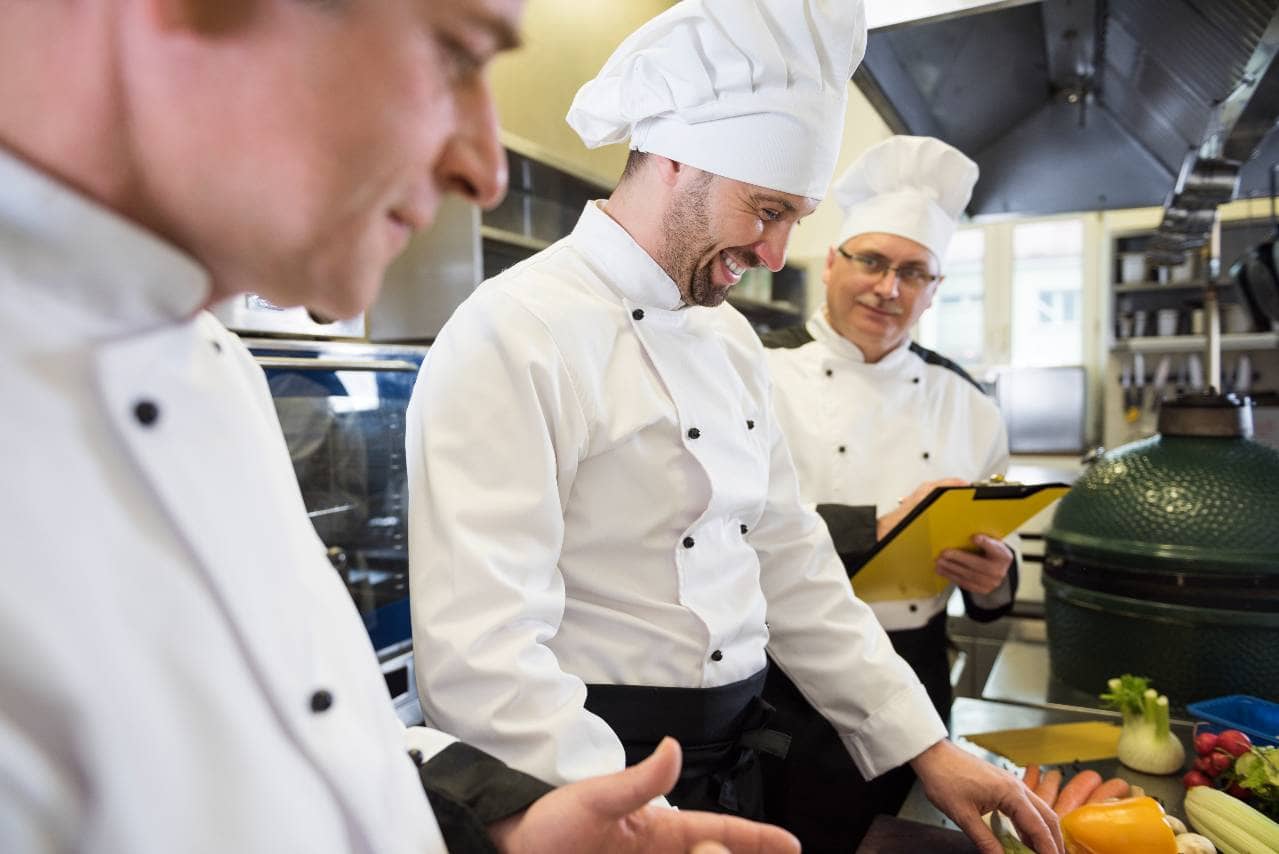
Restaurant labor management helps owners optimize staffing, control labor costs, improve productivity, monitor overtime, and maintain efficient restaurant operations.
Back Office
Sep 2, 2026
Restaurant labor management helps owners optimize staffing, control labor costs, improve productivity, monitor overtime, and maintain efficient restaurant operations.
Sep 2, 2026
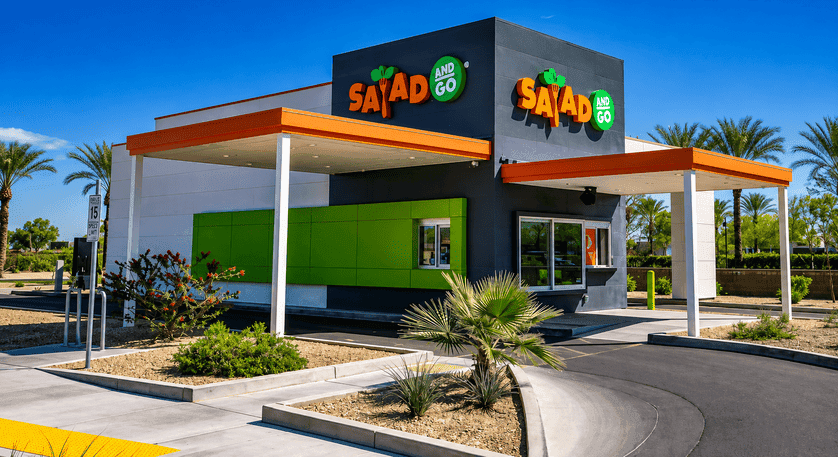
7 Brew has acquired 73 former Salad and Go locations, surpassing Dutch Bros with a $143M bid, signaling a major shift in the competitive landscape for drive-thru brands.
Sep 2, 2026
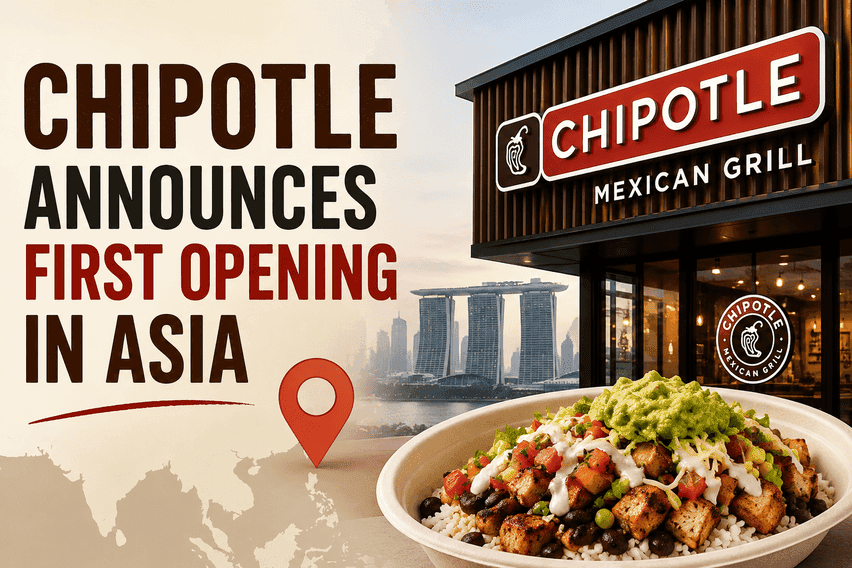
Chipotle makes its highly anticipated entry into Asia with a Seoul opening, partnering with Sangmidang Holdings and setting a template for future international growth.
Sep 2, 2026
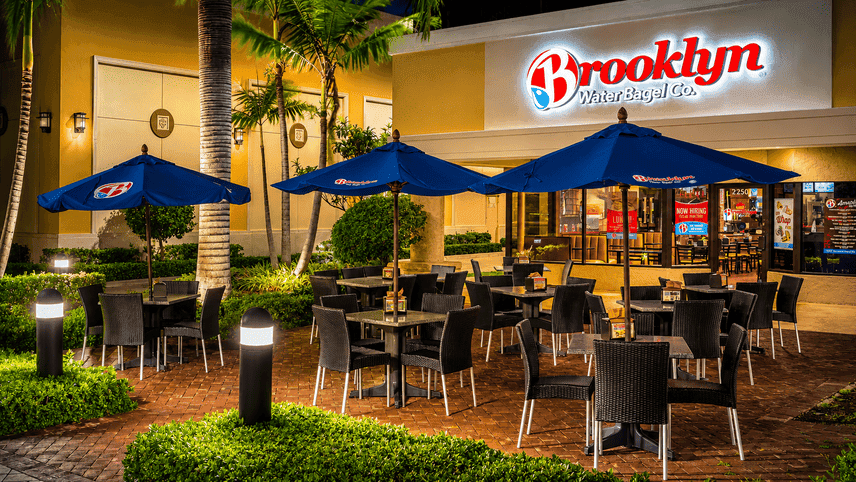
Brooklyn Water Bagel launches its first campus eatery at Nova Southeastern, signaling strategic growth and fresh potential for multi-unit operators seeking new market wins.
Sep 2, 2026
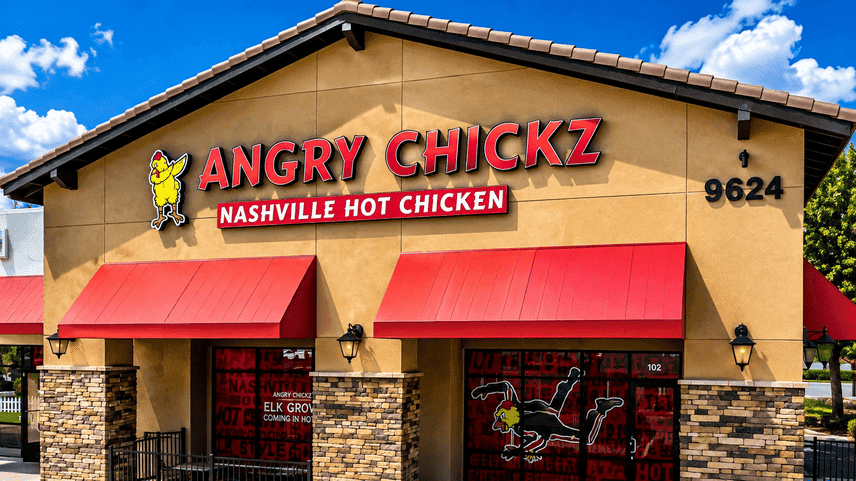
Angry Chickz enters Illinois with its signature hot chicken concept and ambitious plans for Midwest expansion, setting the stage for new franchise opportunities and community engagement.
Sep 2, 2026
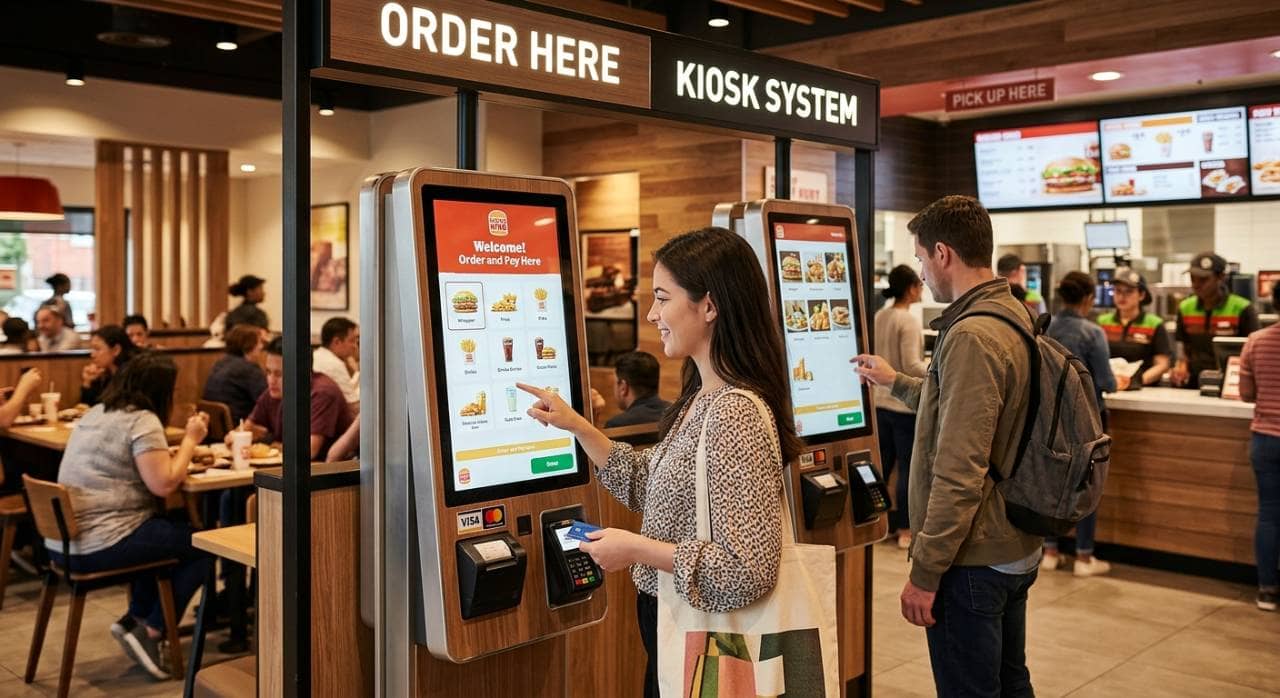
Understand how to evaluate a Kiosk system using key criteria including features, POS integration, hardware, pricing, customer experience, and support.
Aug 31, 2026
Explore restaurant technology trends in 2026, including AI, automation, digital ordering, workforce tools, connected kitchens, personalization, and profitability strategies today.
Aug 28, 2026
Learn how to calculate restaurant cost of goods using inventory, purchases, COGS percentage, variance reviews, and regular tracking for profitability.
Aug 31, 2026
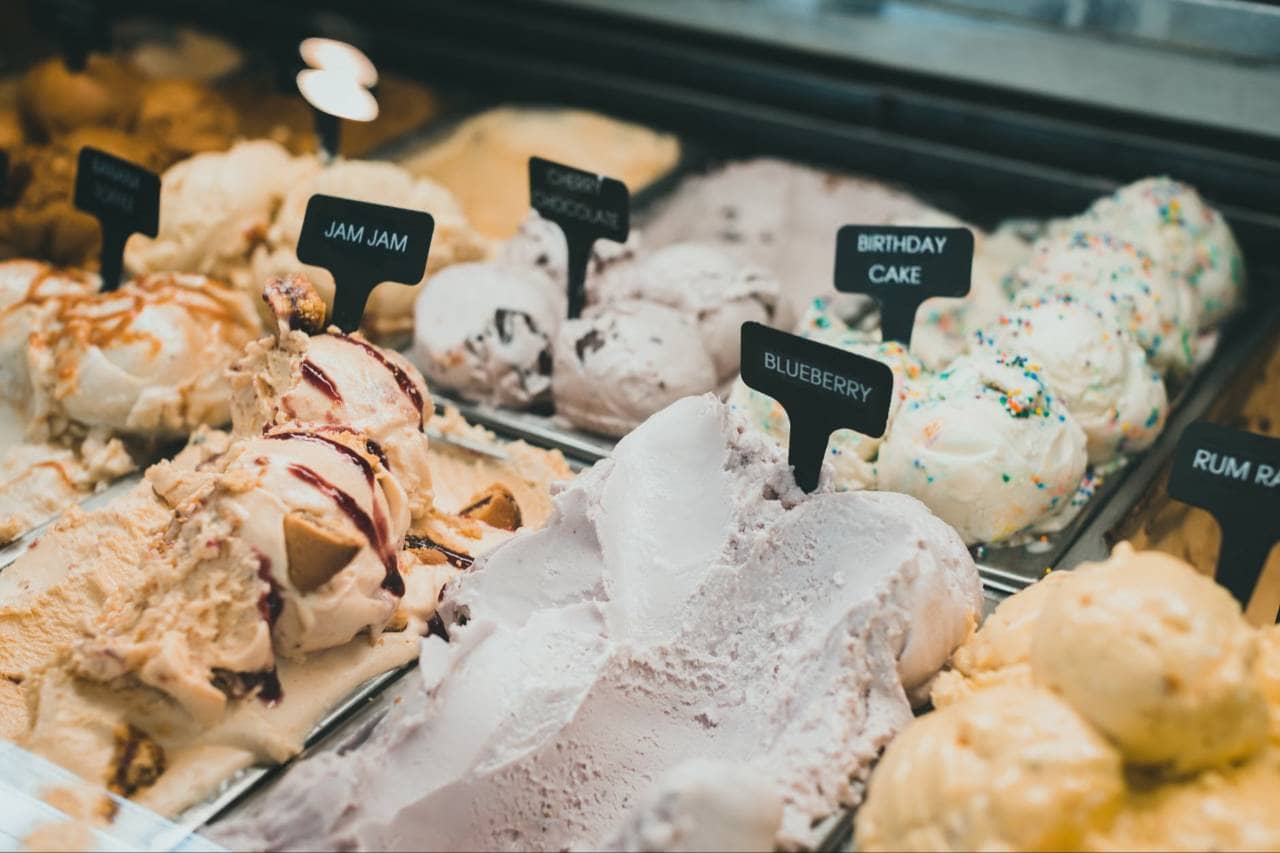
Learn the startup costs of opening an ice cream shop, including rent, equipment, renovations, permits, inventory, labor, marketing, and reserves.
Aug 28, 2026

A restaurant P&L statement reveals sales, expenses, and profits, helping owners manage costs, improve margins, and plan finances more effectively.
Aug 26, 2026

Unlock Exclusive Access To Webinars, Events, And The Latest News For Free!
Discover how leveraging digital sales channels and implementing kiosk ordering can enhance revenue and customer engagement in the restaurant industry.

Photo by Sergio Arteaga
In today's rapidly evolving digital landscape, restaurants are increasingly turning to digital sales channels to drive revenue growth and enhance customer engagement. The case of Jack in the Box's emphasis on digital sales highlights the importance of leveraging online platforms to boost same-store sales. By focusing on mobile and digital channels, restaurants can tap into a wider customer base, increase loyalty program memberships, and create personalized promotions tailored to individual preferences.

Photo by Sergio Arteaga
Digital sales offer restaurants the opportunity to reach customers beyond traditional brick-and-mortar locations. By investing in online ordering systems, mobile apps, and loyalty programs, restaurants can streamline the ordering process, offer personalized recommendations, and increase overall customer satisfaction. The success of Del Taco in implementing kiosks and expanding digital sales showcases the potential of these strategies to drive revenue growth even in challenging market conditions.
Kiosk ordering systems have revolutionized the way customers interact with restaurants, providing a convenient and efficient way to place orders. Not only do kiosks improve upselling opportunities by suggesting additional items or upgrades, but they also lead to higher average ticket sales compared to traditional counter ordering. The example of Shake Shack's successful kiosk ordering system demonstrates how this technology can significantly impact a restaurant's profitability and customer satisfaction levels.

Photo by Sergio Arteaga
The adoption of kiosk ordering systems is not limited to a few select restaurants but has become a growing trend across the industry. Major chains like El Pollo Loco, Yum Brands, Burger King, Popeyes, Wendy’s, and others have recognized the potential of kiosks in enhancing customer experience and driving sales. By embracing technology and offering innovative ways for customers to interact with their brand, restaurants can stay ahead of the competition and meet the evolving demands of modern consumers.