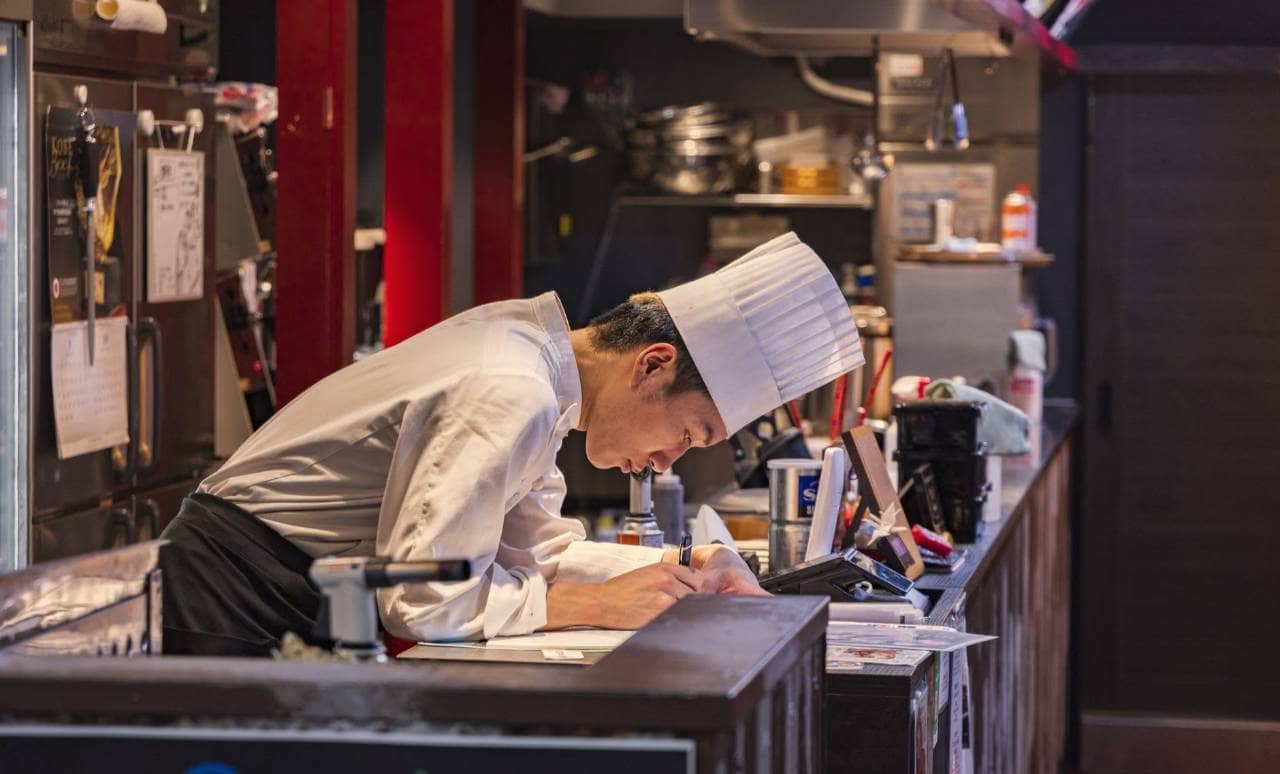
How to Calculate Cost of Goods Sold for a Restaurant
Learn how to calculate restaurant cost of goods using inventory, purchases, COGS percentage, variance reviews, and regular tracking for profitability.
Accounting
Aug 31, 2026
Learn how to calculate restaurant cost of goods using inventory, purchases, COGS percentage, variance reviews, and regular tracking for profitability.
Aug 31, 2026

Explore restaurant technology trends in 2026, including AI, automation, digital ordering, workforce tools, connected kitchens, personalization, and profitability strategies today.
Aug 28, 2026
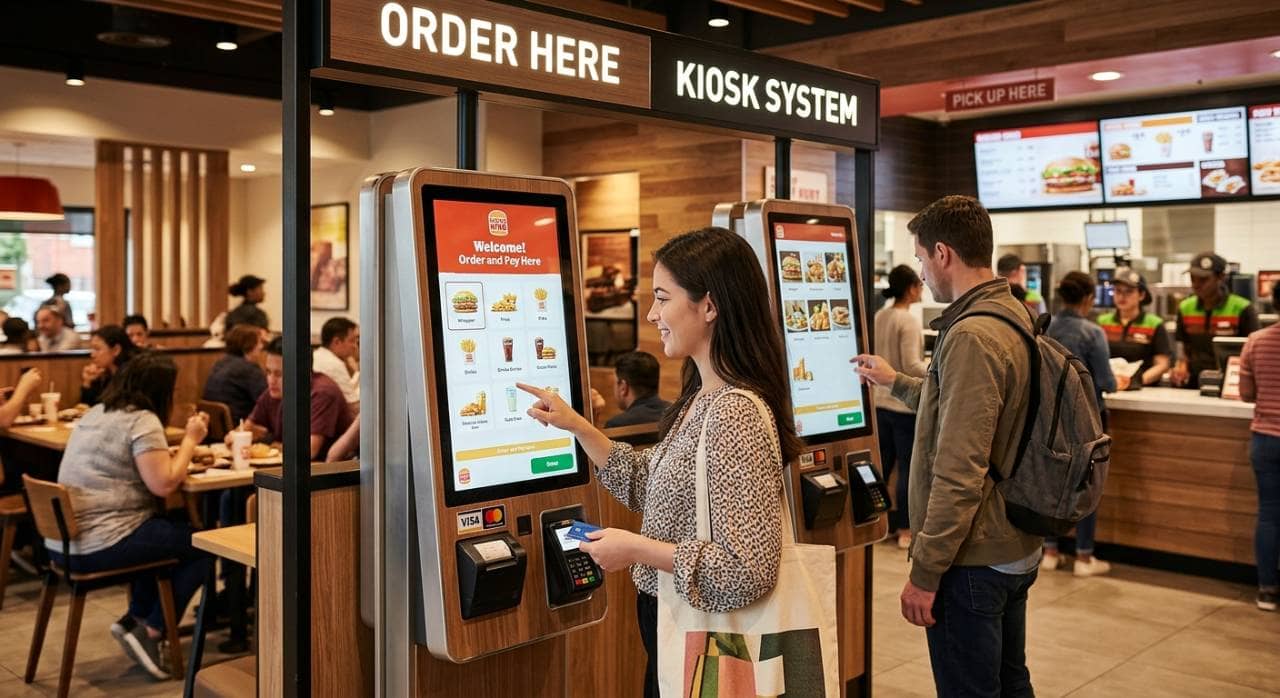
Understand how to evaluate a Kiosk system using key criteria including features, POS integration, hardware, pricing, customer experience, and support.
Aug 31, 2026

Learn the startup costs of opening an ice cream shop, including rent, equipment, renovations, permits, inventory, labor, marketing, and reserves.
Aug 28, 2026

A restaurant P&L statement reveals sales, expenses, and profits, helping owners manage costs, improve margins, and plan finances more effectively.
Aug 26, 2026
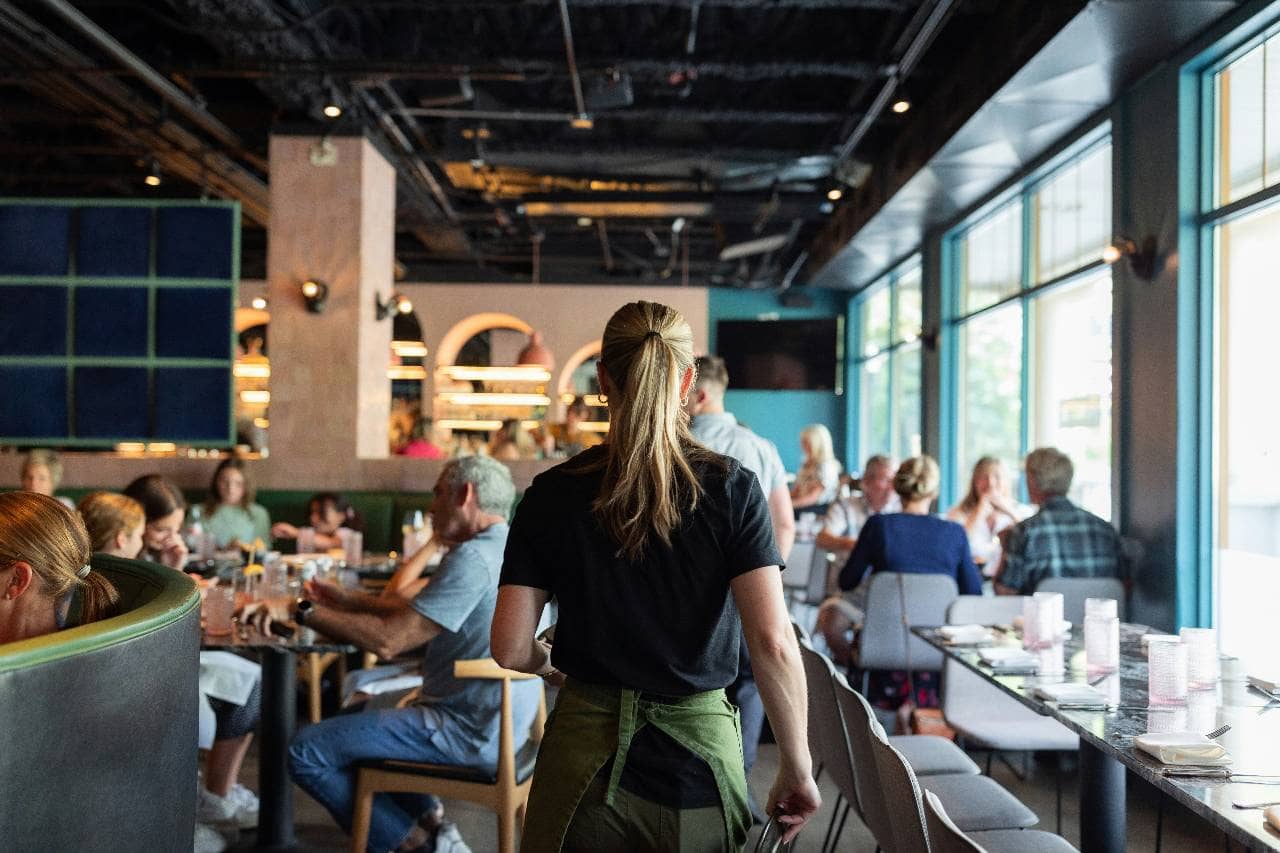
Learn practical ways to reduce labour costs through smarter scheduling, forecasting, productivity, cross-training, automation, overtime control, and performance monitoring strategies.
Aug 26, 2026
RaceTrac has appointed Jill Pemberton as chief financial officer, succeeding Karla Ahlert, who moves into the newly created role of chief administrative officer.
Aug 26, 2026

Create a practical restaurant marketing plan by setting goals, targeting customers, choosing channels, budgeting wisely, scheduling campaigns, and measuring results.
Aug 24, 2026

Levain Bakery appoints Lorna Sommerville and Taya Stenson as co-CEOs, blending operational and marketing expertise to power national expansion and innovation while staying rooted in its brand values.
Aug 25, 2026
A payroll advance policy helps restaurant owners define eligibility, limits, repayment, documentation, approval procedures, and compliance requirements for employee advances.
Aug 24, 2026

Unlock Exclusive Access To Webinars, Events, And The Latest News For Free!
Leaning on tourism-driven familiarity and cultural touchpoints, Chipotle plans a demand-led entry into Singapore and South Korea, pairing brand recognition with SPC’s operational track record.
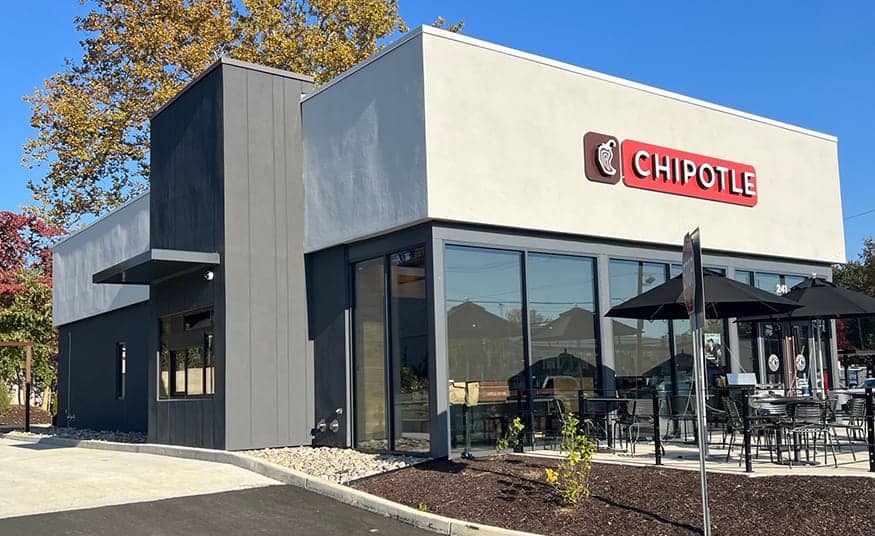
Chipotle is laying the groundwork for an Asia debut with Singapore and South Korea at the front of the line, pointing to cultural tailwinds and tourism-driven familiarity rather than a slow, traditional awareness build. The company frames this as a demand-led leap: recognition has preceded rollout, and the core promise is already understood in the places it wants to land. In that spirit, leadership puts a concise value proposition at the center. “Real food prepared fast is in high demand in these markets and with notable brand awareness among consumers, we see potential for strong adoption out of the gate,” CEO Scott Boatwright said in a statement. The implication is balanced and practical: if the audience already knows the name and anticipates the experience, then curiosity and trial need less coaxing. That reduces the distance from first visit to repeat, allowing the brand to meet demand with minimal friction. It is a thoughtful bet on momentum, less about spectacle, more about delivering a familiar, nourishing concept credibly and quickly in markets primed to receive it.
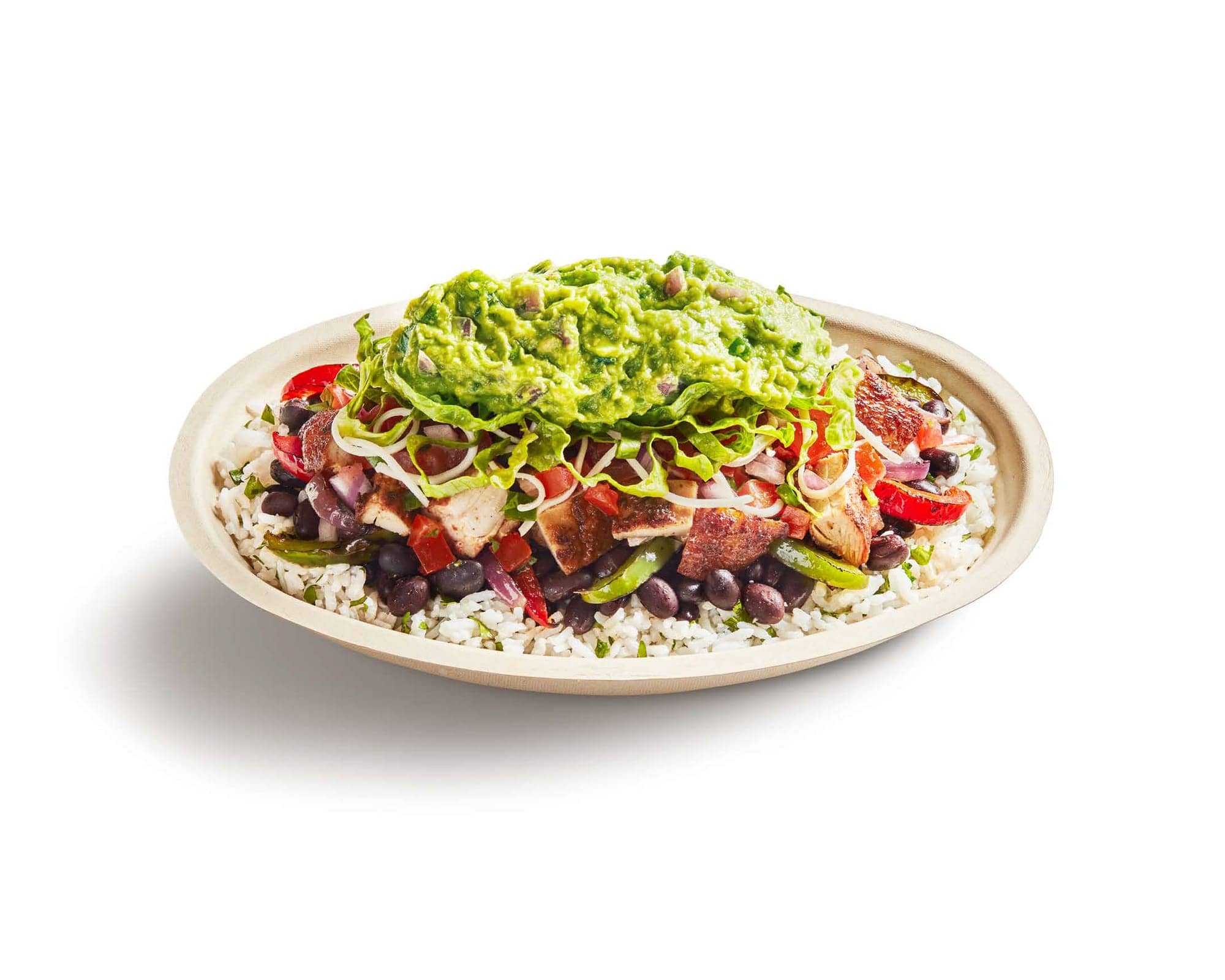
Two identifiable channels feed the brand’s confidence: tourism in the U.S. and cultural touchpoints with Korean pop groups. Travelers who’ve seen the fast-casual model deliver firsthand become natural early adopters abroad, while pop-culture visibility keeps the name in circulation with audiences that already prize speed and quality. Instead of starting with consumer education, the plan narrows its focus to places where awareness is measurable and resonant. This approach reframes market entry as transposition rather than invention. Singapore and South Korea are portrayed as markets that already know how the concept fits everyday dining, a concise, recognizable proposition that aligns with what diners expect from premium quick-service and fast-casual: an experience that feels efficient yet balanced. In that setting, the brand can show up thoughtfully, recognizable enough to reduce trial friction, distinct enough to earn attention amid lively dining scenes.
The mechanics rely on putting “real food prepared fast” directly in front of consumers who already recognize the promise from experiences in the U.S. The company is explicit about using existing brand equity to shorten trial times and accelerate adoption, especially among audiences primed by travel and cultural exchanges. By emphasizing speed without compromising the idea of “real food,” the entry plan avoids reinvention and focuses instead on reintroducing a known value proposition in a new geography. That recognition is expected to translate into near-term visits, reducing the need for a long runway of explanation. The company’s own phrasing, “strong adoption out of the gate”, captures both urgency and confidence: when people can anticipate what they’ll get, they are more inclined to step in the door. It’s a restrained, balanced way to de-risk a launch, meeting curiosity with clarity rather than novelty for novelty’s sake.
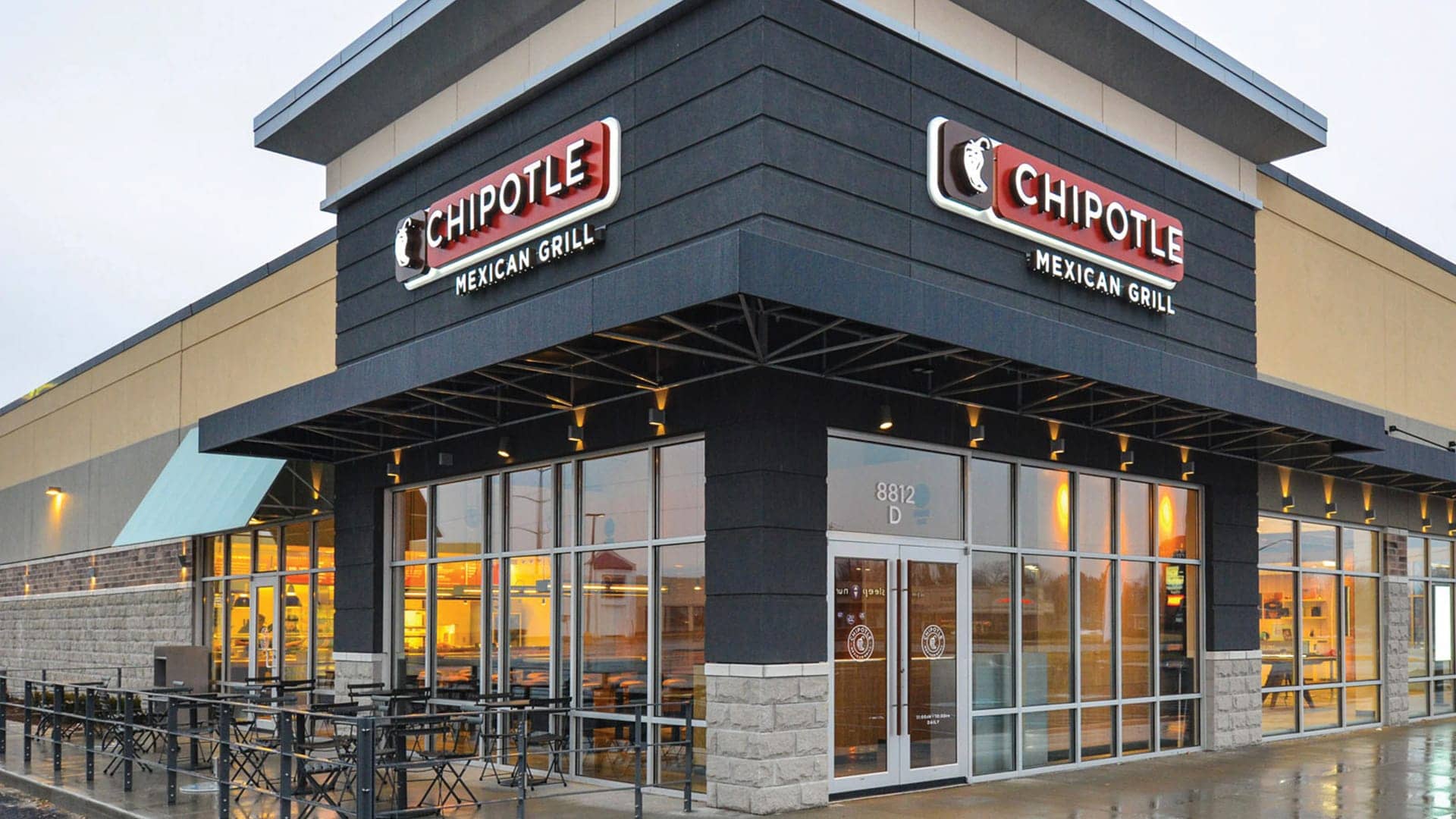
Local execution in South Korea is slated to run through SPC, a partner with a track record of translating American foodservice brands into the market. SPC has introduced Baskin Robbins, Dunkin’, and Shake Shack, providing an operational scaffold that spans distribution, day-to-day execution, and marketing know-how. That portfolio gives this entry a grounded feel: a familiar promise paired with a local operator that has scaled Western concepts before. Heesoo Hur, executive vice president and owner of SPC Group, captured the fit across both target countries, stating, “Given the familiarity of this iconic brand among Koreans and Singaporeans, and their passion for exceptional culinary experiences, these two markets are ideal entry points for Chipotle in Asia,” Hur said. The message blends credibility and care: pair measurable awareness with a seasoned operator, and the runway to relevance shortens. It’s a thoughtful alignment designed to be nourishing for long-term performance, not just a quick splash.
The partnership narrative centers on speed to traction: pre-existing recognition doing the front-of-house work while an experienced operator ensures the back-of-house runs smoothly. In markets already at ease with premium quick-service and fast-casual formats, that combination eases common early-stage hurdles, explaining the format, proving quality, and building trust from scratch. The aim is immediate alignment with consumer expectations: a concept that feels understood on arrival, ready to integrate into everyday routines. This is an intentionally balanced stance. Rather than manufacture excitement, the brand leans into familiarity as a sustaining force, delivering something diners can fold into their week with assurance. That clarity is a quietly aspirational promise: “real food” delivered with pace, so the experience feels both efficient and considered. When a concept is already legible to its audience, the conversation shifts from persuasion to satisfaction, an approach designed to nourish repeat behavior from the outset.
The timing echoes a broader industry pattern: international growth has helped major U.S. brands balance softness at home. KFC and Pizza Hut’s international strength has offset North American weakness, offering a blueprint for how overseas expansion can stabilize results in choppy conditions. Chipotle has struggled to generate same-store sales growth this year, and leadership positions this Asia push as a way to protect the bottom line over time. South Korea, often at the forefront of international culinary trends, underscores the two-way flow of influence. Brands from that country, like Bonchon, have successfully grown in the U.S., reinforcing the idea that differentiated formats can travel when consumers already understand the value proposition. In this context, the move is as much hedge as horizon, thoughtful diversification that aims to be both resilient and relevant.
What is clear are the contours: a demand-led entry into Singapore and South Korea, an emphasis on “real food prepared fast,” and a plan to convert tourism- and culture-driven familiarity into quicker adoption. Also clear is SPC’s credible track record in South Korea and the depiction of both markets as primed for fast-casual choices. These elements shape a coherent strategic frame grounded in recognition and operational fit. What has not been specified are the tactical details that often define pacing and scale: precise launch timing, cadence of openings, format choices, and how marketing will turn recognition into habitual visits. Those gaps don’t undermine the thesis; they simply mark the boundaries of what has been said. The trigger, as presented, is readiness, audiences that have seen the concept and absorbed the promise, without a published set of milestones. In a balanced plan, clarity about the “why” leads, while the “how” unfolds in step with local conditions.
The bet is that “visibility becomes velocity.” With consumers primed by travel and cultural touchpoints, and with an operator versed in scaling Western brands, the launch aims to turn awareness into immediate traffic. The promise of “real food prepared fast” is designed to translate without heavy reinvention, an important consideration in markets accustomed to premium quick-service and fast-casual options. If international expansion can offset home-market volatility, this move seeks to be both a stabilizer and a springboard. The broader lesson is a thoughtful one: choose entry points where recognition is already earned, pair the concept with operators who understand local cadence, and let early familiarity shorten the distance from first visit to habit. The company’s own phrasing, “strong adoption out of the gate”, signals urgency backed by fit. When a brand shows up with clarity in places ready to receive it, the experience can feel balanced from day one, efficient yet considered, familiar yet fresh enough to matter. That is how recognition becomes repeat, and how a concise promise finds a nourishing foothold fast.