Inspire Brands CEO Steps Back as IPO Push Enters Critical Phase
Paul Brown temporarily steps away from Inspire Brands as Scott Murphy assumes interim CEO role during confidential IPO filing process targeting late 2026.
News
Sep 10, 2026
Paul Brown temporarily steps away from Inspire Brands as Scott Murphy assumes interim CEO role during confidential IPO filing process targeting late 2026.
Sep 10, 2026
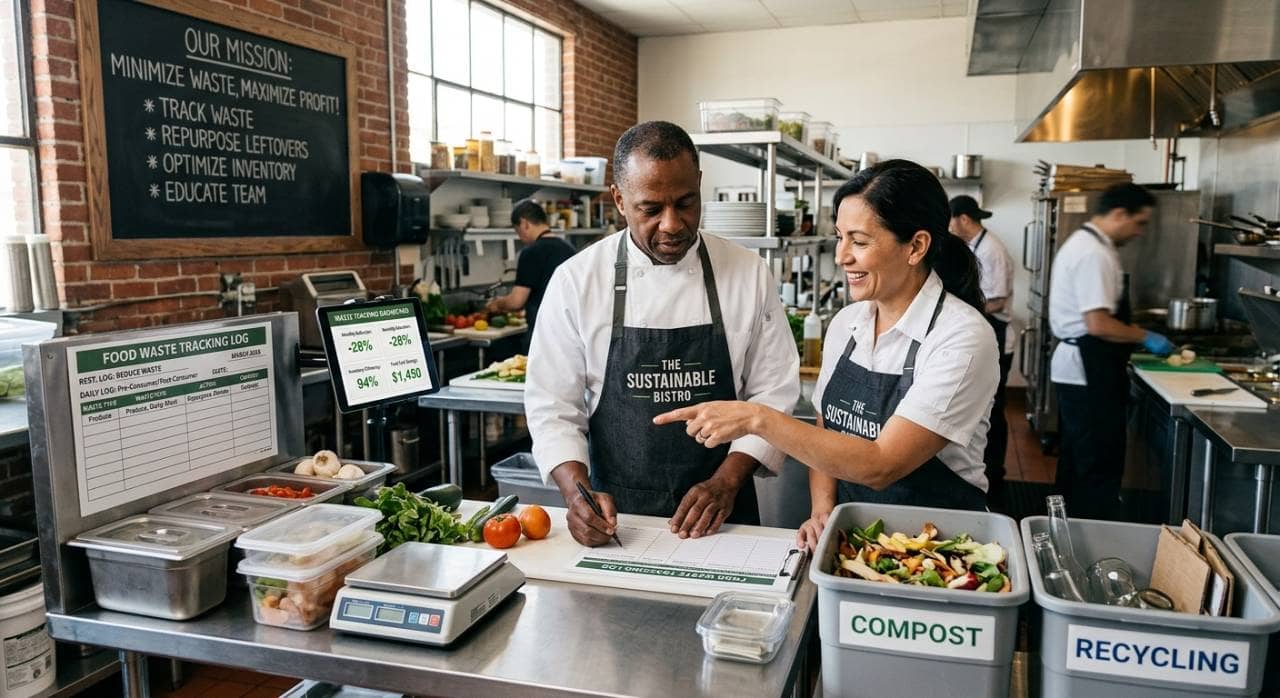
Learn how to reduce food waste in restaurants through smarter purchasing, storage, preparation, and service strategies that cut costs.
Sep 9, 2026
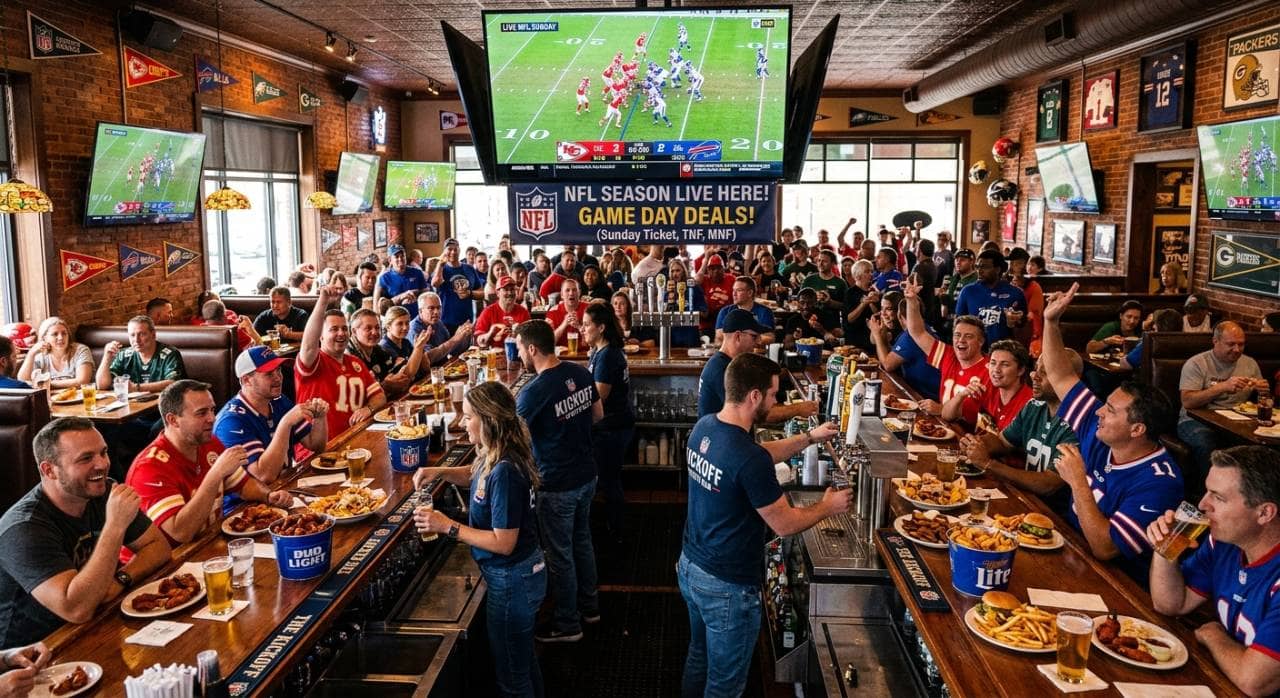
Prepare your restaurant for NFL season with smart menu planning, staffing, marketing, technology, and atmosphere strategies that boost season-long revenue.
Sep 9, 2026
Swig signs franchise agreement for 11 South Denver locations, marking Colorado entry and validating its national expansion strategy.
Sep 8, 2026
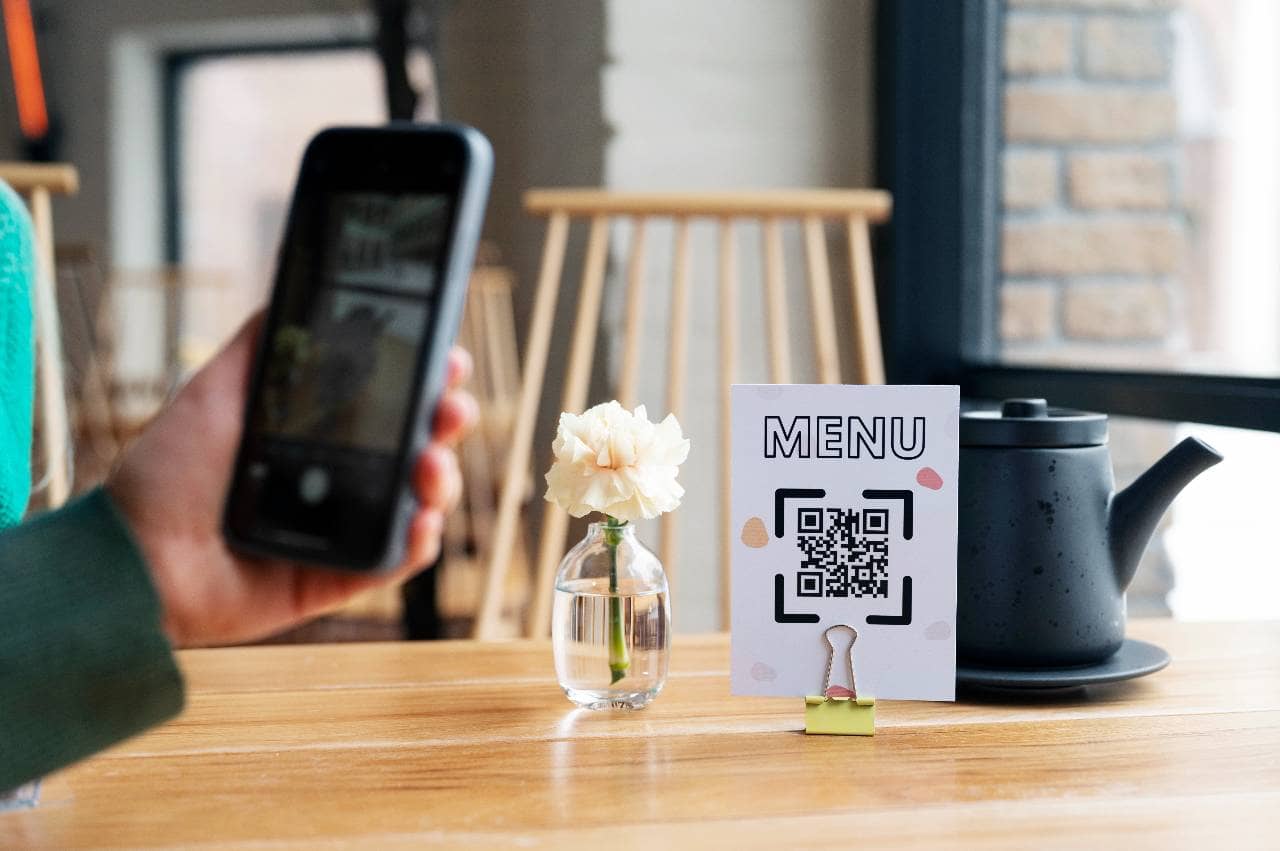
QR code menus let restaurants replace paper menus digitally, enabling instant updates, contactless browsing, ordering, and payment through simple smartphone scanning.
Sep 7, 2026

Complete guide helping restaurant owners choose essential kitchen equipment - covering cooking, refrigeration, prep, sanitation, ventilation, safety, and long-term maintenance planning.
Sep 7, 2026

Avoiding common restaurant payroll mistakes - misclassification, tip credit errors, overtime miscalculations - protects businesses from costly penalties, back pay, and compliance risks.
Sep 4, 2026
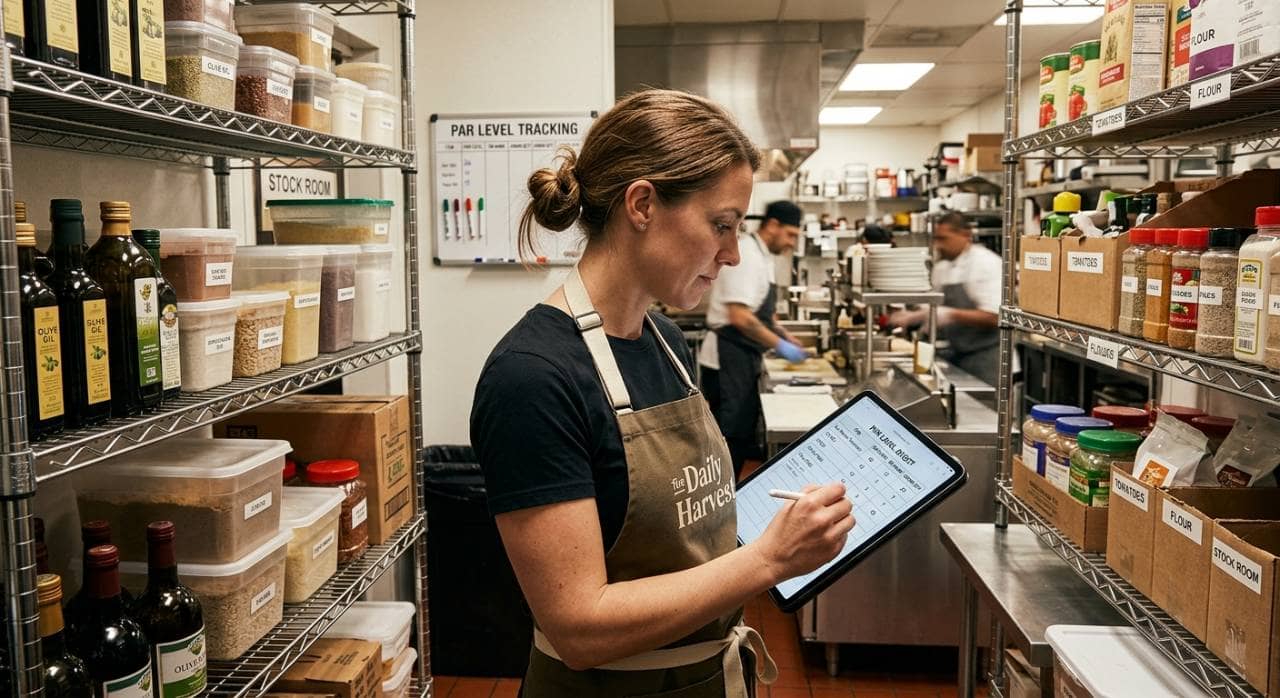
Learn to calculate par levels for restaurant food, beverages, and packaging inventory, preventing stockouts and waste through proper formulas.
Sep 4, 2026
Caribou Coffee appoints Zane Thomas-Rogers as Chief Operations Officer to strengthen execution across its expanding coffeehouse network.
Sep 4, 2026

Compare the top 10 restaurant POS systems in the USA for 2026. Explore features, pricing, pros, cons, and the best POS options for every restaurant type.
Jul 1, 2026

Unlock Exclusive Access To Webinars, Events, And The Latest News For Free!
UK restructurings, beef-pricing lawsuits, and leadership shifts reshape the casual-dining scene—what’s next for operators and workers.

Photo by Deeson Patel
Administrations and restructuring mark a turning point for UK casual dining. The process is designed to shield a struggling brand from creditors while it seeks a buyer or a path to stability. In this frame, TGI Fridays’ UK operation mirrors broader pressure in casual dining, rising costs, tighter labor markets, shifting consumer tastes, and signals that even long‑established brands aren’t immune. The volume of closures is eye‑opening: 36 closures and the sale of 51 sites signal a dramatic rebalancing of a once‑reliable footprint. Beyond bricks and mortar, thousands of jobs and local economies ride on how the wind shifts in the wake of administration.
From the reporting around the deal, it’s clear this isn’t cosmetic cleanup. The sale of a large tranche aimed to unlock value through selective ownership while preserving essential operations. The The Independent summarized the administration’s scope, and The Caterer noted that the 51 sites were sold in a deal that preserved thousands of jobs even as hundreds of workers faced changes. The move underlines that value can emerge through careful pruning and market‑tested ownership changes, even in a market that remains unsettled.
Across the Atlantic, beef prices become a courtroom drama. McDonald’s has filed a high‑profile antitrust lawsuit against major beef suppliers, Cargill, Tyson, JBS, and National Beef Packing Company, alleging collusion since 2015 to drive up prices. The action shines a light on how meat costs ripple through menus, margins, and the capitalization plans of operators. For big buyers and small players alike, pricing dynamics in the supply chain now sit under stricter scrutiny and sharper questions about fairness and leverage.
At the core, the filing quotes a sweeping aim: "The goal of their conspiracy was to fix, raise, stabilize and/or maintain the price of beef sold to Plaintiff and others at supra‑competitive levels, that is, prices artificially higher than beef prices would have been in the absence of their conspiracy." The Washington Post highlighted this language as central to the dispute, underscoring the seriousness of the claims as market dynamics come under legal scrutiny. The case sharpens attention on pricing practices across the meat supply chain and previews potential ripple effects on suppliers, distributors, and menu pricing industry‑wide.

On the West Coast, Harold’s Chicken Nevada filed for Chapter 11 protection, allowing its two stores in North Las Vegas and Henderson to reorganize while continuing to operate. The move sits in a broader pattern of regional brands wrestling with financing, shrinking footprints, and the challenge of staying relevant in a crowded market. The Harold’s lineage, Chicago roots dating to 1950, adds texture to the story of how independent and local brands survive pressure.
Meanwhile, Yoshinoya America has been reshaping its leadership to sharpen its U.S. push. Yoshinoya America, the long‑standing Japanese brand with roughly 2,000 units globally and about 100 locations in California, has seen Glenn Lunde step in as CEO (a move that followed his role at Togo’s Eateries), signaling a push for sharper strategic direction. More recently, Paul Nishiyama was appointed President of Yoshinoya America, effective June 1, 2025, as the chain aims to accelerate expansion and modernization.
Across the sector, costs, competition, and regulation shape the backdrop. Rising food costs squeeze margins while labor dynamics test staffing models. Antitrust and pricing scrutiny in the meat supply chain gains renewed attention as McDonald’s buying power collides with supplier leverage. A notable development in this context is an $87.5 million settlement among leading players, Cargill, Tyson, JBS, National Beef Packing Company and others, illustrating how regulatory and litigation environments can redirect procurement strategies and menu pricing. Observers say focus will stay on pricing transparency, supply‑chain resilience, and disciplined cost controls as networks aim to preserve profitability in a volatile market.
Coverage from The Washington Post, CNBC, and industry outlets ties these threads together, showing how regulatory and litigation environments shape every layer of the casual‑dining ecosystem, from suppliers to store managers to diners.
Uncertainties ahead require a clear lens on how the UK administration process plays out for the remaining 51 sites and the worker impact in local markets. Will McDonald’s litigation translate into durable changes in beef procurement, or will it stay confined to the courtroom? How Harold’s Chicken Nevada navigates Chapter 11 could hint at how regional brands weather tighter financing and competition. And as Yoshinoya America locks in leadership, the real question becomes which strategic bets, digital upgrades, menu evolution, or store efficiency, will shape growth in a crowded quick‑service space.
So what matters is the ripple effect, supplier relationships, labor markets, capital access, and consumer confidence in a sector that remains deeply local but increasingly connected.

Implications for operators, suppliers, and investors demand adaptable, data‑driven strategies that weather price volatility, shifting tastes, and cross‑regional pressures. For workers, the closures and reorganizations highlight retraining opportunities and clear communication from management during upheaval. For consumers, price changes and menu shifts may be on the horizon as major brands recalibrate footprints, retreating from underperforming markets while doubling down on growth in others. Taken together, the trajectory suggests leadership that is transparent, cost discipline that is real, and product and channel innovation that meets evolving expectations.
This synthesis points to a connected, challenging but still opportunistic landscape, where the brands that stay aligned with their customers, workers, and suppliers will endure.
