
How to Do Restaurant Payroll Yourself
Learn how to handle restaurant payroll yourself, from calculating hours and wages to managing tips, taxes, and final paychecks.
Payroll
Sep 2, 2026
Learn how to handle restaurant payroll yourself, from calculating hours and wages to managing tips, taxes, and final paychecks.
Sep 2, 2026
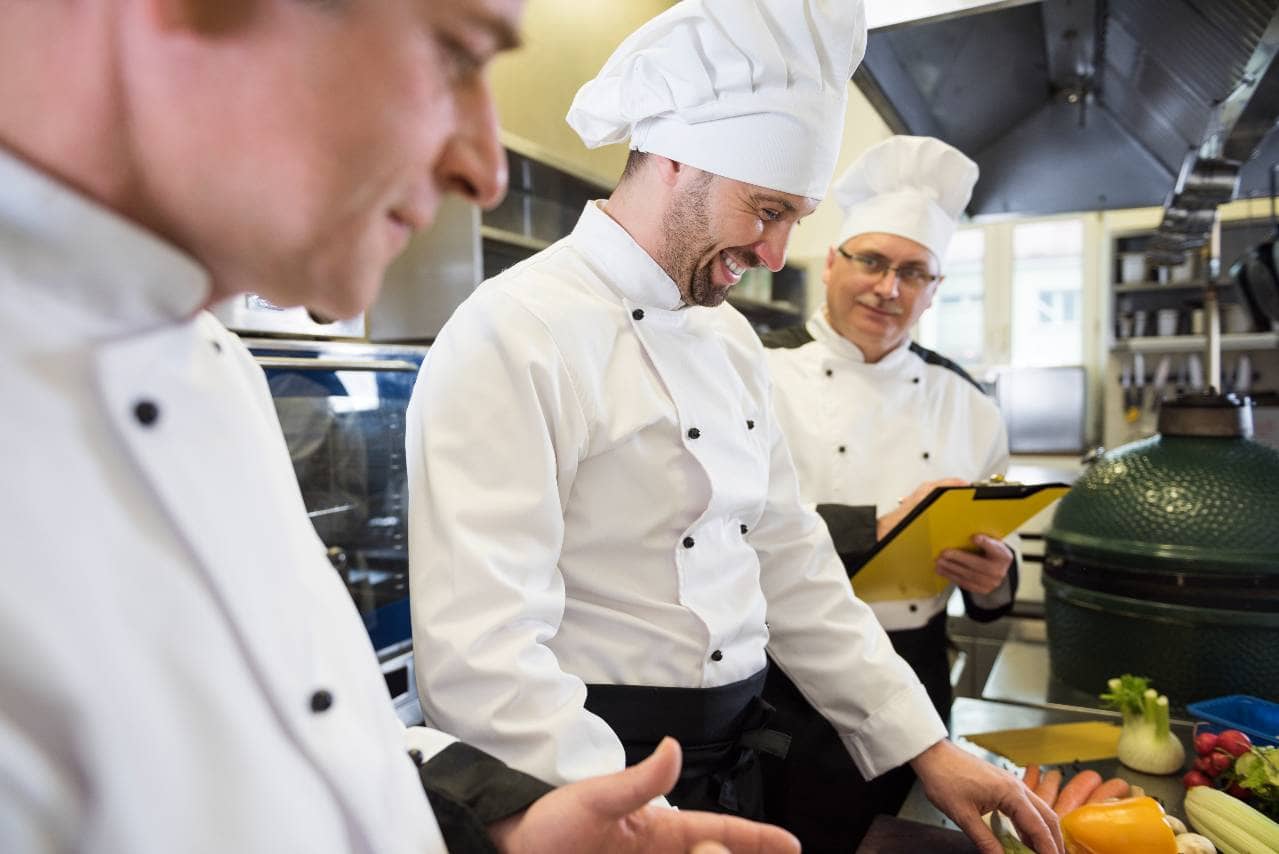
Restaurant labor management helps owners optimize staffing, control labor costs, improve productivity, monitor overtime, and maintain efficient restaurant operations.
Sep 2, 2026
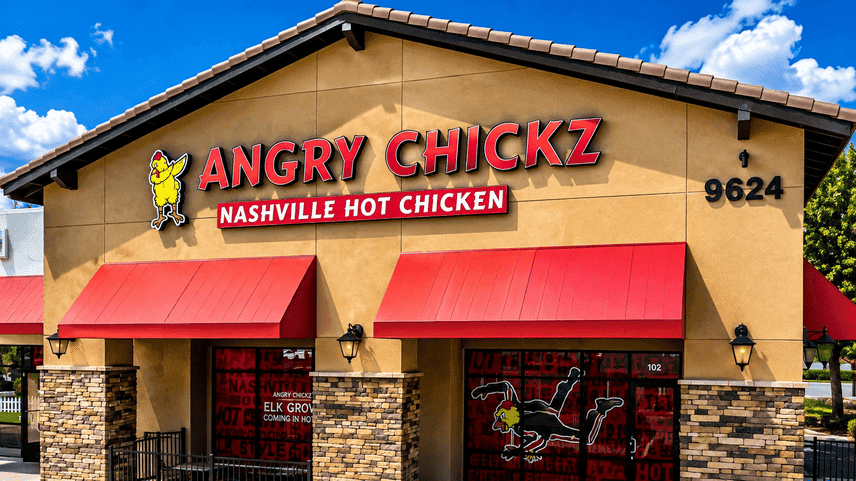
Angry Chickz enters Illinois with its signature hot chicken concept and ambitious plans for Midwest expansion, setting the stage for new franchise opportunities and community engagement.
Sep 2, 2026
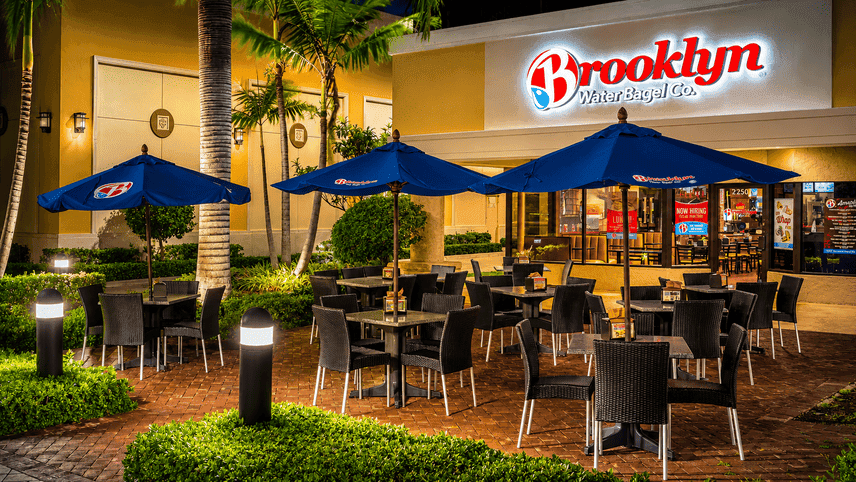
Brooklyn Water Bagel launches its first campus eatery at Nova Southeastern, signaling strategic growth and fresh potential for multi-unit operators seeking new market wins.
Sep 2, 2026
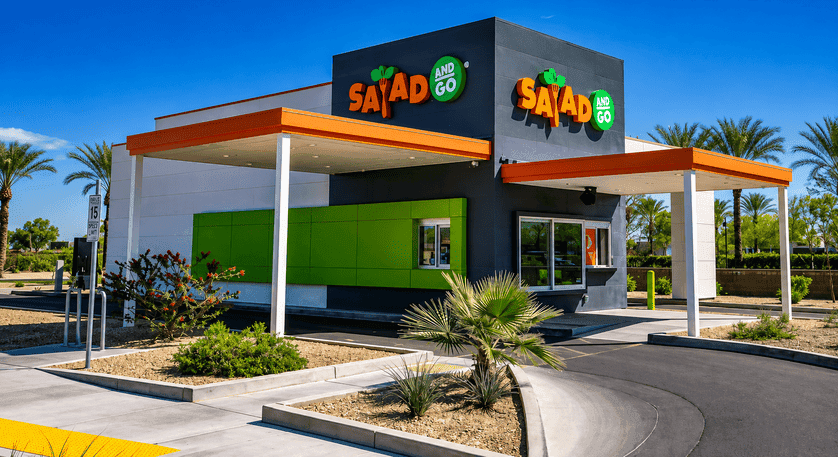
7 Brew has acquired 73 former Salad and Go locations, surpassing Dutch Bros with a $143M bid, signaling a major shift in the competitive landscape for drive-thru brands.
Sep 2, 2026
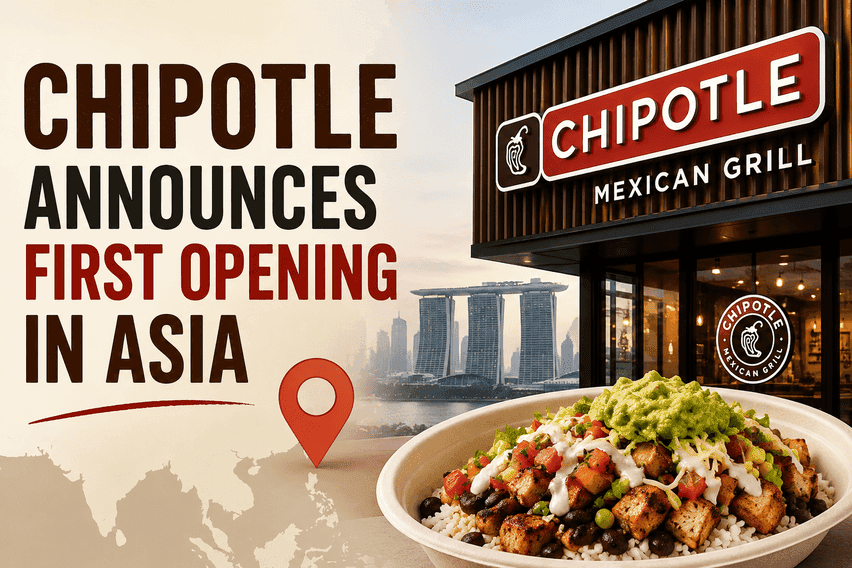
Chipotle makes its highly anticipated entry into Asia with a Seoul opening, partnering with Sangmidang Holdings and setting a template for future international growth.
Sep 2, 2026
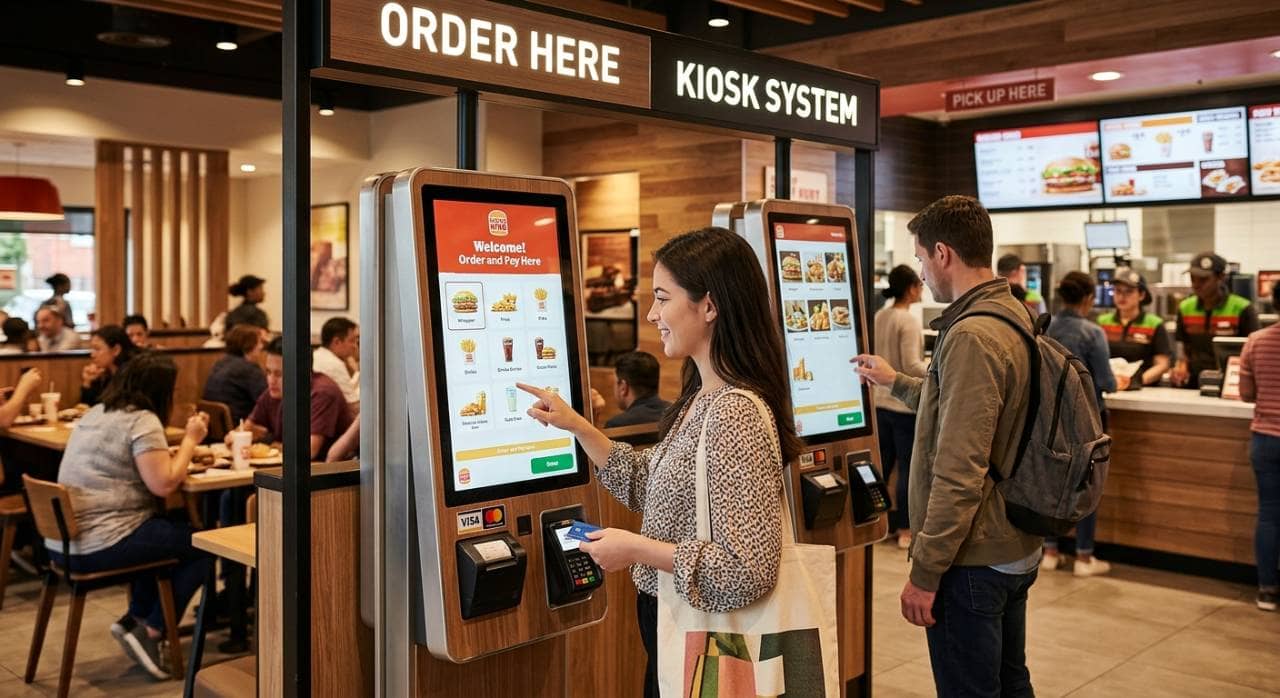
Understand how to evaluate a Kiosk system using key criteria including features, POS integration, hardware, pricing, customer experience, and support.
Aug 31, 2026
Learn how to calculate restaurant cost of goods using inventory, purchases, COGS percentage, variance reviews, and regular tracking for profitability.
Aug 31, 2026

Explore restaurant technology trends in 2026, including AI, automation, digital ordering, workforce tools, connected kitchens, personalization, and profitability strategies today.
Aug 28, 2026
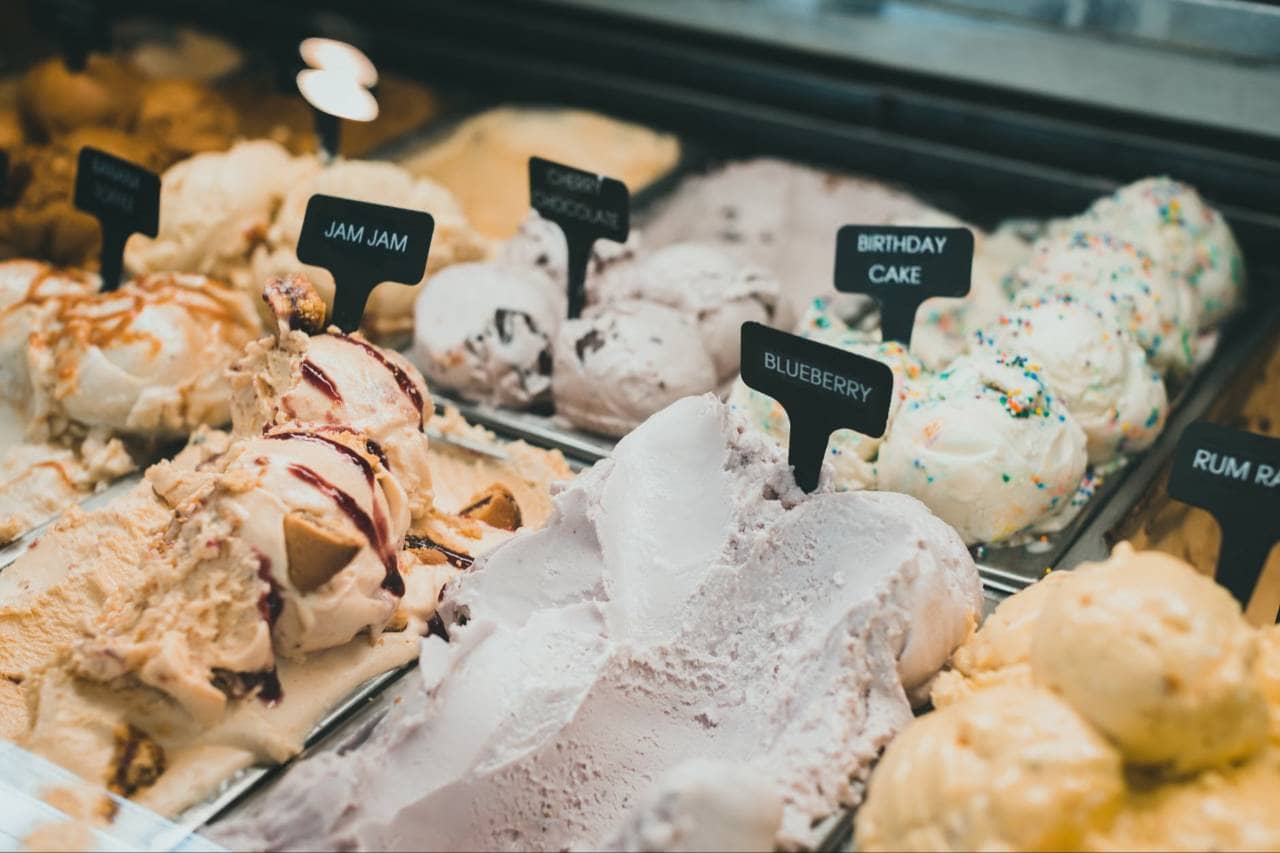
Learn the startup costs of opening an ice cream shop, including rent, equipment, renovations, permits, inventory, labor, marketing, and reserves.
Aug 28, 2026

Unlock Exclusive Access To Webinars, Events, And The Latest News For Free!
Denny’s relaunches a tiered value menu with a new $10 category and cloud POS upgrades, aiming to boost traffic and loyalty amid inflation-driven competition.

Photo by Peter Bond
In a market crowded with drive-thru lanes and curbside pickups, Denny’s is choosing a deliberate pace toward value. The Spartanburg-based chain plans to relaunch its tiered $2-$4-$6-$8 value menu, expanding with a new $10 category as part of a strategy to broaden appeal for families and price-conscious diners who still crave nourishment and flavor. The relaunch follows the company’s second-quarter results, framed as a reset built on predictable pricing and steady guest flow. It’s a thoughtful balance, and it asks guests to rethink what “value” feels like in a busy weekend for the whole family.
How does this plan take shape in practice?
The plan is meant to broaden reach without sacrificing experience. The relaunch pairs a bold price ladder with operational modernization that can support higher guest throughput and better value perception across visits, a balance that can feel nourishing in a busy week. This section looks at how pricing and process work together to anchor loyalty while keeping a mindful eye on quality.
Taken together, the plan signals a deliberate shift: price becomes a gateway to broader guest loyalty, not a blunt discount, and technology becomes the quiet engine behind a smoother guest experience. For diners seeking nourishment in a busy week, a carefully composed value offering invites a balanced, nourishing moment that extends beyond mere dollars and cents.
Across the industry, a surge of menu experimentation underscores a broader strategic shift toward experience and value as differentiators. Dunkin’, IHOP, and Sonic Drive-In debuted new menu items this week, while Baja Fresh, Blaze Pizza, and Bruster’s Real Ice Cream rolled out culinary innovations that expand choices and capitalize on consumer demand for variety. The wave also features a broad roster of players, Burgerville, Friendly’s, Fuzzy’s Taco Shop, Gott’s Roadside, Junior’s Restaurant, La Madeleine, Ninety Nine Restaurant, Nothing Bundt Cakes, Robeks, Snappy Salads, Taco Time, Tender Greens, Velvet Taco, testing new offerings. This rush of launches reflects a crowded market where culinary creativity remains a primary differentiator, adapting not only to trends but also to shifting economic and social changes.
Industry coverage highlights a heightened focus on value perception, menu variety, and guest experience as the keys to driving repeat visits. As inflation persists and consumer budgets stretch, chains test limited-time offers and bundle concepts to attract cost-conscious guests while preserving a sense of quality and convenience that keeps diners returning.
This wave signals that culinary innovation remains a central lever for differentiation, shaped by trends, inflation, and an ever-evolving guest experience. In this environment, value is not simply about price; it’s about how variety, convenience, and quality converge to form a nourishing, memorable visit.
Denny’s bets that a tiered value platform can catalyze traffic while preserving profitability. The relaunch broadens price points to include a $10 category, aiming to attract a wider mix of diners, from families on a budget to guests seeking a little extra value on occasion. The strategy returns to a proven equity: a value proposition that was designed with, and tested by, guests, grounded in consumer research. As Kelli Valade describes it, the concept is the kind of offering that resonates when guests evaluate variety, relative value, and the inclusion of fresh, high-quality ingredients.
On the technology front, the company says a cloud-based POS rollout has reached all company restaurants, with roughly 130 locations already on the new platform. Robert Verostek, the CFO, cited labor savings and smarter upsell opportunities that can be leveraged across both company-owned and franchise locations. The aim is a cohesive system that supports predictable, value-driven pricing while smoothing operations and enabling better data insights.
In short, the pricing and technology accelerators are designed to move guests through a thoughtful path, value that feels reliable, accessible, and nourishing, backed by smoother service across a growing footprint.

Valade articulates the strategy as a value platform grounded in consumer research and tested outcomes. She described the evolved platform as “a top-rated value concept across multiple options we tested, consumer research validated and increased likelihood of guest ordering and making a special visit to Denny’s due to positive perceptions around variety, relative value and the inclusion of fresh, high-quality ingredients.” This framing signals a disciplined approach to menu design: test, validate, and deploy in a way that aligns guest perception with operational feasibility.
In the money talk, the second quarter ended June 26 and the cadence around domestic systemwide performance and the mix of on-premises versus off-premises sales informs how the value plan lands against revenue and profitability. The takeaway: execution pace matters as much as the concept itself when guests respond to variety, value, and fresh ingredients.
The overall narrative reflects a measured, thoughtful rollout, pricing anchored to experience, technology enabling smoother operations, and a clear path to guest visits that feel both affordable and nourishing.
The Wendy’s Company experienced a significant leadership transition in early 2024 when Todd Penegor stepped down as chief executive officer after an eight-year tenure. The proxy disclosures note that Penegor’s employment was terminated without cause in connection with the appointment of Kirk Tanner as the Company’s new President and Chief Executive Officer, effective in February 2024, with Tanner also joining the board at that time. By June 2024, Penegor had joined the Dutch Bros board as an independent director, extending his governance roles.
Beyond Wendy’s, Penegor’s governance footprint stretches to Ball Corporation, a role he has held since October 2019. This pattern, leadership moves and board refresh across major brands, highlights how executives navigate governance commitments after long tenures and how such moves can ripple into strategy, including digital ordering, loyalty, and cross-brand partnerships.
These journeys matter because leadership and governance shape the direction of technology adoption, guest engagement, and strategic collaborations within a crowded restaurant ecosystem.
While Denny’s plan is well-articulated, several details remain less certain in the public record. The input references a second-quarter earnings call and a period ending June 26, but the exact year of the call isn’t explicitly stated. Industry coverage corroborates timing around the June quarter for the relaunch, but the precise timetable for the $10 category and its live date across all restaurants may vary by market and franchise.
Observers should also monitor how broader macro trends, such as inflation trajectories, labor costs, and consumer confidence, might impact the pace and profitability of value-based promotions across both company-owned and franchise locations. In a price-sensitive market, the math behind the pricing ladder will matter as much as the concept itself.
Taken together, the momentum around Denny’s value relaunch and the industry push toward price-led experiences suggests value will remain a central axis through 2026. The emphasis on tiered pricing, limited-time offers, and integrated technology points to a future where traffic gains are pursued with disciplined margins and a focus on guest experience.