
How to Do Restaurant Payroll Yourself
Learn how to handle restaurant payroll yourself, from calculating hours and wages to managing tips, taxes, and final paychecks.
Payroll
Sep 2, 2026
Learn how to handle restaurant payroll yourself, from calculating hours and wages to managing tips, taxes, and final paychecks.
Sep 2, 2026
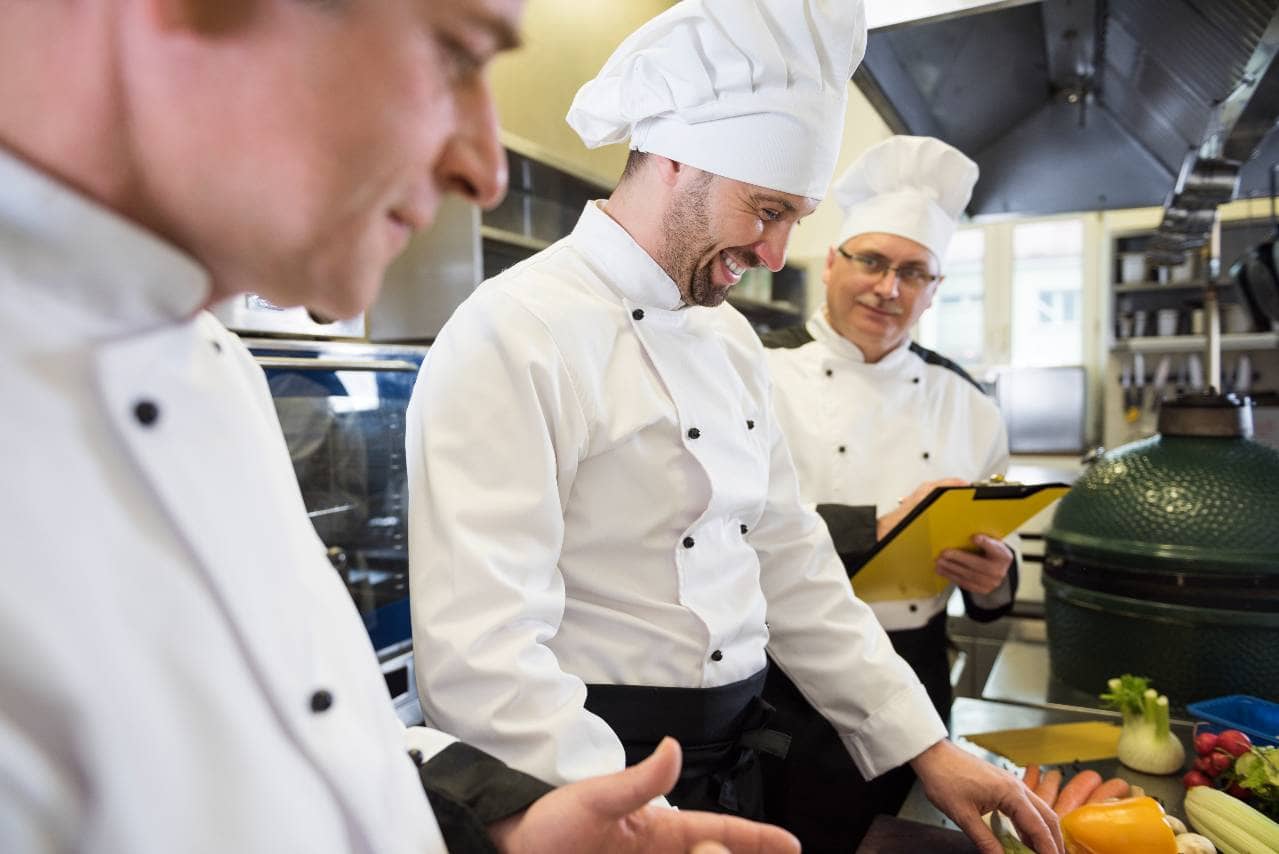
Restaurant labor management helps owners optimize staffing, control labor costs, improve productivity, monitor overtime, and maintain efficient restaurant operations.
Sep 2, 2026
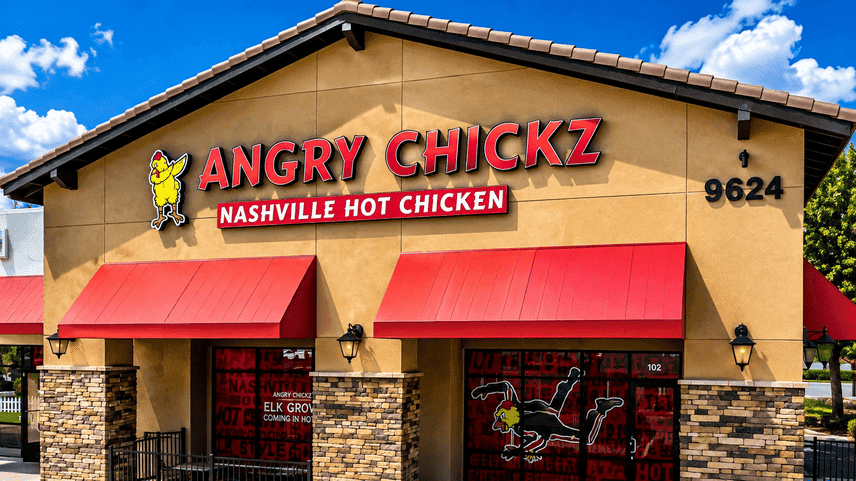
Angry Chickz enters Illinois with its signature hot chicken concept and ambitious plans for Midwest expansion, setting the stage for new franchise opportunities and community engagement.
Sep 2, 2026
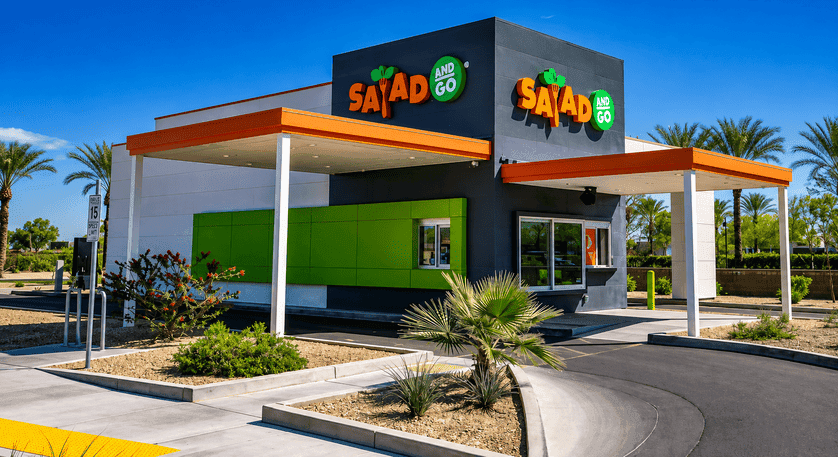
7 Brew has acquired 73 former Salad and Go locations, surpassing Dutch Bros with a $143M bid, signaling a major shift in the competitive landscape for drive-thru brands.
Sep 2, 2026
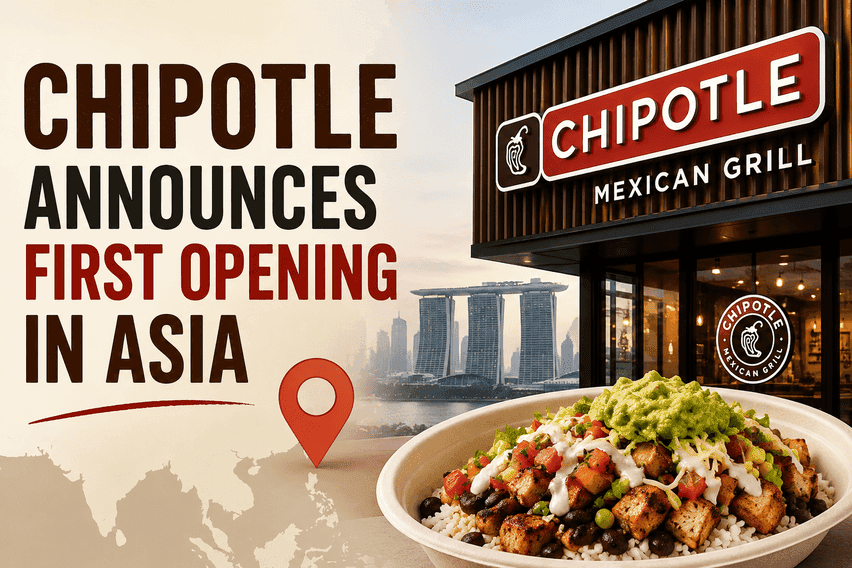
Chipotle makes its highly anticipated entry into Asia with a Seoul opening, partnering with Sangmidang Holdings and setting a template for future international growth.
Sep 2, 2026
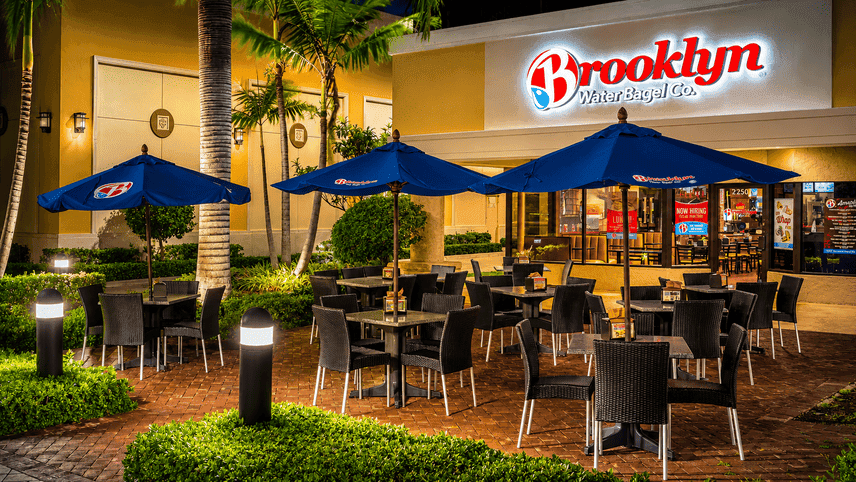
Brooklyn Water Bagel launches its first campus eatery at Nova Southeastern, signaling strategic growth and fresh potential for multi-unit operators seeking new market wins.
Sep 2, 2026
Explore restaurant technology trends in 2026, including AI, automation, digital ordering, workforce tools, connected kitchens, personalization, and profitability strategies today.
Aug 28, 2026
Learn how to calculate restaurant cost of goods using inventory, purchases, COGS percentage, variance reviews, and regular tracking for profitability.
Aug 31, 2026
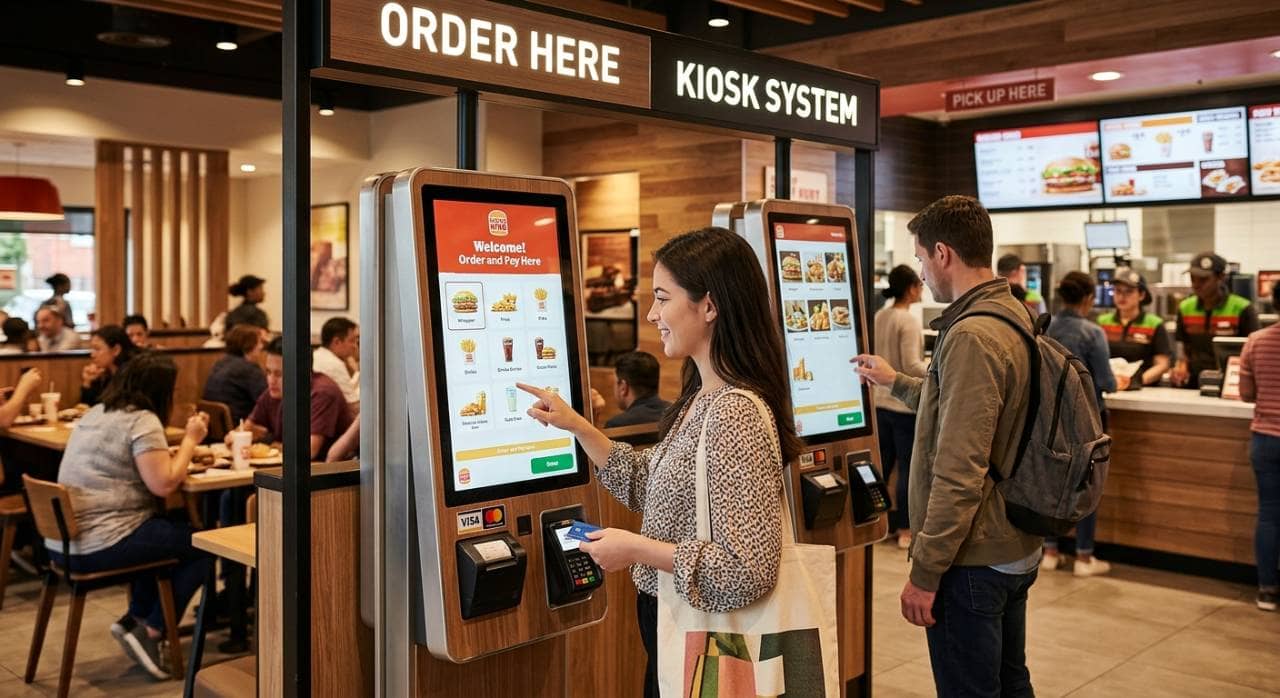
Understand how to evaluate a Kiosk system using key criteria including features, POS integration, hardware, pricing, customer experience, and support.
Aug 31, 2026
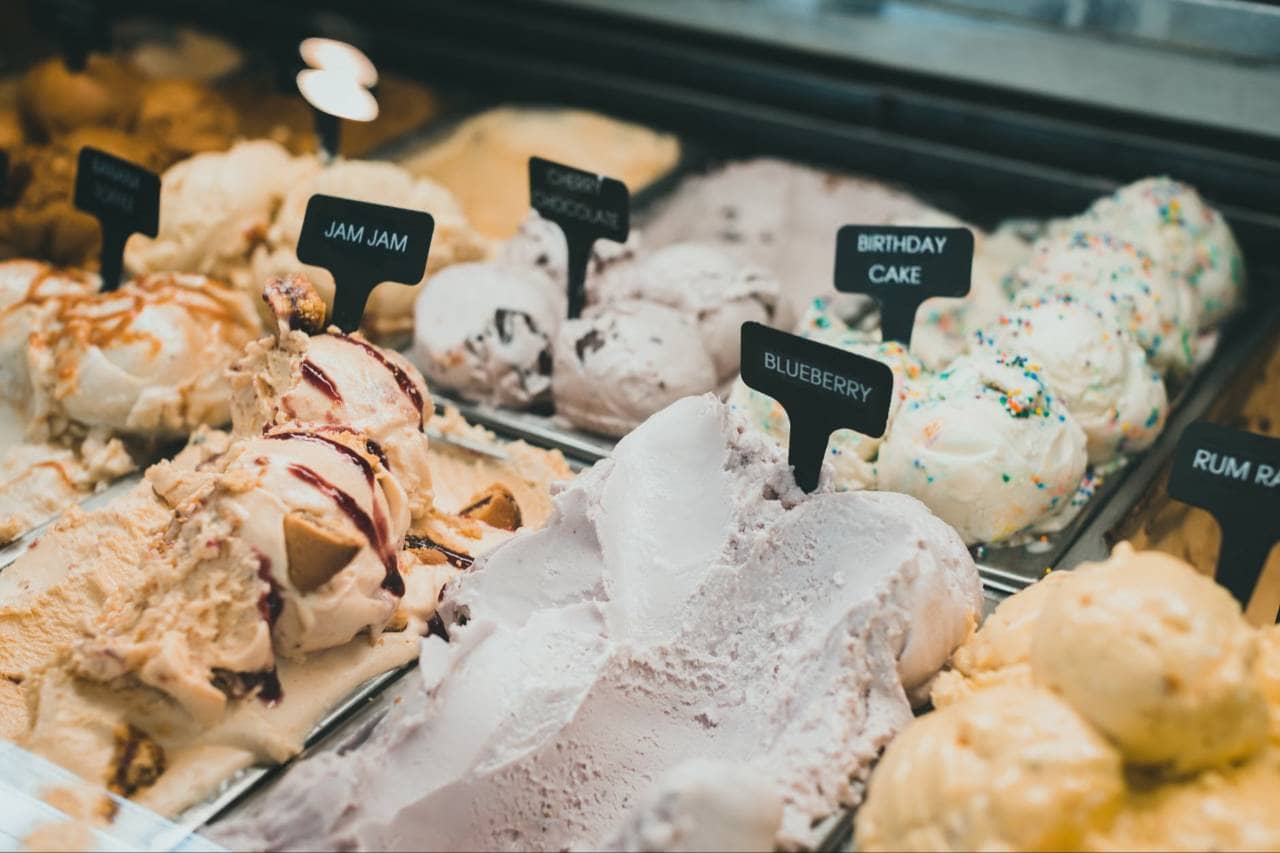
Learn the startup costs of opening an ice cream shop, including rent, equipment, renovations, permits, inventory, labor, marketing, and reserves.
Aug 28, 2026

Unlock Exclusive Access To Webinars, Events, And The Latest News For Free!
Dine Brands recalibrates with value-focused promotions and pricing discipline as Applebee’s and IHOP face a softer consumer backdrop in 2024.

Photo by P. L.
In the dining room of corporate cadence, the air often tastes of momentum and memory. The second quarter of Dine Brands brought a softer rhythm to its two marquee concepts, Applebee’s and IHOP, even as the quarter before suggested momentum could carry through.
From a consumer lens, the numbers told a familiar story: Applebee’s year-over-year domestic comparable sales slipped 1.8%, while IHOP dipped 1.4% in the quarter, signaling a continuation of softness amid inflationary pressures. The total revenue tally for the quarter settled at $206.3 million, a reminder that volume remained under pressure even as the business pressed forward with a steady hand.
“The first four months [of the year] were encouraging, but there was a change and softness in the last three months that was somewhat unexpected for us,” John Peyton, CEO of Dine Brands, said, underscoring the need to recalibrate.
But the company also noted that it outpaced broader traffic declines in its category and held share in a discounting environment, a signal that the strategy was more than a temporary pause.
Key figures in this moment include Applebee’s and IHOP posting softer top lines, while an asset-light model kept capital returns intact. The quarter’s results also reflected shifts in the off-premises mix, with Applebee’s off-premises at 21.4% of total sales (down from 22.6% a year ago) and IHOP at 19.8% (down from 20.7%), illustrating a cautious balance between traffic and pricing discipline. In brief, the environment demanded more measured moves, promotions that lure without eroding value, and pricing that recognizes the reality of the moment.
Promotional resilience emerged as a central theme, but with a gentler touch. The quarter showed that leadership believed external headwinds, not brand missteps, were shaping results. A narrative of cautiously expanded value, supported by disciplined pricing, began to take root as a guardrail against a tougher economy. The company emphasized that this was not about chasing growth through discounting alone, but about preserving guest trust while nudging traffic through deliberate value and selective investments.
What the numbers say about momentum in a moment of restraint: Q2 2024 brought GAAP net income of $22.5 million and $1.50 per diluted share, with adjusted net income at $25.6 million and adjusted EBITDA at $67.0 million. Revenues stood at $206.3 million, while the six-month picture echoed a softer top line against prior-year comparables. In tandem with financial discipline, the company increased shareholder rewards, repurchasing roughly $6.0 million of stock and paying $7.9 million in quarterly dividends. The guidance for 2024 was revised to reflect a more guarded trajectory for both brands: Applebee’s comps now projected to decline by 4% to 2%, IHOP flat to down 2%, with development activity preserved within planned bands.
What to keep in mind as the books close on the year: an asset-light model helps return capital, while selective investments and disciplined growth keep doors open for future volume. The mood, at its core, was about pairing value with appeal, an approach meant to endure beyond the current cycle as macro headwinds persist.
Promotions and Pricing emerged as a deliberate, value-forward craft. In the first half of 2024, Dine Brands recalibrated its promotional calendar to better align with a more frugal guest mindset, leaning into offers that feel meaningful without eroding margins. The playbook included classics such as Applebee’s Dollarita and all-you-can-eat options, while IHOP amplified pancake promotions and introduced the crowd-pleasing 2 x 2 x 2 combo.
CEO John Peyton explained the rationale: “The 2 by 2 by 2 promotion wasn’t on the calendar this time last year. We added it because we felt guests needed it at this time,” signaling a thoughtful adjustment rather than a knee-jerk discount. Menu price increases ran at roughly 2.6% for Applebee’s, reflecting a careful balance between value and margins.
What this means for guests is a menu that speaks value through both price discipline and appealing promotions. The aim is to keep traffic steady while protecting long-term guest satisfaction. The approach isn’t about slashing prices at every turn; it’s about guiding choices so guests feel they’re getting a fair, thoughtful deal, seasoned with the comfort and hospitality a familiar table offers.

Real-Time Adjustments became more than a slogan; they defined how Dine Brands operated through a season of external pressure. Leadership emphasized decisions anchored in what’s happening on the ground, balancing affordable promotions with higher-value offerings designed to drive traffic while safeguarding guest satisfaction. Pricing moves were framed as reactions to the macro environment rather than direct reactions to rival tactics. CFO Vance Chang reminded investors that the market context, not one brand alone, has driven performance. The team actively reallocated promotional mix, from lower-cost offers to higher-value options, creating a disciplined continuum to sustain traffic and protect profitability as the year unfolded.
Continuity into 2025 means carrying forward this disciplined approach, with an eye on debt management, shareholder returns, and selective development. The leadership team frames these moves as a way to weather headwinds while preserving the brands’ capacity to pursue value-driven traffic gains. The implied lesson: resilience comes from steady hands that blend promotions, pricing, and channel strategy into a cohesive story.
Off-Premises Growth and Channel Positioning sits at the heart of the current strategy. The channel represents about 20% of the business, a scale that Dine Brands stresses must be nurtured. Applebee’s off-premises share slipped to 21.4% from 22.6% a year earlier, while IHOP moved to 19.8% from 20.7%. Peyton calls this a channel that didn’t exist in the same scale before, underscoring the need to market it so it remains top of mind. Third-party delivery costs largely fall on consumers, which helps the proposition stay attractive for operators and guests alike.
Industry signals also shaped the push. In the broader landscape, NFL partnerships and other sponsorships were leveraged to extend gameday relevance and broaden reach. The goal was to use value-driven marketing as a steadier anchor for traffic, rather than relying on broad discounts alone. Against a backdrop of rising delivery costs and shifting consumer priorities, the channel strategy became a gentler form of hospitality, one that invites guests to linger with a reliable, comforting sense of value.
Bottom line is a menu of options that seeks to keep guests returning and spending consistently, even as external winds gust. The off-premises narrative remains a living part of the guest experience, one that the brands intend to grow thoughtfully alongside in-restaurant visits.

Gaps and uncertainties remain, even as the company looks ahead with measured optimism. Granular guest traffic figures aren’t published beyond category-relative signals, leaving a few questions about how guest count interacts with spend. Looking to 2025, newer signals hint at selectively stronger performance for Applebee’s, with positive comps in certain quarters, while IHOP continues to recalibrate amid debt refinancing and capital returns. The narrative centers on balancing debt management with steady development, ensuring the brands can weather macro headwinds while pursuing dual-brand growth. Analysts will watch how value promotions and price discipline translate into durable guest counts and brand equity.
What this adds up to is a hospitality-forward business model that aims to shepherd guests toward consistent visits and meaningful value, even when wallets tighten. The longer view favors cautious yet purposeful growth, a focus on liquidity, and a belief that steady, well-timed promotions can coexist with price discipline and selective development.
Conclusion emerges not from a single bold move but from a warm, continuing practice of hospitality, an approach that treats guests as people, not transactions. In this quiet season, Dine Brands shows how value, channel balance, and real-time adjustments can cohere into a durable, comforting rhythm for the brands and the people who sit at their tables.