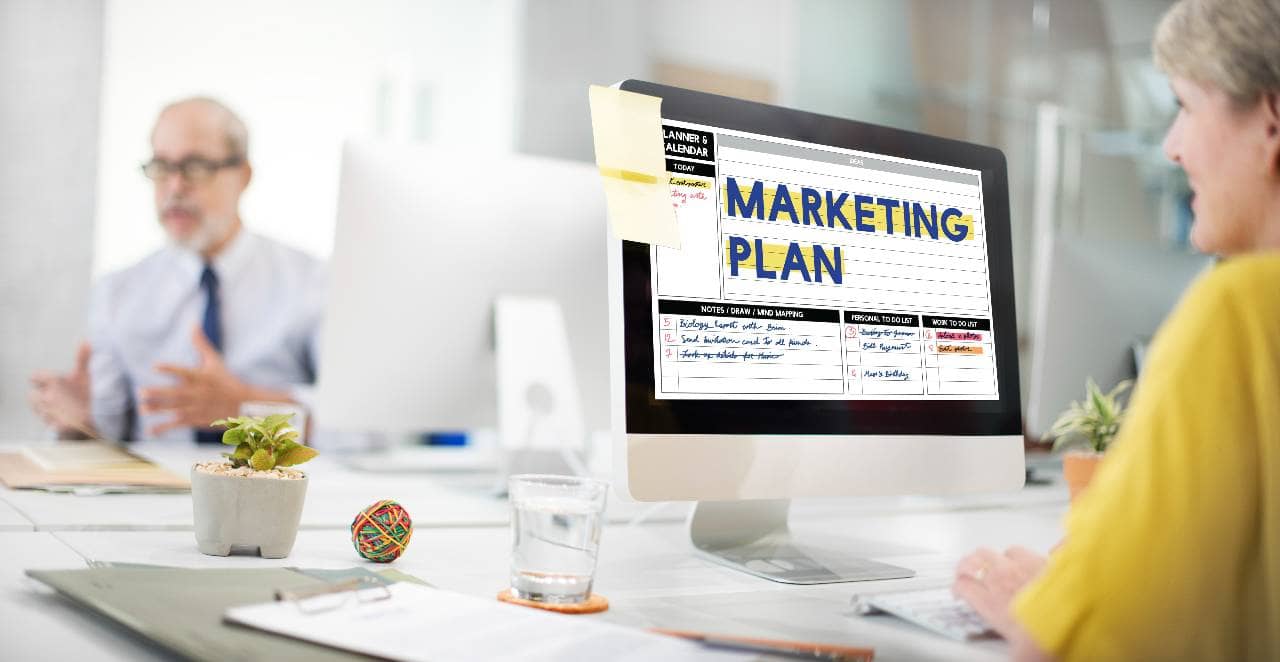
How to Create a Restaurant Marketing Plan
Create a practical restaurant marketing plan by setting goals, targeting customers, choosing channels, budgeting wisely, scheduling campaigns, and measuring results.
Marketing
Aug 24, 2026
Create a practical restaurant marketing plan by setting goals, targeting customers, choosing channels, budgeting wisely, scheduling campaigns, and measuring results.
Aug 24, 2026
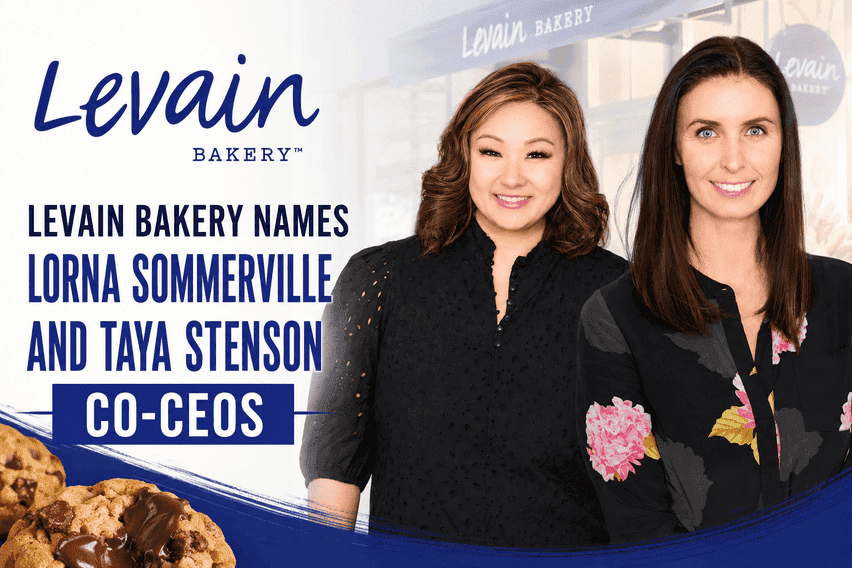
Levain Bakery appoints Lorna Sommerville and Taya Stenson as co-CEOs, blending operational and marketing expertise to power national expansion and innovation while staying rooted in its brand values.
Aug 25, 2026
A payroll advance policy helps restaurant owners define eligibility, limits, repayment, documentation, approval procedures, and compliance requirements for employee advances.
Aug 24, 2026
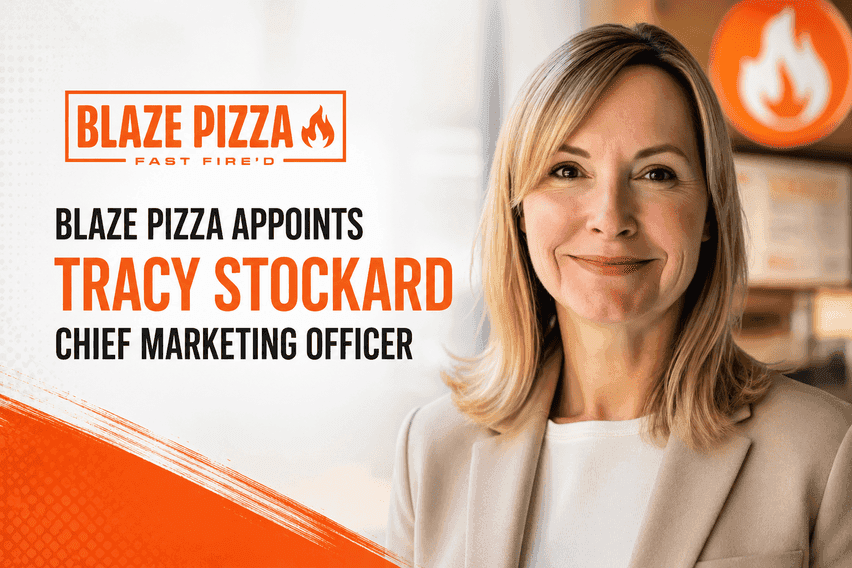
Blaze Pizza welcomes Tracy Stockard as Chief Marketing Officer, bringing decades of brand and franchise experience to drive strategic growth and guest engagement.
Aug 25, 2026
Wendy’s announces Tariq Hassan as Chief Marketing and Customer Growth Officer, charting a new course for brand and digital innovation. What restaurant owners can learn.
Aug 24, 2026
Dave & Buster's refreshes its executive lineup with seasoned leaders in operations, marketing, tech, and finance - signaling a growth-driven future for restaurant operators to watch.
Aug 24, 2026
Clear operating procedures help restaurants manage opening, closing, food preparation, sanitation, guest service, inventory, staffing, and routine operational reviews effectively.
Aug 21, 2026
Learn how to build a restaurant back office software stack that improves efficiency, integrations, reporting, cost control, and scalability overall.
Aug 21, 2026
Starbucks is making strategic staffing changes, laying off 200+ workers as it restructures operations and prepares for future growth in southern and eastern regions.
Aug 21, 2026
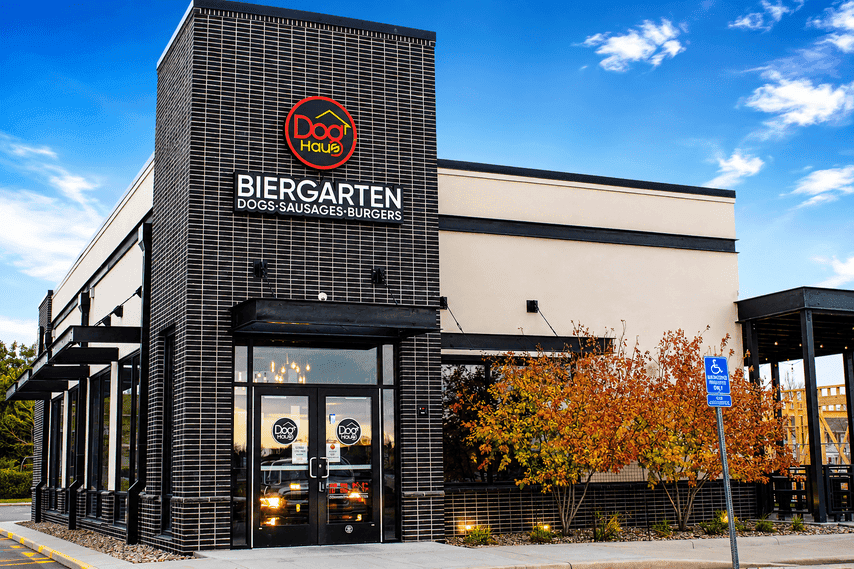
Dog Haus appoints James Field as chief marketing officer and promotes CJ Ramirez to chief experience officer, setting the stage for innovative brand growth and franchisee success in the national restaurant scene.
Aug 21, 2026

Unlock Exclusive Access To Webinars, Events, And The Latest News For Free!
Dutch Bros and 7 Brew race to expand as coffee QSRs boom. Growth, unit economics, AI-driven labor, and competition shape a widening field.

Photo by Patrick Tomasso
Two brands are flooring it while the giants watch the mirrors. 7 Brew disclosed plans to open north of 400 outlets in 2026 after debuting 281 restaurants in 2025, exceeding the combined total of the prior two years, and has ballooned more than 4,200 percent since 2022 to 602 locations ahead of this year’s expansion targets. Dutch Bros sustained at least 30 new shop openings for 19 consecutive quarters, closing Q1 at 1,117 units versus 1,012 a year earlier, a pace equating to about one shop every other day. Starbucks operates just under 17,000 U.S. locations, and Dunkin recently joined the 10,000-store club. That is the competitive field for off-premise beverage dollars.
Inflation has clipped dine-in traffic and favored quick, single-category trips. The U.S. consumer price index rose 2.4 percent from January 2025 to January 2026, its smallest year-over-year increase since mid-2025, even as customer traffic at restaurants has declined for two consecutive years, with only modest recovery expected in 2026. The branded coffee shop market exceeded 45,200 outlets in 2025 and generated $58.5 billion in revenue, a 4.2 percent gain over the prior year.
William Blair analysts project that population growth and a mid-single-digit rise in per-capita away-from-home consumption will require roughly 20,000 additional coffee shops over the next decade, suggesting an expanding category rather than a zero-sum battle. Starbucks’ share of spending at U.S. coffee shops dipped to 48 percent in 2025 from 52 percent in 2023, and TD Cowen pegs the category at an 8 percent CAGR, second only to chicken in QSR growth, with at least two more brands expected to surpass 1,000 units by 2027.
Dutch Bros and 7 Brew are taking different routes to the same prize, both grounded in unit economics. Dutch Bros shifted away from infill franchising two years ago to favor new markets with higher AUVs. The company opened 33 of 41 Q1 shops as corporate-run and, on May 12, acquired Phoenix East Valley Franchise, adding 29 shops to bring its tally to 844 corporate and 333 franchised outlets, up from 695 and 317, respectively, a year ago.
7 Brew ended 2025 with 578 franchised and 24 corporate restaurants, flat year over year, and plans 437 franchised and 10 corporate openings in 2026, according to its franchise disclosure document, which also reports AUV of $2.6 million across a comp base of 320 locations. Opening a drive-thru coffee shop in 2026 typically costs between $150,000 to $350,000, a capital bill that pencils out when volumes hold.
Talent and throughput are the next battleground. At a sell-side Q&A in Grants Pass, Oregon, Sharon Zackfia of William Blair praised Dutch Bros for building its operator pipeline entirely internally, with shop-level leadership turnover in the low single digits. CEO Christine Barone emphasized labor optimization, stating, “Labor deployment represents an opportunity to improve throughput as the company moves to shop-specific analyses alongside AI sales forecasting, data-driven labor scheduling, and automated labor tracking.” Barone also rolled out a new “Vibe Check” scorecard to sharpen consistency and underscored that speed will never supersede the “Brorista” interaction that defines the brand’s guest experience.
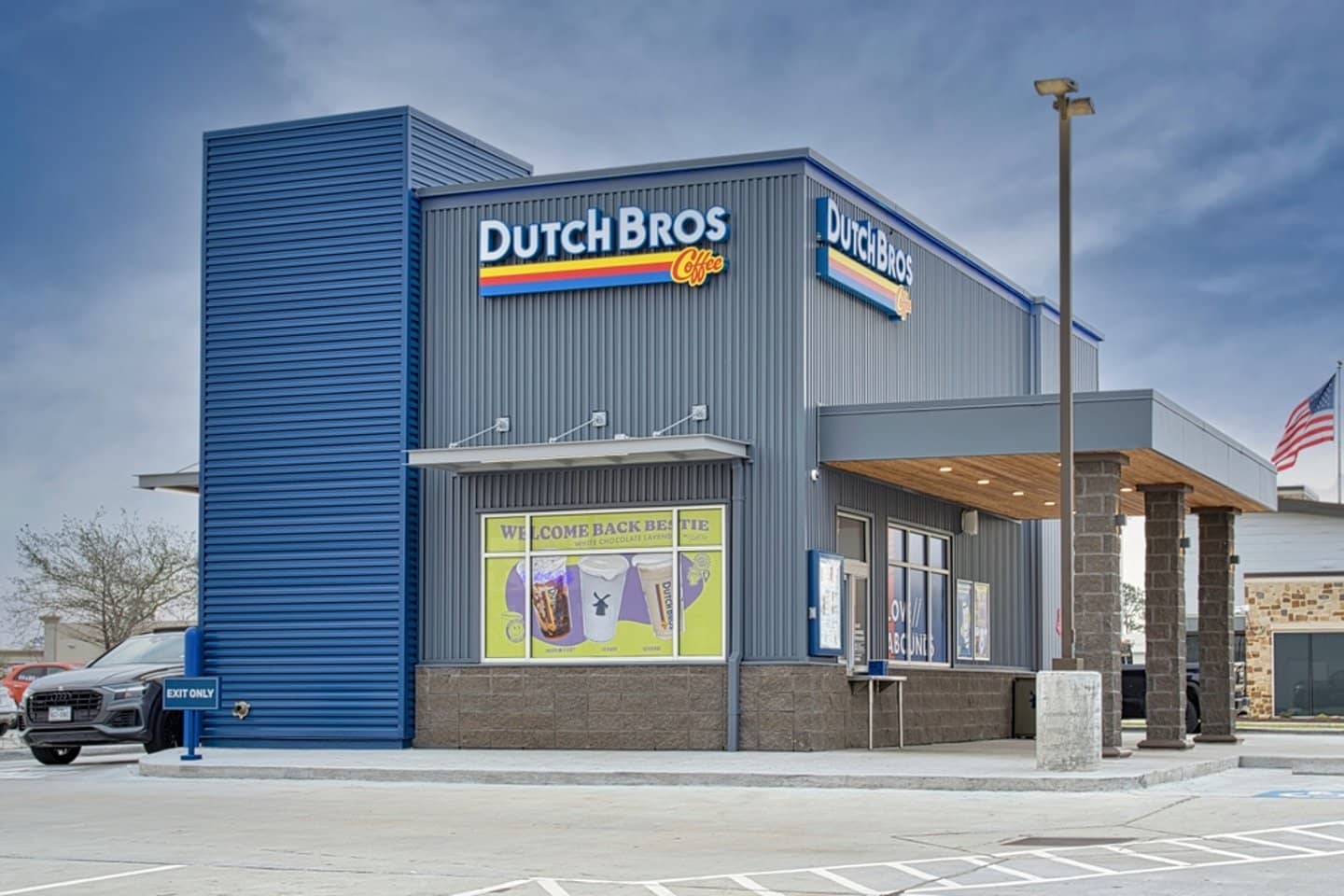
Dutch Bros is pairing that operating focus with a growth algorithm and new product energy. Management reaffirmed a long-term plan targeting 20 percent annual revenue growth and 30 percent store-level margins, translating to over 20 percent annual adjusted EBITDA expansion. In Q1, revenues climbed 30.8 percent to $464.4 million and adjusted EBITDA rose 26.2 percent to $79.4 million, prompting an uptick in openings guidance to at least 185 shops from 181. The strategy assumes single-digit same-store sales lifts fully funded by free cash flow, which management anticipates will remain positive in 2026 and beyond. In May, the company launched “Myst Energy Refreshers,” its first plant-powered, carbonated drink line under 100 calories, as a complement to “Rebel” energy beverages that drive 25 percent of system sales.
Margins remain a live question for every player. World Coffee Portal cautions that green-bean prices, rent inflation, and supply-chain disruptions are dampening profitability even as outlet count rises. Labor represents 35 to 45 percent of coffee shop revenue, a pressure point that explains the rush into forecasting and scheduling tools. McDonald’s Colorado pilot of specialty beverages introduces a potential wild card.

Dutch Bros asserts no immediate impact, but the broader effect on customer trial and category share warrants vigilance. Starbucks plans further expansion under its “Back to Starbucks” turnaround strategy, and Dunkin’s 10,000th U.S. shop underscores the strength of drink-led formats.
The field is widening, not narrowing. Dutch Bros is leaning into people-centric corporate expansion.
7 Brew is betting on white-space franchising with big AUVs. With consumer appetite for convenience still growing, and capacity needs that could add roughly 20,000 coffee shops over the next decade, the race now hinges on real estate discipline, product diversification, and AI-driven labor precision. The brands that marry speed with a consistent guest handoff will keep their spot at the front of the pack.