How to Calculate Food Costs and Increase Restaurant Profit
Learn how to calculate food cost, control margins, reduce waste, price menu items, and use technology to improve restaurant profit.
Apr 29, 2026
Learn how to calculate food cost, control margins, reduce waste, price menu items, and use technology to improve restaurant profit.
Apr 29, 2026
Explore high-traffic Texas markets where restaurants can succeed by matching concepts, customer behavior, visibility, and daily demand.
Apr 30, 2026
Photo by Unseen Histories on Unsplash
A look at how U.S. brands expand through multi-unit deals, cross-border partnerships, and seasoned operators in 2026.
Apr 29, 2026
Photo by Erik Mclean on Unsplash
McDonald’s unveils six beverages across 14,000 restaurants on May 6, expanding McCafé with Refresher and crafted sodas and a new store-level beverage specialist role.
Apr 29, 2026
Explore marketing strategies for food businesses using reviews, professional photos, SEO, social media, partnerships, events, and catering.
Apr 28, 2026
Learn how to write a coffee shop business plan that covers concept, location, menu, finances, branding, marketing, and risk planning.
Apr 27, 2026
Photo by shen wenjie on Unsplash
Holiday-driven menu drops fuse nostalgia with wellness, turning menus into living calendars for fast-casual brands.
Apr 28, 2026
Photo by Abdul Raheem Kannath on Unsplash
Susannah Frost named Chick-fil-A President, joining Cliff Robinson as COO to guide domestic expansion and international growth.
Apr 28, 2026
Photo by Moon Bhuyan on Unsplash
Ghost pepper-led promotions redefine autumn menus as chains blend heat, storytelling, and seasonal collaborations to drive foot traffic.
Apr 28, 2026
Photo by Noah Martinez on Unsplash
CAVA rolls out Garlic Ranch Pita Chips with a Steak + Harissa Bowl and a refreshed Rewards program, tying flavor innovation to personalized guest experiences.
Apr 28, 2026
Discover the dining landscape of America's favorite chains, from steakhouses to quick-service treats, and how menu innovation and customer experience drive their success.

The dining preferences of Americans reflect a dichotomy in consumer spending, with a notable split between indulgent splurges and quick-service treats. This divide showcases how consumers are willing to either invest in upscale dining experiences at steakhouses or opt for convenient and calorie-rich offerings from quick-service establishments. The eclectic mix of choices highlights a nuanced approach to dining, catering to various consumer needs and desires.

Menu innovations play a pivotal role in attracting and retaining customers in America's favorite restaurant chains. From newcomer brands like Nothing Bundt Cakes offering unique cake flavors to the customization options at Brazilian steakhouse Fogo de Chão, menus are evolving to meet diverse consumer demands. With a focus on offering both indulgent treats and healthier options, these chains strive to provide a well-rounded dining experience for patrons of all ages.
The significance of customer experience and socialization cannot be overstated in the success of restaurant chains. Brands like Texas Roadhouse and Bahama Breeze Island Grille prioritize creating vibrant and lively atmospheres that resonate with diners seeking more than just a meal. Whether through themed decor, interactive dining experiences, or engaging service, the emphasis on customer engagement and creating memorable moments sets these chains apart.
Regional chains hold a special place in the hearts of consumers, as they often represent a sense of hometown pride and authenticity. Culver's, In-N-Out, and Whataburger stand out as beloved regional brands, offering menu items that reflect local tastes and preferences. This regional touch not only fosters customer loyalty but also adds a unique flavor to the overall dining landscape, showcasing the diversity of culinary experiences across the United States.

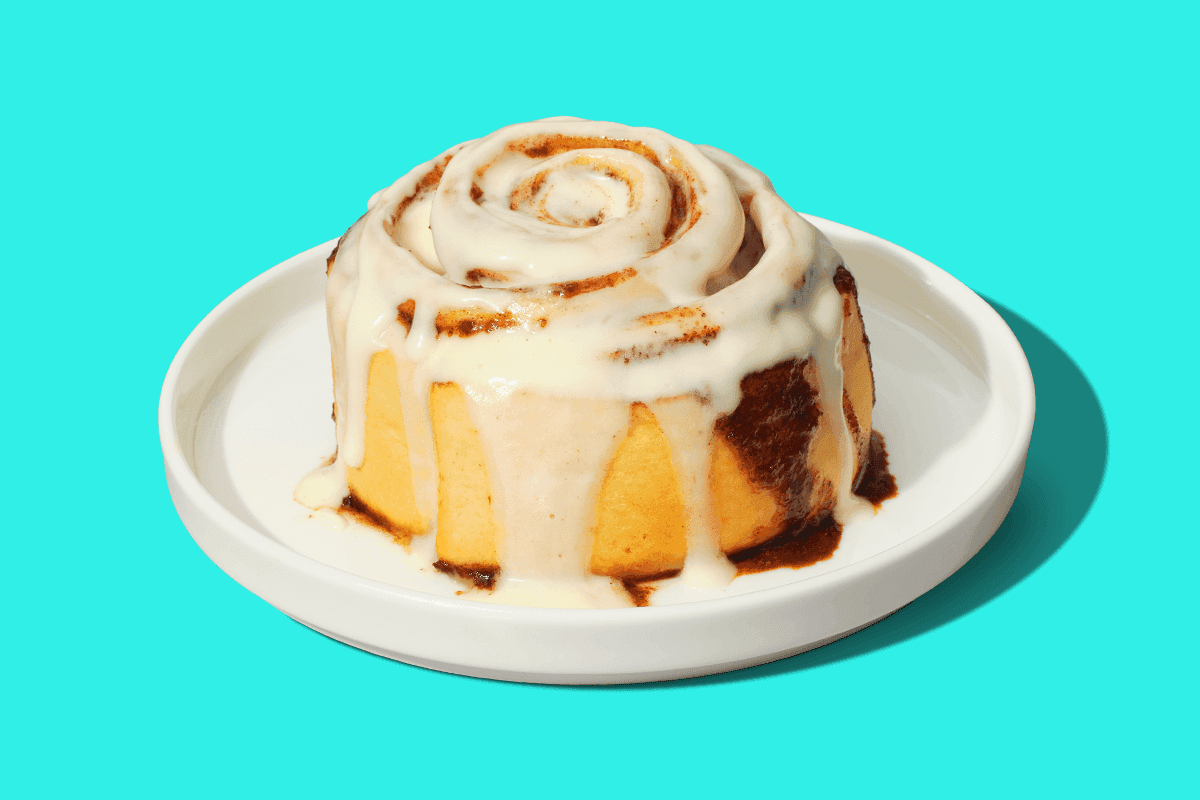
The evolving tastes of consumers, particularly millennials and Gen Z, emphasize a shift towards health-conscious options alongside indulgent treats. Chains like Sweetgreen cater to the growing demand for nutritious and fresh dining choices, appealing to health-conscious flexitarians. Simultaneously, nostalgic dessert brands like Krispy Kreme and Cinnabon continue to captivate younger demographics, underscoring the enduring appeal of comforting and familiar flavors in the dining scene.

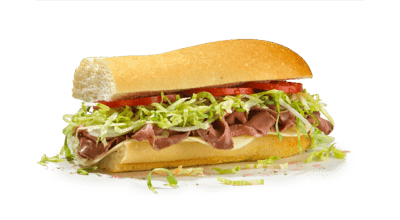
Despite the popularity of bowl concepts, sandwiches maintain a strong foothold in America's dining preferences. Brands like Firehouse Subs and Jersey Mike's excel in offering delicious and customizable sandwich options that appeal to a wide audience. The authenticity and uniqueness of these brands resonate with consumers, particularly younger generations, who value genuine experiences over generic offerings. Authenticity continues to be a driving force in defining the success of restaurant chains in a competitive market.