.png&w=3840&q=70)
Wendy's Top Franchisee Bankruptcy Exposes Growth Risks
Meritage Hospitality's Chapter 11 filing pulls 5% of Wendy's U.S. stores into bankruptcy, exposing cracks in franchising's bigger-is-safer bet.
Franchising
Sep 21, 2026
Meritage Hospitality's Chapter 11 filing pulls 5% of Wendy's U.S. stores into bankruptcy, exposing cracks in franchising's bigger-is-safer bet.
Sep 21, 2026
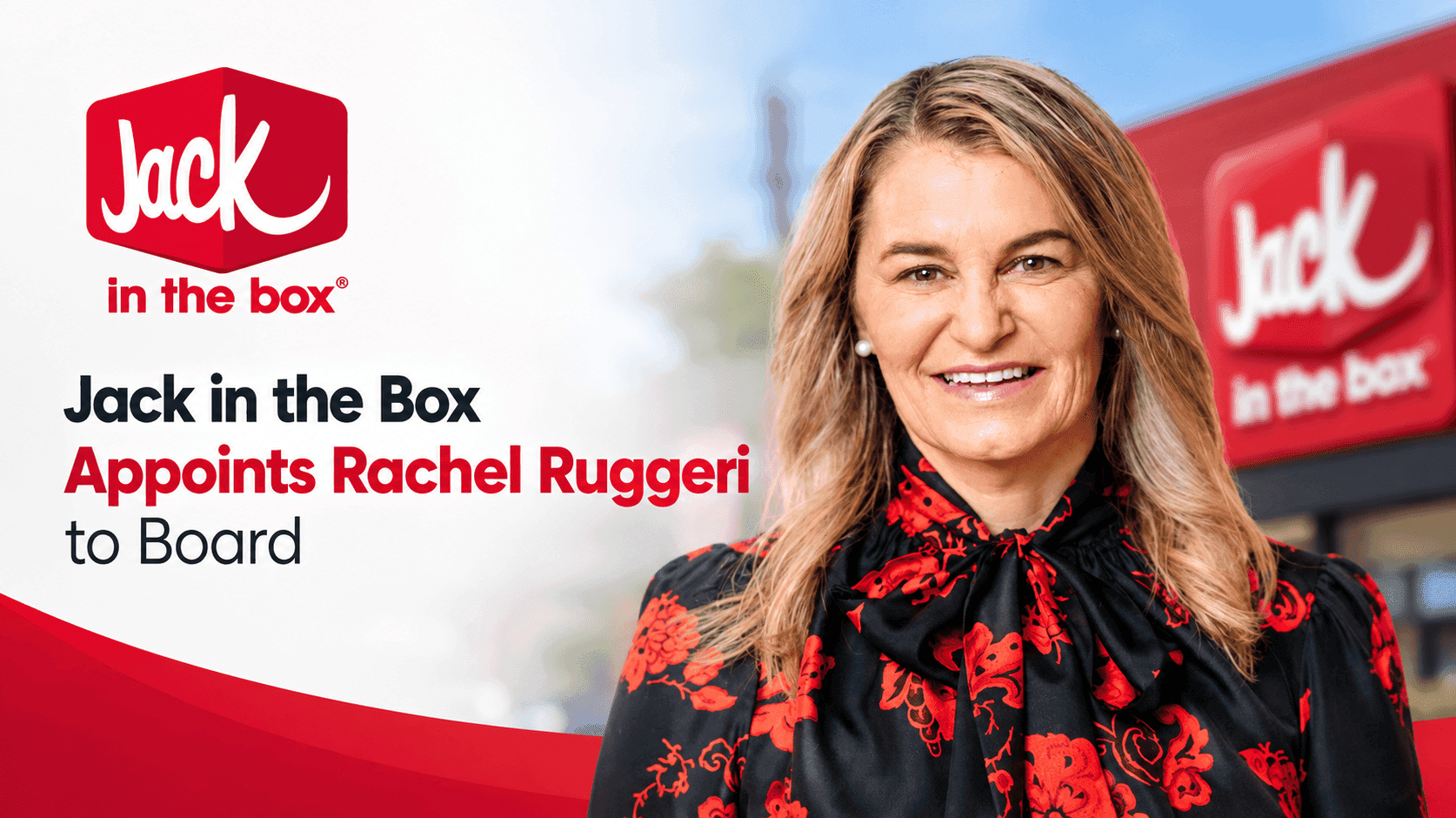
Jack in the Box names Rachel Ruggeri to its board as Michael Murphy retires, amid a CEO transition and deal with investor GreenWood.
Sep 21, 2026

Restaurant inventory tracking helps owners monitor stock, control food costs, reduce waste, improve purchasing, and make informed operational decisions.
Sep 21, 2026

Improve restaurant Google Maps rankings by optimizing your business profile, selecting accurate categories, gathering reviews, adding photos, and strengthening local relevance signals.
Sep 21, 2026

Understand how to forecast restaurant revenue and expenses with methods for sales projection, cost scaling, fixed-cost planning, and risk buffering.
Sep 18, 2026

Restaurant owners can significantly reduce restaurant costs by leveraging technology across inventory, labor, procurement, forecasting, and administrative operations for better profit margins.
Sep 18, 2026

everbowl names Anna Gabele Brand President and Natalie Trzcinski COO, pulling both from Jack in the Box to guide its next growth phase.
Sep 18, 2026

Mountain Mike's Pizza hires Jack in the Box veteran Sheena Dougher as CMO to drive national growth while preserving its regional brand identity.
Sep 17, 2026

From fixed costs to contribution margin, learn exactly how to calculate your restaurant's break even point with confidence.
Sep 16, 2026

DoorDash pays $425M for Wonder's campus dining platform and a stake in Wonder, betting on robotic kitchens and institutional foodservice growth.
Sep 16, 2026

Unlock Exclusive Access To Webinars, Events, And The Latest News For Free!
FAT Brands and Twin Hospitality launched a court-supervised Chapter 11 on January 26, 2026, aiming to deleverage, preserve brand operations across 18 concepts and 2,200+ locations, and push a pipeline of 900 openings and 50 co-branded units.

Photo by Roman
On "January 26, 2026," Fat Brands Inc. and its spun‑off Twin Hospitality Group went voluntary Chapter 11 in the U.S. Bankruptcy Court for the Southern District of Texas with a clear message: reset the balance sheet while keeping restaurants open and supported. The companies are operating as debtors‑in‑possession and say the process is built to restructure debt, maximize stakeholder value, and bolster support for franchised brands with operations intact. This is a big, complex portfolio, "18" restaurant concepts and "over 2,200" locations globally, covering names like Fatburger, Johnny Rockets, Round Table Pizza, Marble Slab Creamery, Fazoli’s, Twin Peaks, and Smokey Bones. They also filed customary "first-day" motions to keep cash and systems flowing, "maintain cash operations" and "preserve cash management", so day-to-day service doesn’t stall while negotiations move forward. FAT Brands’ stock continues trading on NASDAQ with a "Q" suffix during the case, flagging the in‑court status while maintaining public visibility. The court papers show the scale and uncertainty: assets and liabilities each estimated "between $1 billion and $10 billion." It’s a wide range, but it sets expectations for a judicially choreographed reset, not a fire sale. Analysis: The Chapter 11 launch pairs continuity with court oversight, signal sent to franchisees, employees, and investors that the kitchens stay open while a plan to deleverage takes shape at scale.
The filing’s backstory is a securitization engine that ran hot, until it didn’t. Filings attribute the restructuring to a liquidity crunch tied to an intricate securitized debt stack, with funded debt exceeding "$1.45 billion" across vehicles tied to royalty streams and management fees. When trustees accelerated the debt in "November 2025," they demanded immediate repayment of "approximately $1.26 billion" in principal. That move hit the gas and the brakes at once, compressing liquidity from "$57 million" to "just $23 million" and pushing the company into default territory. By the petition date, the cash picture was stark: unrestricted cash had fallen to "$2.1 million," with an additional "$19.9 million" restricted. Royalty-backed financing can sparkle in expansion cycles, but when traffic and fee flows slow, the leverage shows its teeth. The acceleration event forced a choice: stretch an already tight cash position or take the fight into a forum built to restructure large, complex capital stacks. The companies chose the courtroom. Analysis: The securitization model amplified downside when royalties softened; acceleration compressed liquidity so sharply that in‑court restructuring became the only workable option to realign obligations with cash reality.
The first task in any restaurant bankruptcy is keeping the line moving, payroll, vendors, distribution, the whole chain. Operating as debtors‑in‑possession, the companies teed up "first-day" motions specifically to "maintain cash operations," "preserve cash management systems," and "support ongoing business continuity." It’s the playbook that keeps franchise support and corporate services steady while lawyers and lenders sort out the capital structure. In short: preserve the cash spine so the brand muscle can keep working. There’s also a signaling effect. FAT Brands’ stock keeps trading with a "Q", a small letter with a big meaning, broadcasting the reorganization while keeping the brand publicly visible. With portfolio breadth across 18 concepts, the continuity narrative becomes a core asset: guests still get their burgers, pizza, pasta, and wings, and franchisees still get support while the parent resets its debt footing. Analysis: Standard Chapter 11 mechanics provide breathing room and keep partners engaged; day‑to‑day continuity is the bridge that makes a complex renegotiation credible without starving the operating brands.

The twist here: the pipeline isn’t on ice. Management points to "approximately 900" committed new‑unit openings over "the next five to seven years," forecasting "$50 million to $60 million" in incremental earnings once those stores are fully up and running. That’s not just sizzle. It’s a forward anchor for creditors evaluating recoveries and for franchisees betting on long‑term brand horsepower. Co‑branding adds extra fuel. In Rancho Cordova, California, a Fatburger–Round Table Pizza pairing used excess kitchen capacity and nearly "doubled" weekly sales and transactions. That’s the kind of big win operators love: two brands, one box, throughput gains without doubling the rent line. With "Roughly 50" co‑branded restaurants in the development pipeline, the company is pitching a capital‑efficient, margin‑friendly lever that scales. Analysis: A visible development slate and proven co‑branding uplift strengthen the case that earnings can ramp post‑reorg; execution during court oversight will determine whether the pipeline cooks as advertised.

Governance is getting a hard reset alongside the balance sheet. Founder and CEO Andy Wiederhorn returned after resigning in 2023, with criminal charges dropped in "mid‑2025." Scrutiny didn’t end there, though. Derivative and SEC matters continued, including allegations of improper personal use of company funds "exceeding $27 million." In "December 2025," a Derivative Action settlement received public approval: "$10 million" in insurer‑funded compensation, transfer of "200,000" Twin Hospitality shares, and the formation of a Related Party Transactions Committee to oversee any dealings tied to Wiederhorn affiliations. To reinforce oversight during restructuring, Twin Hospitality added independent directors "Patrick Bartels" and "Neal Goldman," each compensated "$40,000" monthly with a "$7,500" per diem. A Chief Restructuring Officer from "Huron Consulting Services" is also engaged, another layer meant to steady negotiations and rebuild confidence. These steps don’t erase past controversy, but they lay down lines on the field so play can continue under tighter rules. Analysis: Creditor trust hinges on cash math and governance discipline; committees, independent directors, and a CRO form the spine of a credibility rebuild while leadership continuity keeps brand direction intact.
Another tension point sits in court: a lawsuit led by 352 Capital, described as a Jefferies‑backed fund, alleging default and seeking pledged Twin Peaks shares as collateral. The claim clocks in at "$158.9 million" including accrued interest. That’s a heavy swing at a valuable growth asset, and it complicates any plan that leans on Twin Peaks’ momentum to drive future returns. At the same time, trading status is shifting. FAT Brands faces delisting from Nasdaq, with shares slated to move to OTC markets as of "February 4, 2026." Lower liquidity and a thinner investor base typically follow, which can chill sentiment while the case is active. Layer on the petition‑date cash, "$2.1 million" unrestricted and "$19.9 million" restricted, and the headline balance‑sheet range of "between $1 billion and $10 billion," and you’ve got a capital structure that must be carefully rebuilt under the court’s eye. Visibility matters in that journey, and so does resolving litigation that targets crown‑jewel collateral. Analysis: The collateral dispute and market downgrade tighten the screws on negotiations; a workable plan has to neutralize litigation risk and preserve access to capital while brand operations stay steady.

Portfolio moves tell you how a company plans to earn its way out. Twin Peaks, described as a "breastaurant", is pressing ahead with expansion into Connecticut, targeting New Haven, Hartford, and Stamford/Bridgeport through a partnership with New London Hospitality. Development is said to remain steady despite the Chapter 11 context. That’s a vote of confidence in a concept positioned as a growth engine. Smokey Bones is getting a trim. At least "six" locations will close across several states in "2026," with a broader program to shutter "up to 30" underperforming units. Some of those sites will convert into Twin Peaks lodges as the portfolio is rebalanced. It’s the classic clear‑and‑fill: close weaker performers, pour investment into winners, and use conversions to speed the ramp where markets match. Analysis: Concentrating capital behind stronger banners while pruning laggards aligns with the deleveraging goal; conversions could be a fast lane to growth if unit economics at Twin Peaks stay resilient.

The path forward is visible, even if some numbers are still foggy. Continuity messaging, the requested "first-day" relief, the "approximately 900" planned openings, and the "Roughly 50" co‑branded projects draw a line from court protection to future earnings, projected at "$50 million to $60 million" once the development slate is fully on line. Yet the asset‑liability range of "between $1 billion and $10 billion" limits precision in modeling recoveries, and the "$158.9 million" collateral fight sits unresolved. The move to OTC on "February 4, 2026" adds trading friction just as the company needs stable support. Here’s the lesson: in restaurants, momentum loves a clean line of sight. Chapter 11 is the bridge from stressed liquidity to a more durable capital structure, but the bridge holds only if operations stay smooth, royalties stabilize, key lawsuits settle without gutting growth assets, and development keeps showing up on time and on budget. Co‑branding that nearly "doubled" sales in a test market is promising; pruning "up to 30" underperformers is disciplined. Put together, it’s a play to protect the brands guests love while reshaping the balance sheet, practical moves that, if executed well, make the eventual exit from court not just possible but worth the trip. Analysis: Credibility now rides on near‑term court approvals, steady royalty cash flows, timely litigation resolution, and visible progress on the build‑out that underpins the earnings ramp.
