
What Is a P&L Statement in a Restaurant?
A restaurant P&L statement reveals sales, expenses, and profits, helping owners manage costs, improve margins, and plan finances more effectively.
Accounting
Aug 26, 2026
A restaurant P&L statement reveals sales, expenses, and profits, helping owners manage costs, improve margins, and plan finances more effectively.
Aug 26, 2026
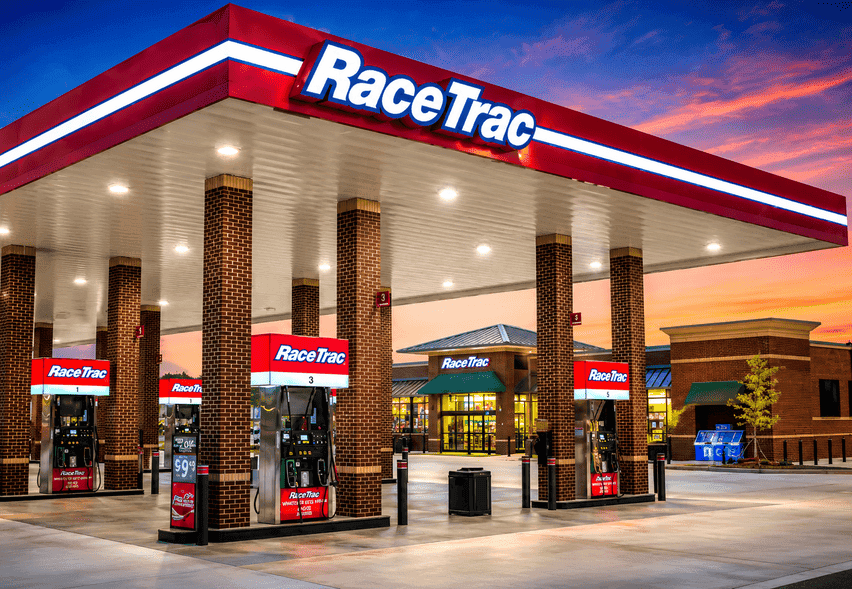
RaceTrac has appointed Jill Pemberton as chief financial officer, succeeding Karla Ahlert, who moves into the newly created role of chief administrative officer.
Aug 26, 2026
Learn practical ways to reduce labour costs through smarter scheduling, forecasting, productivity, cross-training, automation, overtime control, and performance monitoring strategies.
Aug 26, 2026
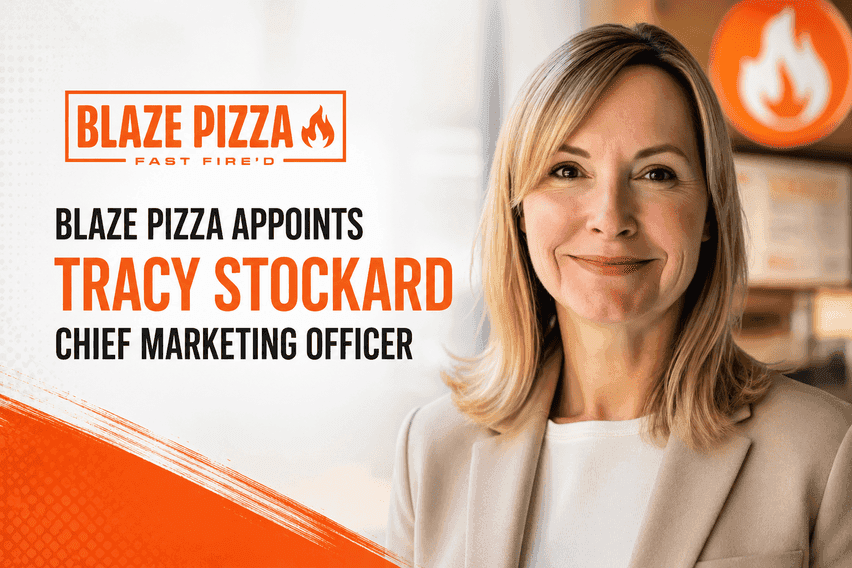
Blaze Pizza welcomes Tracy Stockard as Chief Marketing Officer, bringing decades of brand and franchise experience to drive strategic growth and guest engagement.
Aug 25, 2026

Create a practical restaurant marketing plan by setting goals, targeting customers, choosing channels, budgeting wisely, scheduling campaigns, and measuring results.
Aug 24, 2026

Levain Bakery appoints Lorna Sommerville and Taya Stenson as co-CEOs, blending operational and marketing expertise to power national expansion and innovation while staying rooted in its brand values.
Aug 25, 2026

A payroll advance policy helps restaurant owners define eligibility, limits, repayment, documentation, approval procedures, and compliance requirements for employee advances.
Aug 24, 2026
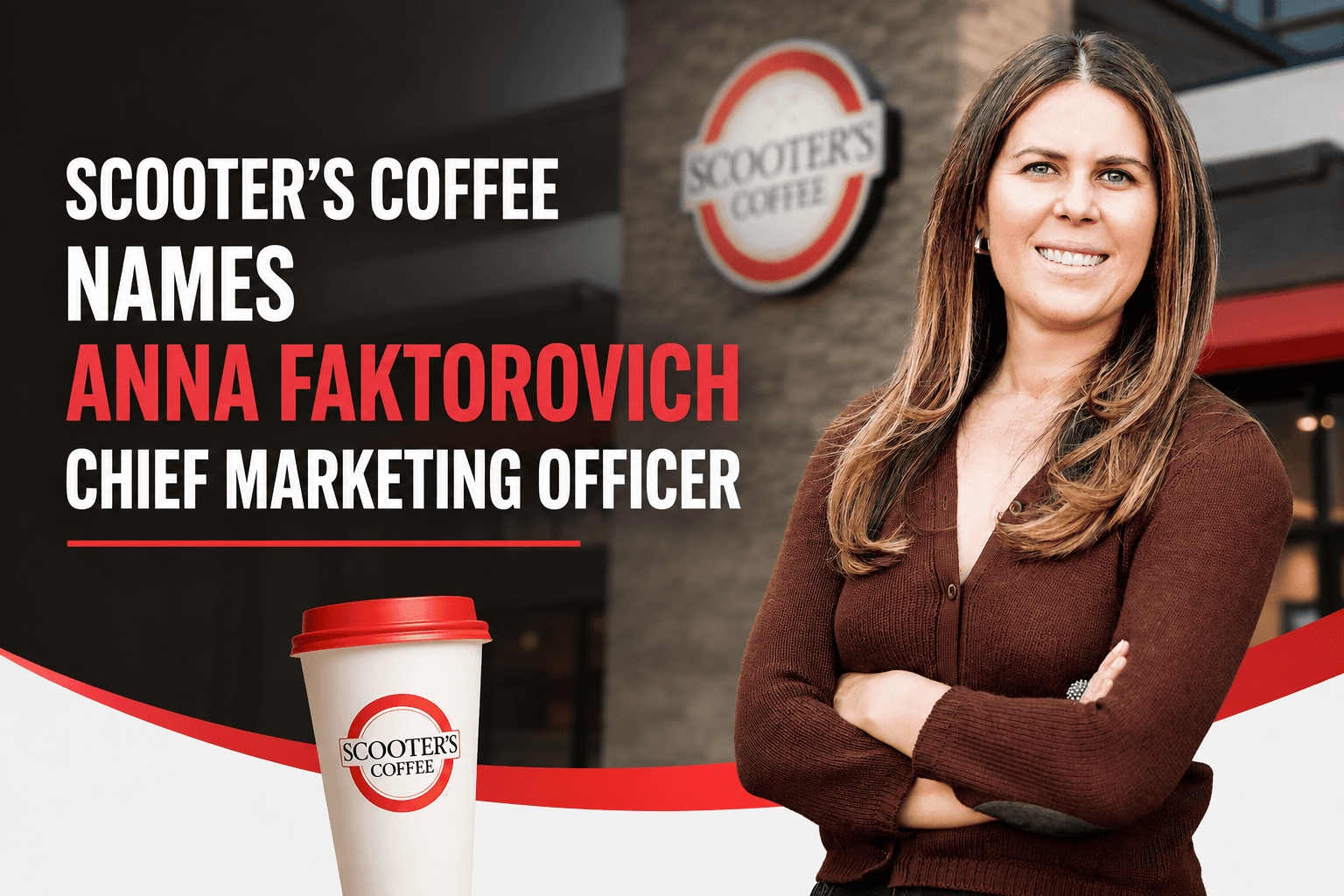
Anna Faktorovich, a seasoned marketing executive, has been named Chief Marketing Officer at Scooter’s Coffee, bringing decades of multi-brand experience to fuel the franchise’s next growth stage.
Aug 25, 2026
Wendy’s announces Tariq Hassan as Chief Marketing and Customer Growth Officer, charting a new course for brand and digital innovation. What restaurant owners can learn.
Aug 24, 2026
Dave & Buster's refreshes its executive lineup with seasoned leaders in operations, marketing, tech, and finance - signaling a growth-driven future for restaurant operators to watch.
Aug 24, 2026

Unlock Exclusive Access To Webinars, Events, And The Latest News For Free!
AI helps restaurants forecast inventory needs by improving ordering, reducing waste, planning prep, preventing stockouts, and controlling food costs.
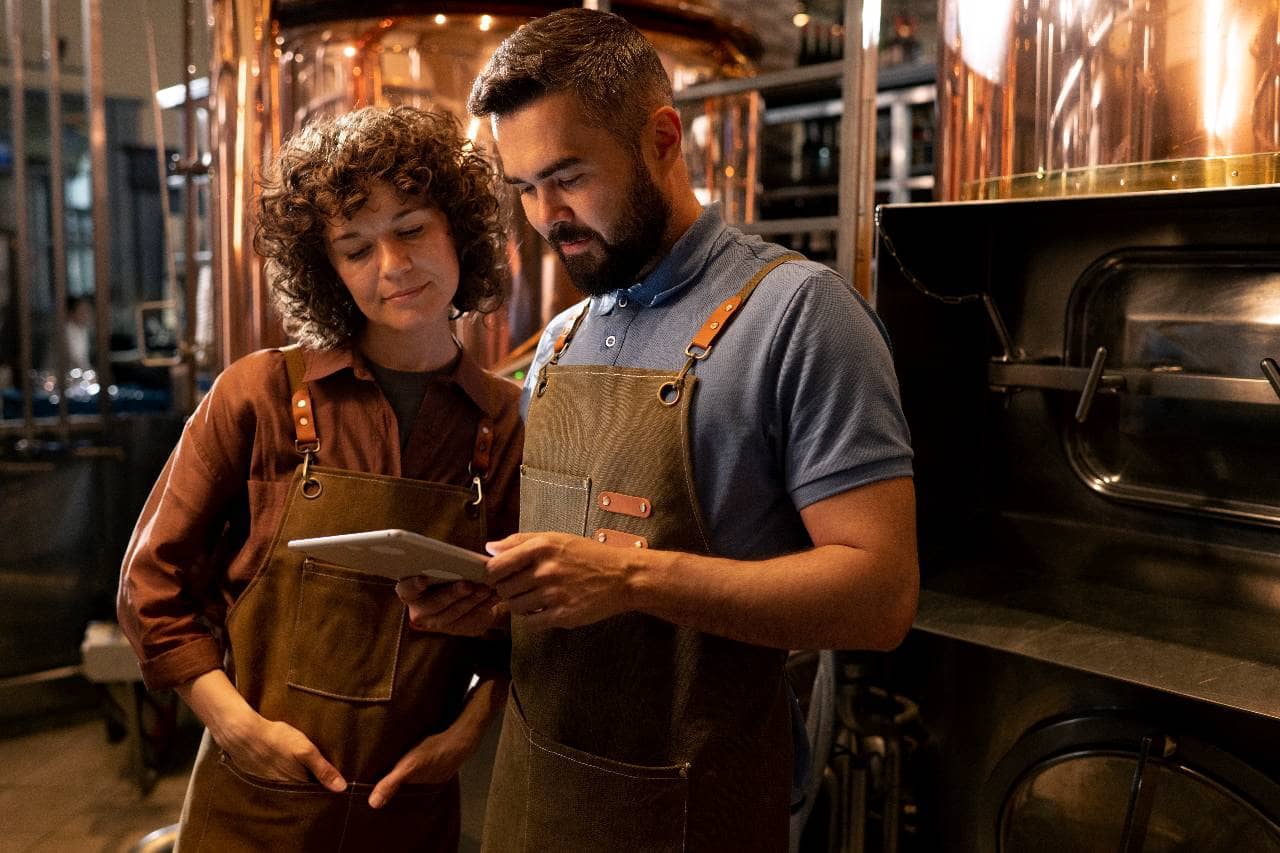
AI inventory forecasting means using restaurant data to predict what ingredients the business will need before managers place the next order. Instead of relying only on manual counts, guesswork, or last week's purchase habits, AI looks at patterns across sales, recipes, menu mix, inventory levels, waste, and supplier lead times. In simple terms, AI connects what guests are likely to order with what the kitchen needs to have on hand. If chicken sandwiches usually sell more on Fridays, salads increase during warmer weather, or soup demand rises during colder weeks, AI can identify those patterns faster than a manual spreadsheet. It can then help estimate how much product the restaurant should order, prep, and store. A strong AI forecast may review several types of information - 1. Sales history - what sold by day, hour, season, and location. 2. Recipe data - how much of each ingredient is used in every menu item. 3. Current inventory - what is already in stock and what is close to running out. 4. Waste and spoilage trends - which items are being thrown away, over-prepped, or underused. 5. Vendor lead times - how long it takes for products to arrive after ordering. The value of AI is speed and accuracy. A manager may notice that burgers sell well on weekends, but AI can go deeper by identifying exact patterns, ingredient impact, and order timing. It helps turn inventory from a reactive task into a planning tool. For restaurant owners, this matters because better forecasting can reduce over-ordering, prevent stock-outs, improve cash flow, and support more consistent food cost control. AI does not replace the manager's judgment, but it gives managers better information to act on before inventory problems become expensive.
Past sales are useful, but they only explain what already happened. Restaurant demand can change quickly when the weather shifts, a local event brings in more traffic, or ingredient prices move. AI inventory forecasting helps owners prepare for these changes before they create waste, stock-outs, or rushed ordering decisions. 1. Weather Can Change What Guests Order Weather has a direct impact on restaurant behavior. Hot days may increase demand for cold drinks, salads, smoothies, iced coffee, and patio-friendly meals. Rain or storms may slow dine-in traffic but increase takeout and delivery orders. Cold weather may drive more demand for soups, hot beverages, pasta, and comfort foods. AI can connect these weather patterns to sales and help owners adjust inventory before the shift happens. 2. Local Events Can Create Sudden Demand Spikes Sports games, concerts, festivals, conferences, school breaks, and community events can all change normal ordering patterns. A restaurant near a stadium may need more appetizers, beer, wings, or quick-turn menu items on game day. A family restaurant near schools may see different traffic during holidays, graduations, or summer break. AI can help owners plan around these dates instead of being surprised by them. 3. Calendars Help Restaurants Prepare Earlier AI can use calendars to spot predictable changes in demand. Holidays, long weekends, school schedules, catering dates, and seasonal events can all affect what ingredients need to be ordered. This helps managers plan ahead instead of making last-minute purchases when suppliers may be limited or prices are higher. 4. Macro Trends Affect Purchasing Decisions Inflation, seasonal ingredient prices, fuel costs, and supply chain delays can all affect inventory planning. If seafood becomes harder to source or beef prices rise, AI-supported forecasting can help owners adjust order timing, review substitutions, or promote menu items with better availability. When AI combines past sales with weather, events, calendars, and market trends, inventory forecasting becomes more practical. Owners can order with better timing, protect menu availability, reduce waste, and make smarter purchasing decisions before problems reach the kitchen.

A sales forecast can tell a restaurant owner that demand may be higher next Friday. A better forecast goes deeper. It explains what that demand actually means for the walk-in, dry storage, prep table, and supplier order. For example, predicting 50 lasagna orders is only the first layer. The real inventory question is - how much ground beef, ricotta, pasta sheets, tomato sauce, shredded cheese, herbs, and packaging will the kitchen need to support those 50 orders without overbuying? This is where AI becomes useful. It connects menu items to recipe data, portion sizes, modifiers, and ingredient usage. Instead of treating inventory as one large count, AI breaks demand into smaller pieces that owners can act on. A pasta dish becomes ounces of sauce. A burger becomes buns, patties, cheese slices, lettuce, tomatoes, and fries. A salad becomes greens, toppings, dressing, and proteins. This level of detail matters because menu sales do not always move inventory evenly. A restaurant may have strong sales, but if more guests are choosing steak, seafood, or premium add-ons, the ingredient impact is very different than a week driven by sandwiches or appetizers. AI can help identify those shifts early. It can also account for modifiers. Extra cheese, sauce on the side, gluten-free substitutions, protein upgrades, and removed ingredients all affect usage over time. Small changes at the guest level can become large inventory differences by the end of the week. For restaurant owners, granular forecasting creates better control. It helps managers order closer to actual need, prep more accurately, reduce waste, and protect food cost. Most importantly, it turns a broad sales prediction into a practical kitchen plan.
Not every ingredient should be forecasted the same way. A case of canned tomatoes can sit in dry storage much longer than fresh seafood, cut fruit, herbs, dairy, or prepared sauces. This is why AI inventory forecasting is useful beyond basic ordering. It helps restaurant owners understand when products need to be ordered, how fast they need to move, and how much should be prepped before service. Fresh items require tighter control because the cost of being wrong is higher. If too much produce is ordered, it may wilt before it is used. If too little seafood is ordered, the kitchen may run out before dinner service. AI can group ingredients by shelf life, usage speed, and demand patterns so managers can prioritize the items most likely to create waste or stock-outs. Prep planning is another major benefit. A restaurant may need more product for Friday dinner than Monday lunch, but that does not mean everything should be prepped at once. AI can help predict demand by day-part, such as lunch rush, dinner peak, late-night traffic, catering orders, or weekend volume. This allows managers to prep in smarter batches instead of overloading stations with food that may not sell. Batch cook forecasting also protects labor. When prep teams know what is likely to sell, they can focus on the right items at the right time. That means fewer last-minute rushes, less over-prepping, and better use of kitchen hours. For restaurant owners, the goal is simple - keep enough fresh product ready to meet demand without turning the walk-in into a waste bin. Strong AI forecasting helps balance freshness, availability, prep efficiency, and food cost control.
Once AI can forecast inventory needs, the next step is turning that forecast into an ordering plan. This is where smart ordering systems can help restaurant owners move faster and make fewer manual decisions. Instead of waiting for a manager to notice that chicken, lettuce, or fryer oil is running low, AI can compare forecasted demand against current stock levels. If the system predicts a shortage before the next delivery, it can suggest what to order, how much to order, and when the order should be placed. This helps in three important ways - First, AI can create suggested purchase orders. These order sheets are based on expected sales, recipe usage, current inventory, waste trends, and vendor lead times. Managers still review the order, but they are starting from a smarter recommendation instead of a blank sheet or last week's guess. Second, AI can support dynamic reorder points. Traditional inventory systems often use fixed minimum levels, such as "reorder when chicken drops below 20 pounds." AI can make that threshold more flexible. If a busy weekend, catering order, or weather shift is expected, the reorder point can increase. If demand is expected to slow down, the system can recommend a smaller order. Third, AI can help with supplier syncing. When inventory systems connect with vendor catalogs, restaurants can adjust orders based on real-time product availability, pricing, delivery windows, and lead times. If one item is unavailable, managers can plan substitutions earlier instead of reacting at the last minute. For restaurant owners, automation does not remove control. It reduces repetitive work and gives managers better information before they approve an order. The result is fewer stock-outs, less over-ordering, better vendor planning, and a purchasing process that is more connected to actual demand.

AI inventory forecasting is not just a purchasing tool. It also improves what happens inside the kitchen before, during, and after service. When restaurant owners know what ingredients are likely to move, they can make better decisions about prep, labor, storage, and menu execution. One of the biggest benefits is labor optimization. If the forecast shows higher demand for marinated proteins, chopped produce, sauces, or baked items, managers can schedule prep cooks at the right time. This reduces unnecessary labor hours during slow periods and prevents the kitchen from scrambling during busy shifts. AI forecasting can also improve storage and space efficiency. Most restaurants do not have unlimited walk-in cooler or dry storage space. Ordering too much product can crowd shelves, slow down line checks, and increase spoilage risk. Better forecasting helps restaurants order closer to what they need for the next cycle, keeping storage cleaner and easier to manage. Another benefit is menu agility. If AI shows that certain ingredients are moving slower than expected, managers can act before those items expire. A chef might run a lunch special, promote an item on the menu board, adjust prep levels, or shift product into another recipe. This gives owners more control over waste and profitability. Instead of discovering expired product during the next inventory count, the restaurant can respond earlier. The real value of AI inventory forecasting is that it connects purchasing decisions to daily kitchen execution. Better forecasts help teams prep smarter, use storage more efficiently, reduce waste, and keep the menu available without overloading the operation.
AI inventory forecasting is most valuable when restaurant owners use it to guide real decisions, not just review reports. The aim is to turn predictions into smarter ordering, cleaner prep planning, lower waste, and stronger food cost control. 1. Use AI Forecasts as a Planning Tool AI can help owners see what the kitchen may need before problems happen. Instead of reacting to stock-outs, expired products, or emergency orders, managers can plan purchases, prep work, and staffing with more confidence. 2. Keep the Data Accurate AI is only as useful as the information behind it. Recipes, portion sizes, inventory counts, waste logs, purchase history, and menu data need to be accurate. If the data is outdated or incomplete, the forecast may lead to the wrong ordering decisions. 3. Combine AI With Manager Judgment AI can recommend what to order, but managers still understand real-world conditions. A short-staffed kitchen, supplier delay, catering order, menu change, or local event may require adjustments. The best results come from using AI insights with operator experience. 4. Turn Forecasts Into Action A forecast only matters if the restaurant acts on it. Owners should use AI predictions to update order quantities, adjust prep lists, review par levels, manage slow-moving inventory, and protect menu availability. 5. Measure the Results Over Time Restaurant owners should review whether forecasts are improving food cost, waste, stock-outs, and cash flow. Tracking the results helps managers fine-tune the system and build better inventory habits. In the end, AI inventory forecasting helps restaurants become more proactive. It gives owners a clearer view of what the kitchen needs, when to order, and how to reduce waste before inventory problems become expensive.
