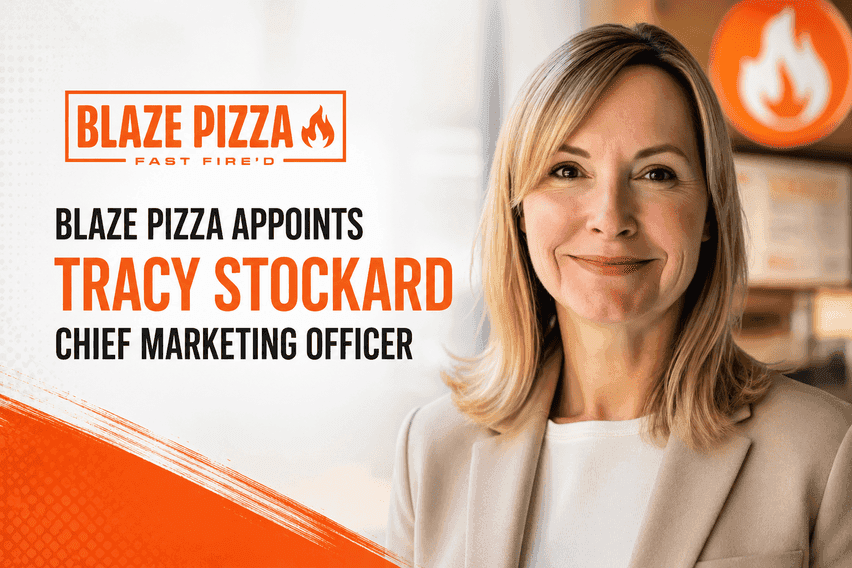
Blaze Pizza Names Tracy Stockard CMO
Blaze Pizza welcomes Tracy Stockard as Chief Marketing Officer, bringing decades of brand and franchise experience to drive strategic growth and guest engagement.
News
Aug 25, 2026
Blaze Pizza welcomes Tracy Stockard as Chief Marketing Officer, bringing decades of brand and franchise experience to drive strategic growth and guest engagement.
Aug 25, 2026
A payroll advance policy helps restaurant owners define eligibility, limits, repayment, documentation, approval procedures, and compliance requirements for employee advances.
Aug 24, 2026
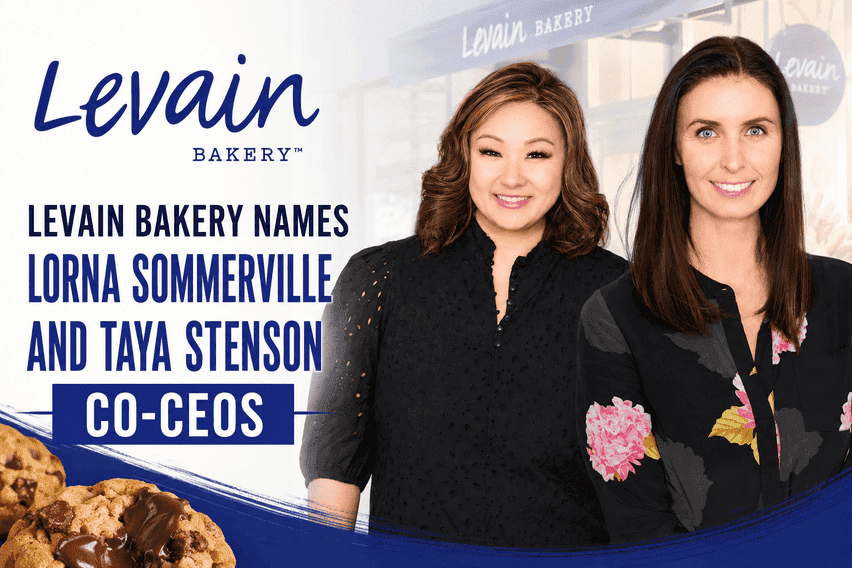
Levain Bakery appoints Lorna Sommerville and Taya Stenson as co-CEOs, blending operational and marketing expertise to power national expansion and innovation while staying rooted in its brand values.
Aug 25, 2026

Create a practical restaurant marketing plan by setting goals, targeting customers, choosing channels, budgeting wisely, scheduling campaigns, and measuring results.
Aug 24, 2026
Wendy’s announces Tariq Hassan as Chief Marketing and Customer Growth Officer, charting a new course for brand and digital innovation. What restaurant owners can learn.
Aug 24, 2026
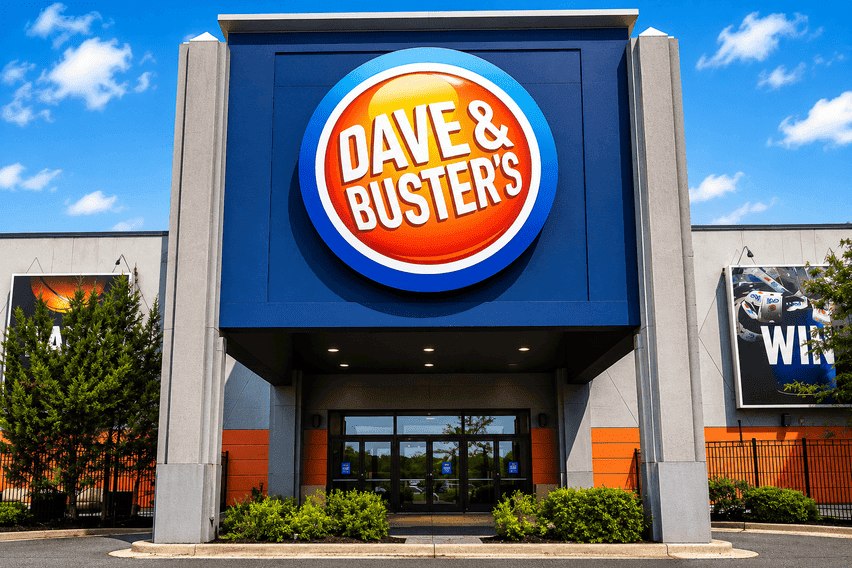
Dave & Buster's refreshes its executive lineup with seasoned leaders in operations, marketing, tech, and finance - signaling a growth-driven future for restaurant operators to watch.
Aug 24, 2026
Learn how to build a restaurant back office software stack that improves efficiency, integrations, reporting, cost control, and scalability overall.
Aug 21, 2026
Clear operating procedures help restaurants manage opening, closing, food preparation, sanitation, guest service, inventory, staffing, and routine operational reviews effectively.
Aug 21, 2026
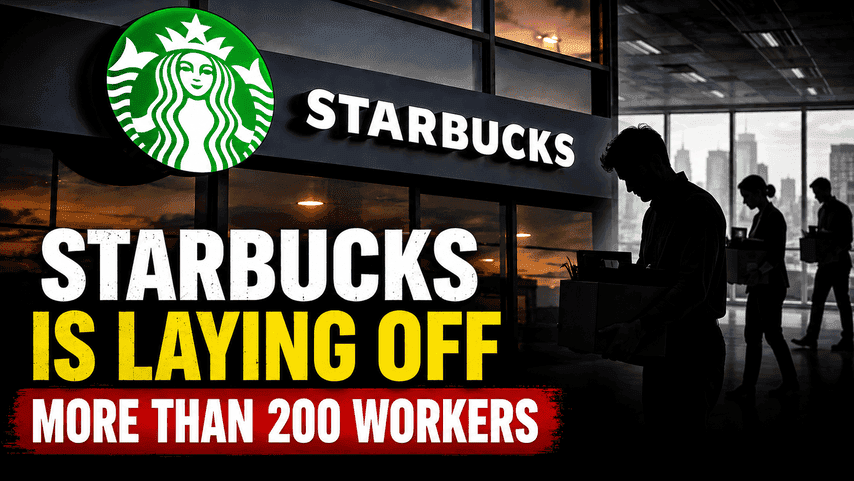
Starbucks is making strategic staffing changes, laying off 200+ workers as it restructures operations and prepares for future growth in southern and eastern regions.
Aug 21, 2026
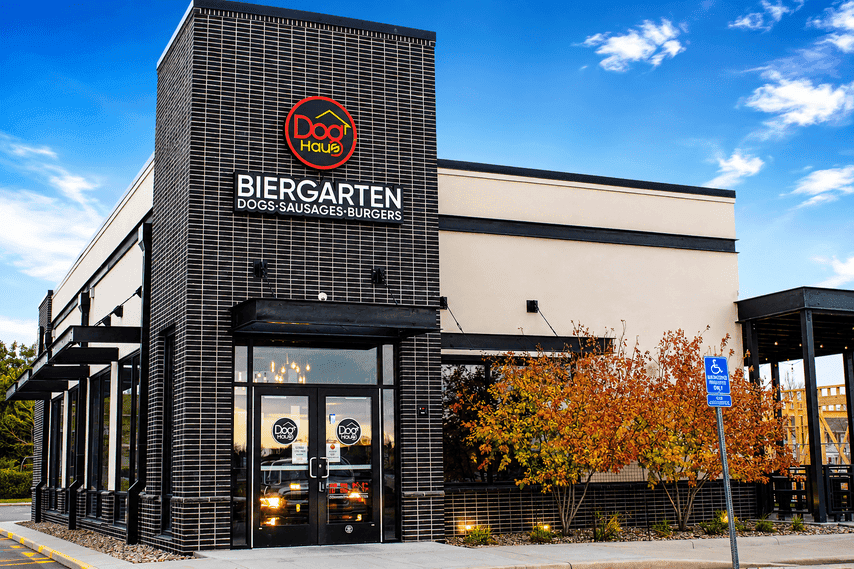
Dog Haus appoints James Field as chief marketing officer and promotes CJ Ramirez to chief experience officer, setting the stage for innovative brand growth and franchisee success in the national restaurant scene.
Aug 21, 2026

Unlock Exclusive Access To Webinars, Events, And The Latest News For Free!
Create a practical restaurant marketing plan by setting goals, targeting customers, choosing channels, budgeting wisely, scheduling campaigns, and measuring results.
A strong restaurant marketing plan starts with clear goals. Without specific objectives, it becomes difficult to decide which marketing activities deserve your time and budget or whether your efforts are producing meaningful results. Begin by identifying what you want marketing to accomplish for your restaurant. Your goals should connect directly to business priorities rather than broad objectives such as "get more customers." For example, you may want to - 1. Increase monthly restaurant sales by a specific percentage. 2. Generate more direct online orders through your website or ordering platform. 3. Attract more first-time customers from your local area. 4. Increase repeat visits from existing guests. 5. Grow your email or SMS subscriber list for future promotions. 6. Increase traffic during slower periods, such as weekday afternoons. 7. Improve average order value through promotions, bundles, or upselling. 8. Build greater local brand awareness in your surrounding community. Whenever possible, make each goal measurable and time-bound. Instead of setting a goal to "increase online orders," for example, aim to increase direct online orders by 15% within the next six months. Restaurant owners should also avoid trying to accomplish everything at once. Choose a small number of priorities based on your restaurant's current needs. Clear goals make it easier to select marketing channels, create campaigns, establish a budget, and determine which performance metrics to track.
Once you have defined your marketing goals, the next step is identifying the customers you want to reach. A restaurant marketing plan is more effective when promotions, messaging, and marketing channels are built around a clearly defined audience rather than trying to appeal to everyone. Start by looking at the customers who already visit your restaurant. Consider characteristics such as - 1. Age and life stage, including students, families, professionals, or retirees. 2. Location, such as nearby neighborhoods, business districts, or delivery areas. 3. Dining preferences, including dine-in, takeout, delivery, or online ordering. 4. Spending habits, including typical check size and ordering frequency. 5. Dining occasions, such as lunch, dinner, weekend outings, celebrations, or quick weekday meals. 6. Menu preferences, including popular dishes, dietary needs, or price sensitivity. 7. Communication habits, such as whether customers respond better to email, SMS, social media, or search. You can use information from your POS system, online ordering platform, loyalty program, website analytics, and customer feedback to better understand these patterns. From there, create a few simple customer profiles that represent your most valuable audiences. For example, a fast-casual restaurant may target nearby office workers during lunch and families during evenings and weekends. Knowing who you are trying to reach makes it easier to choose the right promotions, write relevant marketing messages, and invest in channels your customers actually use. The more specific your audience is, the more focused and efficient your restaurant marketing efforts can become.

A restaurant marketing plan should reflect the market you operate in, not just your internal goals. Understanding local demand and competitor activity can help you identify where your restaurant stands and where better marketing opportunities may exist. Begin by reviewing nearby restaurants that compete for the same customers. Pay attention to factors such as - 1. Menu offerings and pricing to see how your restaurant compares. 2. Customer reviews to identify recurring praise, complaints, and unmet expectations. 3. Promotions and discounts competitors use to attract traffic. 4. Social media activity to understand how often they post and what content generates engagement. 5. Online ordering options and how easy it is for customers to place an order. 6. Loyalty programs and email offers used to encourage repeat visits. 7. Positioning and messaging to see how competitors describe their value. You should also examine broader local market conditions. Consider customer demographics, nearby businesses, residential growth, seasonal traffic, local events, and changes in dining habits. These factors can influence which marketing tactics are most likely to work. The goal is not to copy competitors. Instead, use this information to identify gaps and opportunities. If nearby restaurants rarely promote lunch specials, for example, that may create an opportunity to target local workers during slower midday periods. A clear understanding of your market helps you make smarter decisions about pricing, promotions, messaging, and marketing channels while giving your restaurant a more distinct position in the local market.
Your marketing message should clearly explain why customers should choose your restaurant instead of another option. It gives your promotions a consistent direction and helps customers quickly understand what makes your restaurant relevant to them. Begin by identifying the qualities that make your restaurant distinctive. These may include your menu, pricing, service style, convenience, atmosphere, location, speed, ingredients, or overall dining experience. Your message should focus on the benefits customers care about most rather than simply listing restaurant features. Consider questions such as - 1. What does your restaurant do especially well? 2. Which customer needs or occasions do you serve best? 3. What makes your menu or experience different from nearby competitors? 4. What do you want customers to remember about your restaurant? 5. Which benefits are most important to your target audience? For example, a restaurant serving nearby office workers may emphasize fast lunch service and easy online ordering. A family restaurant may focus more on value, variety, and a comfortable dining environment. Keep your core message simple enough to use consistently across your website, social media, email campaigns, advertisements, menus, and online ordering channels. Individual promotions can change, but the overall positioning should remain recognizable. A clear marketing message strengthens your restaurant marketing plan by making campaigns more consistent and helping customers understand the specific value your restaurant offers.
The next step in building your restaurant marketing plan is deciding where to promote your business. The best marketing channels are the ones your target customers already use and that support the goals you established earlier. Rather than spreading your budget across every available platform, focus on a manageable mix of channels that fit your restaurant, audience, and resources. Consider options such as - 1. Local SEO to help nearby customers find your restaurant when searching online. 2. Google Business Profile to improve visibility in local search and provide updated hours, photos, menus, and reviews. 3. Social media to share menu items, promotions, events, and behind-the-scenes content. 4. Email marketing to promote offers, new menu items, and upcoming events to existing customers. 5. SMS marketing for timely promotions, reminders, and limited-time offers. 6. Paid advertising through search engines and social platforms to reach specific audiences. 7. Online ordering channels to encourage direct orders and promote takeout or delivery. 8. Community marketing through local partnerships, events, sponsorships, and neighborhood outreach. Your channel mix should also reflect customer behavior. A restaurant targeting younger customers may place more emphasis on social media, while a restaurant focused on repeat business may benefit more from email, SMS, and loyalty marketing. Track each channel separately whenever possible. This allows you to see which sources generate website visits, reservations, online orders, or in-store sales. Choosing fewer, more relevant channels usually makes your marketing plan easier to manage and gives you a clearer view of which activities are producing results.

A restaurant marketing plan should include a clear budget so you know how much you can spend and where that money should go. Without a defined budget, it is easy to overspend on certain campaigns or spread resources too thin across too many channels. Start by determining how much your restaurant can realistically allocate to marketing each month or quarter. The amount will vary depending on your revenue, growth goals, location, competition, and current financial position. Break the budget into categories such as - 1. Paid advertising for search, social media, and local campaigns. 2. Content creation for photography, video, graphics, and written content. 3. Email and SMS marketing tools used to communicate with customers. 4. Promotions and discounts tied to specific campaigns. 5. Website and local SEO expenses that improve online visibility. 6. Loyalty and customer retention programs designed to encourage repeat visits. 7. Community marketing such as events, sponsorships, or local partnerships. 8. Marketing technology used to manage campaigns and measure performance. Your budget should also reflect your goals. If your main objective is increasing direct online orders, for example, you may allocate more money toward local search, digital advertising, and online ordering promotions. Avoid treating the budget as fixed for the entire year. Review spending regularly and compare it with campaign performance. If one channel consistently generates better results, you may choose to shift more of your budget toward it. A structured budget helps restaurant owners control marketing costs while directing resources toward the activities most likely to support sales and customer growth.
A restaurant marketing plan becomes easier to execute when every campaign has a schedule, owner, and deadline. A marketing calendar helps restaurant owners organize promotions in advance instead of reacting at the last minute. Start by mapping out important dates throughout the year, including holidays, seasonal menu changes, local events, major sports events, restaurant anniversaries, and slower sales periods. Then decide which marketing activities should support each opportunity. Your calendar may include - 1. Promotional campaigns for holidays, special events, and seasonal periods. 2. Social media content planned around menu items, events, and customer engagement. 3. Email and SMS campaigns scheduled for promotions, announcements, and reminders. 4. New menu launches supported by coordinated marketing across multiple channels. 5. Loyalty promotions designed to encourage repeat visits. 6. Local partnerships and events that increase community visibility. 7. Paid advertising campaigns scheduled around important sales periods. 8. Online ordering promotions designed to increase takeout and delivery sales. For each activity, assign a clear deadline and identify who is responsible for creating, approving, publishing, and monitoring the campaign. This is especially important if several employees or outside marketing partners are involved. You should also leave room for flexibility. Customer behavior, weather, local events, and sales performance can change throughout the year, so your calendar should be reviewed regularly. A structured marketing calendar turns your strategy into a practical action plan, helping your restaurant maintain consistent marketing activity while keeping campaigns aligned with your broader business goals.
The final step in creating a restaurant marketing plan is measuring results. Tracking performance helps you understand which campaigns generate sales, which channels attract customers, and where your marketing budget may be better spent. Begin by connecting your marketing goals to specific performance indicators. Depending on your objectives, you may track - 1. Restaurant sales to determine whether marketing activity contributes to revenue growth. 2. Online orders to measure the impact of digital campaigns and promotions. 3. Website traffic to see how many potential customers are visiting your site. 4. Conversion rates to measure how many visitors complete an order, reservation, or other desired action. 5. Customer acquisition cost to understand how much you spend to attract each new customer. 6. Repeat visit rates to evaluate customer retention efforts. 7. Email and SMS performance through opens, clicks, redemptions, and resulting sales. 8. Return on marketing spend to compare the revenue generated with the amount invested in a campaign. Avoid measuring success only through surface-level metrics such as social media followers or likes. These numbers may show engagement, but they do not necessarily indicate whether marketing is contributing to restaurant sales. Review your results monthly or after major campaigns. Compare actual performance with the goals established at the beginning of your marketing plan. If a channel consistently produces strong results, consider investing more resources in it. If another generates little return, adjust the campaign or redirect the budget elsewhere. A restaurant marketing plan should evolve over time. Regular measurement allows you to make data-informed adjustments, eliminate ineffective activities, and continually improve how your restaurant attracts and retains customers.
